What is the healthiest preservative?
The conversation around food preservation often circles back to a single, seemingly simple question: what is the healthiest preservative to use? Understanding this requires looking past the chemicals listed on ingredient labels and delving into the methods that have kept food safe for generations, alongside modern, cleaner alternatives. [9][3] Preservatives, whether derived from nature or synthesized in a lab, serve the vital function of slowing down spoilage caused by microbes or oxidation, thereby extending shelf life and ensuring food safety. [9]
The concept of "healthiest" typically steers consumers toward ingredients perceived as natural, which often means those derived from plants or traditional methods, rather than complex synthetic compounds. [1][2] However, even natural substances can be potent, and some synthetic options, when used appropriately, are considered safe by regulatory bodies. [3] The key seems to lie in understanding the type of preservative, its concentration, and its purpose in the final food product. [3]
# Natural Preservation Basics
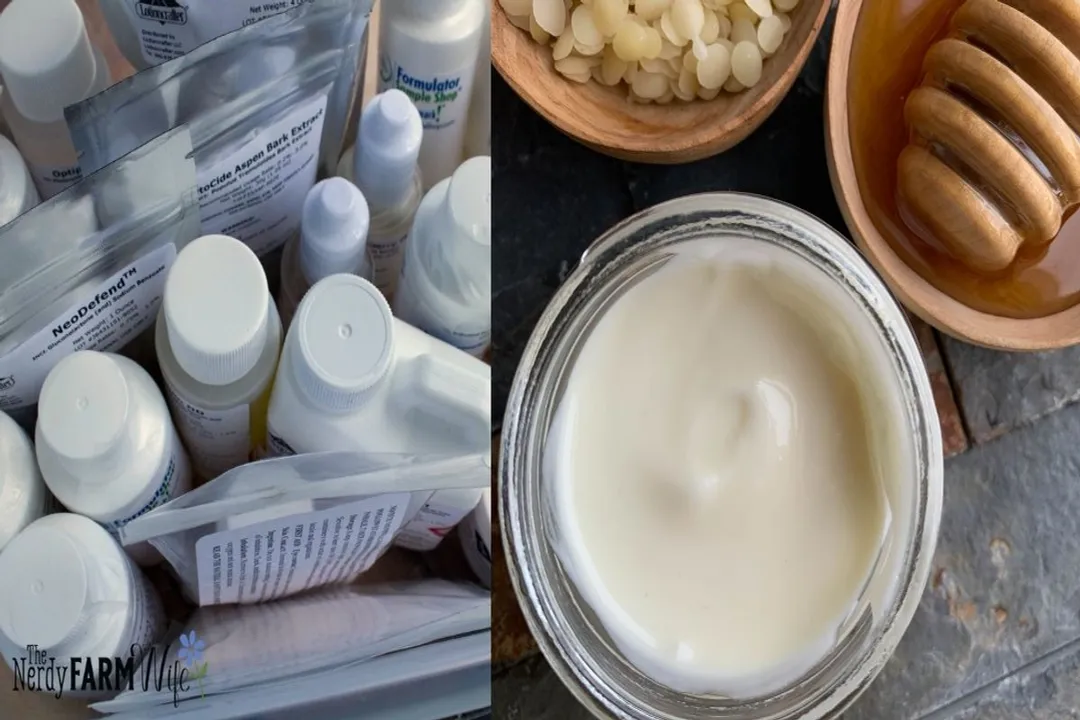
Historically, food preservation relied on basic environmental changes that inhibited microbial growth. These traditional methods often involved extreme conditions that made the food inhospitable to bacteria and mold. [9]
# Traditional Methods
The simplest, time-tested preservation techniques remain remarkably effective and are almost universally considered "healthy" because they often require no added chemical agents beyond the ingredients themselves. [9]
- Salting: Using salt draws moisture out of food through osmosis, making water unavailable for bacteria to thrive. [9] This is fundamental to curing meats and preserving vegetables. [1]
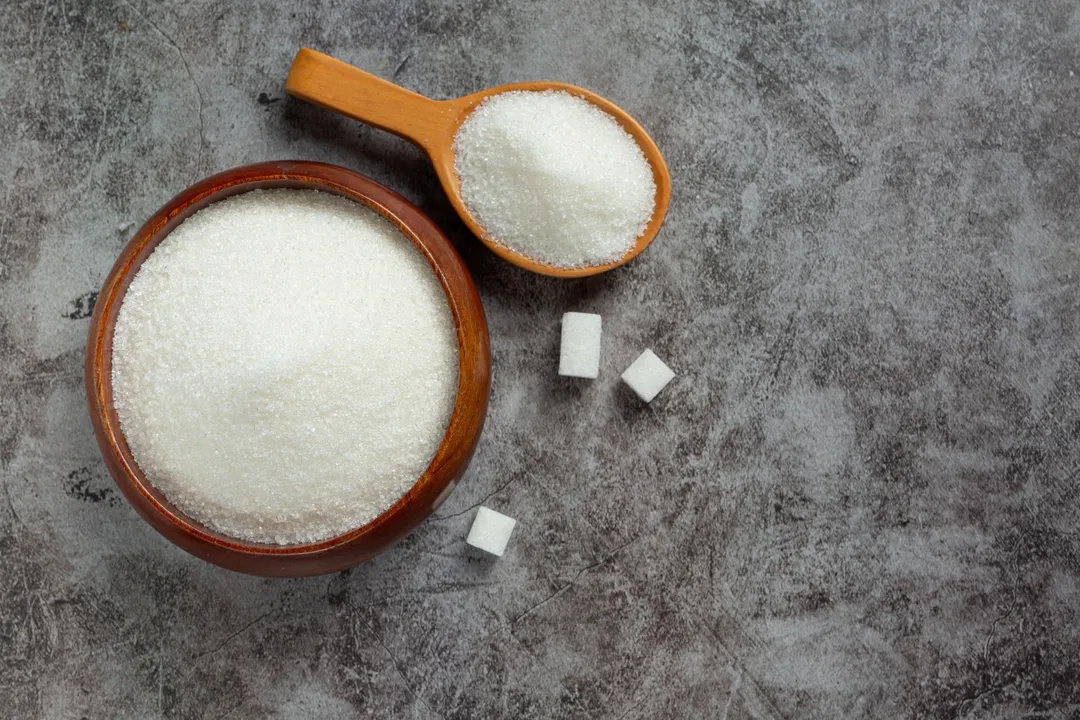
- Sugaring: Similar to salt, high concentrations of sugar bind the water content in foods like jams, jellies, and candied fruits, effectively acting as a preservative. [1][9]
- Acidification: The addition of vinegar lowers the pH level of food, creating an acidic environment where many spoilage organisms cannot survive. Pickling, which utilizes vinegar's main component, acetic acid, is a prime example. [1][9]
These traditional approaches are often favored because the ingredients—salt, sugar, and vinegar—are well-understood and generally safe when consumed in moderation as part of a balanced diet. [1][2]
# Plant-Based Antioxidants
Beyond controlling microbial growth, another major challenge in food longevity is preventing oxidation, which causes fats to go rancid and nutrients to degrade. Here, plant extracts step in as natural antioxidants. [2]
Rosemary extract is frequently highlighted as a powerful natural option for fighting lipid oxidation. [1][2] Its effectiveness stems from compounds like carnosic acid and rosmarinic acid, which scavenge free radicals that initiate the breakdown process. [2] Similarly, Vitamin C (ascorbic acid) acts as an antioxidant, often listed on labels as a stabilizer or freshness retainer. [2]
It is interesting to note that while rosemary extract protects the fat structure within a food, traditional acidulants like vinegar primarily target the water activity and microbial load. A product aiming for maximum shelf stability without synthetic help might employ both mechanisms: an acidifier to keep bacteria down and an antioxidant to keep fats fresh. [2]
# Chemical Concerns
To understand what makes a preservative "healthiest," it is essential to compare natural options against the synthetic ones they aim to replace, especially those that have drawn scrutiny from a health perspective. [3] Many processed foods rely on synthetic compounds to achieve long shelf lives and specific textures or colors. [5]
# Common Synthetic Additives
Several synthetic additives are widely used, but consumers often look to avoid them when seeking a cleaner label. [3][7]
- Butylated Hydroxyanisole (BHA) and Butylated Hydroxytoluene (BHT): These are common synthetic antioxidants added to fats and oils to prevent rancidity. [5][7] Concerns have been raised regarding their potential links to health issues, although regulatory bodies still permit their use. [3]
- Nitrites and Nitrates: Found in processed meats like bacon and hot dogs, preservatives such as sodium nitrite prevent the growth of Clostridium botulinum and help maintain the meat's pink color. [5][7] However, under certain conditions (like high-heat cooking), nitrites can form nitrosamines, which are considered potentially carcinogenic. [3]
- Sulfites: Used since Roman times, sulfites act as preservatives and antioxidants, particularly in wine, dried fruits, and sometimes baked goods. [5][7] While generally safe for most people, they can trigger severe asthma symptoms in sensitive individuals. [3][5]
- Sodium Benzoate: This is a common preservative used to inhibit the growth of mold, yeast, and bacteria, particularly in acidic foods and beverages. [6] While generally recognized as safe (GRAS) by the FDA, it can react with Vitamin C if both are present, potentially forming trace amounts of benzene, a known carcinogen. [6]
When aiming for the healthiest option, avoiding ingredients with known sensitivities or potential carcinogen formation under common use conditions becomes a primary goal. [3][5] This shifts the preference strongly toward the simple, traditional, or plant-derived ingredients. [1][2]

# Moving Toward Cleaner Labels
The desire for healthier preservation has fueled the "clean label" movement, where manufacturers attempt to substitute synthetic preservatives with ingredients consumers recognize and trust. [6]
# Natural Alternatives in Industry
For food manufacturers, replacing a powerful synthetic preservative like sodium benzoate requires finding a natural substitute that works across various food matrices—a significant technical challenge. [6]
- Fermentation Products: Certain fermentation processes naturally produce antimicrobial compounds. For example, the production of cultured dextrose or natamycin, derived from fermentation, can offer mold and yeast control in baked goods and cheeses. [6]
- Plant Extracts: Beyond rosemary extract, other extracts are being investigated for their broad-spectrum antimicrobial properties, although specific details on their widespread, safe industrial application vary. [2][6]
- High-Pressure Processing (HPP): This is an entirely different approach. Instead of adding a chemical, HPP uses extremely high hydrostatic pressure to inactivate pathogens, keeping the product "fresh" without traditional chemical additives. [6]
When evaluating a product based on ingredients, a good internal measure—one a savvy consumer can adopt—is to look for the complexity of the ingredient list. A jar of pickles made only with cucumbers, water, salt, and vinegar offers a very different profile than one containing those primary ingredients plus calcium chloride, polysorbate 80, and sodium benzoate. [1][6] The former relies on fundamental chemistry; the latter relies on multiple chemical stabilizers.
# Comparative Analysis of Health Profiles
Determining the single "healthiest" preservative is complicated because different ingredients address different spoilage vectors. A preservative effective against mold might be useless against rancidity. Therefore, the healthiest system is one that uses the fewest, safest ingredients to achieve necessary shelf stability. [9]
Consider a scenario: you are preserving high-fat ground beef before freezing.
- Synthetic approach: Might use BHT to prevent fat oxidation and perhaps a synthetic nitrate compound to ensure color and microbial safety during initial handling. [5]
- Natural approach: Would likely rely on freezing (the ultimate preservation method), but if short-term storage needed chemical support, a strong dose of rosemary extract would be crucial to protect the fats from going rancid, as salt or vinegar wouldn't address the oxidative decay of the fat itself. [2]
This highlights that the "healthiest" choice depends entirely on what you are preserving. For high-fat items, antioxidants like rosemary are key. [2] For high-water, low-acid items, acidification or microbial control is paramount. [9]
When comparing the commonly cited "natural" options—citric acid, rosemary extract, salt, sugar, and vinegar—they all boast a long history of use and relatively benign health profiles in the quantities typically used for preservation. [1][2] Citric acid, for instance, is naturally present in citrus fruits and serves as both an acidifier and an antioxidant booster. [2]
# Actionable Tip for Label Scrutiny
A practical way to gauge a manufacturer's commitment to cleaner preservation is to examine the source of the preservation method for shelf-stable items like canned goods or shelf-stable sauces. If a product uses sugar or salt as the primary means of preservation (e.g., jams, cured meats), these are usually straightforward. However, if a product is water-based and claims to be "natural" but contains potassium sorbate or sodium benzoate (which are synthetic salts used to inhibit yeast and mold), it means the manufacturer found that natural methods alone were insufficient to maintain the texture or shelf life they desired. [6] A truly "clean" product, especially if it has undergone minimal heat treatment, might rely on the synergy of rosemary extract and citric acid, or utilize techniques like HPP instead of relying on common synthetic mold inhibitors. [2][6]
# The Role of Processing
The health profile of the final preserved food is not just about the additive; it is critically linked to the process used to apply the preservative. [6] High-heat canning, for example, is a preservation method itself, which may require fewer or weaker chemical preservatives because the heat has already killed most microbes. [9] Conversely, a food preserved only with a natural additive but kept at room temperature for months has a higher inherent risk profile if the additive isn't perfectly potent or if contamination occurred before packaging. [3]
In essence, the safest preservation is often the one that removes the need for chemical intervention altogether, such as freezing, drying, or proper canning—though these methods alter the food's state. [9] When chemical intervention is required for a specific texture or transport requirement, the healthiest path seems to favor simple, recognizable compounds like vinegar, salt, or plant extracts known for their antioxidant properties over synthetic stabilizers and artificial colors. [1][2][5]
The ongoing evolution in food science suggests that future "healthiest" preservatives may not be traditional chemicals at all, but rather advanced applications of natural biology, like bacteriocins (proteins made by bacteria to kill other bacteria) or innovative packaging that limits oxygen exposure without the need for chemical scavengers inside the product. [6] For today's shopper reading a label, prioritizing recognizable, whole-food derived ingredients remains the most reliable guidepost toward the healthiest preservative choice. [1]
Related Questions
#Citations
Natural Preservatives: Are They Better Than Artificial ... - WebMD
10 Natural Alternatives to Chemical Preservatives - Mosaic Foods
Food Preservatives: Do They Impact Health? - ZOE
What are the safest preservatives used in packaged food ... - Quora
12 Common Food Additives — Should You Avoid Them? - Healthline
Sodium Benzoate Alternatives: Clean-Label Preservatives
Top 8 Common Food Preservatives To Avoid - Perfect Keto
10 Natural Preservatives for Homemade Lotion & Skin Care (+FAQS)
Which Ingredient Makes the Food Last Longer? Top Natural and ...