Who is the father of fruit preservation?
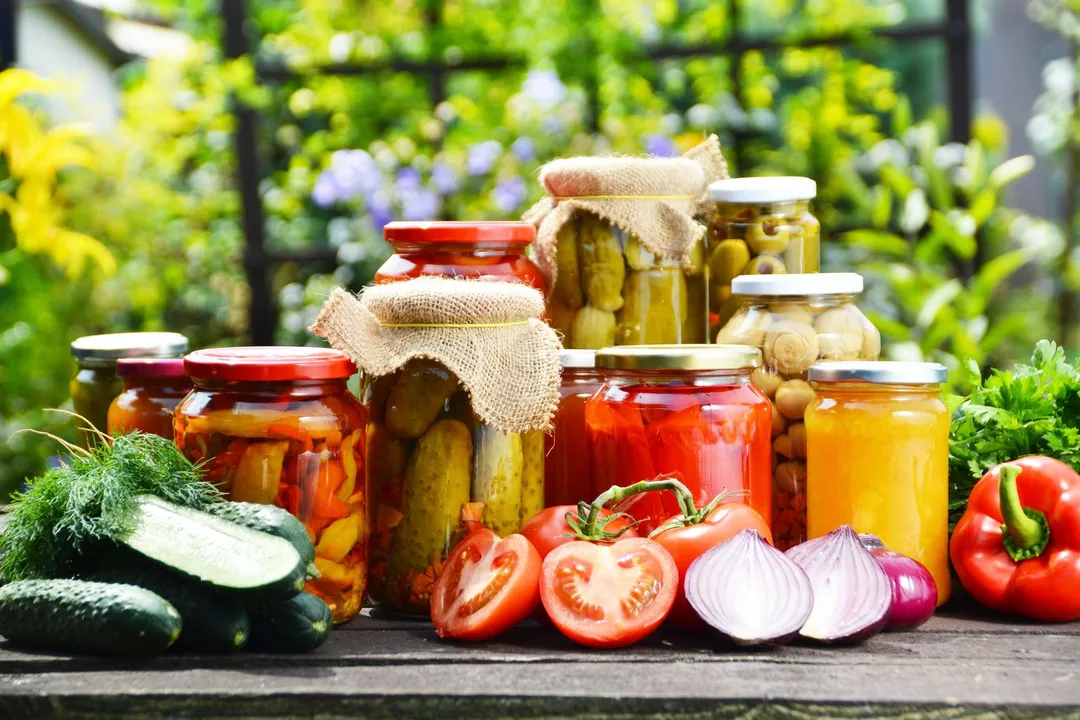
The man universally recognized as the father of fruit preservation, and indeed, the entire science of canning, is the Frenchman Nicolas Appert. His groundbreaking work, which secured the ability to store food reliably for long periods, was born not in a laboratory, but from the pressing need to supply the French military and naval forces with safe provisions. This innovation, developed around the turn of the 19th century, represented a massive leap forward in food safety and logistics, even though the scientific principles behind his success remained unknown to him. Appert's practical genius solved an immediate crisis, laying the empirical foundation for food preservation that others would later explain scientifically.
# Trade Beginnings

Appert was not a scientist by trade; rather, he was a confectioner, a brewer, and a grocer by profession. Working in his shop in Massy, near Paris, he spent years experimenting with various methods to keep food from spoiling. His dedicated pursuit of this preservation technique began as early as 1795. As a maker of preserved fruits and wines, Appert would have been intimately familiar with the failures of traditional methods like salting, drying, or storing in alcohol, all of which altered the food's quality or were insufficient for long-term, safe storage, especially for foodstuffs like fruit.
# Military Need
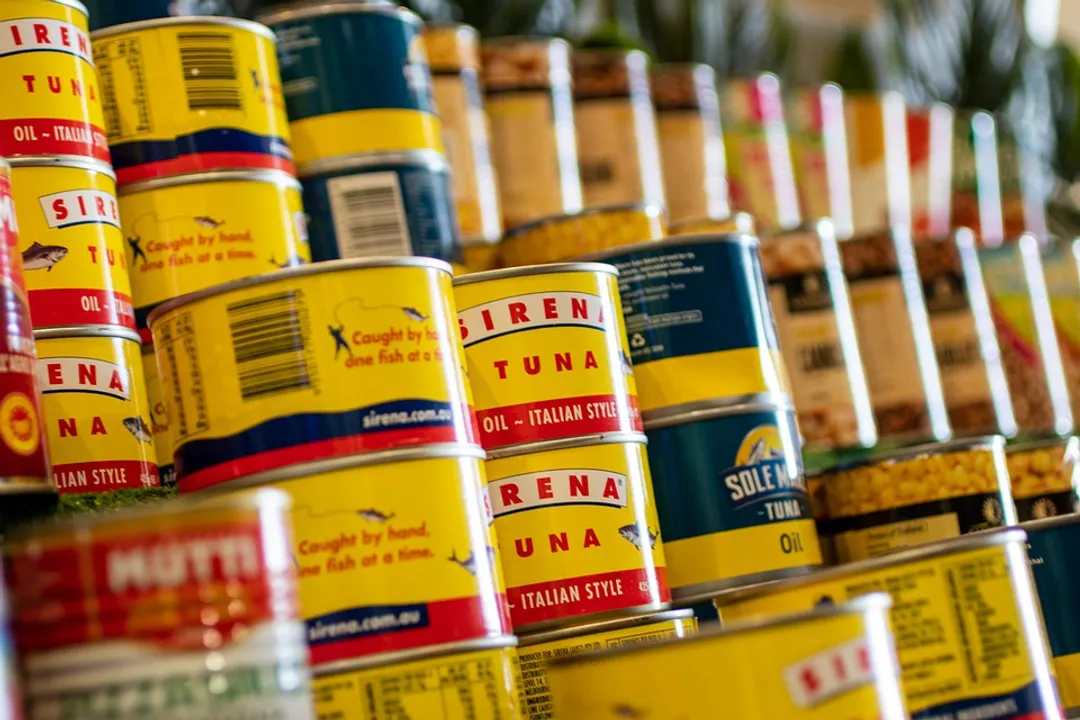
The driving force behind Appert’s persistence was a substantial financial incentive offered by the French government under Napoleon Bonaparte. In 1809, the government announced a prize of 10,000 francs for anyone who could devise a practical method to preserve food effectively for the army and navy. Napoleon's armies were expanding, and the ability to provision them reliably across long distances and campaigns was a matter of strategic importance. Appert responded to this call, proving that his method worked reliably during a competition held in 1809. He was officially awarded the 10,000 francs prize in 1810.
# Bottling Process
Appert’s technique, which would eventually be termed appertization, was characterized by its straightforward yet highly effective mechanics. He would place the food, often fruit or vegetables, into thick, wide-mouthed glass bottles. The contents were then sealed tightly using a cork stopper secured by wire or twine, and the entire assembly was finally sealed with wax. The critical step followed: the sealed bottles were immersed in boiling water for a specific duration. The length of time depended on the type of food being preserved. After this heating process, the bottles were carefully removed and allowed to cool. This method successfully preserved items like fruit in their original state for extended periods.
This empirical success stands as a fascinating historical anomaly. Appert was successfully killing the spoilage agents, yet he operated entirely without the benefit of germ theory, which was still about fifty years away from being fully articulated by Louis Pasteur. He knew heat was necessary, but he didn't know he was using heat to destroy microorganisms. It was a triumph of observation over accepted scientific understanding of the time.
# Material Shift
While Appert’s initial success relied on glass bottles, the practicality of using fragile glass for military logistics—shipping, rough handling, and storage—was limited. A crucial evolution occurred almost immediately after Appert demonstrated his process. In the same year he received the prize, 1810, an Englishman named Peter Durand secured a patent for using tinplate canisters instead of glass. These tin containers were far more durable and stackable than bottles, making them ideal for large-scale provisioning. Durand's adaptation effectively transitioned Appert’s principle into the packaging format we still recognize today, though early cans were crude and required a hammer and chisel to open.
| Preservation Vessel | Primary Material | Inventor/Adapter | Year of Major Use | Advantage over Predecessor |
|---|---|---|---|---|
| Bottle | Glass | Nicolas Appert | ~1809 | Allowed long-term food storage |
| Canister | Tinplate | Peter Durand | 1810 | Durability and portability |
The shift to tin also altered the heating requirements slightly, as metal conducts heat differently than glass, but the core concept—sealing food in an airtight container and applying sufficient thermal energy—remained constant. If we consider the physical requirements for modern home canning, where the seal integrity is everything, it’s astounding that Appert achieved such reliability using wax seals and corks, which are far less dependable than modern two-piece metal lids.
# Ignorant Success
The distinction between Appert’s empirical knowledge and the later scientific explanation is vital for appreciating his contribution. Appert knew that heating the sealed goods was the preservative step, but he mistakenly believed that the spoilage was caused by air. This is why his focus was so intently on the perfect seal—he was trying to keep the "bad air" out. This misconception is understandable; the concept of bacteria or other microbes causing decay was not yet established science.
It took the meticulous work of researchers like Pasteur later on to correctly identify that heat treatment successfully destroyed the living organisms responsible for decay, not merely the ambient air. Appert’s achievement was proving that heat, when applied correctly to a sealed system, deactivated spoilage agents, establishing the foundation for modern thermal processing techniques used across the entire food industry today.
# Formal Recognition
Though Appert invented the technique and won the prize in 1810, his contribution was immediately documented for the public record. In the same year he received the award, Appert published his findings in a pamphlet titled Le Livre de tous les ménages, ou l'Art de conserver les substances animales et végétales pendant plusieurs années. This detailed manual essentially served as the first canning instruction guide, sharing his hard-won knowledge freely after receiving his government reward. The dedication to disseminating the method, rather than hoarding the secret, cemented his legacy beyond just the cash prize. The French government's reward was a powerful initial validation, but the publication ensured the method spread, giving rise to the term appertization in honor of its originator.
# Enduring Impact
The implications of Appert’s work extended far past providing shelf-stable fruit and vegetables for soldiers. Reliable, long-term food preservation dramatically changed military campaigns, naval voyages, and even urban supply chains by reducing reliance on immediate harvests. While modern canning involves significantly more sophisticated equipment, temperature controls, and knowledge of pressure canning for low-acid foods, every modern can opener clicks open a product that owes its existence to Appert's practical experiments with wine bottles and corks. It is a simple truth that without the observational genius of this confectioner, the ability for consumers today to buy jarred peaches or canned tomatoes without refrigeration would not have developed when it did. His method proved that food could be made safe and palatable long after harvest through controlled heat and an airtight barrier, a concept foundational to global food security.
#Videos
Nicolas Appert and the Invention of Canning - YouTube
Related Questions
#Citations
Nicolas Appert - Wikipedia
Nicolas Appert | Biography & Facts - Britannica
The practice of canning was invented by Frenchman Nicolas Appert ...
The History of Nicolas Appert : Father of Canning
Nicolas Appert's contribution to canned food | ECHO Machinery
The Father of Canning Knew His Process Worked, But Not Why It ...
How Nicolas Appert Became the Father of Canning Foods
Canning Fruit and Vegetables - South Africa Online
“The Father[s] of Canning”? Narrating Nicolas Appert/American ...
Nicolas Appert and the Invention of Canning - YouTube