Are locust tree fruit edible?
When considering the edibility of locust tree fruit, the most critical first step for any forager is correct species identification, as confusion between the two common types—the Honey Locust and the Black Locust—carries significant safety implications. [5] While the term "locust fruit" might suggest a uniform answer, the reality is one tree yields sweet pulp fit for human consumption, and the other produces pods whose contents are toxic. [5][7] This distinction is paramount for anyone looking to turn these common roadside finds into culinary ingredients.
# Two Locusts
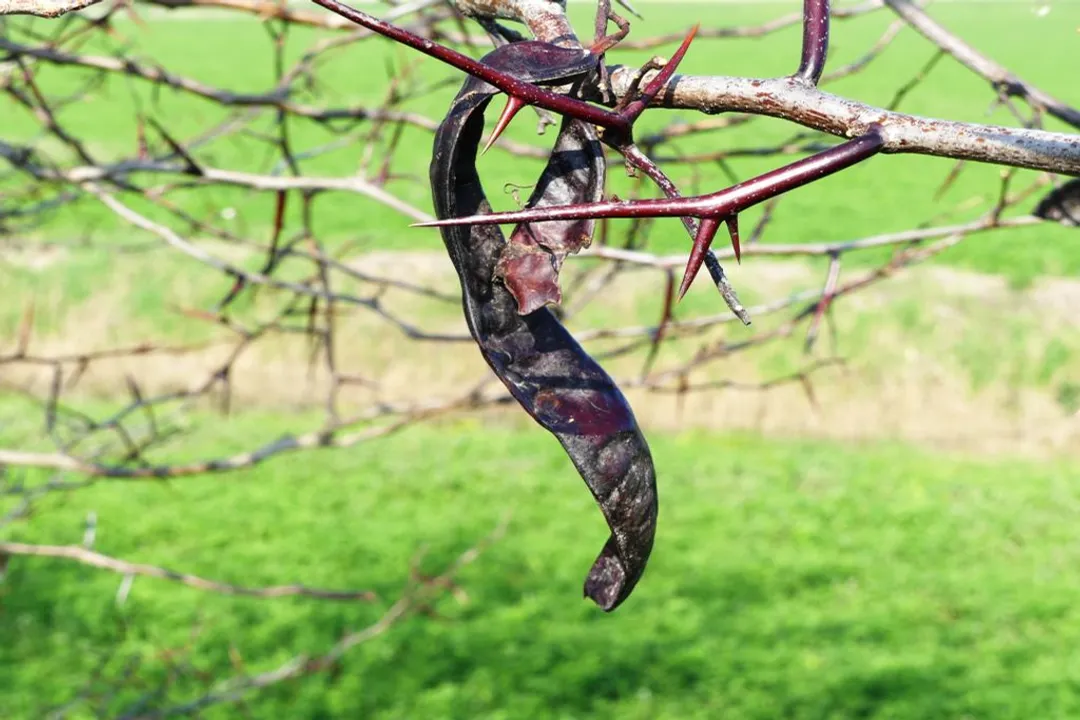
The confusion arises because both trees belong to the legume family (Fabaceae) and produce long, dangling seed pods. [5] However, they belong to different genera: Gleditsia triacanthos is the Honey Locust, and Robinia pseudoacacia is the Black Locust. [5][7]
The edible part associated with the Honey Locust is the sticky, sweet pulp surrounding the seeds within its long, often twisted or curved pods. [1][6] This pulp is reportedly quite sweet, sometimes described as tasting similar to a sweet date or even caramel. [1][6] In contrast, the Black Locust, while having famously edible flowers (often fried or made into jelly), has leaves, bark, seeds, and pods that are considered poisonous to humans and should be avoided entirely. [5] Always confirm you are dealing with the Honey Locust before considering any consumption of the pod contents. [5]
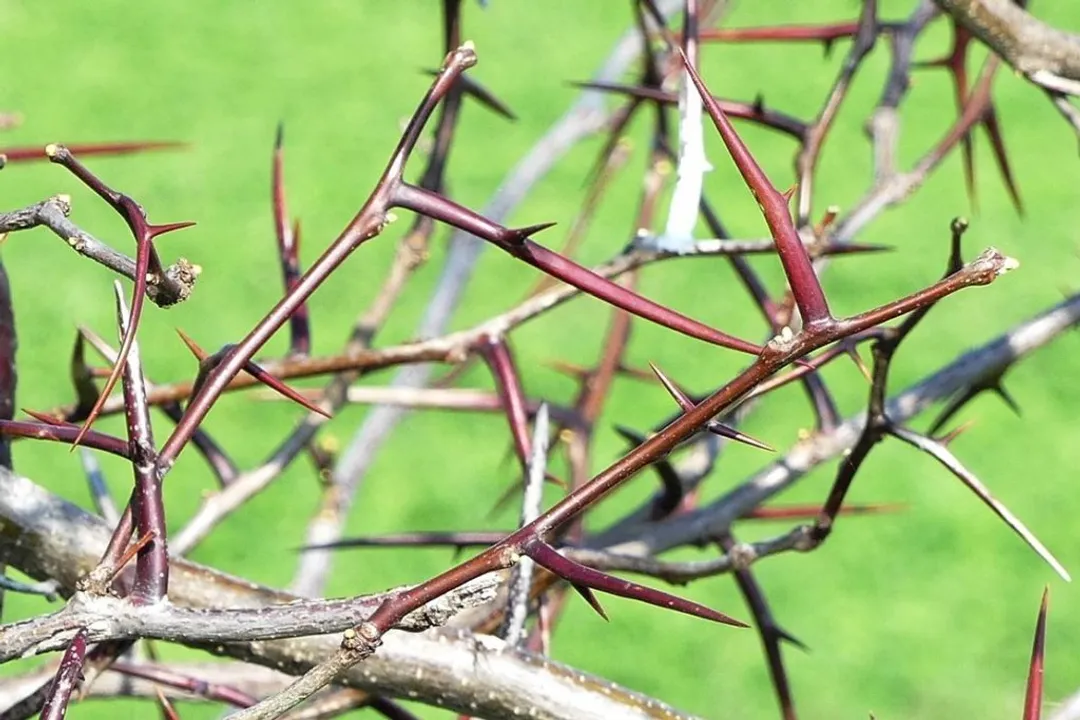
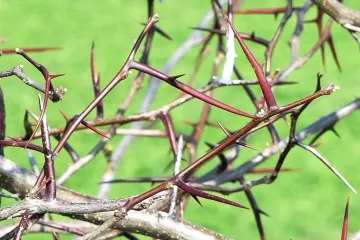
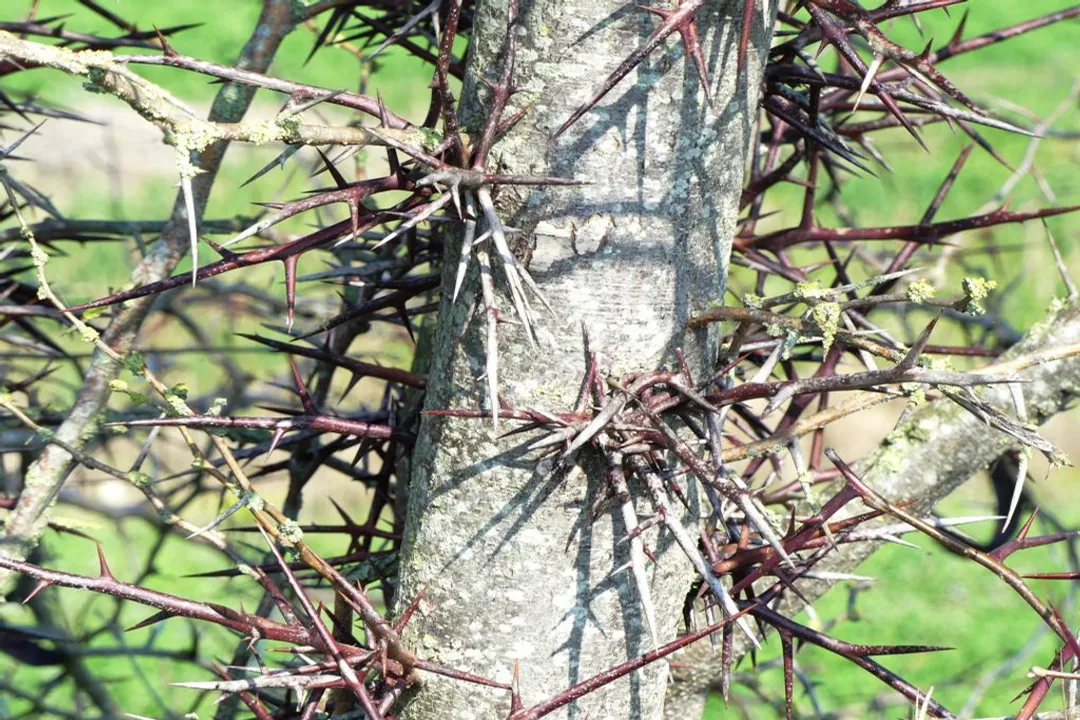
A useful identification note for differentiation focuses on the thorns. Honey Locust trees frequently possess large, multi-pronged thorns, sometimes appearing in clusters on the trunk and branches, though thornless cultivars are also common. [7] Black Locust trees typically have smaller, single spines located in pairs at the base of the leaves. [7] Furthermore, the Honey Locust pod tends to be flatter, often curved or contorted, while the Black Locust pod is usually shorter, straighter, and resembles a pea pod. [5][7]
# Sweet Pod Pulp
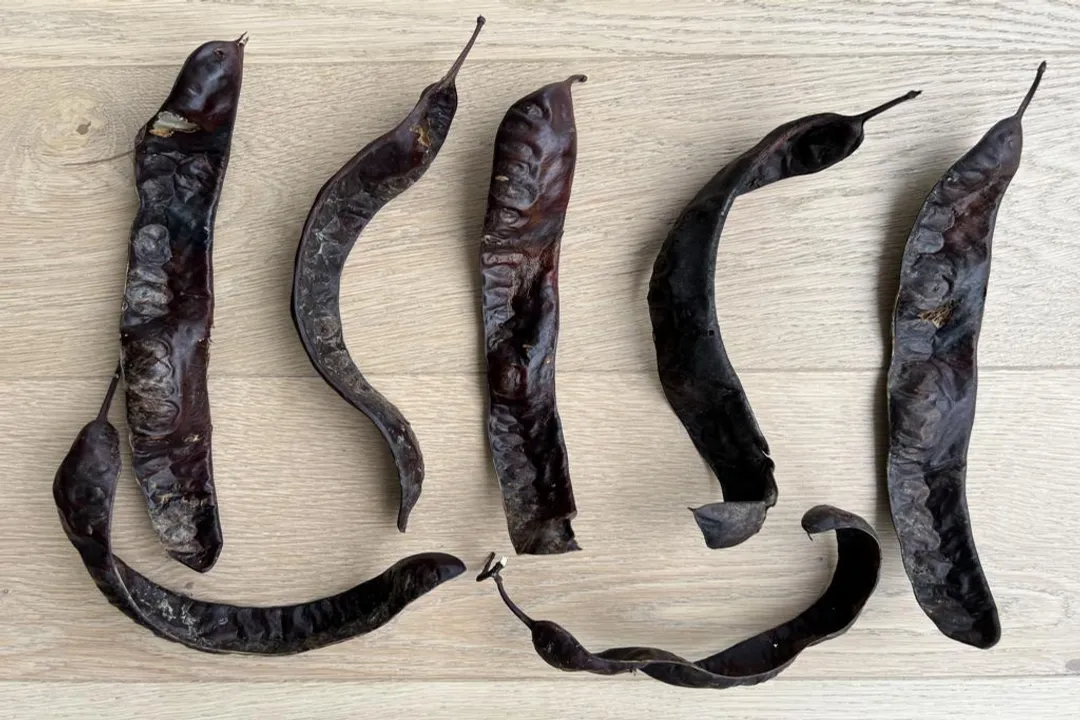
The edible component of the Honey Locust is exclusively the sugary flesh adhering to the seeds inside the pod. [1][7] This sweet material is the reason the tree earned its common name. [7] When freshly gathered, the pulp is moist, but if left to dry on the tree or after harvesting, it becomes a dry, powdery, or mealy substance. [1]
Foragers interested in utilizing this resource should recognize its natural properties. Since the pulp is naturally high in sugar, it possesses a significant energy density, which historically made it a valuable food source. [7] Modern applications often focus on extracting this sweetness or using the dried material as an additive. One approach is drying the pulp thoroughly and then grinding it into a flour substitute or thickener. [6] While it offers a natural, date-like sweetness, a forager must weigh the high labor input—shucking dozens of tough pods to gather just a small amount of pulp—against purchasing processed sweeteners like brown sugar or dates. This often relegates the pulp more to an interesting novelty or a specialized survival food rather than a daily baking ingredient. [1]
# Seed Caution
While the sweet pulp surrounding the seeds is generally considered safe for consumption once separated, the seeds themselves require much more caution when dealing with the Honey Locust. [1][7] The hard seeds contain compounds, specifically lectins, which can cause digestive upset and are generally considered unpalatable or potentially toxic if eaten raw. [1][7]
Most traditional and modern accounts strongly advise against eating the raw seeds. [1][3][6] The texture is too hard, and the presence of undesirable compounds necessitates proper preparation. [6] If one wishes to process the seeds—perhaps as a high-protein supplement after extracting the pulp—thorough cooking, such as boiling or roasting, is usually recommended to neutralize potential irritants and soften the tough outer coat. [1][7] Due to the difficulty in safely and efficiently processing large quantities of seeds, many foragers simply discard them after scraping off the desirable sweet coating. [3]
# Processing Methods
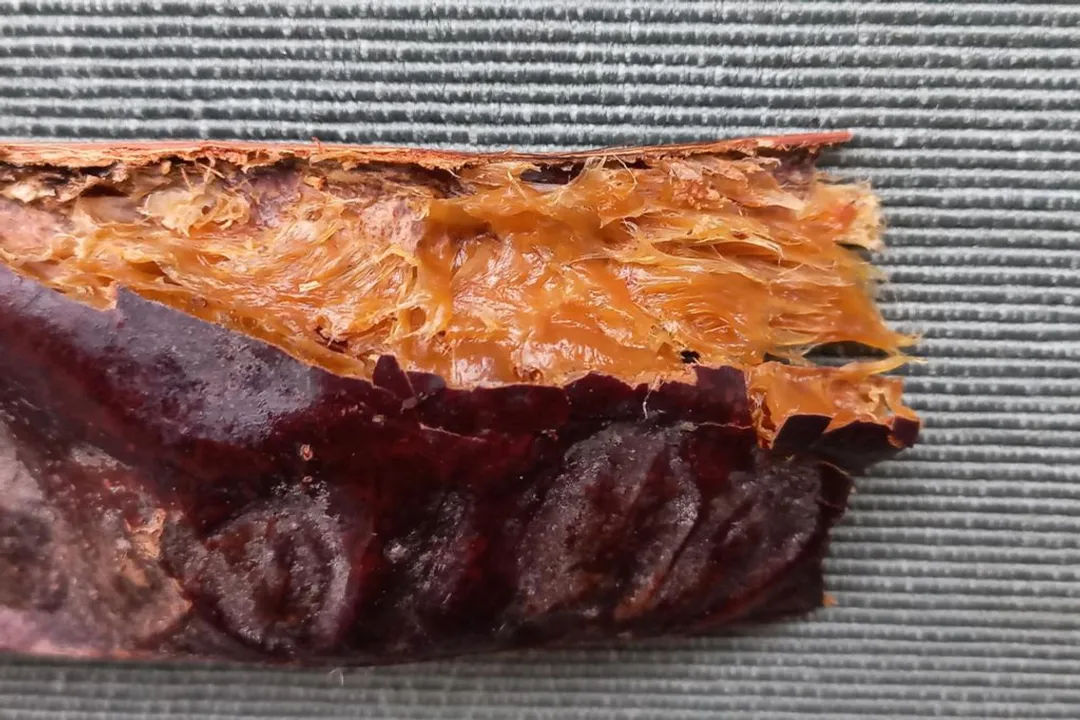
Extracting the edible pulp efficiently involves understanding the pod structure. Since the sweetness is concentrated around the seeds, the process is less about simple eating and more about careful separation. [7]
Here is a general approach foragers might consider when gathering Honey Locust pods:
- Identification Confirmation: Double-check the tree ID to ensure it is Gleditsia triacanthos and not Robinia pseudoacacia. [5]
- Harvest Timing: Harvest pods when they have matured and dropped, or are easily pulled from the tree. [7]
- Pod Opening: The pods can be quite tough. They can be split open using a knife or simply broken apart by hand once dry. [6]
- Pulp Extraction: Carefully scrape the powdery, sweet pulp away from the hard seeds. Some suggest soaking the pulp in water to make a sugary drink or syrup, which would leave the indigestible seeds behind. [7] Alternatively, thoroughly dry the pulp before grinding it into a flour. [6]
- Seed Management: Set aside or discard the seeds, as they require specialized processing to become safely digestible. [1][3]
When making syrup from the pulp, a person might find that a large volume of pods is necessary to yield a usable amount of liquid, similar to the intensive effort required for making maple syrup, though the resulting flavor profile is distinctly different. [7]
# Edibility Summary Chart
To provide clarity, summarizing the key findings across the two main species encountered in North America is helpful for quick reference:
| Part of Tree | Honey Locust (Gleditsia triacanthos) | Black Locust (Robinia pseudoacacia) |
|---|---|---|
| Pod/Fruit | Pulp is edible and sweet. [1][6] | Toxic/Poisonous. [5] |
| Seeds | Not safe raw; require thorough cooking/roasting. [1][7] | Toxic/Poisonous. [5] |
| Flowers | Generally not commonly mentioned for culinary use. | Edible when cooked (e.g., fried or in jelly). [5] |
| Leaves/Bark | Generally not mentioned for culinary use. | Toxic/Poisonous. [5] |
This side-by-side view emphasizes that while the Honey Locust offers a natural sweetener from its fruit pulp, the Black Locust requires strict caution regarding its pods and seeds entirely, reserving consumption only for its springtime flowers. [5] Always exercise absolute certainty in identification before consuming any wild plant material, especially when dealing with trees that share similar common names. [5]
#Videos
HONEY LOCUST SEED PODS! Did you know that they are edible ...
Related Questions
#Citations
Honey Locust suitable for human consumption? - Growing Fruit
HONEY LOCUST SEED PODS! Did you know that they are edible ...
honey locust uses? : r/foraging - Reddit
Honey locust tree edible beans and pods | Chandler, AZ - Facebook
Foraging: Identifying & Harvesting Black Locust
Using Honey Locust Pods as Food - Bushguide 101
[PDF] Honey Locust - Indiana Native Plant Society
edibility of honey locust leaves/pods - Permies.com