Are all opuntia fruits edible?
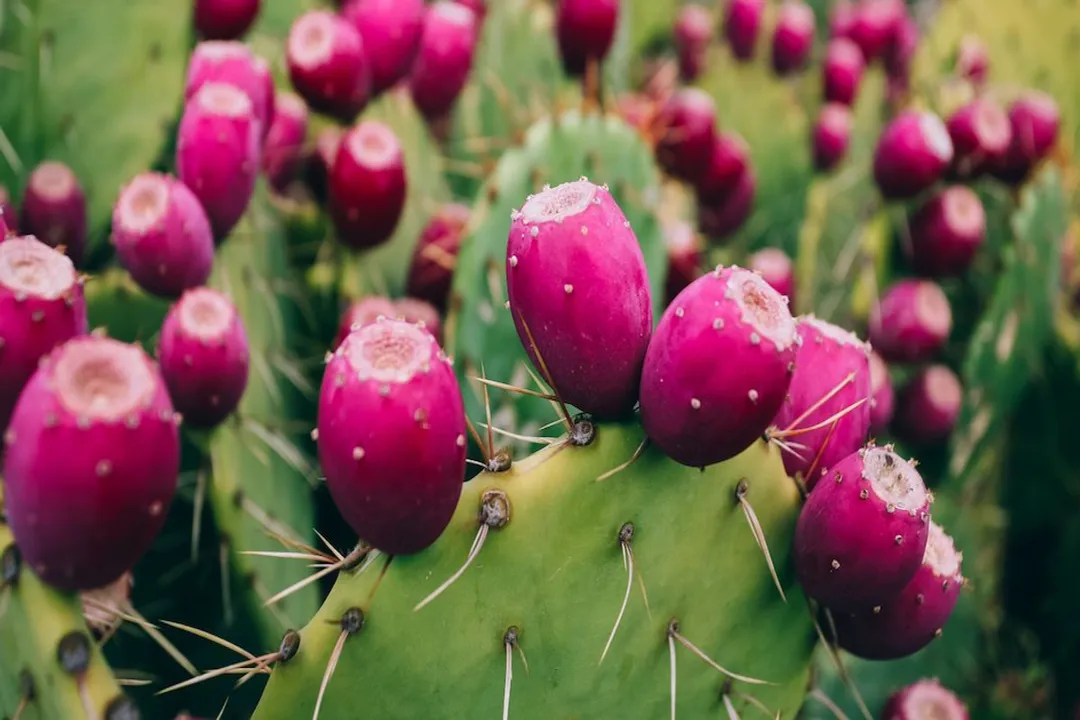
The Opuntia genus, commonly known for its flat, paddle-like cladodes often called nopales, is also renowned globally for its sweet fruit, frequently referred to as prickly pear or tuna. [8] While many species within this large group yield edible and highly desirable fruit, the blanket statement that all Opuntia fruits are edible requires significant qualification based on identification, preparation, and local context. [9] The genus is vast, encompassing several hundred species, and while the fruit of some cultivated varieties, like Opuntia ficus-indica, is a staple crop, others are less studied for culinary use or may simply be unpalatable. [3]
# Dual Edibility
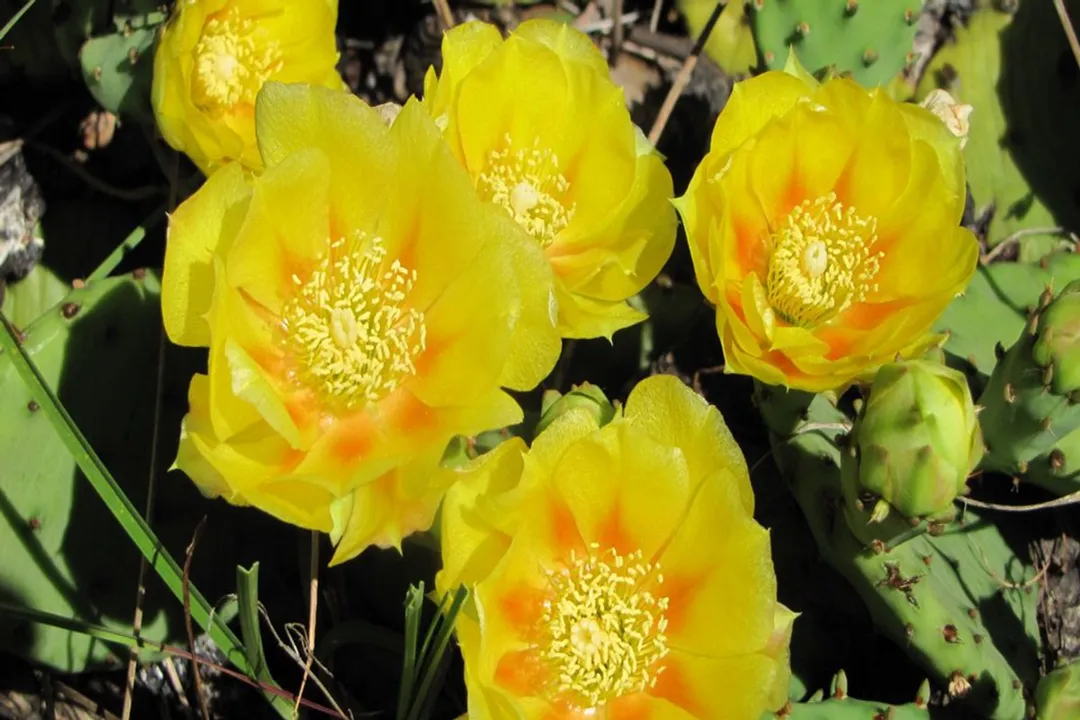
The practicality of eating the cactus extends beyond just the fruit. Both the pads (young, tender stems) and the fruits are consumed across various cultures. [3][8] When discussing the fruit, which develops from the flower, it is vital to remember that the entire plant structure, including the fruit's skin, is covered in spines and the microscopic, barbed bristles known as glochids. [4] These physical defenses are the primary obstacle to safe consumption, regardless of the specific species involved. [9]
# Glochids Danger
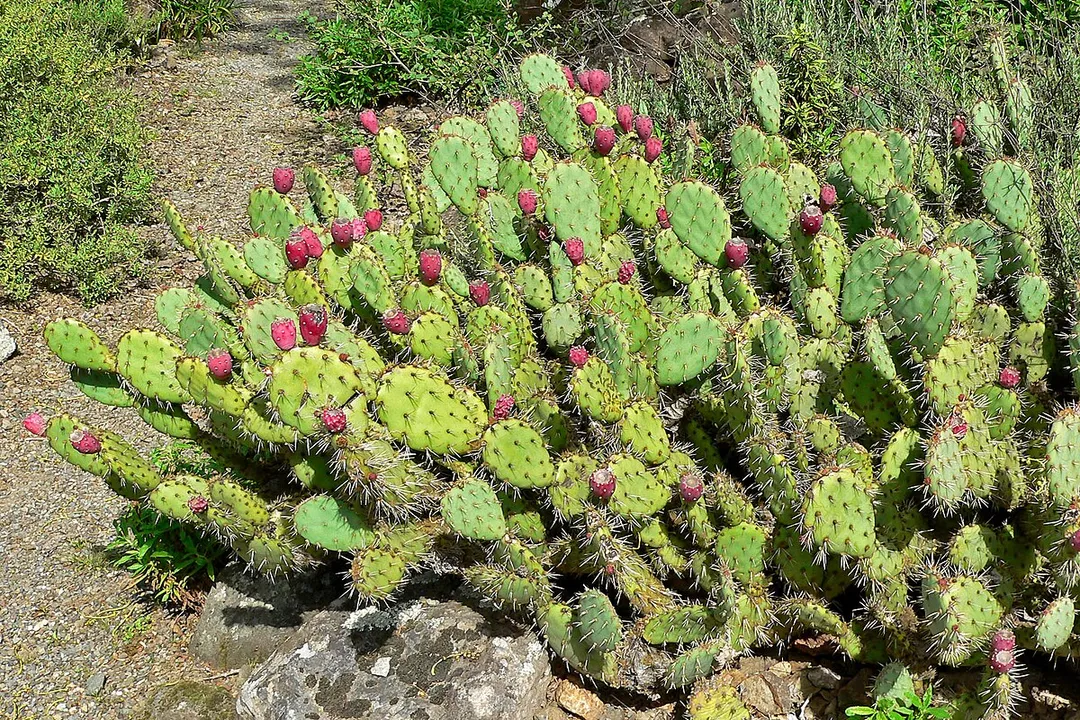
The most immediate threat when preparing any Opuntia fruit is not toxicity, but irritation from the glochids. [4] These are incredibly fine, hair-like spines that detach easily upon the slightest touch, lodging in the skin, mouth, or throat, causing intense itching and discomfort. [9] While the larger, more obvious spines can often be seen and scraped or plucked off, the glochids are nearly invisible, necessitating specialized cleaning techniques. [4] A novice forager or home harvester might mistakenly believe the fruit is clean after removing the large spines, only to experience severe irritation once the fruit is handled or eaten. [7]
# Fruit Identification
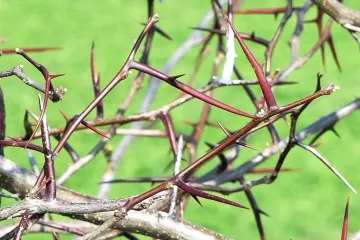
The fruit itself generally starts green and ripens to colors ranging from deep purple and red to yellow or orange, depending on the variety. [9] The visual cues of ripeness are often a good indicator that the fruit is ready for harvest, as mature fruit separates more easily from the plant. [4] However, visual ripeness does not guarantee perfect edibility or lack of pests or undesirable flavor compounds in every wild specimen. [1]
When foraging for unknown species, the risk assessment changes dramatically compared to consuming fruit from a known, commercially grown source. In areas where Opuntia is native or widely naturalized, local knowledge is irreplaceable. For example, someone sourcing a plant in the American Southwest might have access to centuries of established, tested preparation methods for specific native strains. [8] Conversely, an individual discovering a less common variety in a new setting, perhaps even an established, non-native plant like one found in Indiana, must proceed with extreme caution, as general edibility guides often focus only on the most common species. [6] This situation demands a level of identification expertise comparable to verifying any wild mushroom; a mistake could lead to severe gastric upset, even if the plant is not strictly "poisonous". [9]
# Cleaning Methods
Proper preparation is the critical step that transforms a potentially hazardous plant part into a safe food item. [9] The initial removal of spines and glochids must be thorough, as ingestion of these bristles can cause internal irritation. [4]
Two primary methods are frequently recommended for cleaning the exterior before peeling:
- Burning: Holding the fruit briefly over an open flame (like a gas burner) causes the fine glochids to singe off instantly. This method is quick but requires careful attention to avoid cooking the fruit's skin too much. [9]
- Scraping/Washing: Using a stiff brush or scrub pad under running water can remove many of the larger spines, followed by meticulous scraping to remove stubborn glochids. This is often preferred if an open flame is unavailable or if one is wary of applying heat. [4]
Once the exterior is deemed clean, the skin must be peeled away to access the sweet, often seed-filled pulp inside. [4] It is a common practice among experienced preparers to treat the fruit like a tough-skinned vegetable that requires complete de-skinning before the interior flesh can be enjoyed. [7]
When considering the practical application in a home setting, the uncertainty of wild-harvested fruit needs context. For cultivated varieties, the fruit is often sweet and refreshing, suitable for immediate consumption, jams, or syrups. [8] For an unknown wild Opuntia, one should assume the risk level is high. If the fruit has a clear, bitter, or soapy taste upon a tiny initial tasting (after thorough cleaning), it should be discarded immediately, as palatability is a strong indicator of suitability. [9] Cultivated varieties have been selected for sweetness over generations; wild types have not, meaning their chemical composition might favor defense compounds over flavor. [4]
# Species Variation Caveats
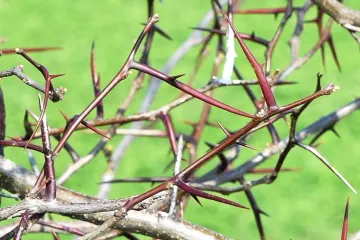
The primary reason not all Opuntia fruits are treated equally lies in species differentiation and local experience. While the general consensus supports the edibility of the fruit from the Opuntia group, specific reports from foraging communities highlight the variability. [5] A user on a public forum might identify a specific local cactus and ask if its fruit is safe, often receiving replies that urge caution unless positive identification of a known edible species is confirmed. [1]
For the average reader, this translates to a simple rule: unless you are certain of the species or have received instruction from an expert familiar with your specific local flora, treat the fruit with suspicion, even if it looks exactly like the prickly pear sold in a grocery store. [9] The presence of thorns and glochids is a genus-wide characteristic, but the internal chemical makeup that dictates taste and digestive comfort is species-specific. [3] Therefore, while the potential for edibility is high across the genus, the certainty is reserved only for those species confirmed to be both safe and palatable for human consumption. [7]
Related Questions
#Citations
Does anyone know if the pads and/or fruit of this cacti is ...
Eating Cactus: Prickly Pear for Food
Opuntia
Can you eat any opuntia? - CactiGuide.com
Are all prickly pear cactus varieties edible?
Eastern Prickly Pear Cactus | TNC
are all prickly pear fruits safe to eat
Can You Eat Cactus? The 5 Main Types of Edible Cacti
Cactus: Don't Be Spineless