Are locust fruit edible?
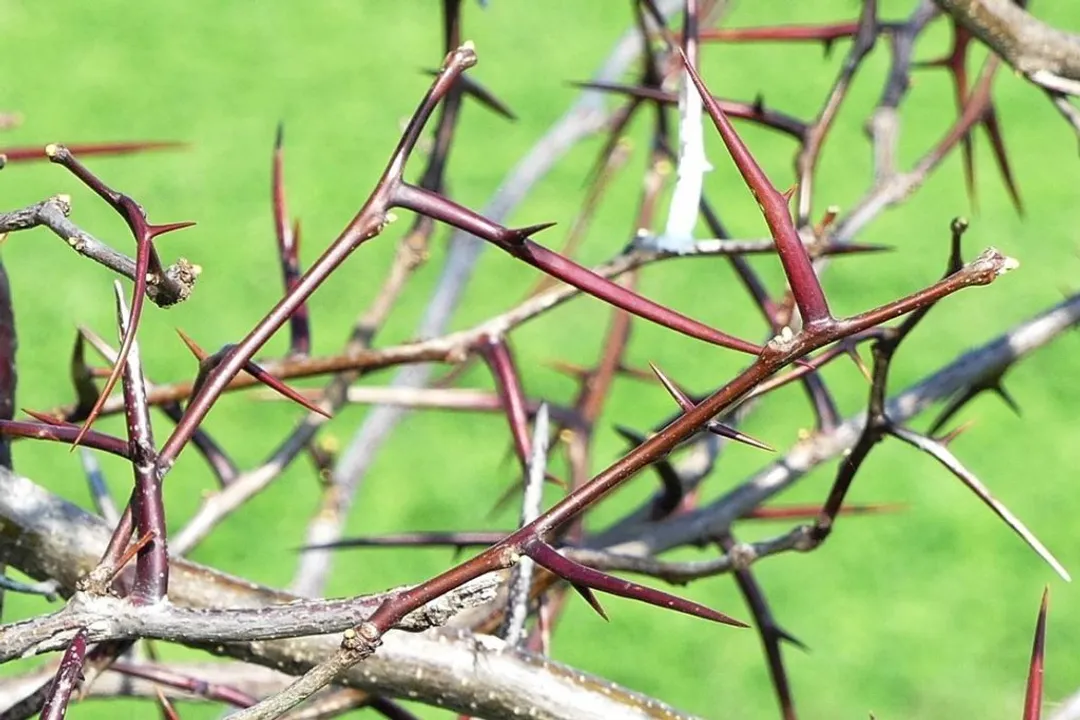
The world of foraging offers many fascinating yet confusing possibilities, and few plants generate as much discussion as the various trees commonly called "locusts." When asking if "locust fruit" is edible, the answer immediately splits, as this common name applies to at least two distinct and very different species: the Honey Locust (Gleditsia triacanthos) and the Black Locust (Robinia pseudoacacia). Their "fruits"—the seed pods—are handled and regarded very differently in terms of consumption and safety. [5]
# Species Divide
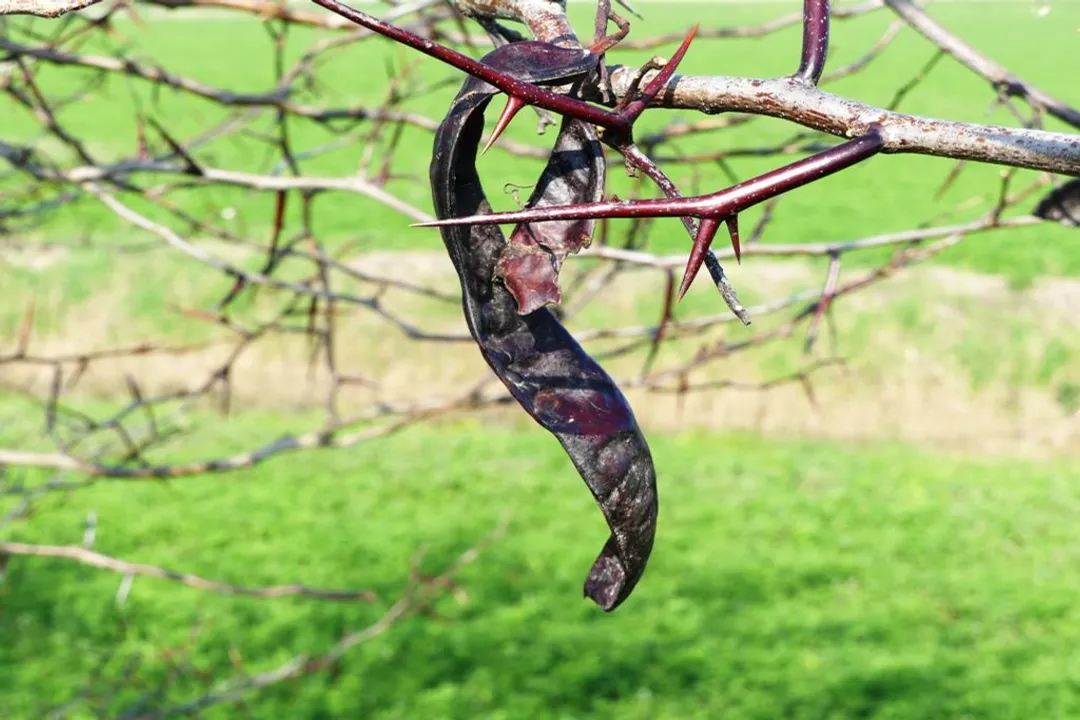
Understanding which tree you are observing is the absolute first step before considering any part of the plant for consumption, as they belong to separate genera within the legume family. [5] The most prominent part associated with the edible "fruit" is the pod of the Honey Locust. [3]
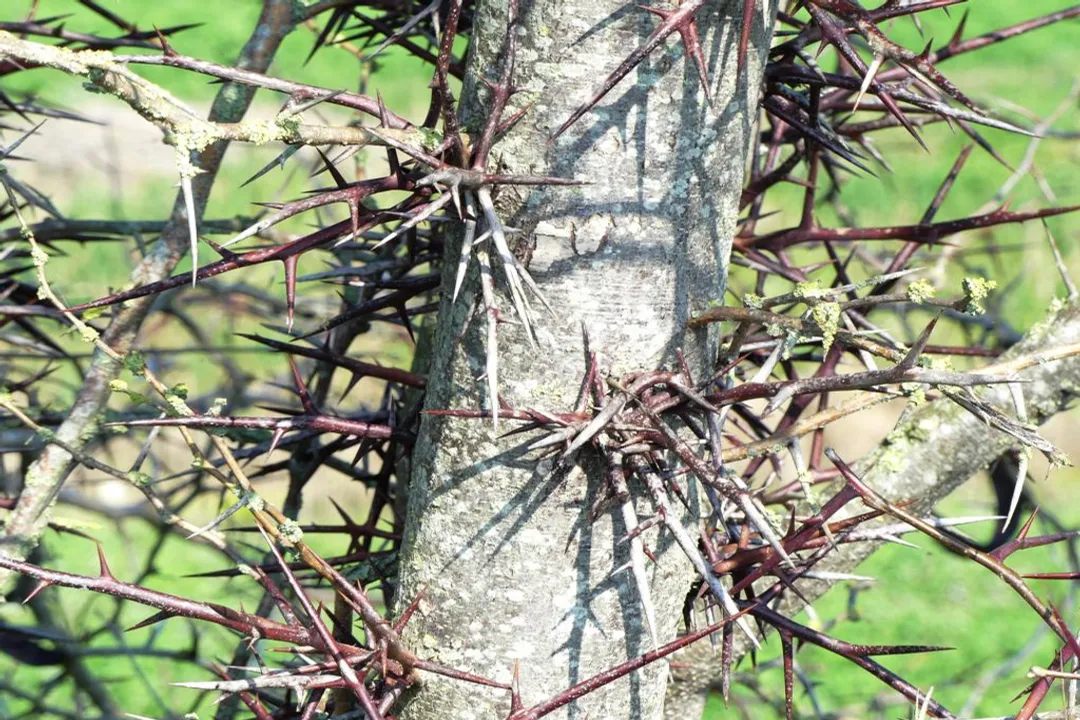
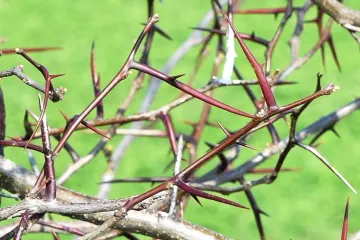
Honey Locusts are notorious for their imposing, often multi-pronged thorns on younger branches, though thornless cultivars like 'Inermis' are popular in landscaping. [3][5] Their seed pods are long and contain several large, dark seeds encased in a sticky, sugary pulp. [3] Conversely, Black Locust trees possess shorter, singular thorns, though they also have thornless varieties. [5] The edible parts most commonly discussed for Robinia pseudoacacia are actually its flowers and sometimes the seeds, not the fruit pulp in the same way as its cousin. [5] The Black Locust, while sometimes mythologized as entirely poisonous, has an edible history, though caution remains paramount. [5]
# Honey Pods
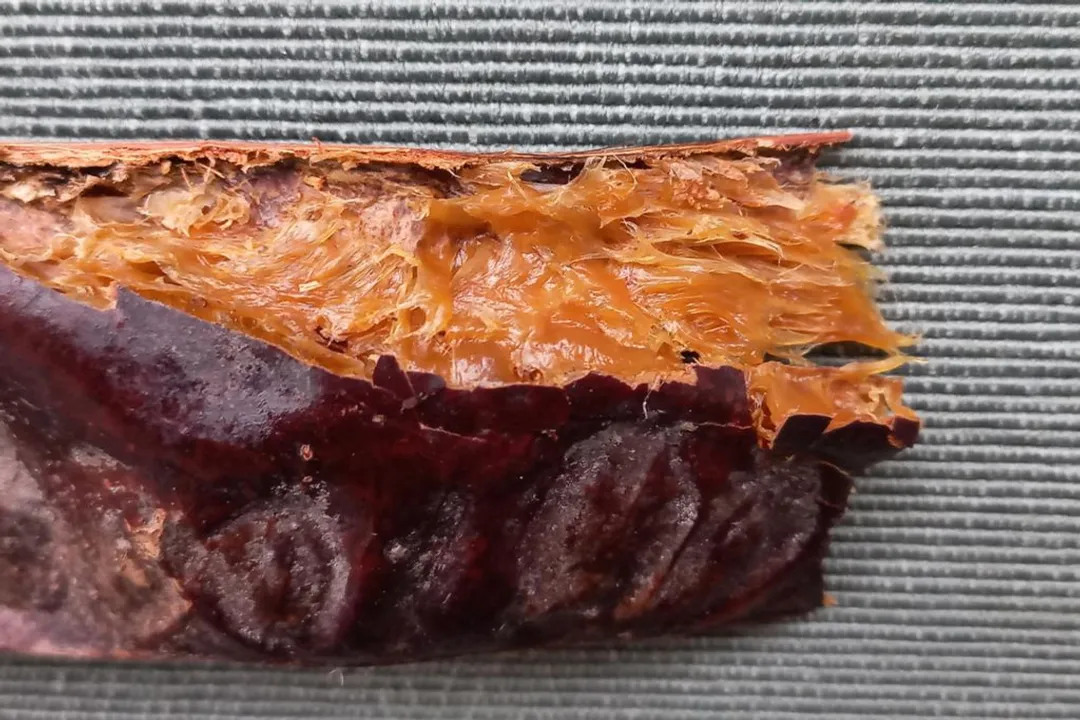
The seed pods of the Honey Locust (Gleditsia triacanthos) are the primary focus when discussing edible "locust fruit." These pods contain a sweet, aromatic pulp surrounding the seeds. [3] This sugary substance has been historically gathered by Native Americans, who dried the pulp and ground it for use as a sweetener and thickener. [6]
# Pulp Palatability
The quality and taste of the pulp can vary significantly, even on the same tree, making individual testing essential. [6][2] Some foragers report the pulp of fully ripe, brown pods as sweetish-sour, comparing the texture and flavor profile to that of Carob. [3] Another description likened the pulp directly from the pod to an overripe, sweet banana. [6]
However, inconsistent results are common. Some reports suggest that the pulp from certain trees can be unpleasant or bitter. [2] Furthermore, unripe green pods, while sweet (with sugar content potentially reaching 12% to 42%), may contain irritants and should be cooked before ingestion. [3] The outer maroon-brownish skin or shell of the pod should typically be discarded as it is known to contain high levels of tannins. [3]
One important observation, drawing parallels from related edible pods like Mesquite, suggests that flavor is highly dependent on the specific tree genetics. A systematic approach is advisable: taste a minuscule amount of pulp from a freshly opened pod from your tree of interest. If you detect undesirable characteristics—like excessive bitterness, a chalky feel, or a burning sensation in the back of the throat—it is best to avoid that specific tree’s bounty, regardless of the general edibility consensus. [6] This variation in chemical composition, potentially linked to genetics, highlights why gardeners seeking consistency look toward named cultivars like 'Millwood' or 'Calhoun' which have been selected for superior pod production and sweetness, possibly correlating with lower levels of astringent compounds. [2][5]
# Seed Processing
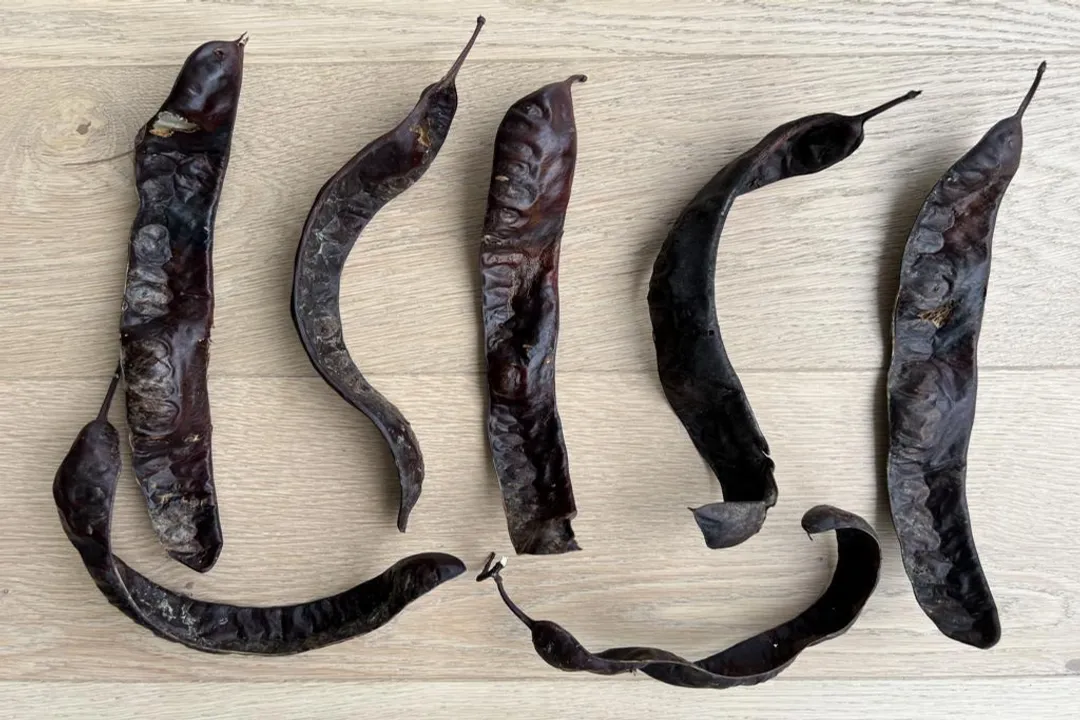
Beyond the pulp, the seeds (or beans) within the pod present a nutritional opportunity, offering protein (10–24%) and sugar (around 30%). [3] Because these seeds are encased in a very hard shell, they require significant processing to be made digestible for humans. [5] Simply consuming them raw or lightly treated is not recommended due to their hardness and potential for toxins or digestibility issues. [5]
The general consensus for preparing the seeds involves a multi-step approach:
- Extraction: First, the seeds must be separated from the surrounding pulp. This can involve tedious scraping or, for larger batches, more mechanical methods like using a plaster mixer or concrete mixer with stones to agitate and break the brittle pods. [6]
- Soaking: The extracted seeds usually benefit from an overnight soak. [3][4]
- Cooking: After soaking, the seeds must be thoroughly cooked, often by boiling or pressure cooking them until tender, similar to preparing dried beans or chickpeas. [4][5]
One intriguing preparation method documented involves roasting the seeds until they are soft enough to chew, then grinding the result in a coffee grinder to create a beverage resembling coffee, described as hearty, nutty, and slightly sweet. [2] Others have noted that the seeds, once cooked and mashed, can be used to make a pie, though the texture is described as unusual. [5]
# Safety and Allergies
Perhaps the most critical aspect of consuming any part of the Honey Locust is the potential for allergic reactions or tannin overdose, which requires a conservative approach, especially when dealing with wild specimens. [2][6]
Tannins are defense compounds, and while their astringent taste often disappears as the pod ripens, that does not guarantee their complete absence or safety in large quantities. [2] As with persimmons, a high tannin load can cause adverse effects that may not be immediately obvious by taste alone. [2]
The experience of one individual revealed a highly personal sensitivity; they reacted violently to the dried pulp and even the dust generated from processing the pods, experiencing throat swelling and respiratory distress, while they tolerated fresh pulp from a different tree just fine. [6] This strongly suggests that the specific allergen or irritant varies widely from tree to tree, even within the same geographic area. [6]
If you are trying Honey Locust for the first time, consider this actionable tip: Always test a minuscule amount of the pulp from the specific tree you plan to harvest from before committing to a large processing session. If you experience any lingering tingling, spice, or dryness in the mouth, immediately cease consumption and discard the batch from that source. If you proceed to process the seeds or entire pods into flour or powder, be extremely mindful of airborne dust, and process outdoors or with respiratory protection, as inhalation triggered severe reactions in at least one documented case. [6]
# Black Locust Distinction
While the focus often lands on the sweet pulp of the Gleditsia genus, the Black Locust (Robinia pseudoacacia) must be handled with separate guidelines. [5]
It is a common misconception that Black Locust is uniformly poisonous. [5] While the bark is considered toxic to horses, and the foliage is noted as being highly toxic to chickens, its flowers are widely accepted as an edible spring treat. [5] Black Locust blossoms can be eaten raw or battered and fried like fritters. [5] Some sources even suggest that both the flowers and the seeds of Black Locust are safe to eat in quantity, though this conflicts with the general advice often given for wild edibles. [5] The risk assessment must be made on a part-by-part basis:
- Flowers: Generally considered edible when in bloom. [5]
- Leaves/Bark: Avoid ingestion, particularly for horses. [5]
- Seeds: The edibility of mature seeds is debated, but immature seeds are sometimes favored. [5]
To ensure you are not consuming the wrong species, note the key identification difference: Honey Locust pods are typically flatter and longer than Black Locust pods, and crucially, Honey Locust leaves are twice pinnately compound (small leaflets arranged on secondary stems), whereas Black Locust leaves are once pinnately compound (leaflets arranged directly off a main stem). [5]
# Beyond the Pod
The culinary possibilities extend beyond just the sweet material. For those with successful, non-reactive sources, the potential sugar content in Honey Locust pods (12–42%) suggests applications similar to those used for Carob, such as milling into a powder to replace cocoa or sweeteners in baking. [3][6] One experimental attempt to make brownies using Honey Locust powder yielded a moist, sweet product that tasted unique rather than chocolatey. [6] Furthermore, fermentation of the pulp into an energy alcohol or potable drink has been noted in historical context. [6] Even the wood of the Honey Locust is valued, being dense and providing superior firewood compared to oak in terms of BTUs, though it is notoriously difficult to split. [2]
Navigating the edibility of "locust fruit" requires careful identification and respect for the variability inherent in wild plants. By distinguishing between the pulp and seeds of the Honey Locust and knowing that the Black Locust offers edible flowers, foragers can approach these common trees with both curiosity and necessary caution. [3][5]
#Videos
HONEY LOCUST SEED PODS! Did you know that they are edible ...
Honey locust fruit taste like gooseberry jam (Gleditsia triacanthos)
Related Questions
#Citations
Honey Locust suitable for human consumption? - Growing Fruit
HONEY LOCUST SEED PODS! Did you know that they are edible ...
honey locust uses? : r/foraging - Reddit
Using Honey Locust Pods as Food - Bushguide 101
edibility of honey locust leaves/pods - Permies.com