Health Benefits of Haws (fruit of Hawthorn)
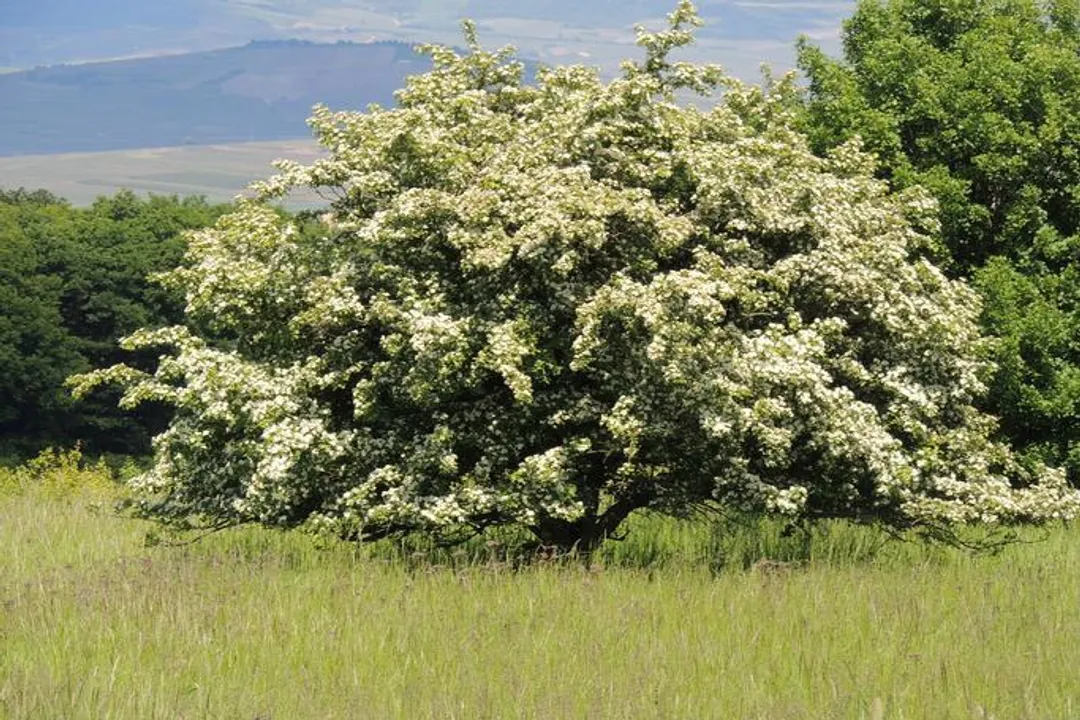
Hawthorn fruit, the small, red pome that develops after the blossoms fade on the Crataegus shrub, has quietly maintained a reputation for supporting the cardiovascular system for centuries. [4][5] While many people associate the thorny hedge with picturesque rural landscapes, its berries, or haws, hold a respected place in traditional herbal medicine, often specifically targeted toward matters of the heart. [7] This fruit is much more than just an autumnal decoration; it is rich in bioactive compounds that researchers are actively studying for their physiological effects. [1][3]
# Heart Support
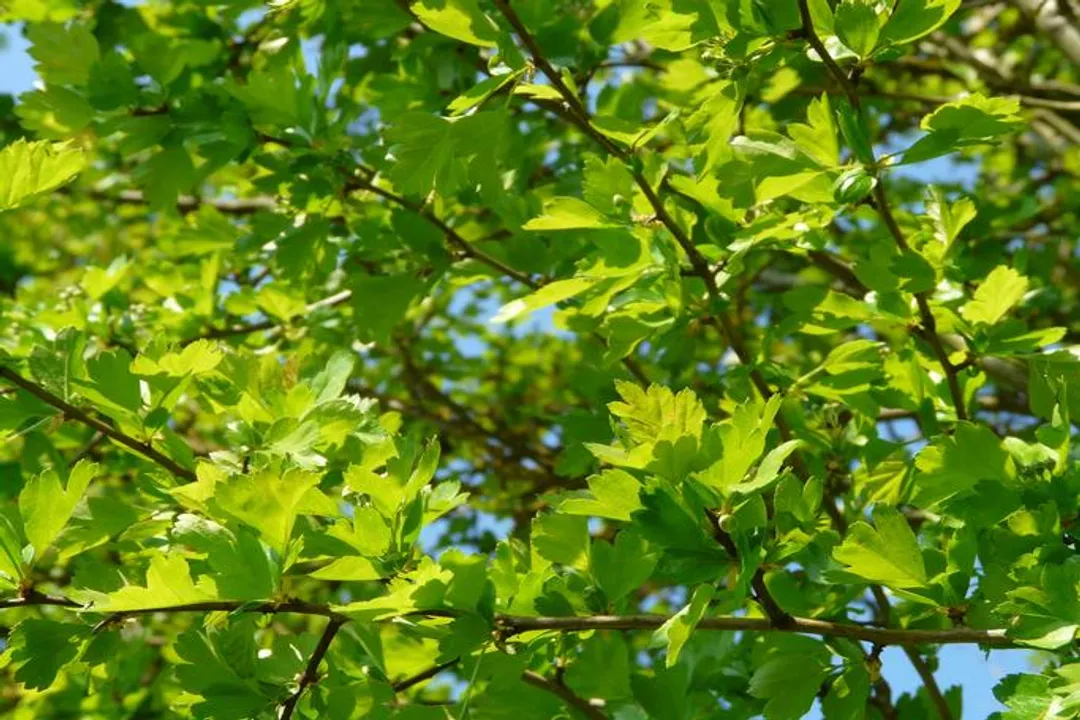
The most frequently cited and well-researched application for hawthorn relates directly to heart function. Extracts made from the berries, leaves, and flowers are commonly used as a cardiotonic, meaning they help strengthen the heart muscle and improve its pumping action. [1][4] This benefit is often attributed to the fruit's high concentration of flavonoids and procyanidins. [1][3] These components are powerful antioxidants that help protect cells from damage caused by free radicals. [1]
When considering its use for established cardiac conditions, some clinical evidence suggests hawthorn extracts can be helpful in managing mild to moderate congestive heart failure. [1][4] It is believed to work by dilating blood vessels, which can improve blood flow and ease the burden on the heart. [1] This vasodilation effect can also contribute to managing blood pressure levels. [1][2] However, it is vital to understand that while modern studies support these traditional uses, hawthorn should not be viewed as a substitute for prescription medications for serious heart conditions without explicit guidance from a healthcare provider. [2][6][9]
One interesting area of comparison among herbal traditions involves the specific part of the plant used. While the berries (haws) are the focus here, many commercial preparations also incorporate the leaves and flowers, as these parts often contain higher concentrations of certain beneficial compounds, like vitexin. [3] If someone is foraging or relying on whole-fruit preparations, the synergistic effect of the entire berry is what is being consumed, which may differ slightly in potency from standardized flower/leaf extracts used in formal trials. [7]
# Antioxidant Profile
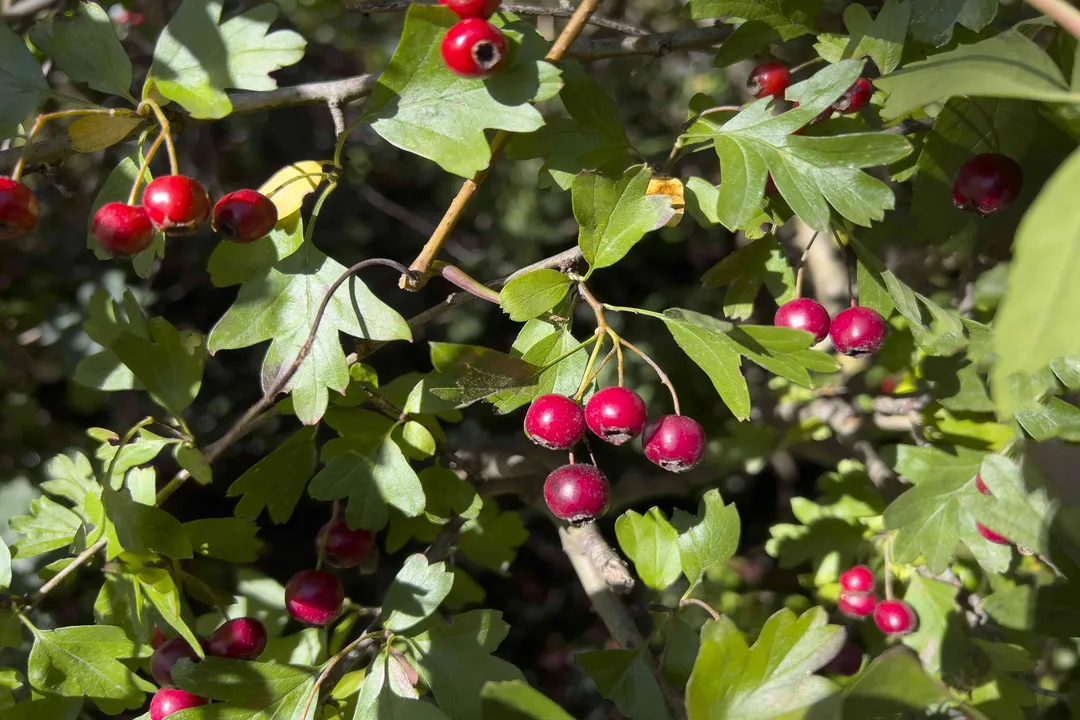
The protective capabilities of hawthorn are deeply rooted in its chemical makeup. The fruit contains several beneficial plant compounds, notably flavonoids, which are known for their antioxidant activity. [1][3] These antioxidants combat oxidative stress, a key factor in the aging process and the development of various chronic diseases. [1] Beyond simple antioxidant action, some of the compounds found in hawthorn, like procyanidins, have been shown to help widen blood vessels and maintain the integrity of the vascular system. [3]
The sheer variety of these compounds suggests a multi-pronged approach to wellness, rather than reliance on a single mechanism. For instance, the presence of triterpenes alongside flavonoids offers a broader spectrum of protective action within the body’s systems. [3] This comprehensive biochemical profile is likely why hawthorn has remained a staple in herbalism for so long; it addresses vascular health from several different angles simultaneously. [4]
If you are looking to incorporate haws into your diet directly, understanding that the nutritional profile might vary based on ripeness is key. An under-ripe haw can be quite tart, whereas a fully mature, dark red berry offers a sweeter, though still slightly mealy, texture, which is perfect for culinary applications like jams or syrups. [7]
# Blood Pressure Regulation
Elevated blood pressure is a significant public health concern, and hawthorn has drawn attention for its potential to help manage it safely. [1][2] The mechanism linking hawthorn to blood pressure involves its ability to relax and widen blood vessels. [1] When the blood vessels are relaxed, there is less resistance to blood flow, leading to a reduction in overall pressure. [6]
For someone just beginning to explore natural methods for mild blood pressure maintenance, a gradual introduction of hawthorn tea or juice might be a gentle starting point. A practical suggestion for consistency, assuming medical clearance, is to try replacing one daily caffeinated beverage with a cup of hawthorn tea brewed from dried berries. This integrates the component into an existing routine, making adherence easier than starting an entirely new habit. [5] However, individuals already taking prescription blood pressure medications must exercise caution, as the additive effect could lead to blood pressure dropping too low, a condition known as hypotension. [2][9]
# Digestive Health
While the heart receives most of the acclaim, hawthorn berries have also traditionally been employed to soothe digestive complaints. [4][8] In folk medicine, the fruit was sometimes used to address issues like indigestion or mild stomach upset. [4] This gentle action may be related to its properties that aid circulation, potentially including better blood flow to the digestive organs, though the direct evidence for this is less established than for cardiac effects. [8]
When consuming the raw fruit, it is worth noting that the hawthorn berry contains seeds which should generally not be consumed in large quantities, as they possess tiny amounts of cyanogenic glycosides. [5] For this reason, when making homemade preparations like jellies or sauces, straining the seeds and pits out is a standard preparatory step, ensuring you retain the beneficial pulp and skin while mitigating any potential minor risks associated with the seeds. [7]

# Traditional Uses and Modern Forms
The use of hawthorn dates back to ancient Greece, demonstrating a long history of trust and application across different medical systems. [4][7] In European traditional medicine, especially involving rural practices, the fruit was often used both fresh and dried for various ailments, not just exclusively for heart weakness but sometimes for circulatory issues in the extremities as well. [5] The shrub itself holds cultural significance, often being seen as protective. [7]
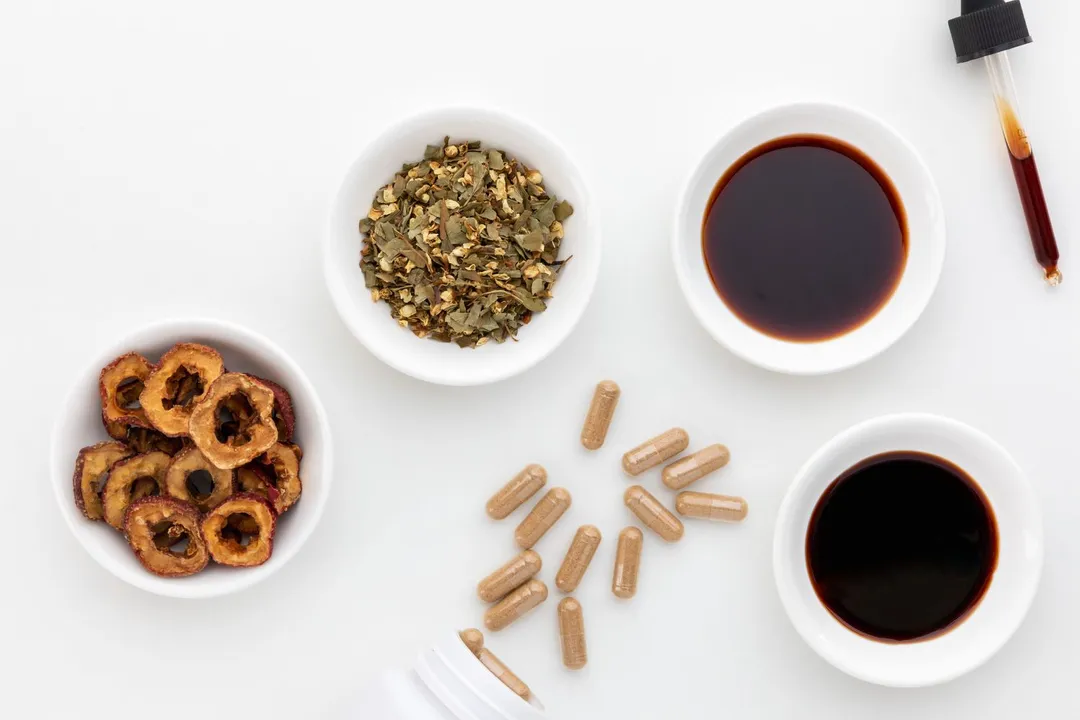
Today, hawthorn is rarely consumed solely as the raw fruit in Western contexts; rather, it is typically taken in standardized forms to ensure a consistent dose of the active ingredients. [6] These forms include:
- Tinctures: Alcohol-based extracts offering a concentrated dose.
- Capsules/Tablets: Standardized dry extracts.
- Teas: Made from dried berries, leaves, or flowers, offering a milder, gentler approach. [2]
For someone deciding between these forms, a simple comparison highlights their main differences. Tinctures offer rapid absorption, teas offer hydration and a ritualistic element, and capsules offer convenience and precise dosing according to the label’s specification. [2][6]
# Safety Considerations
As with any botanical substance that has demonstrable physiological effects, careful consideration of safety and interactions is necessary. [2][9] Because hawthorn impacts blood pressure and heart rhythm, it is especially important to consult a professional if you have a pre-existing heart condition or are on medication. [2][9]
The primary cautionary note revolves around drug interactions. If a person is taking medications for heart failure, such as digoxin, or prescription blood thinners, adding hawthorn without medical supervision is strongly discouraged due to the risk of potentiating the drug's effect. [9] Similarly, individuals taking drugs to control blood pressure or maintain a steady heart rhythm need to monitor their status closely if introducing hawthorn supplements. [2] Although generally considered safe when used appropriately and in recommended amounts, its potency warrants respect. [6] It is also often recommended that pregnant or breastfeeding individuals avoid hawthorn due to insufficient data on its safety in these populations. [2]
# Potential for Blood Sugar Balance
While the primary focus remains cardiovascular, there is some preliminary exploration into hawthorn’s effects on metabolic health, including blood sugar management. [4] Some preclinical studies suggest that the plant extracts might influence how the body processes glucose. [4] This area remains less defined compared to its established role in heart health, but it hints at a wider array of potential benefits stemming from the fruit’s rich composition of unique compounds. [1][3] Should future human trials confirm this modulating effect, hawthorn could be viewed as a supportive agent for overall metabolic function, not just circulatory strength.
# Final Thoughts on Culinary Use
While supplements dominate the market, there is genuine value in appreciating the raw culinary potential of the haws themselves. [7] In regions where hawthorn grows freely, people have long used the fruit in jams, jellies, and syrups, often pairing the slightly tart flavor with sweeter fruits like apples. [5][7] Experimenting locally can be rewarding; for instance, finding a recipe that balances the fruit's natural pectin content (which helps thicken jams) with a touch of honey can result in a truly unique seasonal spread that carries a legacy of traditional health support within every bite. [7] This direct consumption method ensures you receive the full spectrum of fiber and nutrients present in the whole berry, something that processed extracts might not fully replicate.
Related Questions
#Citations
Impressive Health Benefits of Hawthorn Berry - Healthline
Hawthorn: Uses, Side Effects and More - WebMD
Food Applications and Potential Health Benefits of Hawthorn - PMC
Hawthorn berry: Benefits, side effects, and FAQs
Hawthorn - University of Rochester Medical Center
Hawthorn: Benefits, Uses, Side Effects, and More - Health
The Heart of the Hedge: Exploring the Magic of Hawthorn
Hawthorn: Benefits and Nutrition - Verywell Health
Hawthorn – Health Information Library | PeaceHealth