Health Benefits of Miracle fruit
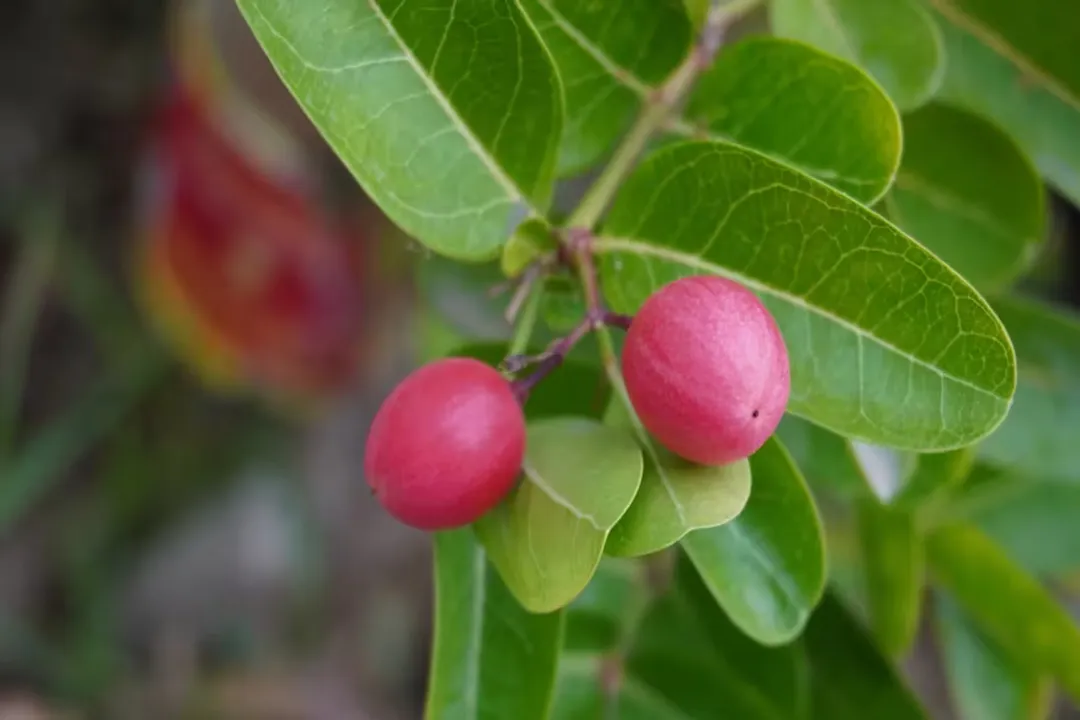
The miracle fruit, scientifically known as Synsepalum dulcificum, carries a name that perfectly describes its most astonishing characteristic: the ability to temporarily transform sour tastes into profoundly sweet ones. [5][3] This effect is not magic, but the result of a unique protein found within the berry, which has garnered attention as a potential tool for dietary management and sensory exploration. [2][9] While native to West Africa, its fame has spread globally due to this singular, taste-altering quality. [5]
# Glycoprotein Effect

The core of the miracle fruit's power lies in a specific glycoprotein called miraculin. [5][9] When an individual chews or sucks on the small, red berry, this protein coats the tongue's taste receptors. [9] It is crucial to understand that miraculin itself is not sweet; rather, it acts as a sophisticated molecular key, manipulating how the tongue perceives subsequent flavors. [9][5]
This manipulation is highly dependent on levels. [9] The miraculin molecule binds specifically to the sweet taste receptors located on the taste buds. [9] In a neutral or basic environment, the protein remains inert, meaning that if you eat the berry and then immediately drink plain water, you will notice little to no change in taste. [9] However, when the tongue encounters something acidic—like citrus fruits, vinegar, or yogurt—the acidic environment triggers a conformational change in the miraculin protein. [9][5] This altered structure then activates the sweet taste receptors, causing the acidic substance to register as intensely sweet. [9]
The duration of this fascinating phenomenon is generally reported to last for a period of about 30 to 60 minutes, though individual experiences can vary. [9][1] This transient nature distinguishes it significantly from traditional zero-calorie sweeteners. Where artificial sweeteners like aspartame or sucralose provide a sustained sweet signal regardless of the accompanying food's , the sweetness induced by miraculin is fundamentally acid-dependent and fades as the protein naturally washes away or its structure reverts. [9] This makes the experience highly interactive; the sweet perception is a direct collaboration between the berry's compound and the sourness of the food consumed afterward. [5]
# Sugar Substitute
Given its potent taste modification capabilities, the most immediate and celebrated application of the miracle fruit is as a natural sugar alternative. [3][4] For those looking to reduce their consumption of refined sugars for health reasons or general preference, the berry offers a unique pathway to enjoy sweet flavors without adding actual carbohydrates or calories. [2]
Imagine being able to eat a slice of lemon—something normally too tart for most people to consume regularly—and perceiving it as a sweet candy. [5] This ability translates directly into practical dietary adjustments. By temporarily overriding the perception of sourness with intense sweetness, individuals can incorporate healthier, low-sugar, or tart foods into their diet that they might otherwise avoid. [2]
If you are looking to experiment with this effect safely, try this simple approach: first, taste a small piece of a very sour food, such as a sliver of lime, noting its natural tartness. Then, consume one whole miracle berry, allowing it to dissolve in your mouth for a minute or two, ensuring the pulp coats your tongue thoroughly. Finally, immediately try the same piece of lime again. [5] The shift in perception should be immediate and pronounced, allowing you to gauge the effective duration for your own palate. Tracking how long the sweetness lasts can provide personal data on how your saliva’s interacts with the miraculin.
# Metabolic Aid
The connection between the miracle fruit and metabolic health, particularly concerns related to blood sugar, is one of its most compelling potential benefits. [5][4] Since the berry allows people to experience sweet tastes without consuming sugar, it provides a non-caloric way to satisfy sweet cravings. [2] This reduction in actual sugar intake is where the primary health advantage lies, especially for certain populations.
For individuals managing diabetes, particularly Type 2 Diabetes (), maintaining stable blood glucose levels is paramount. [9] The fruit offers a way to enjoy the sensation of sweetness without causing the associated post-meal blood sugar spikes that come from ingesting sucrose or other simple sugars. [5][1] It must be stressed that the fruit does not change the actual sugar content of the food consumed; it only tricks the brain into thinking the food is sweet. [5] Therefore, it should be viewed as a tool for modifying behavior and preference, not a replacement for prescribed dietary carbohydrate limits. [9]
Furthermore, this ability to substitute sweetness can support general weight management efforts. [2] By making naturally low-sugar, high-fiber foods more appealing—such as certain berries or tart fruits—the fruit can indirectly contribute to a lower overall caloric intake. [2] While some sources hint at direct anti-diabetic or blood sugar-lowering effects separate from taste modification, [4] the most established mechanism supported by research centers on using taste alteration to reduce voluntary sugar consumption. [9]
# Taste Therapy
Beyond dietary management, the miracle fruit has found significant application in clinical settings dealing with altered senses of taste, a condition often called dysgeusia. [5] Chemotherapy and radiation treatments for cancer can severely disrupt the taste buds, frequently causing foods to taste metallic, bitter, or bland. [5][1] When standard flavors are unappealing, patients may struggle to consume enough calories to maintain strength during treatment, leading to nutritional deficits. [5]
Here, the temporary sweetness provided by the berry can make bland or unpleasant-tasting meals significantly more palatable. [5] For example, a patient struggling with a metallic aftertaste when eating chicken might find that consuming a miracle fruit berry beforehand makes the chicken register as pleasantly sweet, thereby encouraging them to eat more. [5][1] This serves as a non-pharmacological intervention to improve the quality of life and nutritional status for patients undergoing these difficult treatments. [5] While the effect is temporary, a few minutes of altered taste perception can be enough to finish a necessary portion of a meal. [5]

# Antioxidant Content
While the taste modification steals the spotlight, the miracle fruit, like many other fruits, possesses compounds that contribute to general wellness, particularly antioxidants. [4] Antioxidants are substances that help prevent or slow damage to cells caused by free radicals—unstable molecules the body produces in response to environmental and other pressures. [4]
The presence of these compounds suggests the fruit offers benefits beyond its sensory trickery. [4] Some literature also suggests potential anti-inflammatory properties associated with the berry, although details on the specific mechanism or effective dose for these systemic effects are less detailed in the sources compared to the taste modification data. [4] When considering the fruit as a regular dietary addition, these inherent properties, combined with the benefit of reduced sugar intake, contribute to its overall healthful profile. [4]
# Consumption Notes
Incorporating miracle fruit into one's routine requires a brief understanding of practical considerations. [1] The fruit is generally considered safe for most people when consumed in moderation. [1] The active ingredient, miraculin, does not appear to cause toxicity. [9] However, it is essential to remember that while it makes sour foods taste sweet, it does not change the actual chemical composition or nutritional value of what is being eaten. [5] Someone consuming a high-sugar beverage after eating the berry will still consume the sugar. [5]
It is important to ensure the quality and sourcing of the product, whether consuming the fresh fruit or processed forms like tablets or frozen pulp. [1] While rare, some individuals might experience mild side effects, though the information provided does not detail specific adverse reactions aside from noting its general safety profile. [4]
The effectiveness of the taste change is highly dependent on the interaction with the food eaten after the berry. [9] For instance, if you eat the berry, wait five minutes, and then drink a very mild, slightly sweet tea, the effect might be barely noticeable because there isn't enough acidity to trigger the maximal sweet response from the miraculin. [9] To maximize the experience, one should prepare a tart food item—a few tablespoons of plain yogurt, a slice of grapefruit, or a splash of vinegar mixed with water—to consume immediately after the berry has done its work coating the tongue. [5][3] This direct, interactive relationship between the berry and the following food sets it apart from almost every other dietary supplement or food additive available today.
Related Questions
#Citations
Miracle Fruit - Uses, Side Effects, and More - WebMD
Miracle Fruit: Nutrients, Uses, Benefits, Side Effects - Healthline
Miracle Berries: Health Benefits, Uses, and Natural Sweetener
Miracle Fruit/Miracle Berry: Health Benefits, Uses, Natural ... - Netmeds
What Are Miracle Berries and Are They Safe?
Miracle fruit, also known as miracle berry, offers several potential ...
5 Surprising Health Benefits of Miracle Berries - mberry
5 Health Benefits Of Miracle Fruit - Tata 1mg Capsules
Miracle Fruit Plant: Benefits, Uses, Properties