Health Benefits of Chico fruit
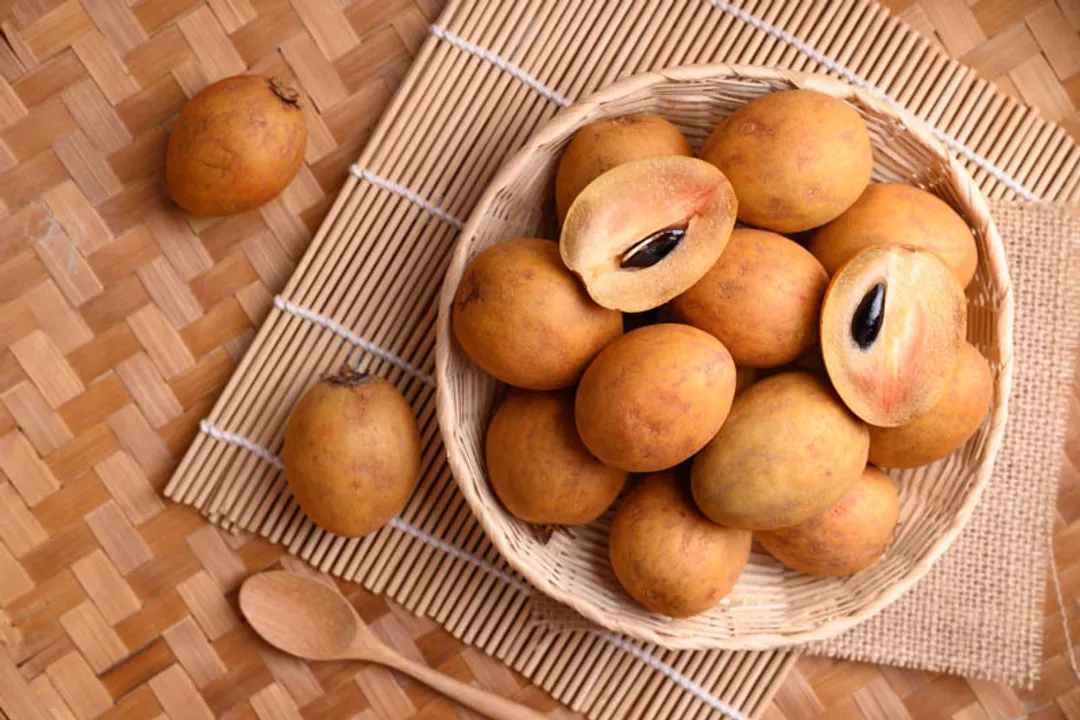
Chico, widely known by names like sapodilla or chikoo depending on the region, offers a sweet escape wrapped in a slightly rough, brown skin. Native to areas spanning Mexico, Central America, and the Caribbean, this fruit, which sometimes carries the name naseberry or chicozapote, is now cultivated globally in places like India and Thailand. Its interior flesh is distinctively yellow to light brown, possessing a texture that ranges from soft to slightly gritty, often described as having a flavor reminiscent of brown sugar, cinnamon, pears, or peaches. Despite its commonality in tropical locales, it remains an exotic find in some Western markets, but its rich composition warrants attention from anyone seeking dietary diversity.
# Nutritional Profile
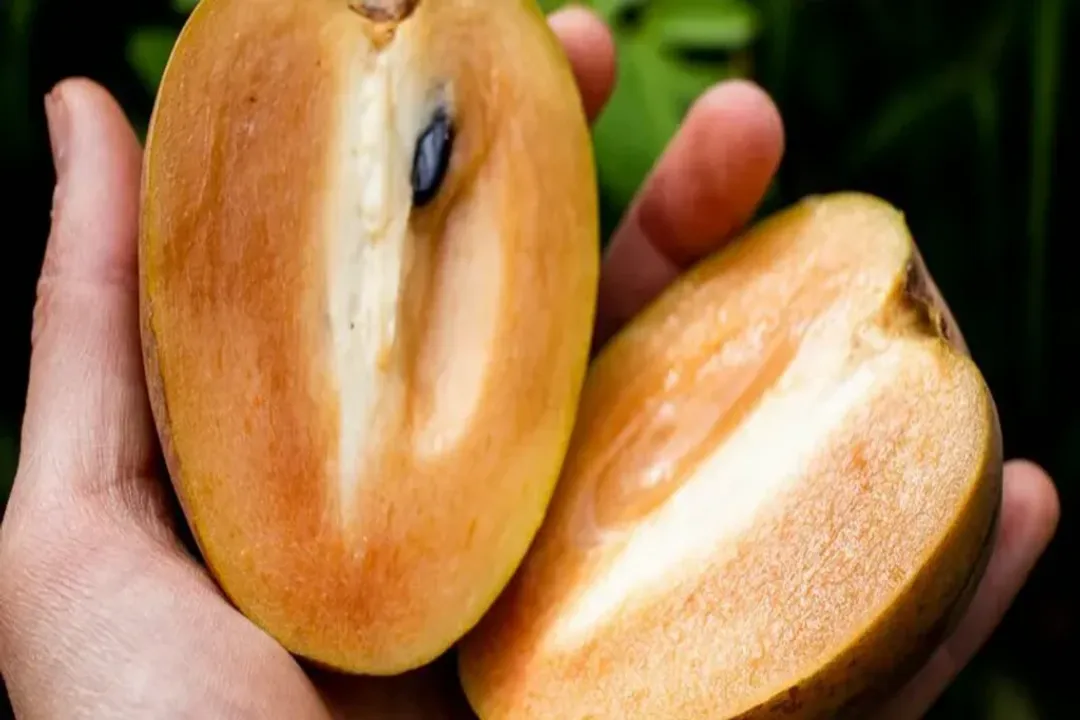
Sapodilla is more than just a sweet snack; it carries a significant load of essential nutrients, positioning it as a valuable addition to a balanced intake. A single medium-sized fruit, roughly 170 grams, typically contains around 140 to 141 calories, which is largely derived from its carbohydrate content. For example, one 100-gram serving provides approximately 83 calories and 20 grams of carbohydrates. Beyond the calories, the fruit excels in providing essential micronutrients and fiber.
Key components that stand out in the nutritional breakdown include Vitamin C, which is crucial for numerous bodily processes, and Copper, vital for blood cell formation. Specific mineral contents noted include around 193 mg of Potassium and 210 mg of Calcium per 100g, alongside smaller amounts of Magnesium and Iron. When looking at larger, 170-gram serving estimates, one piece of fruit can supply roughly 25 milligrams of Vitamin C and significant amounts of Copper (around 16% of the Daily Value).
# Digestive Support
One of the most consistently highlighted benefits of chikoo is its profound impact on the digestive system, largely due to its impressive fiber content. Studies comparing numerous fruits commonly sold in Thai markets found that sapodilla registered the highest fiber content overall. Depending on the source and serving size, this fruit can deliver between 5.3 to 11.5 grams of fiber per 100-gram portion. This high concentration of fiber is critical, as most people fall short of the recommended daily intake of 21 to 38 grams. The fiber acts as a bulking agent, aiding in regularity and supporting the growth of beneficial gut bacteria, which helps mitigate issues like constipation, gastritis, and irritable bowel syndrome. Furthermore, certain plant chemicals within the fruit, like flavonoids, have been suggested to offer protective effects against diarrhea and gastric ulcers. Beyond mere bulk, the presence of compounds is thought to assist in regulating metabolism and keeping the digestive tract clean, which is beneficial for overall waste elimination.
This concentration of dietary fiber means that including just one or two medium sapodillas daily can significantly contribute toward meeting daily recommendations, offering a tasty way to reduce the risk factors associated with low fiber intake, such as cardiovascular disease and Type 2 diabetes.
# Antioxidant Power
The health-promoting qualities of sapodilla extend into its complex array of bioactive compounds, chief among them being antioxidants. The fruit extracts have been shown in laboratory settings to contain over ten different compounds exhibiting antioxidant activity, including polyphenols such as tannins, flavonoids, and phenolic acids like gallic acid and quercetin. These compounds function by neutralizing free radicals—unstable molecules created naturally during metabolism or introduced through external factors like pollution—which cause oxidative damage linked to chronic illnesses.
Scientific reviews indicate that high intake of polyphenols may correlate with a reduced risk of several chronic conditions, including heart disease and diabetes. More interestingly, research has even suggested an inverse association between higher polyphenol intake and biological aging, which refers to the underlying cellular aging processes that predict mortality risk, distinct from simply chronological age. This protective effect stems from the potent anti-inflammatory and antioxidant actions of these compounds, safeguarding cells from damage that accelerates aging. For instance, specific phenolic compounds isolated from the fruit, such as methyl-4-O-galloylchrologenate, have shown potent antioxidant capacity in DPPH assays. The fact that various parts of the tree—pulp, peel, leaves, and bark—contain these beneficial substances, though in differing concentrations, underscores the richness of Manilkara zapota as a source material.
# Potential Systemic Effects
The scientific exploration into chicozapote reveals potential benefits across several major body systems, primarily attributed to its dense phytochemical profile.
# Anti-Inflammatory and Immune Modulation
The fruit's components demonstrate noteworthy anti-inflammatory capabilities in research models. This effect is partially linked to flavonoids like quercetin, which can interfere with key inflammatory pathways, such as inhibiting the expression of enzymes like COX-2 and iNOS, which are central to inflammatory responses. Furthermore, Vitamin C and antioxidants present in the fruit are recognized for their role in bolstering the body’s defense mechanisms, helping the system fight off viruses and bacteria. Tannins, another group of compounds found in sapodilla, are noted for their general anti-inflammatory and antibacterial qualities, potentially helping with conditions like enteritis and gastritis.
# Metabolic Management
For those concerned with blood sugar and fat levels, rodent studies suggest a positive influence from sapodilla consumption. Certain extracts have shown the capacity to lower blood fat and blood sugar levels in treated animals. This is theoretically supported by the fruit’s high fiber content, which generally aids in moderating blood sugar spikes, and by specific polyphenols, like gallic acid, which have been linked to suppressing dyslipidemia (abnormal fat levels) in other studies. Moreover, research into the fruit’s activity against the enzyme alpha-glucosidase—which breaks down carbohydrates into absorbable glucose—has shown significant inhibitory effects from various extracts, pointing toward a potential role in managing Type 2 diabetes.
# Cytotoxic Research
In preclinical studies focused on disease prevention, extracts from different parts of the tree, including the fruit, leaves, and bark, have exhibited cytotoxic activity against several human cancer cell lines in laboratory tests. Specific phenolic antioxidants found in the fruit have shown the ability to induce apoptosis (programmed cell death) in colon and other cancer lines. While these findings are compelling, it is crucial to remember that these are in vitro or animal model results, and they do not translate directly into a guaranteed human cancer treatment or prevention method from simply eating the fresh fruit.
# Bone Strength
Maintaining skeletal integrity relies on adequate intake of several key minerals, and chikoo provides a foundational mix that supports bone health. The fruit is a source of copper, iron, phosphorus, and calcium. Because copper deficiency is associated with conditions like osteoporosis, ensuring adequate intake of copper-rich foods, such as sapodilla, is important for maintaining the strength of bones, muscles, and associated tissues.
# Skin Health
The components that make sapodilla a strong antioxidant also offer direct benefits for skin maintenance and appearance. The presence of Vitamin C is essential for the synthesis of collagen, the structural protein that maintains skin elasticity and firmness. Furthermore, the fruit’s combination of polyphenols and antioxidants is linked to reducing visible signs of aging. Interestingly, specialized laboratory research has looked at the extract’s ability to inhibit enzymes like collagenase and elastase, which are involved in breaking down skin structure, with one study noting a particularly strong anti-elastase effect in the fruit extract compared to standards.
# Cautions & Safety
While the pulp of the sapodilla fruit is generally considered safe for consumption, particularly when eaten ripe, there are important caveats to note, especially concerning seeds and moderation.
First, never consume the seeds. Sapodilla seeds, which can be flat and black, possess a hook-like protrusion that poses a choking hazard if swallowed. More critically, older research indicates that these seeds contain compounds called saponin and sapotinin, which can induce severe abdominal pain and vomiting if more than about six seeds are consumed.
Second, although rare, some individuals may have an allergy to sapodilla, which could potentially lead to reactions like anaphylaxis.
Third, due to the fruit’s natural sweetness and high carbohydrate content, diabetics must exercise caution, as excessive intake may cause rapid spikes in blood sugar levels due to a relatively high Glycemic Index. Even for non-diabetic individuals, recognizing this natural sugar content is key to balanced consumption. A simple way to modulate potential rapid energy spikes, especially for those without diabetes, is to consume it as part of a balanced snack rather than on its own as a standalone sweet treat; pairing it with a small amount of healthy fat, like a few nuts, can further slow sugar absorption. Moderation is repeatedly stressed to avoid gastrointestinal discomfort such as gas or diarrhea from overconsumption. The best time to enjoy this fruit, according to some advice, is around lunchtime or evening to take advantage of the fiber content for blood sugar moderation.
# Serving and Ripeness
Finding the right moment to eat sapodilla is as important as what you eat it with. You can generally check for ripeness by gently pressing the smooth, brown skin—it should yield slightly without being mushy. Unripe fruit is hard and astringent due to the presence of latex, which is absorbed as it ripens.
When ripe, the fruit is best enjoyed simply by cutting it in half and scooping out the sweet flesh. However, its unique flavor profile allows for versatile culinary applications. The mashed pulp can be incorporated into smoothies, blended with milk and sweetener, or added to baked goods like cakes, pancakes, and breads. For preservation or other uses, it can be processed into jams, jellies, syrups, or even wine. Storing unripe fruit at room temperature aids in ripening, while ripe fruit should be refrigerated to slow down its naturally fast spoilage rate. The fact that it is highly perishable means that processing it into value-added products like jams or fruit bars is a common preservation strategy where it is grown.
Related Questions
#Citations
What Are the Health Benefits of Sapodillas? - WebMD
Chiku Fruit: Benefits, Nutritional Value, and More! - Redcliffe Labs
Sapodilla: Nutrition, Health Benefits, and More - Healthline
Manilkara zapota “chicozapote” as a fruit source of health-beneficial ...
What Are the Benefits of Sapodilla? - Vinmec