Health Benefits of Momordica fruit

This knobbly, ridged, green fruit, known by many names across the globe—bitter melon, bitter gourd, karela, or Momordica charantia—holds a revered spot in traditional medicine systems and kitchens alike. Its intense, assertive flavor is certainly not for everyone, but that very bitterness is often cited as the indicator of its potent medicinal qualities. For centuries, cultures from Asia to Africa have relied on this vegetable, recognizing its therapeutic potential long before modern science began to examine its components. While it is botanically a fruit, it is almost universally treated as a vegetable in culinary applications, prized for its unique contribution to savory dishes.
# Nutritional Density
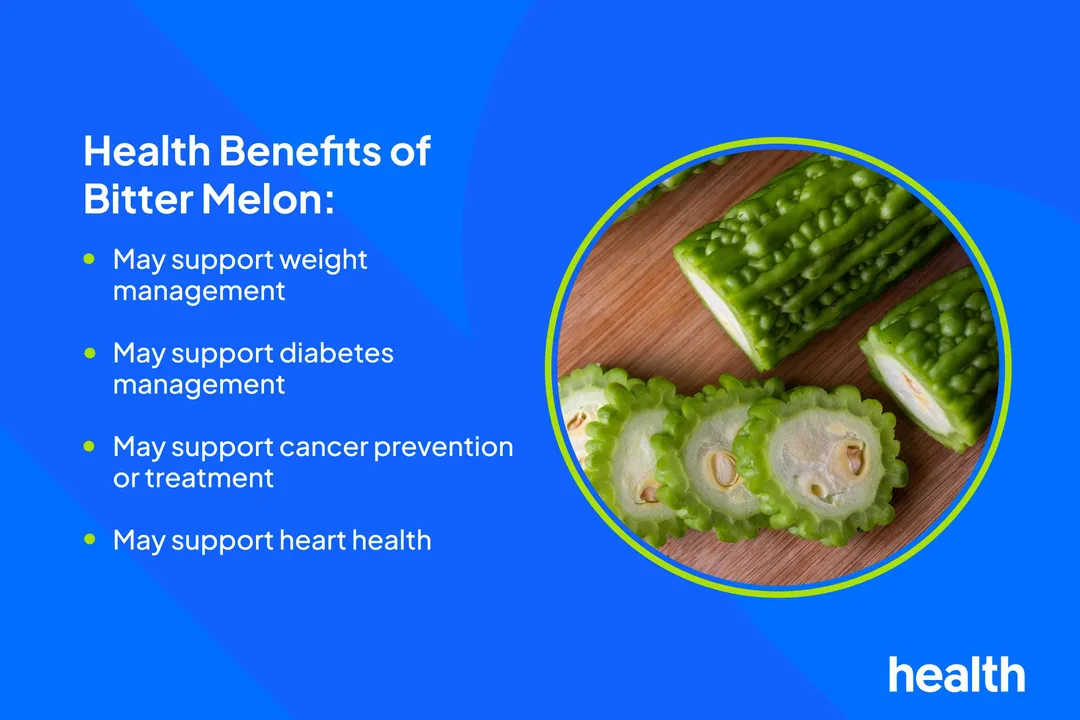
Digging into the composition of bitter melon reveals why it has sustained interest across various medical practices. It is remarkably low in calories, making it a favorable addition to weight management diets. Despite being predominantly water, it packs a considerable punch of essential micronutrients. For instance, it is a good source of Vitamin C, a vital nutrient for immune function and skin health. Furthermore, it provides significant amounts of Vitamin A, important for vision, and various B vitamins, including folate, which is crucial for cell growth and function.
Mineral content is also noteworthy. Bitter melon supplies potassium, important for blood pressure regulation, along with copper and zinc, which support numerous enzymatic processes in the body. Beyond the standard vitamins and minerals, the fruit contains a variety of unique bioactive compounds that scientists are actively investigating for their health-promoting effects. These include flavonoids, phenolic compounds, and glycosides, which are often responsible for the plant’s bitter taste and perceived therapeutic actions.
# Blood Sugar Support

Perhaps the most widely studied and touted benefit of Momordica charantia relates to its ability to help manage blood glucose levels. This is particularly relevant for individuals concerned about prediabetes or those already managing diabetes. The fruit contains several compounds believed to possess hypoglycemic (blood sugar-lowering) effects.
One key component often highlighted is charantin, which has been shown in some studies to help lower blood sugar. Another important substance is polypeptide-p, sometimes referred to as plant insulin, due to its structural and functional similarities to human insulin. This plant-derived compound may help transport glucose into cells, effectively reducing the amount circulating in the bloodstream. Other compounds like vicine and diosgenin also contribute to this effect through various proposed mechanisms, such as enhancing glucose utilization by tissues or inhibiting glucose production in the liver.
It is important to recognize that while promising, the research in this area often involves extracts or isolated compounds, and the effect seen in controlled lab settings may differ from consuming the whole fruit. For anyone considering bitter melon as a supplement or dietary addition for blood sugar control, regular monitoring and consultation with a healthcare provider are essential, as its effects can potentially amplify prescribed medications.

# Powerful Antioxidant Activity
Oxidative stress, caused by an imbalance between free radicals and antioxidants in the body, is implicated in the development of many chronic diseases, including heart disease and certain cancers. Bitter melon is rich in powerful antioxidants that work to neutralize these damaging free radicals.
The presence of Vitamin C is a direct contributor to this protective capacity, but the fruit also contains high levels of carotenoids and phenolic acids. These compounds contribute to the fruit's overall ability to reduce cellular damage. When you eat bitter melon, you are introducing a complex mixture of these protective agents into your system, offering a broad defense against oxidative harm rather than relying on a single antioxidant. This broad-spectrum scavenging ability is a significant aspect of its health appeal.
# Digestive Wellness
Traditionally, bitter melon has been used as a digestive aid, often consumed before meals to stimulate the appetite or after meals to soothe the stomach. Its slightly bitter nature is believed to promote the secretion of digestive juices, such as bile and gastric juices, which aids in the efficient breakdown and absorption of food.
In Ayurvedic practice, bitter gourd (karela) is sometimes associated with balancing the three doshas (Vata, Pitta, and Kapha), often specifically relating to its sharp, bitter qualities affecting Pitta. The high fiber content, though modest compared to some other vegetables, also supports gut health by promoting regular bowel movements and adding bulk to stool, thereby preventing constipation.

# Skin Health and Detoxification
The benefits of bitter melon extend to external health, particularly concerning the skin. Due to its antioxidant and anti-inflammatory properties, consuming the fruit may help in managing various skin conditions. Its traditional use as a blood purifier, often linked to its supposed detoxification effects, is sometimes connected to clearing up skin issues like acne or eczema.
The high levels of Vitamin A and C are particularly relevant here. Vitamin C is a known co-factor in collagen production, essential for skin elasticity, while Vitamin A supports cell turnover and repair. When considering its application for the skin, it’s interesting to note that while consuming it offers systemic benefits, topical applications derived from its juice or paste have also been explored in folk remedies for wound healing, though scientific support for topical use might be less established than for ingestion.
# Enhancing the Culinary Experience
One of the biggest hurdles for incorporating this powerhouse vegetable into a regular diet is its intense bitterness. Simply boiling or steaming it might not remove enough of the sharp edge for many palates. A practical tip for incorporating it more regularly involves a technique often employed in South Asian cooking: salting and rinsing. After slicing the bitter melon, toss the pieces liberally with salt and let them sit for 20–30 minutes. The salt draws out some of the bitter juices. After this time, squeeze the liquid out thoroughly—you might be surprised by how much liquid is expelled—and rinse the pieces well before cooking. This preliminary step significantly mellows the flavor profile, making it more amenable to stir-fries, curries, or even baking chips, allowing you to reap the nutritional rewards more consistently.
Furthermore, the way you cook it impacts the nutrient profile. While high-heat deep-frying might make it taste appealing, it adds considerable fat and calories, offsetting some of the fruit’s inherent low-calorie benefit. If you are seeking the purest health benefits, quick sautéing or incorporating it into soups and stews where it can release its flavor slowly without excessive oil is preferable.

# Immunity and Liver Function
Beyond direct defense against free radicals, the compounds within bitter melon are thought to contribute to overall immune system strength. Its rich Vitamin C content is a foundational element for immune defense, supporting white blood cell function.
In Ayurvedic and traditional Chinese medicine contexts, there is a long history associating bitter gourd with liver support. While specific mechanisms require more study, the general concept is that bitter substances help stimulate cleansing and detoxification processes within the body, with the liver being the central organ for this activity. Some research suggests that certain extracts might protect liver cells from damage caused by toxins, supporting its role as a general health tonic.
# Comparison of Bioactive Compounds
When reviewing the scientific literature, it becomes clear that the fruit's efficacy is not due to one single magic bullet but rather a synergy of active ingredients. To illustrate the complexity, consider a comparison of a few key components often isolated for study:
| Compound Group | Primary Reported Action | Source Association |
|---|---|---|
| Polypeptide-p | Mimics insulin activity; lowers blood glucose | |
| Charantin | Contributes to hypoglycemic effects | |
| Flavonoids/Phenolics | High antioxidant capacity | |
| Vicine/Diosgenin | Various metabolic support roles |
This array of compounds means that bitter melon provides multifaceted support—it manages sugar, fights cell damage, and aids digestion simultaneously. It’s this combinatorial effect that makes the whole fruit potentially more beneficial than a single isolated supplement, although standardized extracts are often used in clinical trials for consistency.
# Considerations for Consumption and Preparation
While generally regarded as safe when consumed as food, it is crucial to approach bitter melon—especially in concentrated extract or supplement form—with an awareness of its potency. Due to its powerful blood sugar-lowering effects, people who are already taking diabetes medication must be especially cautious. There is a potential for hypoglycemia if the fruit or extract is combined with prescription drugs without dosage adjustment.
Additionally, while the McGill source reminds us that taste perception is subjective and that sometimes we must confront a strong flavor to gain a benefit, the bitterness can sometimes be associated with mild gastrointestinal upset, like diarrhea, particularly when consumed in large amounts or in concentrated forms. Pregnant women are often advised to exercise caution or avoid bitter melon altogether, as some traditional uses point toward uterine stimulation, though clear scientific consensus on dosage risk is still developing.
For the average person looking to make this an occasional addition to their diet, think of it as you might think of coffee or very dark chocolate—a substance with an acquired taste that offers proven health advantages. Instead of viewing the bitterness as a flaw, reframe it as the functional signature of the vegetable. When preparing it for the first time, aim for a 50/50 mix with a milder vegetable, like zucchini or bell peppers, to ease your palate into the intensity. This gradual introduction can build tolerance while still delivering substantial nutritional value to your meal.
# Concluding Thoughts on Momordica
The enduring popularity of Momordica charantia across diverse global health traditions is a testament to its perceived efficacy. From providing essential vitamins and minerals to exerting notable effects on metabolic processes like blood sugar regulation, it presents a compelling case for inclusion in a health-conscious diet. The wealth of active components suggests a synergistic action that benefits everything from the gut lining to cellular defense mechanisms. Respecting its potency, understanding how to mitigate its challenging flavor through simple preparation techniques, and always consulting with a medical professional regarding its use alongside medications are the keys to safely unlocking the health rewards this unique fruit offers. Its status as a functional food, bridging the gap between vegetable and medicine, remains firmly established.
Related Questions
#Citations
6 Benefits of Bitter Melon (Bitter Gourd) and its Extract - Healthline
6 Health Benefits of Bitter Melon and How To Enjoy It
4 Benefits of Bitter Melon - Health Cleveland Clinic
Promise of bitter melon (Momordica charantia) bioactives in cancer ...
Bitter Gourd: Health Benefits, Nutrition, and Uses - WebMD
Health Benefits of Bitter Melon, Do Not Underestimate It!
A Taste of Bitter Melon | Office for Science and Society
Karela (Bitter Gourd): Uses, Benefits, Side Effects and More!
Momordica charantia L.: Functional Health Benefits and Uses in the ...