Health Benefits of Star fruit

The carambola, commonly known as star fruit due to its distinctive five-pointed cross-section, offers a taste experience that ranges from subtly sweet to sharply tart, depending on its ripeness. This tropical fruit is visually appealing, making it a frequent garnish, but its appeal runs deeper than just aesthetics; it packs a notable nutritional profile that contributes positively to overall well-being. Incorporating this fruit into one's regular diet, provided there are no contraindications, can be a flavorful way to boost intake of essential vitamins and dietary fiber.
# Key Nutrients
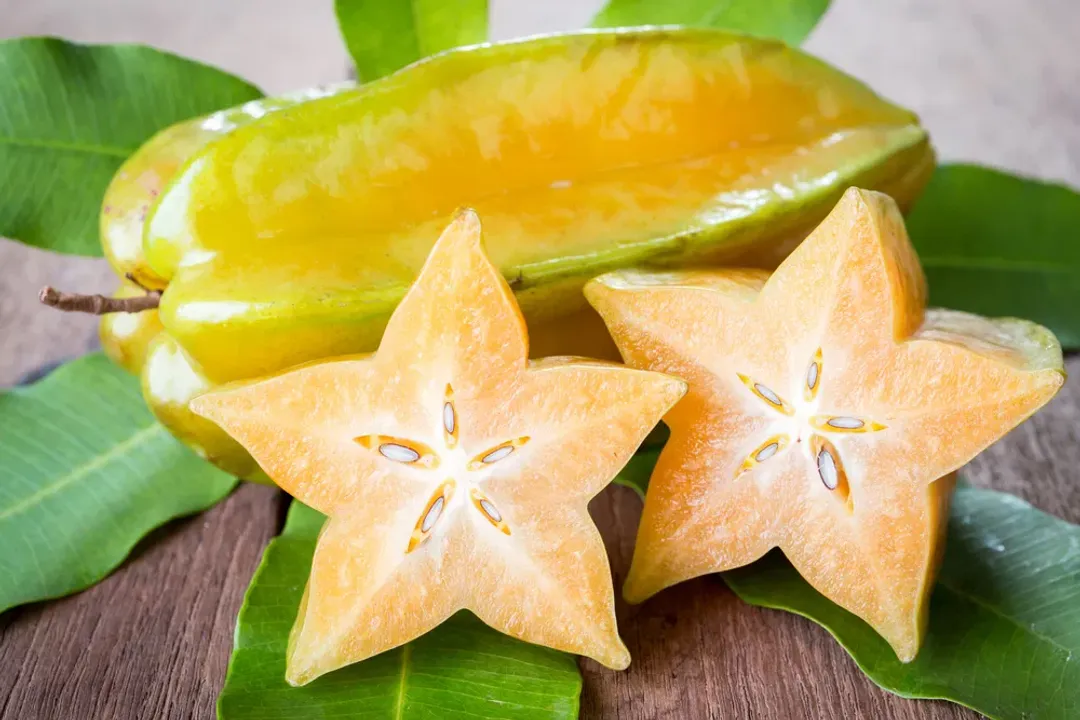
Star fruit is relatively low in calories, making it an excellent addition for those managing weight or seeking nutrient-dense options without excess energy. A single cup of sliced star fruit contains approximately 40 calories. The bulk of its nutritional value comes from its impressive content of Vitamin C, dietary fiber, and several important B vitamins.
One of the fruit's strongest suits is its Vitamin C concentration. This essential nutrient acts as an antioxidant, supports immune function, and is necessary for the growth and repair of tissues throughout the body. Furthermore, the fruit contains significant amounts of folate (Vitamin B9) and smaller amounts of Vitamin B6, which are important for metabolic functions and red blood cell production.
While not exceptionally high in many minerals, star fruit does offer some potassium, a mineral vital for balancing fluid levels and supporting healthy blood pressure regulation.
To better understand its composition, here is a general overview of what a standard serving might provide, keeping in mind that specific values can vary based on the fruit’s size and ripeness:
| Nutrient Category | Primary Component | Key Function Notes |
|---|---|---|
| Vitamins | Vitamin C | Immune support, antioxidant protection |
| Vitamins | Folate (B9) | Cell division and synthesis |
| Fiber | Dietary Fiber | Digestive regularity, cholesterol management |
| Water Content | High | Hydration |
| Calories | Low | Supports weight management efforts |
When comparing it briefly to more common citrus fruits, star fruit often provides a comparable or slightly lower punch of Vitamin C per serving, but it stands out for its fiber density relative to its very low caloric load.
# Antioxidant Activity

Beyond the well-known benefits of Vitamin C, star fruit contains a variety of other beneficial compounds, specifically polyphenols. Polyphenols are plant-based compounds that act as powerful antioxidants, helping to mitigate oxidative stress in the body. Oxidative stress, caused by an imbalance of free radicals, is associated with the development of chronic diseases, so dietary sources rich in these compounds are beneficial.
The phenolic compounds in star fruit have been studied for their ability to scavenge free radicals. This means that eating star fruit contributes to the body's defense system against cellular damage, which supports long-term health and vitality. If you are looking to increase your intake of diverse plant compounds rather than just focusing on one vitamin, the mix of antioxidants present in carambola makes it a solid choice.

# Gut Function

The contribution of star fruit to digestive health stems from its dual presence of fiber and high water content. A good intake of dietary fiber is foundational for maintaining regular bowel movements and preventing constipation. The fiber in star fruit, much like in other fruits, helps to add bulk to stool and supports a healthy gut microbiome.
The fruit’s substantial water content further aids this process, ensuring that the digestive tract remains lubricated and that fiber can move through the system efficiently. For anyone tracking their daily intake, knowing that a moderate serving contributes meaningfully toward daily fiber goals without adding excessive sugar or calories is a practical advantage. A simple way to check your progress is to aim for the fruit to be part of one of your daily five servings of fruits and vegetables, especially if you are finding it challenging to hit the recommended fiber benchmarks of about 25 to 30 grams per day.
# Heart Health Factors
There are two primary ways star fruit appears to support cardiovascular function based on its mineral and fiber makeup: managing blood pressure and moderating cholesterol levels.
# Blood Pressure Regulation
The presence of potassium is key here. Potassium is a crucial electrolyte that works to counteract the effects of sodium in the body. By helping the body excrete excess sodium through urine, adequate potassium intake can help relax the walls of blood vessels, which subsequently assists in lowering high blood pressure. Given that maintaining healthy blood pressure is fundamental to reducing the strain on the heart and arteries, consuming potassium-rich foods like star fruit supports this mechanism.
# Cholesterol Influence
The fiber content, particularly soluble fiber, plays a role in managing cholesterol. Soluble fiber can bind to cholesterol particles in the digestive system, preventing their absorption into the bloodstream. While star fruit is not typically touted as a primary cholesterol-lowering food like oats or certain beans, its inclusion contributes positively to the overall daily fiber quota, which in turn supports healthier lipid profiles.

# Culinary Uses and Flavor Integration
The distinctive flavor profile of star fruit, which can lean towards being acidic or sweet, offers unique possibilities in the kitchen that go beyond simply slicing it for a snack. When fully ripe, the fruit is milder, allowing its subtle sweetness to shine. When slightly underripe, the pronounced tartness can be surprisingly effective.
For example, instead of reaching for lemon or lime to brighten a dish, try using slices of tart star fruit. Its juice offers a different aromatic quality that pairs wonderfully with lighter fish preparations or as a sharp, refreshing counterpoint in a tropical salsa. Furthermore, because it retains its shape so well when sliced, it makes an excellent, edible garnish that signals the tropical nature of the dish without dissolving like some other fruits might. Consider macerating thin slices of the ripe fruit in a light syrup made with ginger and mint as a unique, low-sugar dessert topping.
# Navigating Kidney Risk
The most critical piece of information regarding star fruit consumption centers on its potential danger for individuals with compromised kidney function. This warning is non-negotiable and applies even to people who consume seemingly small amounts.
Star fruit contains a potent neurotoxin called caramboxin. In healthy individuals, the kidneys are highly efficient at filtering this compound out of the bloodstream, rendering it harmless. However, when kidney function is impaired, caramboxin accumulates to toxic levels. This accumulation can lead to severe symptoms, including hiccups, confusion, vomiting, and even seizures or death.
Furthermore, the fruit is high in oxalic acid. For those susceptible to calcium oxalate kidney stones, the high oxalate load from star fruit can precipitate the formation or worsening of these painful stones.
Because of this severe risk associated with caramboxin accumulation, anyone with chronic kidney disease (CKD), or those on dialysis, must strictly avoid consuming star fruit and its juices entirely. Even a single fruit can be dangerous for a susceptible person. It is essential to consult a nephrologist or healthcare provider before introducing star fruit into the diet if there is any history of kidney impairment.

# Maximizing Intake Safely
For the healthy majority, enjoying star fruit means selecting the right one and understanding optimal storage. Look for fruits that are bright yellow, possibly with slight green undertones, but avoid ones with dark brown spots, which usually indicate overripeness or potential spoilage. The ridges should feel firm.
A helpful comparison for shoppers might be to view star fruit as less versatile for cooking than, say, pineapple, due to its delicate texture when heated, but more versatile for salad inclusions than a very watery melon, due to its satisfying crunch.
If you purchase a batch that is slightly too tart for immediate eating, allow them to sit at room temperature for a few days; they will soften and sweeten slightly, increasing their sugar content marginally but making them much more palatable for raw consumption. Never refrigerate them until they are fully ripe, as this can halt the ripening process prematurely.
To ensure you are getting the most benefit without overdoing the natural sugars, treat star fruit as you would any other fruit: aim for variety in your diet rather than relying on one source for all your nutrient needs. Its uniqueness should be seen as an addition to, not a replacement for, staples like apples or berries.
Related Questions
#Citations
Star Fruit: Benefits, Risks, and How to Eat It - Healthline
Star Fruit: Nutrition and Health Benefits - WebMD
[PDF] Health Benefits of Starfruit
Star Fruit (Carambola) Benefits For High Blood Pressure & Cholesterol
Nutritional and medicinal properties of Star fruit (Averrhoa carambola)
3 Benefits of Star Fruit, Plus Facts and Nutrition - Health
Star Fruits: Benefits, Side Effects and How to Eat It | Fitterfly
6 Star Fruit Benefits and Why It's Not Right for Everyone
Star Fruit: 6 Health Benefits, How to Eat & Recipes - Tua Saúde
Health Benefits: of STARFRUIT 1. The star fruit is a literal one-stop ...