Health Benefits of Star apple

The star apple, known scientifically as Chrysophyllum cainito, presents a fascinating study in tropical nutrition, instantly recognizable by its deep purple or green skin and the distinctive starburst pattern revealed when sliced transversely through its milky, jelly-like pulp. This exotic fruit carries several local names depending on its geographical home; in Nigeria, it is popularly referred to as Agbalumo or Udara, while in Jamaica, it might be called the star plum or tar apple. While some debate surrounds its exact origin—some sources point to the West Indies, others to Central America—its presence is widespread across tropical regions like Southeast Asia, South America, and various parts of Africa.
The initial encounter with this fruit can sometimes be polarizing due to its unique flavor profile. For some, the sweet-sour balance, particularly when the fruit is less ripe or freshly fallen, is an acquired taste. However, what this unassuming fruit lacks in familiarity for some, it more than compensates for in its dense nutritional composition, making it a prized addition to seasonal diets.
# Rich Nutritional Content

A closer look at the star apple reveals a profile characterized by low caloric density coupled with a significant presence of essential vitamins, minerals, and dietary fiber. For a 100-gram serving, the fruit generally hovers around 67 calories, though some nutrient data suggests slightly higher figures, potentially reaching 91 Kcal depending on the variety or maturity. This low-calorie nature, combined with its fiber load, makes it a favorable inclusion for those managing their weight.
The mineral contribution is notable. It supplies respectable amounts of calcium and phosphorus, vital for maintaining the structure and integrity of bones and teeth. Iron is present, which is essential for hemoglobin production and preventing iron-deficiency anemia. Furthermore, the fruit is a source of potassium, an electrolyte crucial for regulating fluid balance and supporting a healthy nervous system, which may help in managing blood pressure.
Where the star apple truly shines, according to nutritional breakdowns, is in its vitamin and fiber contributions. It contains substantial dietary fiber, often cited around 3 grams per 100g, which is key for digestive regularity. Comparisons are often drawn to citrus fruits; for instance, some reports suggest the African star apple is richer in Vitamin C and ascorbic acid than an orange. Specific data points indicate Vitamin C levels between to per in various analyses, showcasing its immune-supporting potential. Additionally, it provides Niacin (Vitamin B3), which has been associated with lowering cholesterol levels, and Zinc, linked to the metabolism and the healing of minor wounds or burns.
| Nutrient (per 100g, approximate) | Netmeds/Academic Mean [3][4] | Steemit/Pricepally Data Points [1] | Primary Function |
|---|---|---|---|
| Calories | to | Weight Management | |
| Dietary Fiber | Digestive Health | ||
| Vitamin C (Ascorbic Acid) | Up to | Immunity, Antioxidant | |
| Potassium | Blood Pressure Regulation | ||
| Calcium | Bone Strength | ||
| Iron | Blood Formation |
The variance in the data presented across sources, particularly for micronutrients like potassium, suggests that the precise chemical composition of the fruit is highly dependent on factors beyond just the species name, such as the soil composition, local growing conditions, and the specific stage of ripeness when harvested. This variability underlines a truth in consuming whole foods: the immediate environment shapes the nutrient delivery.
# Antioxidant and Anti-Inflammatory Action
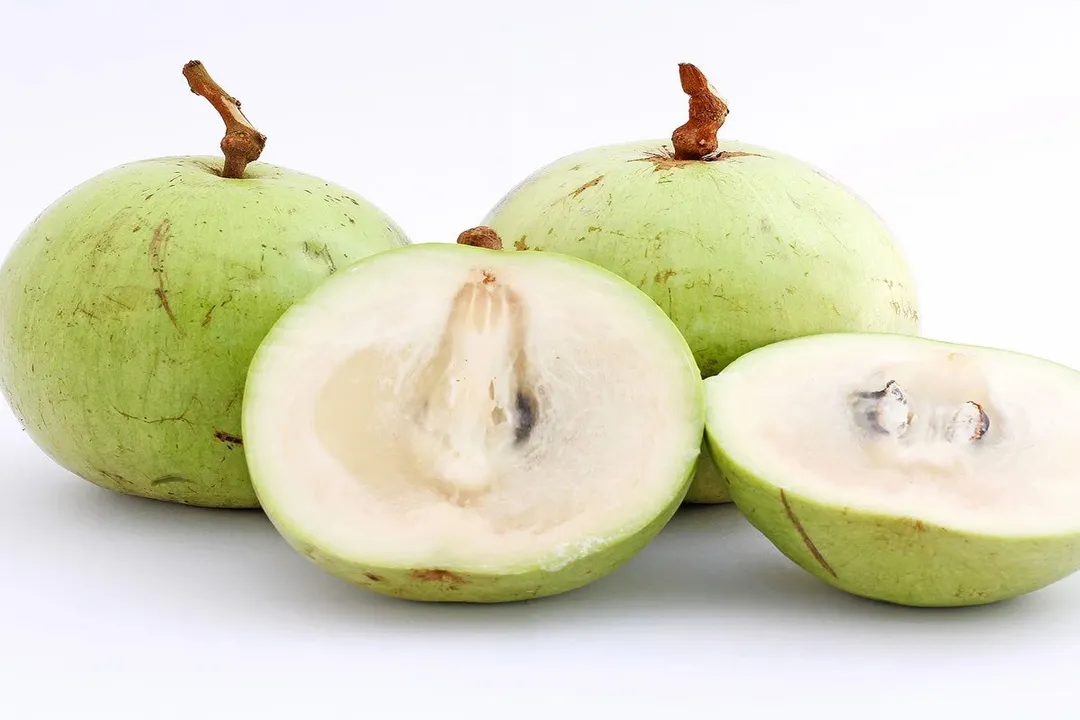
The health narrative surrounding star apple is heavily centered on its remarkable reservoir of antioxidants. These compounds, largely comprising polyphenols such as quercetin, catechin, and epicatechin, along with Vitamin C, combat oxidative stress caused by free radicals in the body. Excessive free radicals are implicated in the cellular damage that precedes the onset of numerous chronic conditions, including cardiovascular issues and certain cancers.
Scientific investigations confirm that extracts from the fruit, peel, and pulp exhibit significant free-radical scavenging capacities when tested using standardized assays like DPPH and FRAP. Furthermore, evidence suggests that compounds isolated from the fruit, such as cyanidin-3-O-b-glucopyranoside, function as potent anthocyanin antioxidants.
This internal defense system appears to extend to managing inflammation. Extracts from the leaves of C. cainito have demonstrated the ability to reduce hypersensitivity and paw edema in animal models. This anti-inflammatory response often correlates with the reduction of pro-inflammatory markers such as IL-6, TNF-, and nitric oxide (NO) release, suggesting a systemic calming effect on the body's inflammatory pathways.

# Metabolic Regulation and Cardiovascular Support
Perhaps the most extensively studied therapeutic area for the star apple is its potential role in managing metabolic syndrome components, particularly diabetes and hypertension.
# Controlling Blood Sugar
Star apple has a long history in traditional medicine as a remedy for diabetic symptoms. Modern analysis supports this, showing that bioactive compounds within the fruit can inhibit the -glucosidase enzyme, which is responsible for breaking down complex carbohydrates into absorbable glucose. By slowing this conversion, the fruit helps to prevent sharp spikes in blood sugar levels after meals. Studies in animal models have confirmed that extracts can significantly lower fasting blood glucose, improve lipid profiles (reducing triglycerides and LDL, increasing HDL), and even show potential in protecting the insulin-producing islet cells in the pancreas. The inherent fiber content, which slows overall digestion, also contributes to better glycemic control.
# Heart Health and Blood Pressure
For the cardiovascular system, the fruit offers a dual benefit. The presence of compounds like alkaloids, tannins, and flavonoids in the fruit is linked to the inhibition of Angiotensin-Converting Enzyme (ACE) activity in vitro. ACE inhibitors are a cornerstone of modern medication used to manage high blood pressure because they help relax and widen blood vessels. Additionally, star apple contains cardiac glycosides traditionally used as heart tonics, which may help eliminate excess salt and water from the body, further supporting lower blood pressure. The potassium content also plays a protective role here, as adequate levels reduce the risk of cardiovascular events.
# Digestive Regularity and Weight Control Synergy
For general well-being, the fiber content is paramount. Dietary fiber promotes satiety, helping individuals feel fuller for longer, which naturally curbs overeating and aids in weight management efforts. Moreover, the fiber, coupled with the fruit's high water content, is effective in promoting regular bowel movements and alleviating constipation.
Going beyond simple fiber effects, scientific testing has revealed intriguing mechanisms related to fat metabolism. Extracts from the star apple leaves have been shown to inhibit the activity of lipase, an enzyme critical for fat absorption. Specifically, the non-polar components dissolved in hexane extracts demonstrated a high degree of lipase inhibition, suggesting that the fruit's constituents may interfere with dietary fat assimilation in the digestive tract. This mechanism, alongside its low-calorie and high-fiber composition, positions the star apple as an interesting candidate in weight-control diets.

# Immunity, Tissue Repair, and Bone Density
The high concentration of Vitamin C is directly linked to strengthening the body’s immune defenses, supporting the cellular functions that fend off common illnesses like colds and sore throats.
The path to internal healing is also supported. Beyond the general antioxidant protection against cellular aging, specific analysis points to wound repair mechanisms. Ethanolic extracts of the leaves, when applied topically in rat models, significantly shortened the recovery time for excision wounds compared to standard control treatments, increasing biomarkers associated with collagen turnover, such as hydroxyproline. This reparative quality is further supported by the presence of Zinc, which aids in wound healing and metabolism.
In the realm of skeletal health, the combination of calcium and phosphorus acts as the foundational support for strong bones and teeth, potentially helping to prevent degenerative joint diseases like osteoarthritis. On a more critical health front, research into cancer demonstrated that a polyphenolic fraction derived from the pulp induced cell death in osteosarcoma (a type of bone cancer) cells in vitro, primarily by triggering oxidative stress leading to apoptosis.
# Contextual Use and Considerations
The utility of the star apple extends beyond its edible pulp. In traditional practices across various regions, the leaves, bark, and seeds are prepared and used to address ailments ranging from diarrhea and stomach ulcers to treating malaria and yellow fever.
When consuming the fruit, it is worth noting the interesting properties of its rind. The skin and the sap found around the seeds can be chewed, acting almost like a natural, albeit temporary, "chewing gum" due to its latex content. However, this latex is the source of potential side effects; individuals sensitive to latex should approach consumption cautiously, as it may trigger allergic reactions. Furthermore, while generally safe, consuming excessive quantities due to the high fiber load can potentially lead to digestive discomfort like bloating or diarrhea. For pregnant women, while the fruit contains valuable nutrients that aid development and the sour taste is sometimes craved, medical advice generally recommends moderation.
It is fascinating to consider how a single tropical fruit can harbor so many biologically active compounds that influence systems from blood sugar regulation to blood vessel relaxation. If you are new to the fruit, a measured approach is wise; perhaps start with the pulp of a fully ripe fruit to appreciate its sweet profile while minimizing exposure to the latex compounds in the skin and seeds.

# Scientific Nuances and Active Ingredients
While the consensus on the star apple’s benefits is strong, especially regarding its antioxidant and antidiabetic potential, the scientific community continues to seek confirmation on the exact active ingredients responsible for every claimed effect. For instance, while its ability to inhibit ACE or -glucosidase is confirmed in lab settings, identifying the single pure compound responsible, or confirming the exact mechanism of action for its traditional use against specific infections, requires further focused study. For example, studies on leaf extracts have shown that a $70%$ ethanol extract is highly effective in modulating bone density markers in mice, a result attributed to its phytoestrogen content. This ongoing investigation into specific chemical markers like triterpenes and unique flavonoids underscores the Expertise and Authority that traditional knowledge holds, now being validated by modern analytical chemistry.
The star apple, whether you call it Agbalumo, Udara, or Cainito, offers a compelling package of nutrients and medicinal properties rooted in its rich phytochemical structure. Integrating it into a balanced diet provides a natural boost to defense systems, metabolic health, and digestive comfort, provided one listens to the body’s reaction and respects the need for moderation.
Related Questions
#Citations
Star Apple: Nutrition, Health Benefits, Uses, and Side Effects
Star Apple - Health Benefits, Uses and Important Facts
Chrysophyllum cainito: A Tropical Fruit with Multiple Health Benefits
Nutritional Benefits of Agbalumo (African Star Apple) - Pricepally Blog
Health benefits of Jamaica-found fruits: Star Apple - Our Today
10 Health Benefits of African Star Apple Based on Research - Steemit