Health Benefits of Cherimoya (Custard Apple)
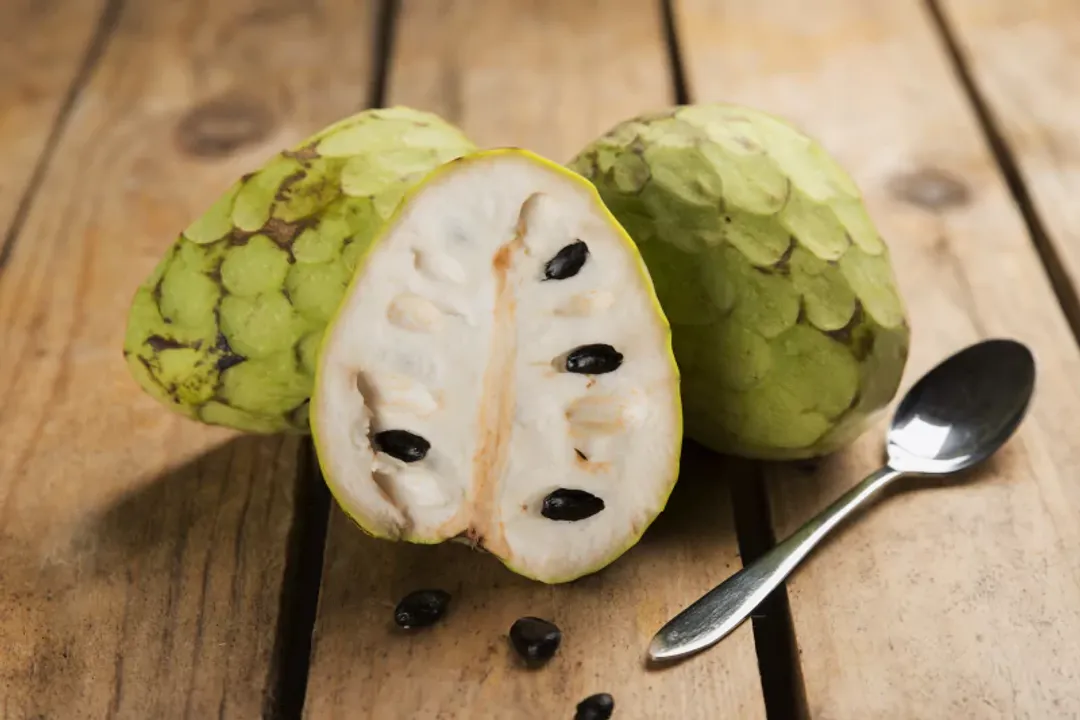
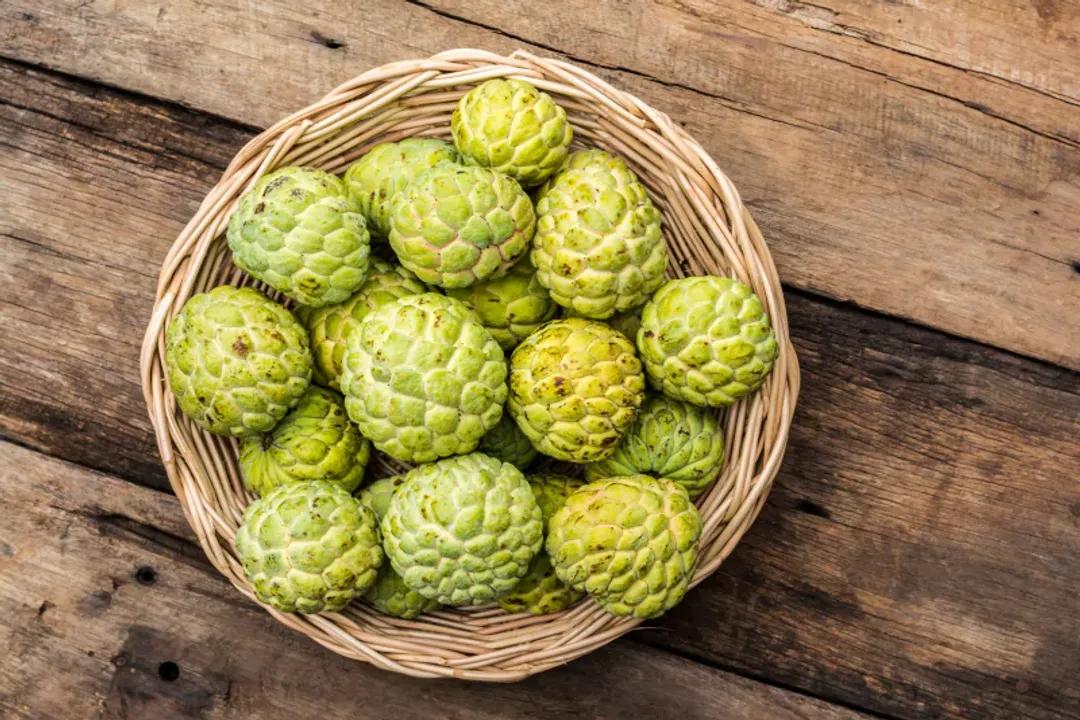
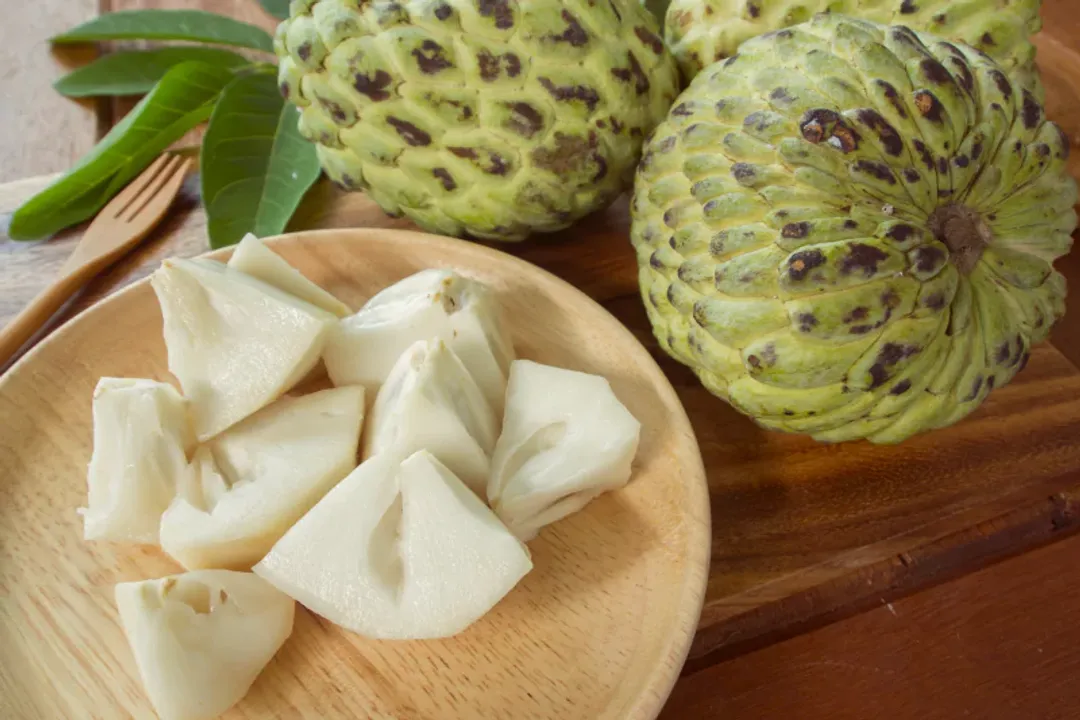
This tropical delight, often referred to by its Spanish name, cherimoya, or its descriptive moniker, the custard apple, offers a surprisingly complex profile of health advantages packed within its unique, green exterior. Though native to the cooler, high-altitude regions of South America, specifically northern Peru and southern Ecuador, this fruit is now cultivated globally in temperate zones, including Spain, which is a major producer, as well as California and parts of the Mediterranean. Its appearance is distinct, often heart-shaped with a scaly, bumpy, leathery skin resembling a pine cone. Cutting into it reveals the treasure: creamy, white flesh that has earned it the name "custard apple" due to its rich, soft texture, sometimes noted as having a slight graininess. The flavor is famously sweet, prompting Mark Twain to call it the most delicious fruit known to man; descriptions often merge tastes like pineapple, banana pudding, and pear. However, the journey to enjoyment requires caution, as the dark seeds and the skin are inedible and potentially harmful.
# Exotic Flavor
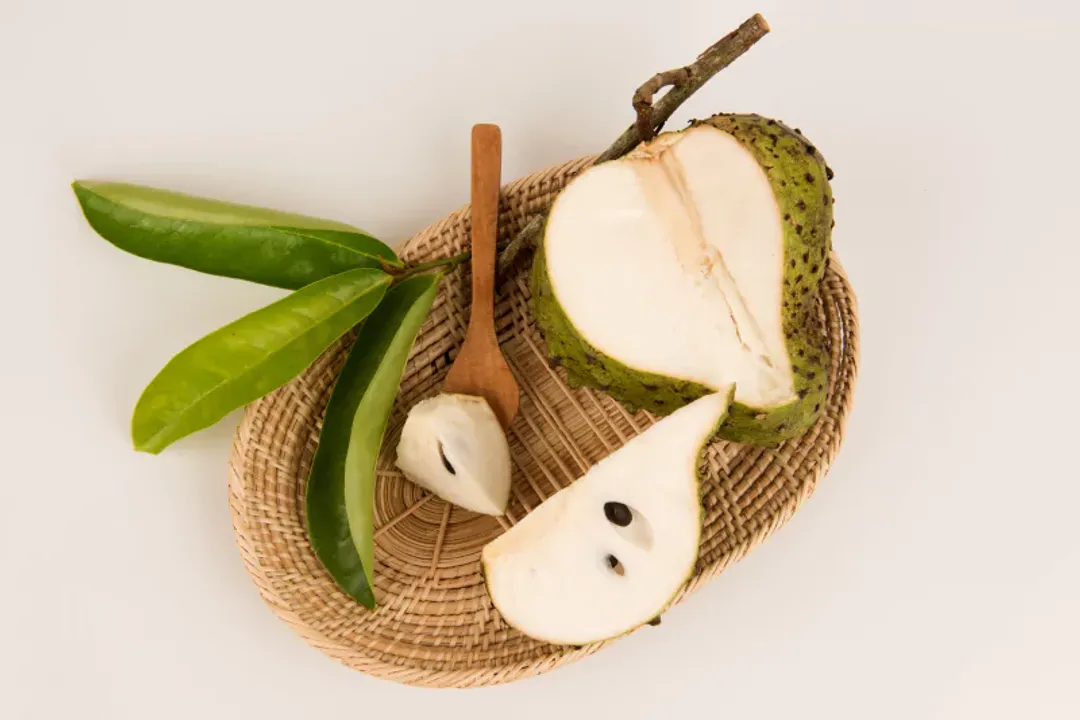
While the Annona cherimola is widely enjoyed, it is important to note the subtle naming conventions surrounding related species. Although cherimoya is often called a custard apple, this term can also refer to Annona reticulata, a fruit in the same plant family that has a tart flavor. The cherimoya flesh itself is lauded for its sweet profile, a desirable trait for those looking to add excitement to their fruit intake. Its appeal is historical, with parts of the fruit being used in traditional medicine for ailments ranging from stomach issues to skin disorders.
# Nutrient Profile

Cherimoya is far more than just a sweet indulgence; it is a nutrient-dense package, providing essential vitamins, minerals, and beneficial compounds alongside its carbohydrate and sugar content. For instance, a single fresh cherimoya fruit provides roughly 176 calories, containing about 3.69 grams of protein and only 1.6 grams of fat. This fruit is noted for its significant fiber, clocking in around 7 grams per whole fruit, which contributes substantially toward the recommended daily intake. In terms of specific micronutrients, it stands out for its mineral content, notably potassium and magnesium. Furthermore, it is a significant source of Vitamin C, with one fruit delivering approximately 32% of the recommended daily intake. Other vitamins present include various B vitamins such as B6 (pyridoxine), folate (B9), riboflavin, thiamin, and niacin, alongside minerals like iron, zinc, phosphorus, and calcium. It is worth noting that different measurement standards yield slightly varied figures; for example, one source lists 100 grams as containing 94 calories and 4.4 grams of fiber, while another indicates a cup (160 grams) contains 176 calories and 7 grams of fiber, illustrating how the preparation method (pulp only vs. slight variations in estimation) affects the data presented.
# Heart Support
The presence of key minerals makes cherimoya a beneficial component for maintaining cardiovascular health, particularly concerning blood pressure regulation. Both potassium and magnesium are known to encourage the dilation of blood vessels, a mechanism that helps relax the circulatory system and thereby lower blood pressure. A single fruit can contribute a substantial amount of potassium, with one report citing 674 milligrams. Adequate magnesium intake has shown an inverse relationship with high blood pressure risk in systematic reviews, suggesting that every additional 100 mg daily intake was associated with a 5% lower risk. By supporting relaxed blood flow, these nutrients reduce strains that can lead to heart disease or stroke. Beyond minerals, the fruit’s flavonoids may actively work to stop cardiovascular disease progression, while the fiber content assists by lowering cholesterol.
# Digestive Role
The high dietary fiber content is a major asset for gut health when consuming cherimoya. Since fiber remains largely undigested, it provides the necessary bulk and softness to stool, promoting regular, healthy bowel movements and preventing constipation. Furthermore, the fiber found in fruits like cherimoya is fermentable, which is crucial because this process feeds the beneficial bacteria residing in the digestive tract. These fermentation byproducts, known as short-chain fatty acids (SCFAs), offer protection to the digestive lining, potentially mitigating inflammatory conditions such as Crohn's disease and ulcerative colitis. This dual action—bulking stool and nourishing the microbiome—positions cherimoya as an excellent choice for general digestive optimization.
# Vision Protection
Protecting the structures of the eye is another area where this fruit can offer support, largely due to its concentration of lutein. Lutein is classified as a carotenoid antioxidant, closely related to Vitamin A and beta-carotene, and it is a primary component found within the eye itself. Research consistently links high lutein intake with better overall eye health and a reduced risk profile for developing age-related macular degeneration (AMD), a leading cause of severe vision loss. Beyond AMD, lutein’s anti-inflammatory qualities may also play a role in preventing cataracts, which involve the clouding of the eye’s lens. Consuming lutein-rich foods like cherimoya may even lead to practical improvements, such as reduced sensitivity to bright light, less eye fatigue, and clearer visual acuity.
# Immunity Boost
Like many other tropical fruits, cherimoya is generously supplied with Vitamin C, a nutrient foundational to a strong immune defense. This vitamin is vital for fighting off various infections and diseases and is necessary for maintaining the epithelial barrier that acts as the body’s primary shield against invading pathogens. A deficiency in Vitamin C is directly linked to impaired immunity, so incorporating this fruit helps maintain adequate levels. In addition to the direct immune support from Vitamin C, cherimoya also contains folate (Vitamin B9), which is required for essential bodily processes, including the synthesis of DNA and proteins that keep immune function running smoothly.

# Skin Glow
The benefits of cherimoya extend to external health, offering advantages for the skin through its array of antioxidants. The battle against free radicals—the unstable molecules that cause oxidative stress and premature aging—is aided by compounds like Vitamin C and flavonoids present in the flesh. By neutralizing these radicals, the fruit can help reduce the visible signs of aging, such as sun spots and wrinkles. Furthermore, the Vitamin C content is critical for the body’s production of collagen, the protein responsible for maintaining skin elasticity and firmness. The fruit also contains essential fatty acids that assist in forming a protective barrier on the skin surface, helping to lock in hydration and maintain a soft, supple texture. For those concerned with skin clarity, its natural anti-inflammatory and antibacterial properties may help calm breakouts and reduce the appearance of blemishes.
# Neuro Risk
While the flesh is beneficial, consuming cherimoya requires respect for its inherent chemical profile, particularly the presence of annonacin. This compound, found in high concentrations in the inedible parts (seeds and skin) and in smaller amounts in the pulp, is classified as a neurotoxin. Regular, excessive consumption of the fruit, or inadvertent ingestion of the other parts, has been associated in some reports with an increased risk of developing a type of Parkinson's disease due to negative effects on the central nervous system. The seeds pose an acute danger; they are toxic, and crushing them has led to uses in insecticide creation. Direct contact with the eyes by the seed powder has been known to cause serious issues like severe pain, redness, light sensitivity, and toxic keratitis. For these reasons, consuming the fruit in moderation and ensuring thorough removal of the outer layer and all seeds is paramount for safety.
# Handling Fruit
Selecting a ripe cherimoya involves a gentle assessment: the fruit should feel heavy, possess a dark green hue, and yield slightly under gentle finger pressure, much like an avocado does when ready. If the fruit is purchased too firm, it should be allowed to ripen at room temperature until that subtle softness develops. To ensure a steady supply of this unique treat without overwhelming the digestive system with too much annonacin at once, a smart strategy is to refrigerate the unripened fruit upon arrival; storing them in a single layer in the crisper drawer (ideally between 32-41°F) will pause the ripening process, allowing you to take out one fruit at a time to ripen on the counter as desired. Preparation involves simply slicing the fruit in half, scooping out the creamy interior with a spoon—akin to eating a melon—and ensuring every dark seed is discarded before eating. Beyond eating it raw with a spoon, the pulp blends beautifully into smoothies, enriches yogurt or oatmeal, or can be cubed for use in tropical salsas or desserts.
Related Questions
#Citations
8 Surprising Benefits of Cherimoya (Custard Apple) - Healthline
Health Benefits of Cherimoya - WebMD
8 Surprising Benefits of Cherimoya (Custard Apple) - MedicineNet
Custard Apples: 7 Surprising Health Benefits - Nutrisense Journal
6 custard apple benefits for skin - UpCircle
Health Benefits of Cherimoya - The Joint Chiropractic