Health Benefits of Apple
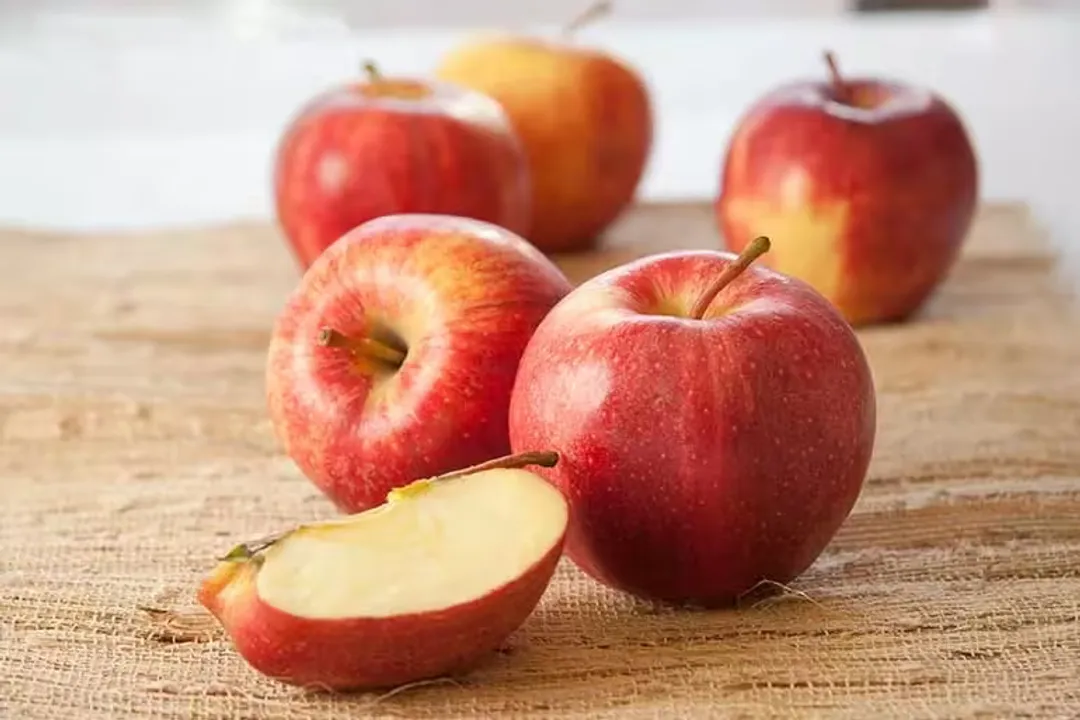
The enduring adage, "An apple a day keeps the doctor away," persists for good reason, positioning this accessible fruit as a cornerstone of daily nutrition across the globe. [1][3] Whether you prefer the tart snap of a Granny Smith or the familiar sweetness of a Gala, the versatility of the apple extends far beyond pies and crisps; it offers a significant array of research-backed health advantages when consumed whole and properly prepared. [1][2][3] To truly harvest this bounty, it is vital to remember that the skin should remain intact, as it harbors half of the fruit’s dietary fiber and the majority of its potent plant compounds. [1][3]
# Nutrient Density
Apples are rightly celebrated as nutrient-dense, meaning a small serving delivers a considerable payload of beneficial compounds relative to their caloric content. [1][3] A medium, three-inch apple, for instance, clocks in at roughly 95 calories and provides about 4.4 grams of dietary fiber. [3] Beyond the macronutrients, apples are significant sources of essential vitamins and minerals, including Vitamin C, potassium, and copper. [3] However, the true strength of the apple lies in its high concentration of polyphenols—a group of antioxidants not typically listed on standard nutrition labels. [1][3] These plant compounds are largely credited with many of the fruit's protective capabilities. [1]
# Heart Health

One of the most consistently supported benefits of regular apple consumption relates to cardiovascular well-being. [1][4] This protection stems from a dual mechanism involving both fiber and polyphenols. [3]
# Pectin Power
The apple contains soluble fiber called pectin, which plays a direct role in managing cholesterol levels. [3][4] Pectin actively binds to cholesterol within the digestive tract, facilitating its removal from the body. [3] Studies involving adults with elevated cholesterol have shown that consuming a few apples daily can lead to measurable reductions in total cholesterol. [3] Furthermore, this fiber content, combined with the fruit’s high water composition (around 85%), contributes significantly to satiety, which is a positive factor in overall weight management efforts. [1][3]
# Circulatory Support
The polyphenols, especially flavonoids found within the apple, contribute to circulatory health by helping to optimize blood flow and reduce blood pressure. [1][3][4] Research has linked high flavonoid intake to a lower incidence of stroke. [1] Specifically, studies have indicated that eating between 100 and 150 grams of whole apples daily is associated with a reduced likelihood of developing heart disease and related risk factors like hypertension. [1]

# Glucose Stability
For those concerned with maintaining steady energy levels or guarding against chronic metabolic conditions, the apple offers tangible support. [1][4] Unlike highly processed, sugary foods that cause sharp glucose spikes, the fiber in apples slows the rate at which sugar is absorbed into the bloodstream, helping to keep blood glucose levels more even. [3] This slowing effect is beneficial because persistently high glucose levels are a major precursor to Type 2 diabetes. [3] Epidemiological reviews have suggested that consistent apple consumption is associated with a decreased risk of developing Type 2 diabetes, with high levels of the polyphenol quercetin hypothesized as a key protective agent. [1][3]
# Gut Defense
The role of apples in digestive health goes beyond simple regularity; they actively support the internal ecosystem of the gut microbiome. [1][3] Pectin, the soluble fiber, is indigestible by human enzymes, allowing it to travel intact to the colon where it serves as a prebiotic—food for beneficial gut bacteria. [1][3] This action is known to beneficially alter the gut microbiota, specifically improving the balance between the two dominant bacterial types, Bacteroidetes and Firmicutes. [1] A healthy, balanced microbiome, nurtured by prebiotics like apple pectin, is increasingly recognized as being linked to protection against a range of systemic issues, including obesity, heart disease, and cancer. [1]

# Cellular and Cognitive Protection
The antioxidant properties concentrated in apples are hypothesized to offer cellular defense mechanisms that may mitigate the risk of serious diseases. [1][4]
# Cancer Research
Apple polyphenols have shown the ability in laboratory settings to inhibit the multiplication of cancerous cells. [1][4] In vitro studies specifically noted that apple extracts inhibited the proliferation of colon and liver cancer cells in a dose-dependent manner, an effect attributed to the unique blend of the fruit’s phytochemicals. [1] This is particularly true for the peel, which contains higher concentrations of bioactive compounds than the flesh alone. [1]
# Brain Maintenance
Oxidative stress—an imbalance in the body's management of free radicals—is implicated in cellular damage, including that affecting the brain and potentially leading to conditions like dementia. [3] Quercetin, a flavonoid abundant in apples, is recognized for its potential to shield brain cells from this oxidative damage. [1][3] While animal studies have suggested preventive properties against Alzheimer’s disease based on quercetin, researchers stress that more direct human clinical trials involving whole apples are needed to confirm these exciting findings. [1]
# Varietal Differences Matter for Potency
Not all apples are created equal when assessing their phytochemical profile. Scientific review reveals that the concentration of beneficial compounds like total phenolics and flavonoids can vary dramatically depending on the apple's cultivar. [1] For example, comparisons between several common varieties showed that Fuji apples could contain the highest total phenolic and flavonoid compounds, while Empire apples might register among the lowest. [1]
This variation is so pronounced that if your goal is to maximize your intake of specific protective compounds, you should look beyond simple taste preference. For instance, one variety might have significantly higher levels of quercetin conjugates exclusively found in the peel, while another might have more chlorogenic acid distributed between the flesh and peel. [1] To put this into practical terms, when standing in the produce aisle, think of the apple less as a singular entity and more as a selection of different nutritional supplements, each with a slightly different active ingredient profile. If you consume apples primarily for their anti-inflammatory potential, choosing a variety known in testing to have higher overall flavonoid content might offer a more significant protective dose than one with lower documented concentrations, even if the flavor profile is otherwise acceptable. [1]

# Maximizing Intake: Processing and Preparation
The way an apple is prepared has a profound impact on how many of its core benefits you actually absorb. Eating the apple whole and raw is repeatedly emphasized as the best way to receive the full nutritional package, as processing can strip away valuable components. [2][3]
# Juice vs. Whole Fruit
When apples are processed into juice, much of the beneficial fiber is removed, and the remaining polyphenols are often less bioavailable. [1] One study comparing fresh apples to juice found that juice retained only about 10% of the antioxidant activity of the fresh fruit, with compounds like phloridzin and catechin largely remaining in the apple pomace (the waste product). [1] This confirms that for weight management, consuming the whole fruit increases fullness more effectively than drinking the equivalent juice, due to the whole fruit slowing gastric emptying. [1]
# The Power of the Peel Powder
Interestingly, while juice processing is detrimental, certain post-harvest processing methods applied to the peel can actually concentrate beneficial elements. Research has shown that apple peels contain two to six times more phenolic compounds than the flesh. [1] When these peels were freeze-dried into a powder, the total phenolic and flavonoid content was sometimes greater than in the fresh peels, retaining strong antioxidant activity and cancer cell proliferation inhibition. [1] This suggests that dried apple peel powder—perhaps added to smoothies or baked goods—could be a concentrated source of antioxidants, provided it hasn't been excessively heat-treated. [1]
# Beyond Physical Health
The protective effects of apples also extend to mental and respiratory well-being. [1]
# Respiratory Relief
The quercetin in apple skin is a noted anti-inflammatory agent that may help regulate the immune system, theoretically making apples useful against the later stages of bronchial asthma responses. [1][3] Studies have linked apple intake specifically—rather than just general fruit consumption—to reduced asthma incidence, especially in those consuming at least two apples weekly. [1] Furthermore, data suggests apple consumption is associated with improved overall lung function, an effect that remained significant even when controlling for confounding factors like smoking and BMI. [1]
# Mental Well-Being
The gut-brain connection, supported by the prebiotic role of pectin, links apple consumption to improved mental health outcomes. [3] Systematic reviews suggest that higher intake of fruits and vegetables, including apples, correlates with better mental well-being, though this benefit appears most prominent when consuming five or more servings daily, in line with general dietary guidelines. [1]
It is worth analyzing the concept of the "apple a day" keeping the doctor away through the lens of dietary context. While an apple provides exceptional targeted benefits—especially regarding cardiovascular risk factors and inflammation markers—it cannot fulfill every nutritional need alone. [2][3] The consistent reduction in chronic disease risk observed in large population studies suggests that the apple is not a cure-all, but rather an incredibly effective component within an already health-conscious lifestyle. Think of it as a reliable foundational support layer for your health portfolio, best supplemented by the other color groups found in the wider world of produce. [2]
# Considerations for Consumption
While apples are overwhelmingly beneficial, a few minor considerations exist. As mentioned, they contain fructose, which can cause gastrointestinal distress for individuals with specific fructose intolerance or those adhering to a very low FODMAP eating plan. [3] Additionally, while storage under controlled, cold atmospheric conditions generally does not degrade key phytochemicals significantly over several months, the timing of harvest and the degree of ripening can affect initial compound levels, with some compounds peaking earlier in the growing season. [1] For the average consumer, simply aiming for crisp, firm fruit when purchasing and storing them in the refrigerator is the best way to maintain quality until consumption. [2]
Related Questions
#Citations
Pick apples for a bushel of health benefits
An Apple A Day: 10 Health Benefits of Apples
10 Impressive Health Benefits of Apples
How Healthy Are Apples? From Calories to Whether They * ...
Apple phytochemicals and their health benefits - PMC
Apple Season: Health Benefits and Fall Recipes
Are Apples Good for You? 7 Health Benefits