Health Benefits of Rose apple
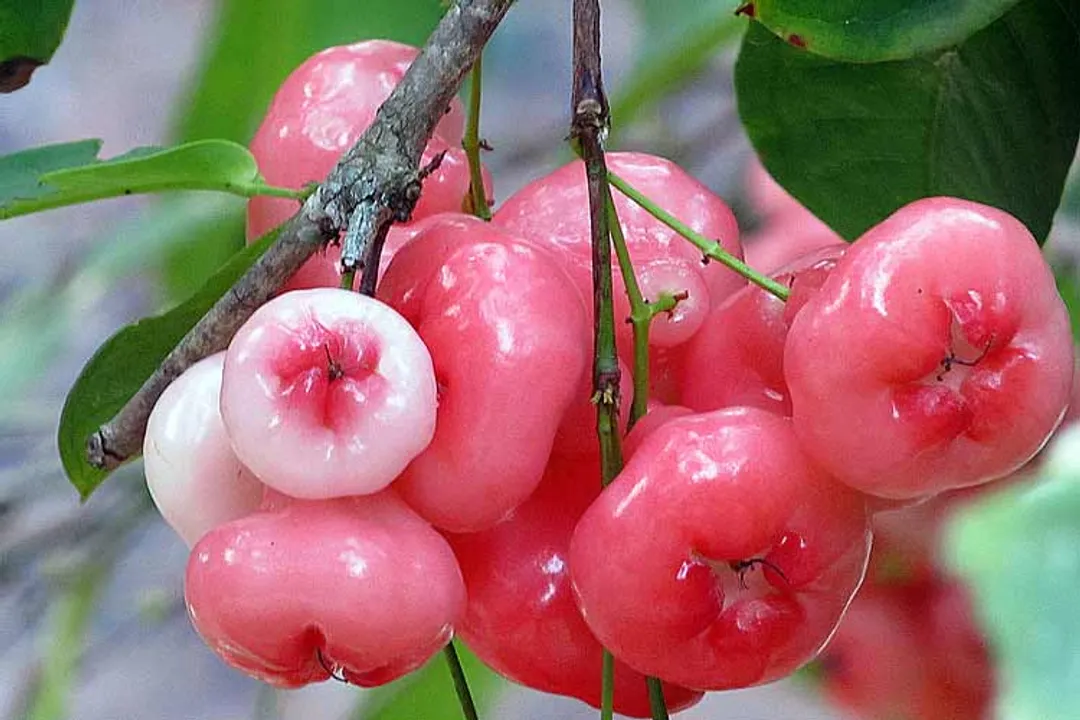
The rose apple, despite its misleading name, offers a delightful crunch and a subtle floral aroma quite distinct from the common apple or even the guava it physically resembles. [1][3] Indigenous to the South East Asian regions, including India, Malaysia, and Indonesia, this bell-shaped tropical fruit appears in colors ranging from pale yellow and pink to deep red and purple when ripe. [1][2][3] Its high water content and refreshing flavor profile have made it a favorite in warm climates, but beyond its immediate refreshment, various parts of the Syzygium tree have held significant status in traditional medicinal systems like Ayurveda for centuries. [3][4]
# Fruit Identity
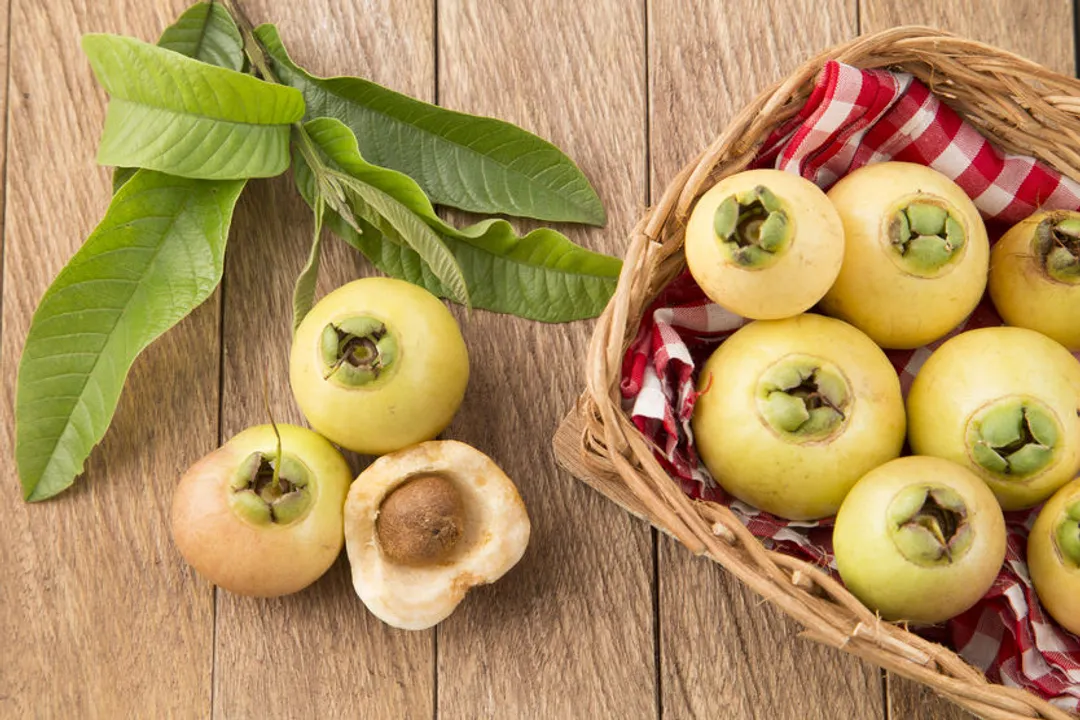
The taxonomy around the water apple can sometimes cause confusion, as the common name "rose apple" is sometimes used interchangeably with other Syzygium species, such as the wax apple (Syzygium samarangense). [4] The fruit under discussion, often correctly identified as Syzygium aqueum, is characterized by its slightly sweet, crisp flesh overlaid with delicate notes reminiscent of rose. [3] It can be eaten raw, much like one would eat an apple, or incorporated into desserts, jams, jellies, and salads. [1][4] Interestingly, the unripe or green version of this fruit carries an astringent quality, making it an excellent candidate for sharp, tangy preparations like pickles and chutneys. [4]
# Digestive Support
One of the most widely noted benefits of consuming rose apples relates directly to digestive health. The fruit is notably rich in dietary fiber. [1][2] This fibrous content is key in promoting regular movement through the digestive tract, adding necessary bulk to stools, and thereby helping to prevent issues like bloating and constipation. [1][2][4] Furthermore, traditional knowledge suggests that the seeds themselves are helpful in regulating stomach upset, specifically addressing diarrhea and vomiting. [1][2] From a broader perspective, adequate fiber intake is also associated with the management of body weight because it helps induce a feeling of fullness, potentially curbing overeating. [1][2]

# Blood Sugar Management
For individuals concerned with maintaining stable blood glucose levels, the rose apple presents an interesting dietary addition. The fruit contains a specific organic compound called jambosine. [1][2][3] This alkaloid is reported to play a role in regulating the conversion process where starch is broken down into sugar within the body, thus assisting in the maintenance of overall sugar levels. [1][2][3] Scientific investigation has further suggested that the fruit possesses a relatively low glycemic load value, which supports the gradual processing of dietary sugars, preventing sharp spikes. [4] In laboratory settings, certain isolated compounds from the leaves, such as myricetin-3-O-rhamnoside and europetin-3-O-rhamnoside, have even shown in vitro insulin-like effects on fat cells, enhancing glucose uptake. [2]
# Cardiovascular Factors
The mineral content within the rose apple is highly beneficial when considering cardiovascular wellness. The fruit supplies significant amounts of potassium. [1][2][4] In combination with its low levels of sodium and cholesterol, this mineral profile helps in regulating blood pressure, which in turn lowers the overall risk associated with severe cardiovascular events like hypertension, stroke, and heart attack. [1][2][4] Moreover, the presence of niacin, a B vitamin, has been noted for its role in managing cholesterol synthesis—specifically by helping to boost levels of beneficial HDL cholesterol while potentially reducing harmful triglycerides and LDL cholesterol. [3][4] The substantial fiber content also supports heart health by preventing the buildup of cholesterol deposits on arterial walls, a condition known to lead to coronary heart disease. [1]

# Immunity Strength
A fruit high in essential vitamins naturally lends itself to supporting the body’s defense mechanisms. Rose apples are a good source of Vitamin C and Vitamin A. [1][2][3] Vitamin C is widely known for its antioxidant function and its role in protecting cells from damage, but it is also instrumental in encouraging the production and effective functioning of white blood cells, which are critical for fighting off microbial infections. [1][3][4] Vitamin A complements this by directly increasing the body's overall immunity, helping to ward off various infectious diseases. [1][2] The presence of minerals like iron and calcium further contributes to maintaining a physically strong and resilient body. [1][2]
# Organ Cleansing
The high water volume in the fruit is a foundation for its role in internal cleansing. Rose apples exhibit diuretic properties. [1][3] This means they encourage urine production, which assists the body, particularly the kidneys and liver, in flushing out toxic substances. [1][2] Scientific studies confirm that antioxidants present in the fruit are effective in treating various liver ailments that might stem from infection or malnutrition. [3] Furthermore, extracts from the leaves have demonstrated strong in vivo hepatoprotective effects in animal models experiencing toxin-induced liver damage, suggesting the richness of polyphenolic compounds like flavonoids and tannins in protecting organ structure. [2]

# Bone Structure
For structural support throughout the body, adequate mineral intake is non-negotiable, and the rose apple contributes notable amounts of key building blocks. A standard 100-gram serving provides approximately 29 milligrams of calcium. [1][2][3] Calcium is an essential mineral for the formation of bones and maintaining overall skeletal health, and this contribution also extends to strengthening teeth. [1][2] Beyond calcium, rose apples supply beneficial levels of magnesium and potassium, both of which are important co-factors in maintaining bone density and function. [2]
# Skin Radiance
The benefits of rose apple extend to external appearance, largely due to its composition of Vitamin C and various polyphenols like flavonoids. [1][3][4] As an antioxidant, Vitamin C defends skin cells and tissues against oxidative damage caused by pollutants and free radicals, which are culprits in premature aging. [1][3] The presence of these compounds is believed to offer protection against both bacterial and fungal skin infections. [1] In cosmetic applications, leaf extracts are noted for containing phenolic compounds that possess UVB-blocking abilities and skin-whitening characteristics by inhibiting tyrosinase, the enzyme central to melanin production. [4][2] Moreover, the fruit’s high water content acts as a natural internal moisturizer, helping to keep skin soft and supple. [3][4]
# Hydration Aid
The most straightforward, yet essential, benefit is hydration. Rose apples are largely composed of water, sometimes over $90%$ by weight in certain data sets. [1][4] Consuming this fruit, or having it as juice or a chilled beverage, is an effective way to replenish the body's fluid levels, which is particularly important during periods of high summer heat or intense physical activity. [3][4] This replenishment is vital for regulating internal body temperature and ensuring proper electrolyte balance within cells. [3][4]
# Traditional Uses
The medicinal reputation of the rose apple tree is multifaceted, involving not just the fruit but also the leaves, seeds, and bark, which are prepared in diverse ways across tropical Asia. [2] The leaves, which are sometimes eaten raw or added to soups and salads, have been traditionally consumed or used in infusions to treat issues ranging from malaria and pneumonia to stomach aches and dysentery. [2] In the context of pain and inflammation, leaf extracts have been studied scientifically for their potent ability to inhibit inflammatory enzymes like COX-1 and COX-2, showing selectivity for COX-2 in vitro. [2] Furthermore, an oral rinse made from the bark decoction is a traditional remedy for thrush, a common fungal infection in the mouth. [1][2][4] The seeds and leaves have also been historically applied to help alleviate fever. [1] In Ayurveda, the bioactive terpenoids found in the fruit are believed to improve nerve function, making it a remedy for individuals experiencing epilepsy or seizures. [3][4]
It is worth noting a practical application derived from tradition: because fresh rose apples have a short shelf life, preserving them as jams or jellies is a sensible way to retain their nutritional benefits year-round. [2] To maximize the nutritional impact of the less-consumed parts, consider this: a mild infusion made from dried leaves, steeped for just five minutes, can be used as a gentle mouth rinse to support oral hygiene, given the reported traditional use for thrush, provided you discard the strained liquid afterward and do not swallow any significant amount. [2][4] This approach respects traditional use while keeping consumption of potentially more concentrated compounds (like those in the bark decoction) to professional consultation levels.
# Consumption Cautions
While generally considered healthy in measured portions, consumers should exercise some prudence. A significant caution involves the presence of trace amounts of cyanide in some varieties of the fruit, which means that excessive consumption, especially of the seeds and leaves, could potentially prove hazardous. [1] Additionally, some reports suggest that overindulgence might lead to minor reactions such as a persistent dry cough or throat irritation. [1] For individuals managing chronic conditions or currently taking prescription medications, consulting a healthcare professional before significantly incorporating rose apples into the daily diet is a wise step to ensure there are no contraindications. [4]
Considering the diverse nutritional reports, such as the variance in reported Vitamin C content (ranging from to over per across different analyses), [1][4] it becomes clear that the nutritional density can fluctuate based on variety, ripeness, and source geography. [4] Therefore, when selecting this fruit, prioritize those with firm texture, absence of blemishes, and a distinct fragrant aroma, and aim to consume them quickly or process them immediately to capture the fruit near its peak nutritional state. [4]
Related Questions
#Citations
Rose Apples: How They Can Benefit Your Health - WebMD
[PDF] Rose Apple and its Benefits - Just Agriculture
Water Apple Benefits, Uses, Side Effects & More - Redcliffe Labs
Health Benefits of Rose Apple - Medindia
Water Apple: Health Benefits, Nutrition, Uses For Skin And Hair ...
Watery Rose Apple: A Comprehensive Review of Its Traditional ...
The 10 Benefits of the Rose Apple you Need to Know - Jamaicans.com