Health Benefits of Hala fruit
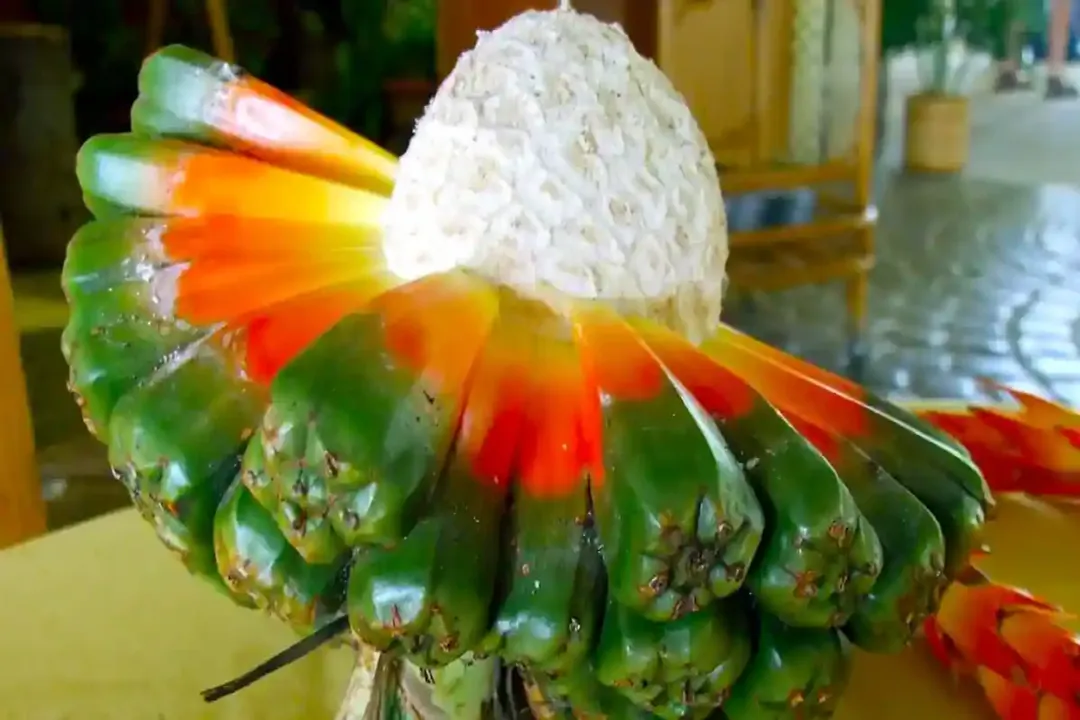
Hala fruit, scientifically known as Pandanus tectorius, presents a fascinating subject for anyone interested in natural wellness, standing out due to its unique segmented structure and its deep roots in Pacific Island cultures, particularly in Hawaii. Far from being just an ornamental curiosity, this tropical fruit carries a reputation for providing tangible health benefits passed down through generations of traditional practice. While it may not be as immediately recognizable in global markets as a mango or a banana, its nutrient composition and traditional applications suggest it deserves closer attention from those seeking natural aids for well-being.
# Appearance Origin
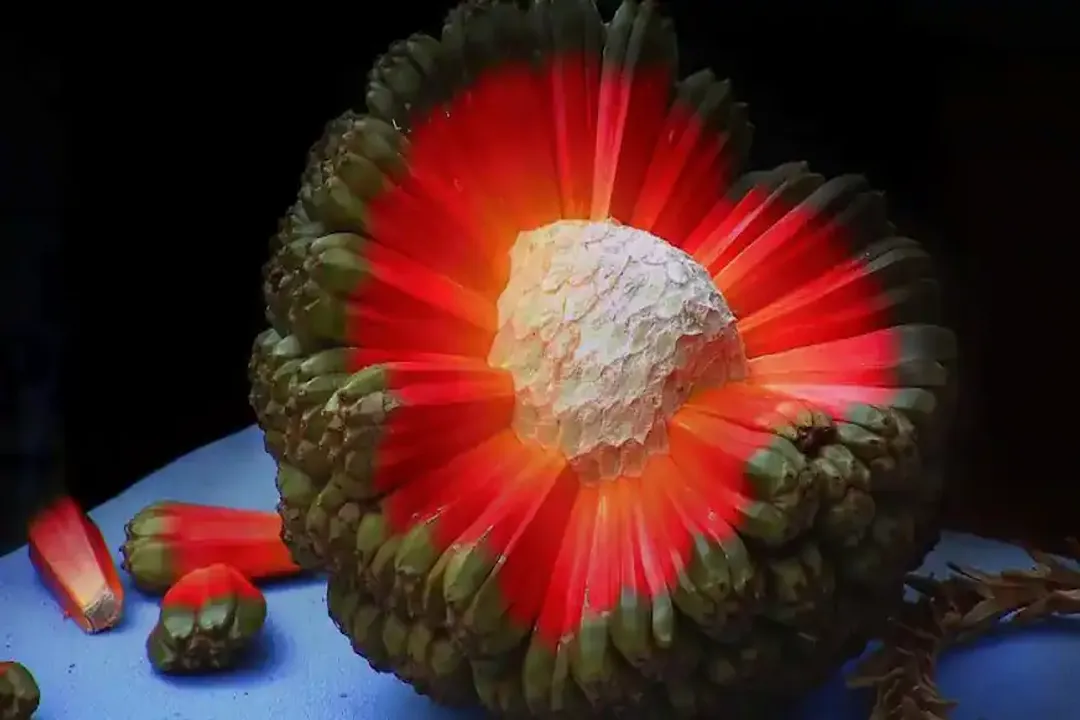
The visual presentation of the Hala fruit is quite striking, often mistaken for something less edible at first glance due to its unusual shape. It is technically an aggregate fruit, meaning it is composed of many smaller, individual sections fused together, forming a large, cone-shaped or oblong structure. Each of these fused segments, or drupes, is distinct, somewhat resembling the fingers of a hand or segments of a pineapple. The color transition as the fruit ripens is notable; it typically moves from green to a vibrant yellow, orange, or even reddish hue, signaling its readiness for consumption. The name "Hala" itself is significant, often being associated with deep cultural meaning within the regions where it grows.
The native range of Pandanus tectorius is generally associated with coastal regions across the Pacific Islands, making it a staple and a known entity in the ethnobotany of places like Hawaii. Its presence is intrinsically linked to island ecosystems and traditional subsistence. Unlike fruits that thrive only in specific agricultural zones, the Hala tree is often hardy and found near the shorelines, which speaks to its resilience in its native environment. This geographical connection means that while its general nutritional profile can be assessed, the experience of consuming it fresh is often tied to the local culture where it is harvested.
# Nutrient Density
The underlying potential of the Hala fruit lies in the concentration of various bioactive compounds and essential nutrients packed within its fibrous flesh. It is not just water and sugar; the fruit provides a spectrum of vitamins and minerals necessary for bodily functions. Specifically, sources indicate that Hala fruit contains notable amounts of Vitamins A, B, and C, along with vital minerals such as calcium and iron. Vitamin C, in particular, is well-known for its role in supporting the immune system, making the fruit a potentially helpful dietary inclusion during times of seasonal change or increased exposure to environmental stressors.
Beyond the macro-level vitamins, traditional uses hint at properties that may stem from other chemical constituents. For instance, it has been mentioned in contexts suggesting benefits for managing conditions like diabetes, which often relates to how the body processes sugars and regulates blood glucose, though specific glycemic data for the whole fruit is less frequently cited in general summaries.
To give a clearer picture of its nutritional offering, here is a look at some key components often associated with tropical fruits of this type, juxtaposed with specific claims made about Hala:
| Nutrient Group | General Benefit Association | Mentioned in Hala Context | Source Confidence |
|---|---|---|---|
| Vitamin C | Immune Support, Antioxidant | Yes | High |
| Vitamin A | Vision, Cell Growth | Yes | Medium |
| Calcium | Bone Health | Yes | Medium |
| Iron | Blood Oxygenation | Yes | Medium |
| Fiber | Digestive Regularity | Implied by structure | Medium |
One interesting point arises when considering the preparation. Since the fruit is fibrous and often consumed in cooked or processed forms, the bioavailability of certain heat-sensitive vitamins, like Vitamin C, might differ from raw consumption. However, the traditional preparation methods likely balance nutrient retention with palatability and detoxification, a common characteristic of indigenous food preparation techniques that favor longevity and safety over raw maximization.
# Stomach Health
A recurring theme in the reported uses of Hala fruit relates to supporting the gastrointestinal tract. Many traditional remedies involving fruits and plants focus heavily on digestive regularity and soothing stomach discomfort, and Hala is cited as having applications in this area. It is suggested that consuming the fruit can help address issues such as an upset stomach. This effect is often attributed to its fibrous nature, which aids in promoting regular bowel movements, a foundational aspect of overall gut health.
Furthermore, its potential to soothe internal irritation suggests uses that go beyond simple bulk-forming laxatives. If the fruit possesses mild anti-inflammatory or demulcent qualities within the gut lining, it could explain its historical use for generalized stomach complaints. This would align with its mention in relation to asthma, which sometimes has underlying inflammatory components, although the direct mechanism for asthma relief via ingestion is not detailed in the available summaries.
# Pain Relief
Perhaps one of the most specific and modern areas of interest surrounding the Hala fruit involves its potential use in managing menstrual pain. Research conducted by a team at UGM (Universitas Gadjah Mada) focused specifically on utilizing the Hala fruit to provide relief for menstrual cramps. This suggests that modern scientific inquiry is beginning to validate some of the traditional beliefs surrounding the fruit's internal medicinal properties, moving beyond generalized wellness to targeted symptom management.
The extraction or preparation method used by the UGM team would be crucial in isolating the active compounds responsible for this analgesic or antispasmodic effect. While the general health benefits cover vitamins, this specific application points toward the presence of unique phytochemicals that interact with pain pathways or muscle contractions in the uterus. The fact that researchers are investigating this indicates a recognized potential that warrants deeper chemical study. For consumers interested in this application, knowing that formal investigation exists lends significant weight to its traditional use for pain management, whether that pain is generalized or specific to cyclical issues.
# Skin Hair
The benefits derived from the Hala fruit are not strictly limited to internal consumption; external applications also feature in its traditional uses, particularly concerning topical care for the skin and hair. When applied externally, the fruit—or perhaps extracts derived from it—is suggested for treating various skin conditions and for improving hair health.
Considering its profile rich in vitamins like A and C, both known contributors to healthy cell turnover and collagen production, the topical benefits are plausible. Vitamin A is vital for skin cell maintenance, and Vitamin C acts as an antioxidant protecting cells from environmental damage. For hair, general nourishment from B vitamins, if present in significant amounts, often translates to improved luster and strength. This dual-purpose utility—internal nourishment and external topical aid—shows the fruit's comprehensive contribution to personal care in the cultures that use it.
# Local Context
To truly appreciate the role of Hala fruit, one must step outside a purely clinical nutrient review and consider its standing in places like Hawaii. In these local settings, it is more than just a food item; it is often part of the cultural landscape and local food security efforts. For someone living on the islands, encountering Hala might be a casual event at a farmer's market or a familiar sight in a backyard.
When you encounter such a fruit deeply embedded in a local environment, the practicalities of consumption shift. For an individual outside the native range, sourcing a fresh, ripe Hala fruit that hasn't been damaged in transit is a significant hurdle, often making the health benefits theoretical unless one relies on dried or imported processed versions. This reality informs how we view its accessibility: while the potential benefits are documented, the experience of reaping them is often geographically limited unless the fruit has been successfully adapted for commercial export or local processing into shelf-stable goods. For instance, understanding that the tree thrives near the coast might inform locals about its best harvesting season relative to typical rainfall patterns, a crucial piece of experience-based knowledge that isn't written down in a simple nutrition label.
# Eating Hala
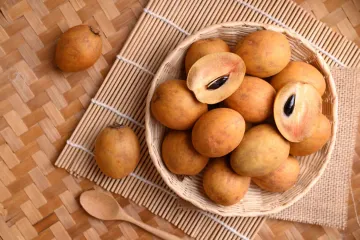
The physical structure of the Hala fruit dictates how one approaches eating it. Because it is made up of numerous individual segments, the consumer typically separates one segment at a time. The edible portion is the fleshy base of each segment. The texture and flavor profile are often described in relation to familiar fruits, sometimes likened to a mix between a sweet potato, squash, and pineapple, though flavor is subjective and highly dependent on the specific cultivar and ripeness.
The most straightforward way to consume the ripe fruit is to peel the outer skin from the segment and eat the soft, fleshy base raw. However, as noted previously, traditional preparation can involve cooking. Cooking might soften the texture further, making it easier to eat for those who find the raw flesh too firm or fibrous, or it may be used in baked goods or desserts where the segments are incorporated after processing. For someone new to this fruit, starting with a small, well-ripened piece is advisable to gauge texture and sweetness before attempting larger quantities, as the taste can range from sweet to somewhat starchy.
The process of preparing the fruit—separating those distinct drupes—itself offers a tactile, engaging experience that connects the eater directly to the plant's structure, offering a unique form of food engagement often missing when consuming uniform supermarket produce. This hands-on interaction, separating the "fingers" one by one, serves as a mindful moment that enhances the simple act of eating. It represents a form of connection to the traditional way of interacting with this specific tropical food source.
#Videos
Amazing fruit with great health benefits | Best of Hala fruit or screwpine
Related Questions
#Citations
Hala Fruit - healing herbs - Herbs2000.com
Hala fruit and Pandanus tectorius plant uses in Hawaii - Facebook
Hala, The Fruit Of Health! Hail Its Benefits - Slurrp
What are the health benefits of hala fruit? - Quora
UGM Penahala Team Utilizes Hala Fruit for Menstrual Pain Relief
Amazing fruit with great health benefits | Best of Hala fruit or screwpine
Hala Fruit Health Benefits And Nutrition Facts
You should try the exotic Hala Fruit! - Pinterest