Are there any risks to eating cactus fruit?
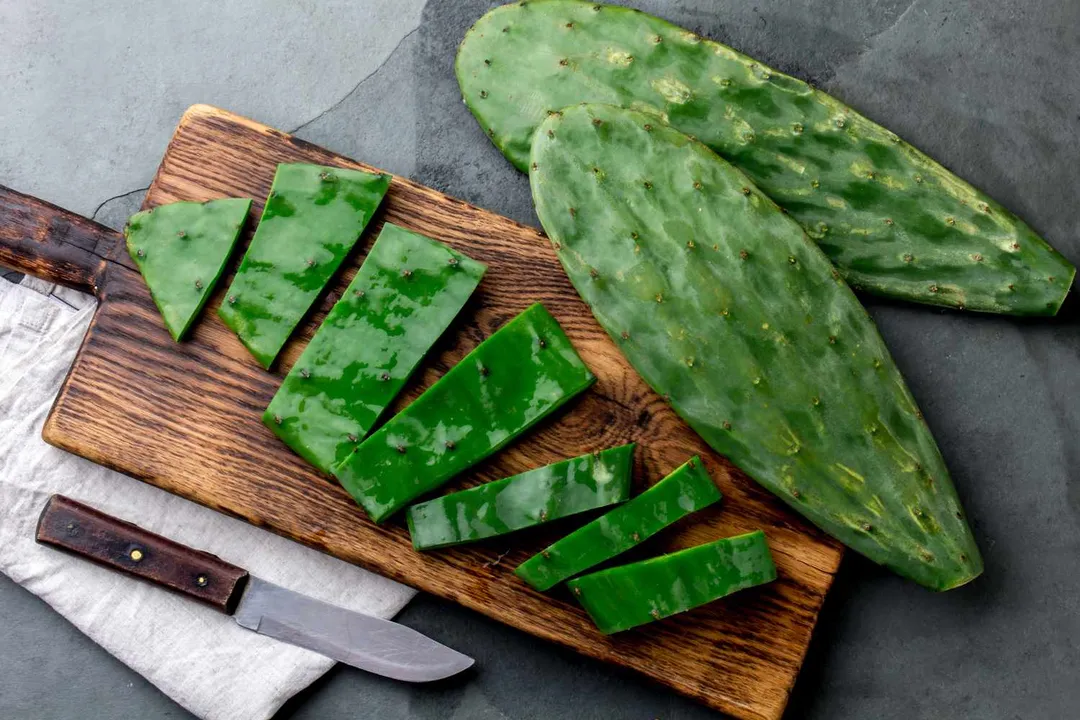
The question of what happens when we enjoy the sweet, vibrant flesh of the cactus fruit, often called tuna, or consume the pads of the nopal cactus, isn't just about flavor and nutrition; it requires an honest look at potential pitfalls. While these desert delights are packed with vitamins like Vitamin C and minerals such as magnesium, [1][5] the very nature of the plant introduces unique hazards that consumers must respect, primarily revolving around preparation and quantity. [3][6] Ignoring these risks can turn a healthy snack into a painful ordeal.
# Hidden Spines
The most immediate and frequently cited danger associated with consuming prickly pear fruit or nopal pads lies in the microscopic defensive structures the plant employs: the glochids. [9] These are not the large, obvious spines you might picture, but rather clusters of tiny, hair-like barbs that detach easily upon the slightest contact. [1]
It is incredibly easy to overlook them, even after preliminary cleaning, because they are so small and light. [9] When preparing the fruit, if these nearly invisible glochids remain on the skin or the fruit's flesh, they can embed themselves into the mouth, throat, or digestive tract lining. [3] This intrusion can lead to considerable discomfort, including irritation, a prickling sensation, and localized pain in the mouth. [3] If you swallow them, the issue progresses internally, potentially causing more serious digestive tract irritation. [3]
For anyone unfamiliar with traditional preparation methods, this poses a substantial hurdle. One practical realization when dealing with fresh cactus fruit or pads is that simple rinsing is inadequate for complete glochid removal. [6] Traditional methods often involve scraping or charring the surface, which physically removes the spines before the edible portion is accessed. [7] If you are buying fruit that appears "clean," it is vital to remember that the risk is not entirely eliminated just because the large spines are gone; those minute glochids are the real enemy of the casual consumer. [9] This makes the initial handling step where expertise is most required—misjudging the cleanliness can lead directly to internal irritation.
# Digestive Overload
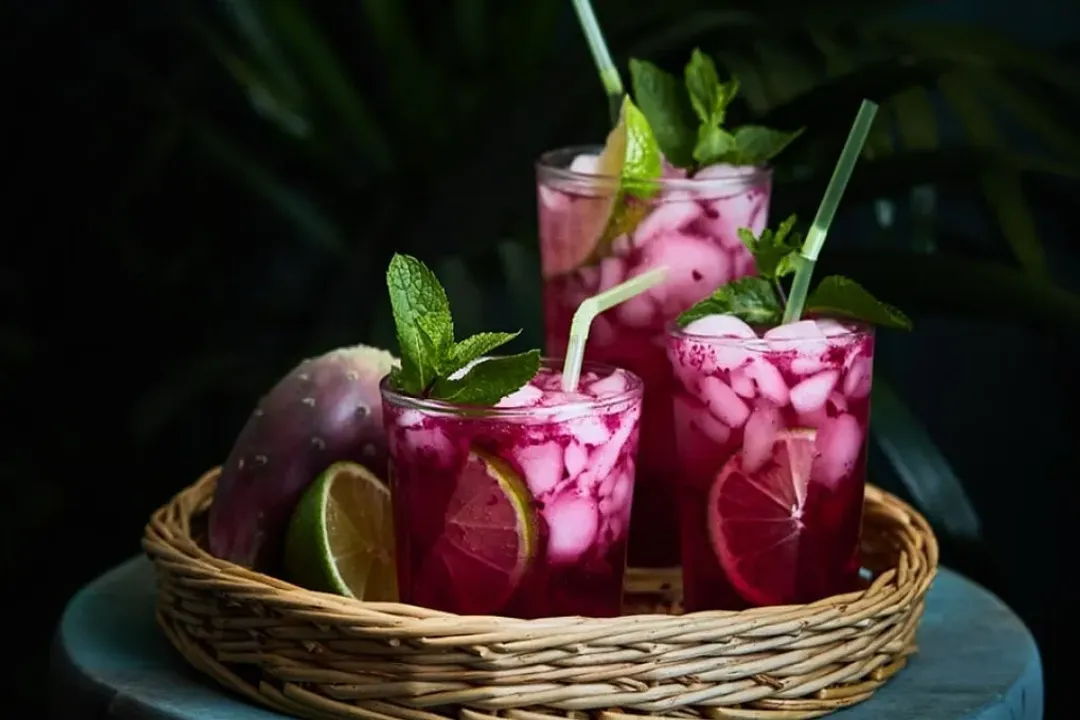
Cactus products, whether the fruit or the nopal pads, are high in fiber, which is generally beneficial for digestive health. [7] However, as with almost any food, consuming too much too quickly can disrupt the system. [3] If an individual overindulges in cactus fruit or pads, the body may react poorly to the sudden influx of fiber and other compounds. [3]
The common outcome of eating too much cactus tends to be digestive upset, frequently manifesting as diarrhea or a general stomach ache. [3] This effect is amplified if the consumer has not properly prepared the plant and has ingested some of the irritating fibers or spines along with the edible material. [3] While the fruit itself is generally considered safe when prepared correctly, moderation remains key to avoiding gastrointestinal distress. [5]

# Identification Errors
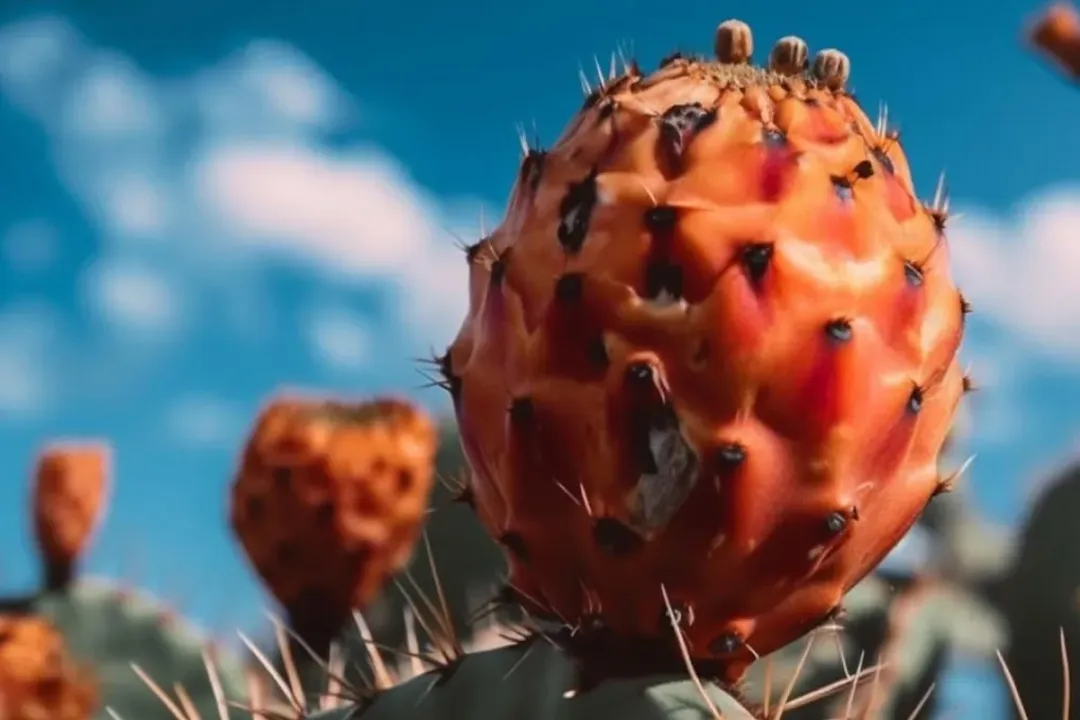
Another significant risk factor stems not from the properties of the edible cactus itself, but from confusing edible varieties with inedible or even toxic ones. [9] There are numerous species of cacti in the world, and while the Opuntia genus, which includes prickly pear, is widely known for its edible fruit and pads (nopales), many other cacti should never be consumed. [9]
Eating the wrong type of cactus can lead to severe illness, stomach cramps, or other adverse reactions because not all plants in the Cactaceae family are safe for human consumption. [9] This underscores the need for reliable sourcing and positive identification before consumption, especially if foraging or relying on an unverified source. [6] Unless you are completely certain of the species, proceeding with consumption is ill-advised. [9]
# Medication Interactions

Beyond the immediate physical dangers of spines or overconsumption, there are risks related to the physiological effects of cactus compounds when mixed with existing medical treatments. Nopal cactus, in particular, has been investigated for its potential to help manage blood sugar levels. [8] This effect, while positive for some, can create a very real risk for others.
Studies have indicated that Opuntia species can influence glucose metabolism. [8] For someone already taking medication to control diabetes, introducing a food source that naturally lowers blood sugar can lead to hypoglycemia—dangerously low blood sugar. [7] If someone is on established diabetes management, adding significant amounts of nopal or prickly pear without professional guidance can complicate their dosage requirements. [8]
Here is a brief comparative look at the primary concerns:
| Risk Category | Primary Cause | Symptoms/Outcome | Critical Mitigation Step |
|---|---|---|---|
| Physical Hazard | Ingested Glochids | Throat/Mouth Irritation, Digestive Distress | Thorough scraping/cleaning [6][7] |
| Quantity Effect | Overconsumption | Diarrhea, Upset Stomach [3] | Moderation and gradual introduction [3] |
| Species Error | Misidentification | Potential Toxicity, Severe Illness [9] | Positive species verification [9] |
| Pharmacological | Blood Sugar Modulation | Hypoglycemia risk for diabetics [7][8] | Consult physician regarding intake |
This interaction is less about direct toxicity and more about compounding effects. If a person's blood glucose is tightly regulated by prescribed medication, the introduction of a natural agent that also suppresses glucose absorption or production, like those found in prickly pear, effectively lowers the patient's floor, demanding careful tracking of both dietary and pharmaceutical inputs. This contrasts with general healthy eaters who benefit from the modulation, as they have a wider margin for error. [7]

# Preparing for Safety
Because the primary risks—glochids and potential toxicity—are tied to preparation and sourcing, a heightened sense of caution around handling is necessary. [6] If you are buying the fruit, you might notice that vendors who sell it fresh often do so already peeled or processed to remove the hazardous spines. [9] If you are harvesting or cleaning it yourself, you must treat the entire surface with suspicion.
One actionable tip for home preparers concerns fruit that might have traveled a distance or sat on a shelf: if you are unsure about the initial cleaning job, a gentle singeing over a low flame or very hot, dry pan can help burn off any remaining microscopic glochids that scraping might have missed. Follow this immediately with a thorough rinse. This extra step provides a layer of assurance against the invisible irritants that cause the most common complaints. [3]
Ultimately, enjoying cactus fruit safely means respecting the plant's natural defenses. The risks are manageable, but they require diligence, especially regarding the nearly invisible glochids and awareness of how this nutrient-dense food interacts with pre-existing health conditions like diabetes. [1][7][8] When handled with care and eaten in sensible portions, the fruit offers significant nutritional rewards. [5]
Related Questions
#Citations
Prickly Pear Cactus - Uses, Side Effects, and More - WebMD
i don't know what kind of cactus this is but is the fruit safe to eat? my ...
What happens if you eat too much cactus? - Quora
Are prickly pear cactus fruits safe to eat? - Facebook
Cactus fruit; Weird but full of nutrients | ALIFARD CO
Eating Cactus: Prickly Pear for Food | Extension
What Happens to Your Body When You Eat Nopal Cactus?
Cactus: a medicinal food - PMC - PubMed Central
Can You Eat Cactus? The 5 Main Types of Edible Cacti