Can you eat lettuce with leaf miners?

The confusion surrounding eating lettuce that appears to have "miners" is completely understandable, often stemming from the name of a unique edible plant itself: Miner's Lettuce (Claytonia perfoliata). When someone asks if they can eat lettuce showing signs of being mined, they might be looking at that specific succulent green, or they might be examining a standard head of romaine or butter lettuce riddled with pale, squiggly lines left by an insect pest. Separating these two scenarios is key to knowing what belongs on your plate.
# Miner's Greens
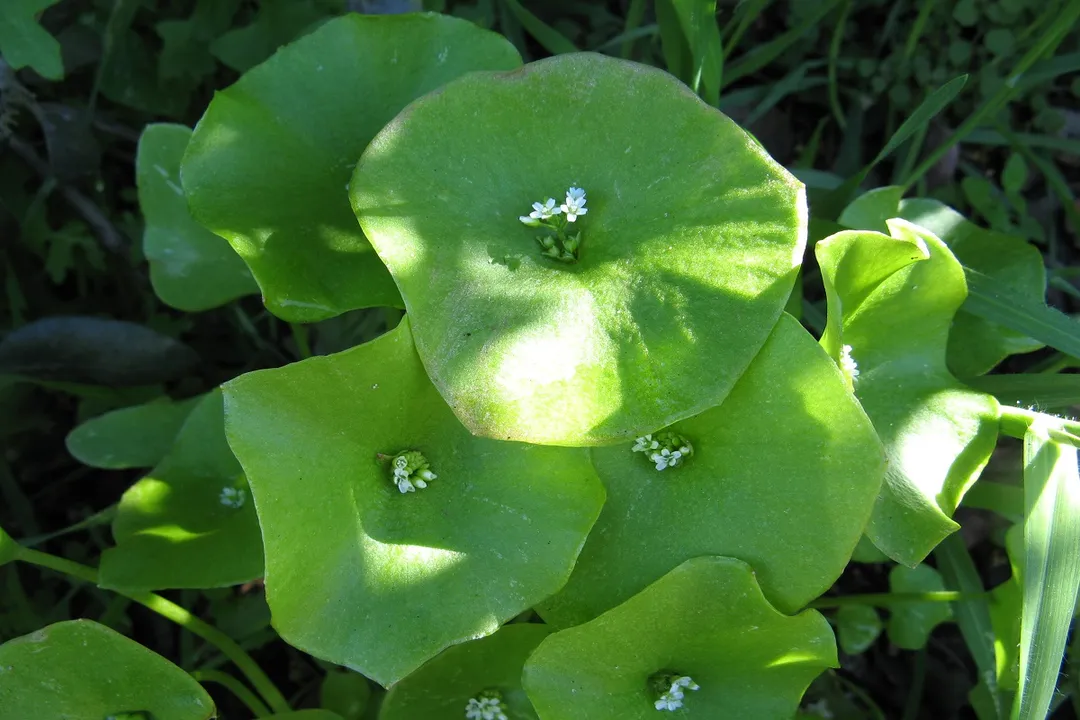
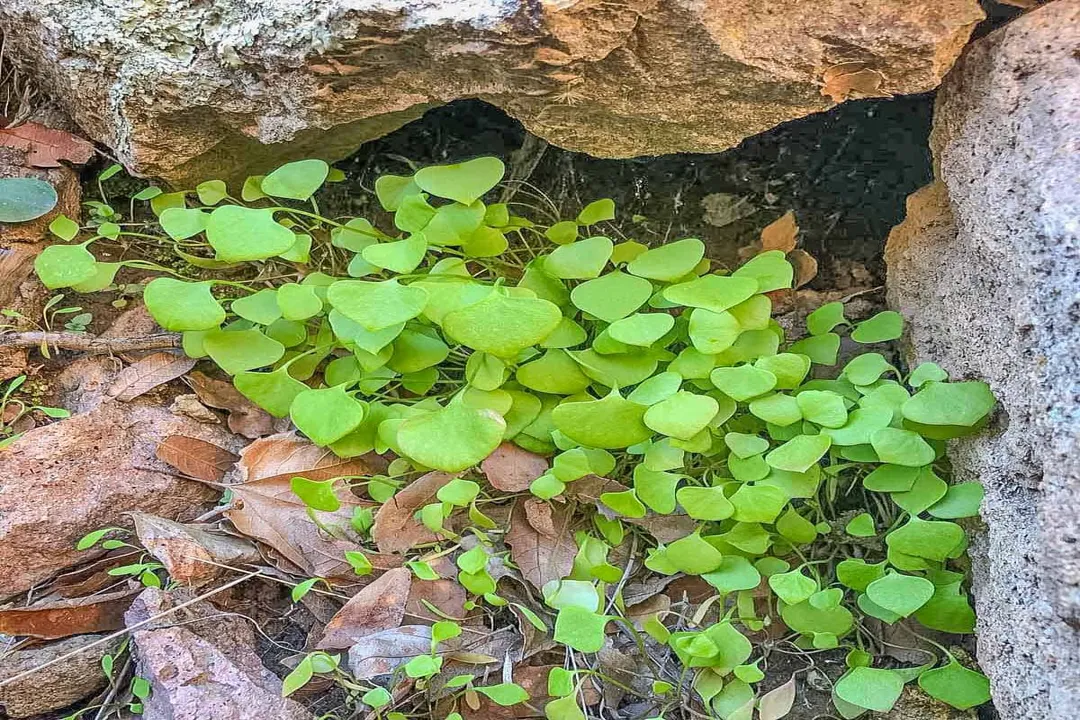
The plant known as Miner's Lettuce is a genuine culinary treasure, historically significant, and entirely edible. This annual plant, also called Winter Purslane or Spring Beauty, earned its name because it was a source of fresh greens for gold miners in California during the mid-1800s who were otherwise lacking in vitamins during their long stays. Its historical role provided essential nutrients, particularly Vitamin C, preventing ailments like scurvy when fresh vegetables were scarce.
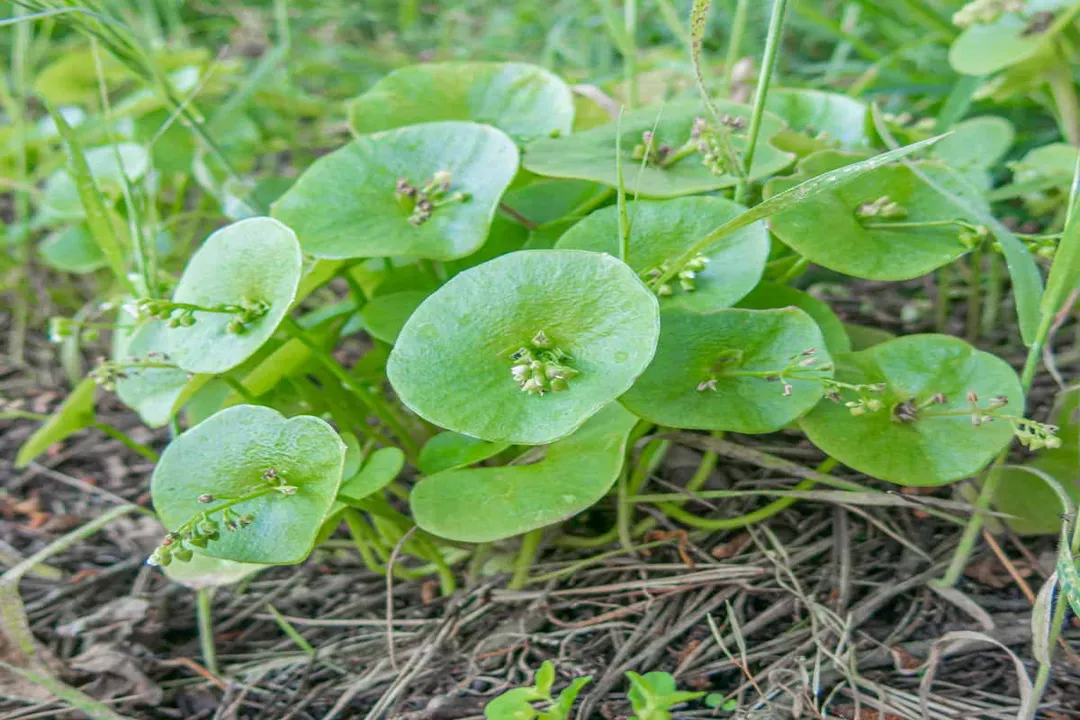
The visual appearance of Miner's Lettuce is quite distinct, setting it apart from conventional garden lettuce. It features rounded, almost circular leaves that cup a single, small flower stalk emerging from the center, giving it a unique presentation. The texture is often described as tender and succulent, and the taste is mild, sometimes slightly sweet, making it a pleasant addition to salads or eaten raw. Some sources note that while it is generally mild, cooking it can lead to a slightly slimy texture, so eating it fresh is often preferred. It thrives in cool, moist, shady areas, often appearing early in the spring.
This particular plant is appreciated by foragers and gardeners alike for its ease of growth and nutritional content. It's a welcome sight early in the growing season when other fresh greens might still be unavailable. Because it is prized as the green, finding it "with leaf miners" would typically refer to insect damage on other lettuce types, not this specific species, though any plant in the wild can potentially host a variety of small insects.
# Pest Tunnels
When people refer to leaf miners, they are almost always talking about the larvae of certain small flies or moths that tunnel between the upper and lower surfaces of leaves, most famously on garden vegetables like spinach, beets, and standard lettuce varieties such as green leaf lettuce. This feeding activity creates those telltale, winding, whitish or pale-yellow trails directly under the leaf surface.
These pests are the larval stage of the insect, and their goal is simply to eat the nutritious tissue inside the leaf to fuel their development before pupating. While the tunnels themselves are evidence of an active infestation, the question then shifts to whether the remaining leaf tissue is safe to consume. For many home gardeners, seeing these squiggly lines can be disconcerting, especially when aiming for pristine, picture-perfect produce.
Research even points to efforts to breed new lettuce varieties specifically to combat these insects. For instance, studies have focused on developing green leaf lettuce that is naturally resistant to damage from leaf miners. This need for resistance underscores how common and problematic these pests are for conventional lettuce growers.
# Safety Versus Aesthetics
Addressing the core concern: Can you eat lettuce that has been mined by insects? The answer depends heavily on the extent of the damage and your personal standard for presentation.
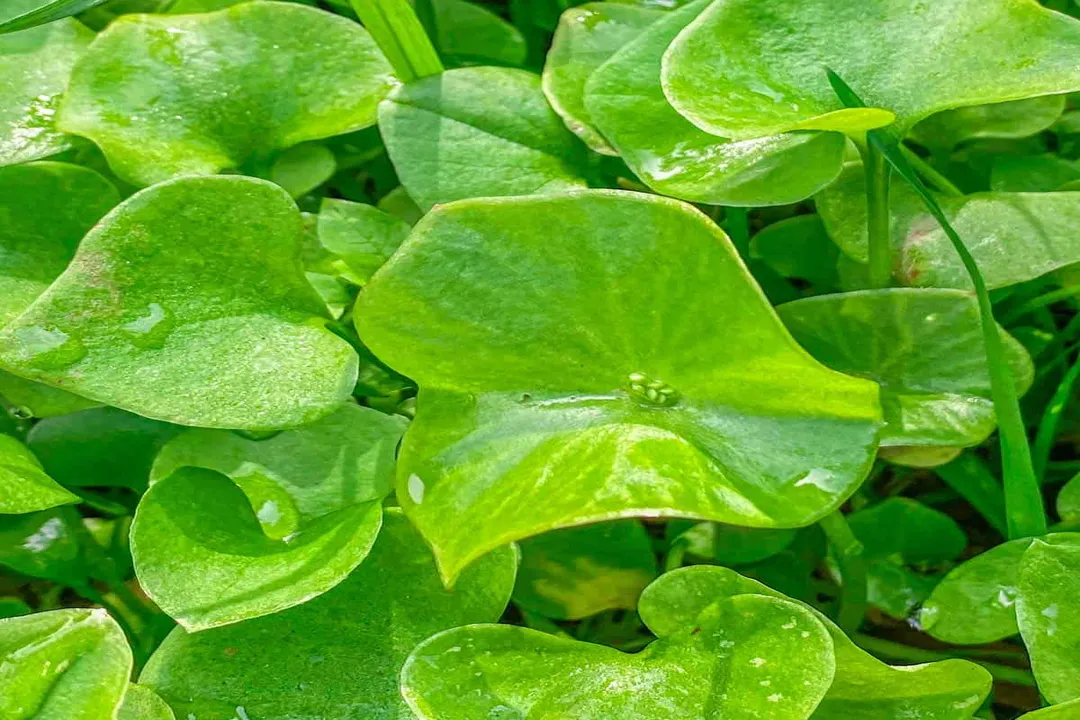
Biologically, the presence of the insect larva or the tunnels it leaves behind in common lettuce (Lactuca sativa) does not automatically render the entire leaf toxic or unsafe to eat, provided the larvae are removed. The tunnels represent tissue that has been consumed or damaged, but the surrounding, intact green tissue remains edible. If you are foraging or growing your own food, a little insect damage is often an accepted part of the process.
However, there is a practical difference between consuming Miner's Lettuce and consuming pest-damaged commercial lettuce. Miner's Lettuce is inherently a wild or casually cultivated green where minor imperfections are expected and easily overlooked or trimmed. For standard head lettuce, consumers are accustomed to highly manicured produce, meaning even minimal tunnelling can prompt rejection.
A useful decision-making step involves separating the damaged tissue from the undamaged sections. If a leaf has just a few small, isolated tracks, you can usually trim away the mined portion—often appearing as a pale line—and use the rest of the leaf, provided the surrounding green area looks firm and healthy. If the entire leaf is heavily laced with tunnels, or if the damage is so widespread that the leaf structure is compromised or beginning to rot, it is best to discard that piece entirely.
For those raising an eyebrow at consuming anything an insect has tunneled through, consider this: In many historical contexts and even in modern natural food circles, minor cosmetic damage from pests is simply accepted as the "cost of admission" for eating food grown with minimal chemical intervention. The distinction lies between truly infested produce, where the entire plant may be stressed, and lightly damaged produce where the remaining tissue is fine.
# Pest Management Tips
For those growing their own standard lettuce and facing leaf miner challenges, managing the pest population is more about containment than total eradication, especially if you plan to eat the leaves. Since the larvae are inside the leaf tissue, topical sprays often have limited effectiveness once the tunnels are established.
One actionable approach involves routine inspection, particularly in warm weather when these pests thrive. If you spot the characteristic tiny eggs on the underside of the leaves early on, removing those leaves immediately can prevent the larvae from hatching and moving deeper into the plant.
When preparing your harvest, if you decide to salvage leaves with mining tracks, a simple pre-wash inspection is crucial. Rather than just rinsing, take the time to physically examine each leaf. If you see a distinct tunnel, you can use a small paring knife to carefully excise the mined section, effectively creating a small "surgery" to remove the evidence and the damaged material. This works best when the damage is localized, a scenario less common with Miner's Lettuce, which tends to be eaten whole or in large, tender pieces.
Furthermore, knowing the life cycle can inform prevention. Since the adult stage is a flying insect, using floating row covers over your lettuce beds early in the season can physically block the females from laying eggs on the vulnerable leaves in the first place. This proactive step, while not directly related to eating already mined lettuce, drastically reduces the need to make these consumption decisions later on.

# Cultivation Contrast
The difference in how Miner's Lettuce and commercial lettuce are treated illustrates an interesting divide in gardening practice. Miner's Lettuce, being a more "primitive" or wild-type green, is often allowed to grow and self-seed with little interference, thriving in less-than-perfect conditions. Recipes or serving suggestions often focus on its freshness, perhaps mixed with other tender items like strawberries or used as a garnish.
In contrast, conventional lettuce varieties, often cultivated for specific head shapes or large leaf yields, are usually subjected to more intensive management to ensure they remain unblemished for market appeal. The focus on breeding leaf-miner resistant varieties highlights this pursuit of aesthetic perfection in Lactuca sativa. This means that when you find a damaged leaf of Miner's Lettuce, it's usually just a minor cosmetic flaw in a resilient plant; when you find a damaged leaf of romaine, it signifies a battle between the pest and the garden management strategy designed to produce a flawless product.
For anyone harvesting their own greens, adopting a slightly more forgiving standard, especially for early-season wild edibles like Miner's Lettuce, can significantly increase yield and reduce perceived waste. A few insect tunnels on a beautiful, vitamin-rich spring green like Claytonia perfoliata is a small price to pay for that early taste of freshness.
Related Questions
#Citations
Foraging Miner's Lettuce, America's Gift to Salad
Is miner's lettuce safe to eat? - Facebook
Miners Lettuce; An Historic American Salad Green - - Forager | Chef
Miner's Lettuce - Nature Collective
All About Miner's Lettuce - Backyard Forager
Mining for Lettuce - Edible Seattle
Miners Lettuce Benefits: Uses, Dosage, Side Effects & Interactions
Miner's Lettuce - Edible Marin & Wine Country
New Green Leaf Lettuce Leaves Leafminers in the Lurch - USDA ARS