What are two common preservatives?
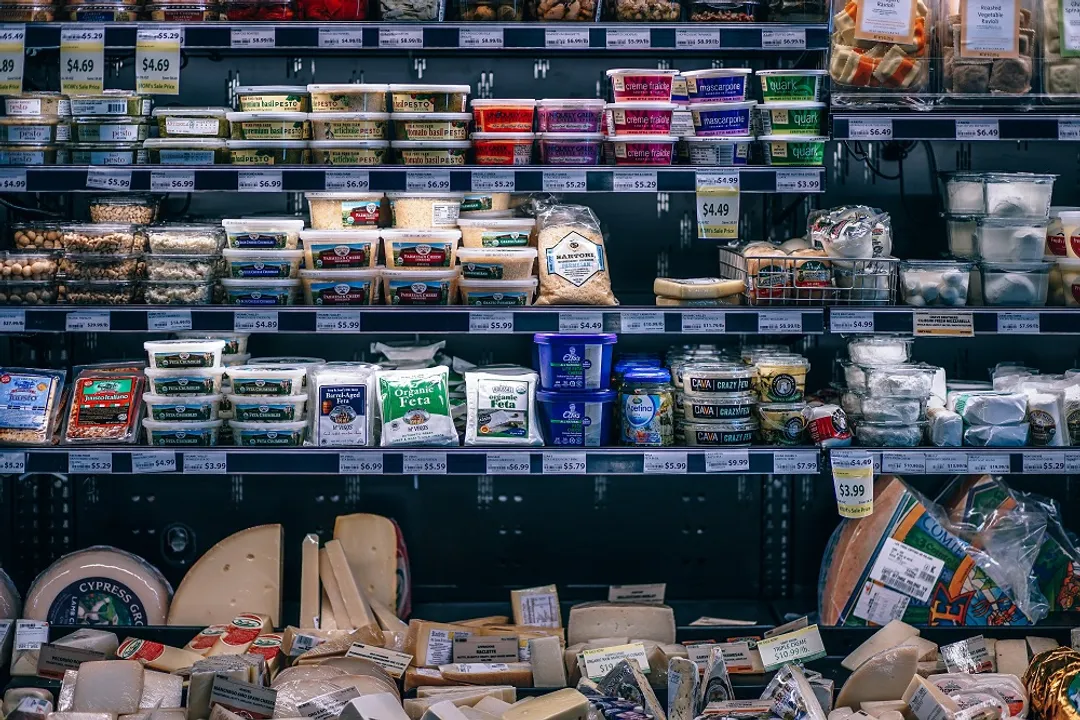
The ability of our food supply to remain safe and palatable between the farm and the dinner table rests heavily on a class of specialized ingredients known as preservatives. These substances are critical components in modern food production, serving as molecular bodyguards that fight off two primary threats: spoilage caused by living organisms and degradation caused by chemical reactions. [8][9] Without them, shelf life would be drastically reduced, increasing food waste and limiting access to non-perishable goods across distances. [9]
Preservatives are not a single category; they represent a wide spectrum of compounds. Some are synthetic chemicals developed in labs, while others are substances we have used for centuries, such as salt and sugar, which work by drawing water out of microbial cells, effectively dehydrating and stopping their growth. [1] The key function, whether the ingredient is natural or manufactured, is to inhibit the growth of molds, yeasts, and bacteria that cause food to spoil, change color, or develop off-flavors. [9] When we look closely at ingredient labels, we often find designations like "E-numbers" in some regions, which confirm their regulatory approval, but the names themselves—like potassium sorbate or sodium benzoate—are what truly identify these protective agents. [1]
# Chemical Guardians
While many substances fall under the preservative umbrella, two of the most frequently encountered synthetic types, particularly in processed foods, are the sorbates and the benzoates. [7] These are typically added to prevent microbial activity, specifically targeting yeasts and molds, or bacteria, depending on the food's chemistry. [1]
# Sorbates
Potassium sorbate is one of the most widely used mold and yeast inhibitors globally. [1] It is the potassium salt of sorbic acid, and its effectiveness shines brightest in environments where the acidity is controlled. [7] You will commonly find it listed as an ingredient in cheeses, baked goods, wine, and even some dried fruits. [1] Its utility lies in its ability to prevent the fuzzy, visible spoilage that often ruins bread or cheese before it reaches its expiration date. [7]
# Benzoates
Sodium benzoate, on the other hand, often excels at inhibiting the growth of bacteria, yeast, and mold, especially in highly acidic conditions. [1][7] This makes it exceptionally useful in products like soft drinks, pickles, jams, and fruit juices, where the low pH environment allows it to function optimally. [1][7] It is a classic example of a preservative whose effectiveness is highly dependent on the environment of the food it is protecting. [7]
A practical application distinction arises here: imagine a food manufacturer developing a new fruit-flavored beverage that is quite tart. The benzoic acid form would likely be the preservative of choice due to its optimized function in low-pH settings. [7] Conversely, if they were stabilizing a less acidic item like a soft, commercially baked pastry, potassium sorbate might be selected to combat the molds that thrive in those moisture-rich, near-neutral conditions. [1] In some formulations, manufacturers might combine these, or others, to create a synergistic effect, ensuring a broader spectrum of microbial protection across different possible contamination vectors. [9]
# Curing Agents
Another critical class of preservatives is essential for the safety of meat products: nitrites and nitrates, often added as sodium nitrite or potassium nitrate. [1] While these compounds serve dual roles—preserving color and inhibiting microbial growth—their primary safety function is vital in cured meats like bacon, ham, and hot dogs. [6]
The main concern they address is the potential for the deadly bacterium Clostridium botulinum to thrive in an oxygen-free environment, such as sealed processed meats. [1][6] Botulism is a severe form of food poisoning, and nitrites are highly effective at preventing the growth of this specific organism. [6] Furthermore, they are responsible for maintaining that characteristic pinkish-red hue in cured meats; without them, these products would turn an unappetizing grayish-brown color during storage. [1]
It's noteworthy that while nitrites are synthetically added, nitrates occur naturally in many vegetables, such as spinach and celery. When added, they are closely monitored, as the body can convert them into nitrosamines, which have been studied for potential health links, leading to regulated maximum inclusion levels in food products. [1]
# Antioxidant Defense
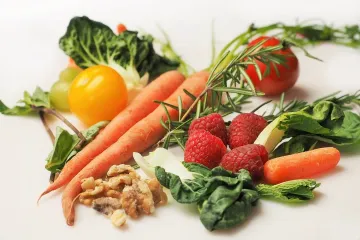
Not all spoilage is microbial. A significant portion of food quality loss comes from oxidation, which causes fats and oils to go rancid, leading to unpleasant odors and flavors. [9] To combat this chemical degradation, another group of preservatives, the antioxidants, is employed. [1]
Two common synthetic examples are Butylated Hydroxyanisole (BHA) and Butylated Hydroxytoluene (BHT). [1][6] These compounds work by interrupting the chain reaction of oxidation, effectively slowing down the process that turns fats foul. [9] They are frequently found in fats, oils, cereals, and some snack foods where maintaining flavor stability over time is paramount. [6] While effective, consumer preference in some markets is leading manufacturers to seek alternatives, often relying on natural antioxidants like Vitamin E (tocopherols) or Vitamin C (ascorbic acid) when feasible, though synthetic options often provide greater stability in certain challenging matrices. [1]
# Traditional Methods Versus Modern Additives
The discussion of modern preservatives often benefits from a comparison to their historical counterparts: salt and sugar. [1] These traditional agents function primarily by controlling water activity. By dissolving large amounts of salt or sugar into a food product, such as making preserves or curing meat, the concentration of free water available for microbial life to use is drastically reduced. [1] This is a form of preservation that has sustained human populations for millennia.
However, relying solely on high levels of salt or sugar is often undesirable in contemporary diets due to health concerns regarding excessive sodium or sugar intake. This necessity for lower salt/sugar content in modern, palatable foods creates a gap in preservation capability that synthetic preservatives are designed to fill safely and effectively. [9]
A perspective worth considering is how the required amounts scale. When looking at an ingredient list, a preservative like potassium sorbate might be present at a concentration of a few hundred parts per million (ppm), while a major component like flour or sugar is present at tens or hundreds of thousands of ppm. The perceived risk often centers on the nature of the chemical rather than the extremely low dosage required to achieve safety and stability under regulated conditions. [1] In essence, we trade a small, measured addition of a synthetic molecule for a large, less healthy addition of a traditional one.

# Regulation and Consumer Perception
The inclusion of any additive, whether it be a nitrite or a sorbate, is not a decision left to the food producer alone. Regulatory bodies worldwide establish strict guidelines for their use, including maximum permitted levels and the specific types of food they can be used in. [1] These regulations are based on extensive toxicological data to ensure that the Acceptable Daily Intake (ADI) is established, representing an amount that can be consumed daily over a lifetime without appreciable health risk. [1]
For consumers, navigating this landscape requires careful label scrutiny. If you are attempting to minimize synthetic additives, reading the ingredient list is non-negotiable. [5] You might notice that labels often list the salt used in curing meats alongside the sodium nitrite, or list the sugar alongside the potassium sorbate in a dried fruit mix. [1] Understanding that these functional ingredients work in concert is key to interpreting food labels accurately.
Some individuals experience sensitivities to specific preservatives. Sulfites, another common preservative used to prevent enzymatic browning in dried fruits and often found in wine, are known to trigger asthma symptoms in sensitive individuals. [8] Similarly, while rare, reactions to benzoates or sorbates can occur. [7] For those managing sensitivities, knowing which chemical class is present—whether it's a benzoate, a sulfite, or a nitrite—is more informative than simply knowing that a preservative was added.
When evaluating your food choices, it can be helpful to focus on the function rather than just the name. Are you seeking to prevent microbial mold growth in cheese? Sorbates are likely doing that work. Are you trying to prevent rancidity in a packaged nut butter? An antioxidant like BHT is probably acting as the defense. [9] By recognizing these distinct roles, consumers move past a generalized fear of "additives" toward a more nuanced understanding of food science applied to safety and quality. [5] Ultimately, these chemical tools, when used within established limits, form an indispensable layer of protection that allows for the safe, varied, and accessible diet enjoyed by many today. [8][9]
Related Questions
#Citations
What are preservatives and what are common examples used in food?
5 Common Food Preservatives: Principles and Science
What are commonly used chemical preservatives? - Quora
Impact of Class 2 Preservatives on Health and Food Quality - Plantigo
What are the different types of food preservatives? - Facebook
Top 8 Common Food Preservatives To Avoid - Perfect Keto
What Are the Most Common Food Additives and Preservatives?
Preservatives – Keeping our foods safe & fresh
What are Food Preservatives? - Ingredi