Are preservatives good or bad?
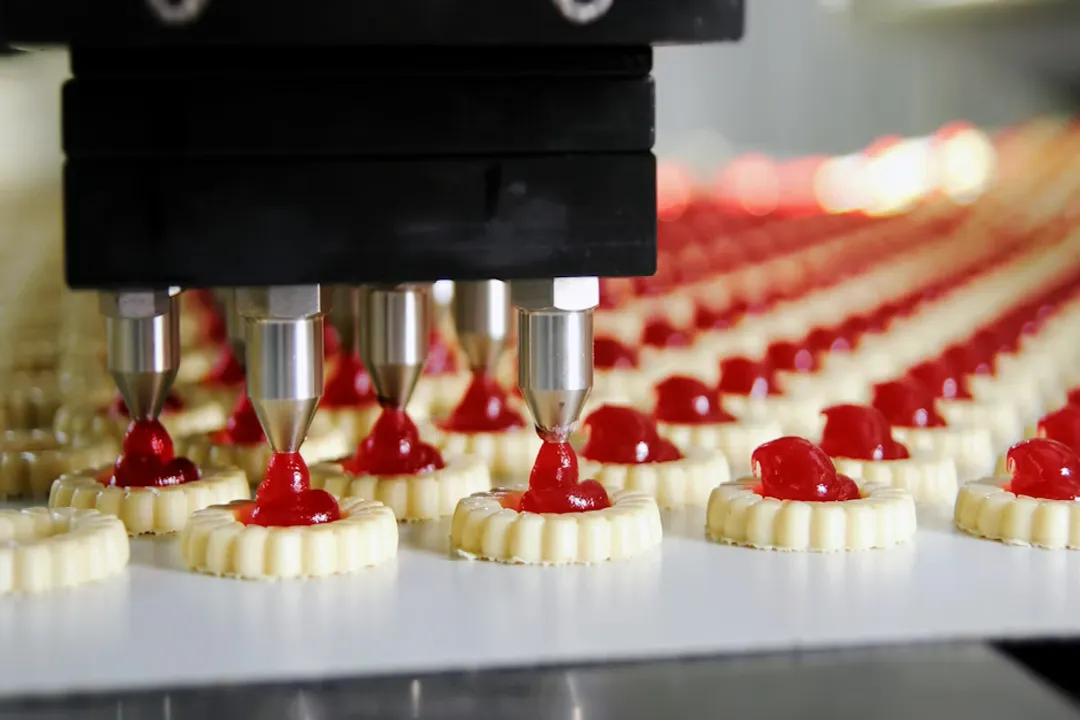
The discussion around food additives often devolves into a simple "good versus bad" dichotomy, but the reality of preservatives is far more complex, balancing undeniable public health benefits against potential individual sensitivities and emerging scientific concerns. Preservatives are compounds added to food products to inhibit the growth of microorganisms, such as bacteria, yeast, and mold, thereby preventing spoilage and extending shelf life. [2] While this function is crucial for modern food distribution and safety, it naturally raises questions about what we are introducing into our diets on a consistent basis. [6]
# Core Function
The primary justification for using preservatives lies squarely in safety. [2] Without them, many foods, particularly those requiring long transit times or sitting on shelves for weeks, would quickly become breeding grounds for dangerous pathogens. For instance, preventing the growth of Clostridium botulinum, which causes botulism, is a critical function in many preserved goods. [2] Beyond outright safety threats, preservatives work to maintain the sensory qualities of food—the color, texture, flavor, and nutritional value—that consumers expect. [2] Think about the vibrant color of cured meats or the freshness retained in jarred sauces; preservatives often play an unseen role in keeping those characteristics stable over time. [2]
# Types Compared
Food preservation methods have existed for millennia, often relying on smoking, salting, or drying, which are natural approaches. [8] Today, the landscape includes both naturally derived and synthetically created compounds. Natural preservatives often include ingredients like vinegar, salt, sugar, rosemary extract, or lemon juice, which have been used historically and are often favored by consumers looking for "cleaner" labels. [8] These substances typically function by altering the environment, such as lowering the pH (acidity) or binding water so microbes cannot thrive. [8]
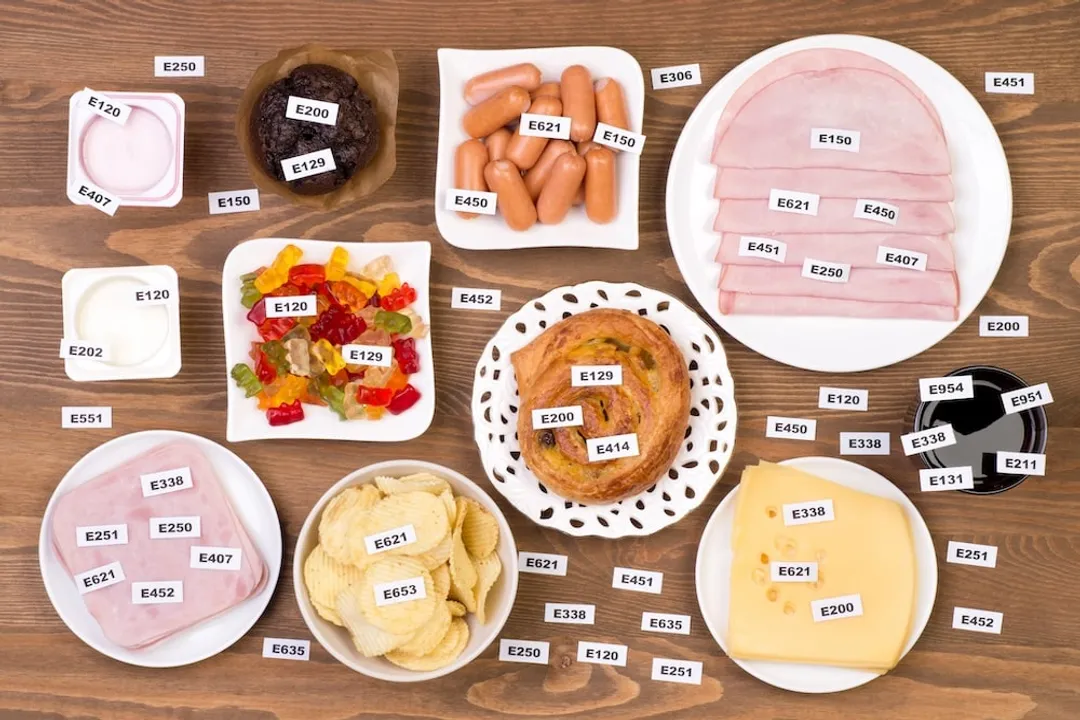
In contrast, manufactured preservatives are chemically synthesized compounds designed for maximum efficacy and targeted action against specific spoilage agents. [4] While some synthetic preservatives, like sulfites used in wine, have been around for a long time, others are newer, laboratory-developed agents. [4][6] The perception is that anything labeled "artificial" carries inherent risk, but regulators require rigorous testing to ensure that approved synthetic preservatives are safe at the regulated levels. [6] The distinction often becomes less about inherent danger and more about consumer preference and the potential for sensitivities associated with specific chemical structures. [4]

# Potential Risks
The health debate often centers on whether chronic, low-level exposure to these chemical compounds causes adverse effects. [1] Some preservatives have been linked to allergic reactions or skin sensitivities in susceptible individuals. [6] One commonly cited concern is the link between certain artificial colorings and flavorings—often used alongside preservatives—and hyperactivity in some children. [2] For example, some studies have indicated that certain additives may contribute to behavioral changes. [2]
Furthermore, there is a growing area of research focused on how these chemicals interact with our internal ecosystem. The gut microbiome, the community of trillions of microorganisms living in the digestive tract, is fundamental to immunity, digestion, and even mental health. [10] Research suggests that some commonly used food preservatives can negatively impact the diversity and balance of the gut microbiota. [10] One specific investigation noted that dietary exposure to certain common preservatives was associated with alterations in the gut bacteria composition in mice, indicating a potential pathway for health changes. [3][10] This area highlights a shift in focus from acute toxicity to long-term, subtle ecological disruption within the body. [9]
# Specific Additives

Consumers frequently seek to identify and avoid certain ingredients mentioned in various health guides. [5] Certain additives, for instance, are flagged due to their potential to cause reactions or their perceived lack of necessity in moderation. [5]
A look at commonly flagged ingredients might include:
| Preservative/Additive | Common Use | Concern Highlighted |
|---|---|---|
| Nitrates/Nitrites | Cured meats (bacon, deli meat) | Potential conversion to carcinogenic nitrosamines [5] |
| BHA and BHT | Fats, oils, snack foods | Linked to tumor promotion in animal studies [5] |
| Artificial Dyes | Candies, sodas | Association with hyperactivity in children [2][5] |
| Sodium Benzoate | Acidic foods, soft drinks | Can form benzene (a carcinogen) when mixed with Vitamin C [5] |
It is important to note that the mere presence of these items does not guarantee harm; regulatory bodies set acceptable daily intake (ADI) levels based on extensive toxicological data. [6] However, the cumulative effect of consuming many different processed foods daily means an individual might consume several different types of preservatives, approaching the ADI from multiple angles simultaneously. [4]

# Navigating the Market
When standing in the grocery aisle, the sheer volume of ingredient lists can be overwhelming. A practical approach for consumers looking to moderate their intake involves a direct comparison between product types. For instance, take a common item like shelf-stable tomato sauce. One might find a national brand listing sodium benzoate and calcium disodium EDTA, while a local, artisan brand, perhaps slightly more expensive or requiring refrigeration, lists only lemon juice concentrate and salt for preservation. [8] Analyzing these trade-offs—shelf life versus ingredient list simplicity—allows shoppers to make informed choices based on their personal priorities, whether that is minimizing processing or maximizing convenience. [4] This kind of side-by-side audit can reveal where preservatives are being used for critical safety versus where they are used purely for extended convenience in non-refrigerated, shelf-stable items.
# Contextualizing Safety
The conversation about preservatives must account for context. A preservative that is safe for the general population might cause a severe reaction in someone with a specific sulfite allergy. [6] Similarly, a preservative used sparingly in a highly acidic food (where its job is primarily safety) is viewed differently than one used widely in low-acidity, energy-dense snacks. [4] Furthermore, the absence of preservatives is not a guaranteed indicator of superior nutrition. Sometimes, manufacturers remove synthetic preservatives and compensate by adding significantly more sugar, salt, or fat to achieve the desired flavor and texture, potentially trading one set of dietary concerns for another. [9]
An interesting, often overlooked factor is regional variation. What is approved or commonly used in food production in one country might be restricted or completely banned in another due to differing regulatory standards or ongoing toxicological reviews. [6] This global divergence underscores that the "safety" of a preservative is often context-dependent, tied not just to the chemical itself but to the regulatory environment overseeing its use. [6] If you are buying imported goods, understanding that the ingredient list reflects standards from the country of origin, which may differ from local mandates, adds another layer to consumer awareness.
# Personal Assessment
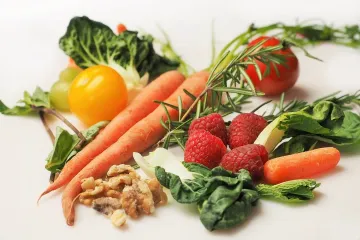
Ultimately, the evaluation of preservatives requires personal reflection on lifestyle and dietary patterns. If one's diet is heavily reliant on highly processed, pre-packaged meals designed for long shelf stability, exposure to various additives will be high. [9] Conversely, a diet rich in fresh, whole foods prepared shortly after purchase will naturally minimize preservative intake without needing to obsessively check labels for every single item. [2] For those who rely on processed foods for convenience, focusing on identifying and cutting back on the most frequently flagged chemical preservatives, rather than eliminating all preservatives entirely, can be a manageable first step. [5] It is about understanding that while nature provides effective stabilizers, modern food systems use chemistry to feed billions safely and efficiently. [2][6] The ongoing scientific work, especially concerning the gut, will continue to refine our understanding, nudging both regulators and manufacturers toward safer, yet still effective, alternatives.
#Videos
Are food preservatives bad for you? - Eleanor Nelsen - YouTube
Related Questions
#Citations
Understanding Food Preservatives: What Are The Health Risks?
Preservatives: Uses, Benefits, and Risks - GERDHelp.com
Artificial food additives: hazardous to long-term health? - PubMed
Are preservatives inherently unhealthy? : r/nutrition - Reddit
7 Food Additives And Preservatives To Avoid - Chefs for Seniors
How Safe Are Food Preservatives? - Diet & Nutrition - Everyday Health
Are food preservatives bad for you? - Eleanor Nelsen - YouTube
Natural Preservatives: Are They Better Than Artificial ... - WebMD
Food Preservatives: Do They Impact Health? - ZOE
Common food preservative has unexpected effects on the gut ...