Is Kaluga Queen caviar good?
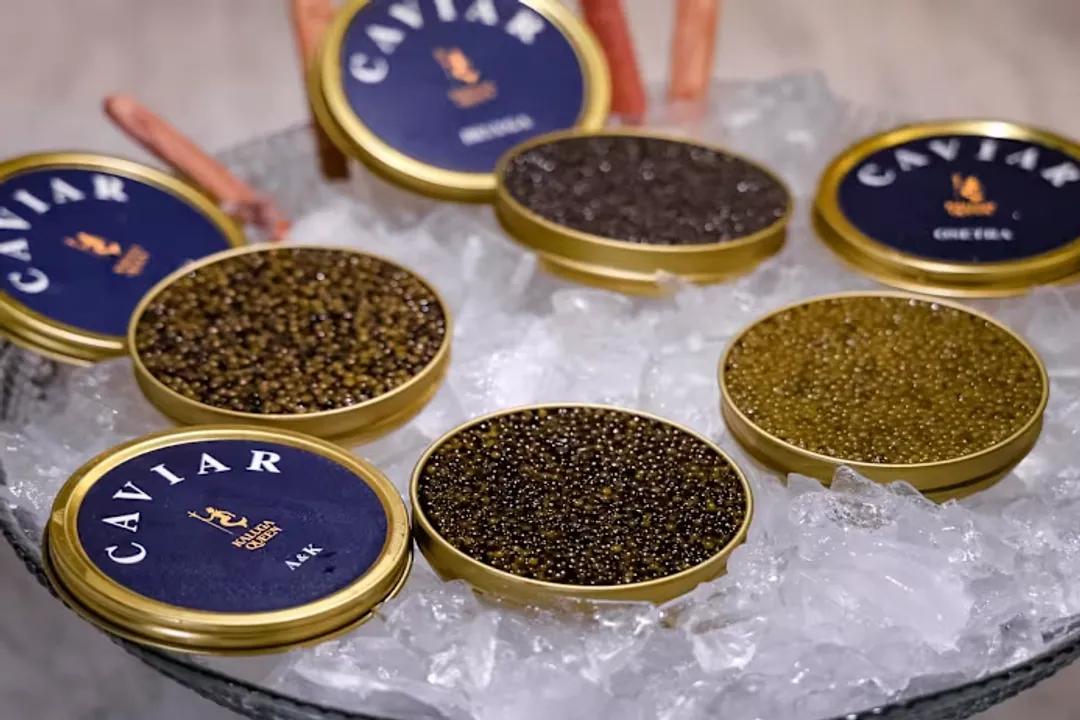
The emergence of Kaluga Queen caviar onto the global stage represents a significant shift in the luxury food landscape, moving the prestige once held solely by Caspian producers eastward. For connoisseurs accustomed to traditional sturgeon varieties, the immediate question centers on whether this product, originating from China, can genuinely compete in terms of flavor, texture, and overall quality. [3][4] The answer, supported by market reception and expert tasting notes, leans strongly toward affirmation, positioning Kaluga Queen as a premium contender rather than merely a budget alternative. [7]
# Taste Notes

The flavor profile described by those who have sampled Kaluga Queen frequently emphasizes a delicate richness that distinguishes it from more aggressively brined options. Many tasters note pronounced buttery and nutty undertones in the roe. [2][6] While it carries the essential salinity expected of fine caviar, the brine is often characterized as mild or well-integrated, allowing the inherent flavor of the sturgeon to come forward. [6] Some descriptions even suggest a subtle sweet finish depending on the specific grade and processing. [2]
Texture is another critical aspect of quality. Kaluga Queen caviar is often praised for its relatively large eggs and a satisfying, firm pop when pressed against the palate. [1] This desirable mouthfeel, coupled with its rich flavor, places it favorably when compared against established types like Osetra or Sevruga in blind tastings. [1][5] The consistency of these attributes across different batches is what truly speaks to the brand’s production standards. [4]
# Hybrid Source

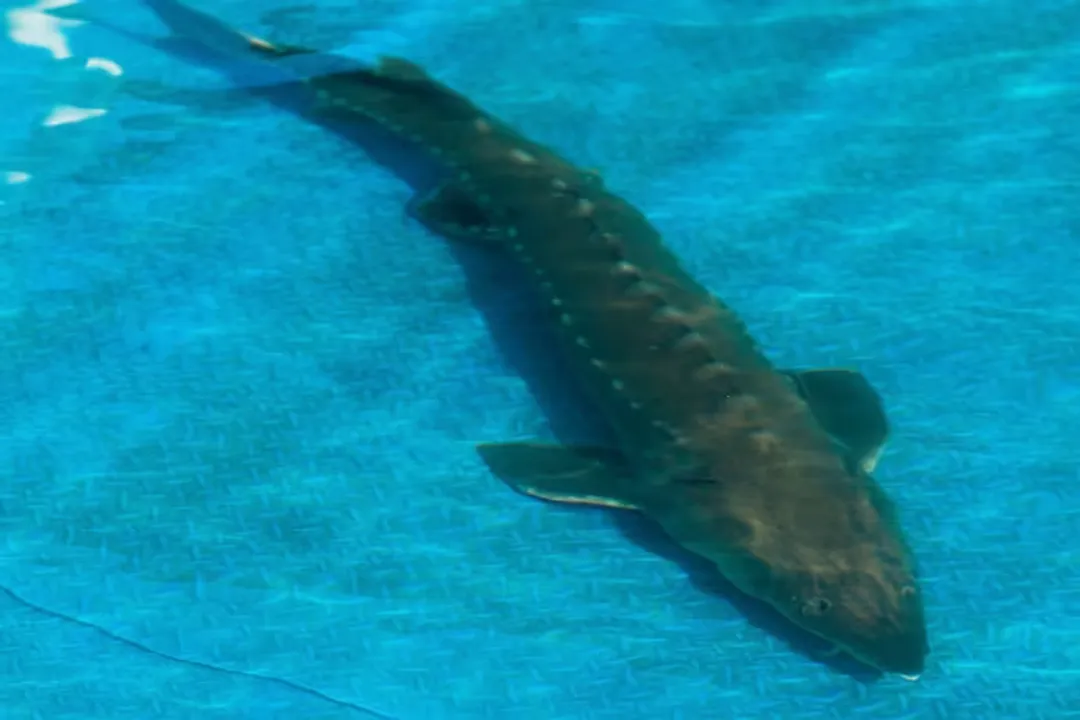
Understanding what Kaluga Queen caviar is made from is key to appreciating its taste. The product often comes from the Kaluga Hybrid sturgeon, which is a cross between the Kaluga sturgeon and the Amur sturgeon. [2][6] These are not wild-caught fish; rather, they are carefully farm-raised under controlled conditions in China. [2][6]
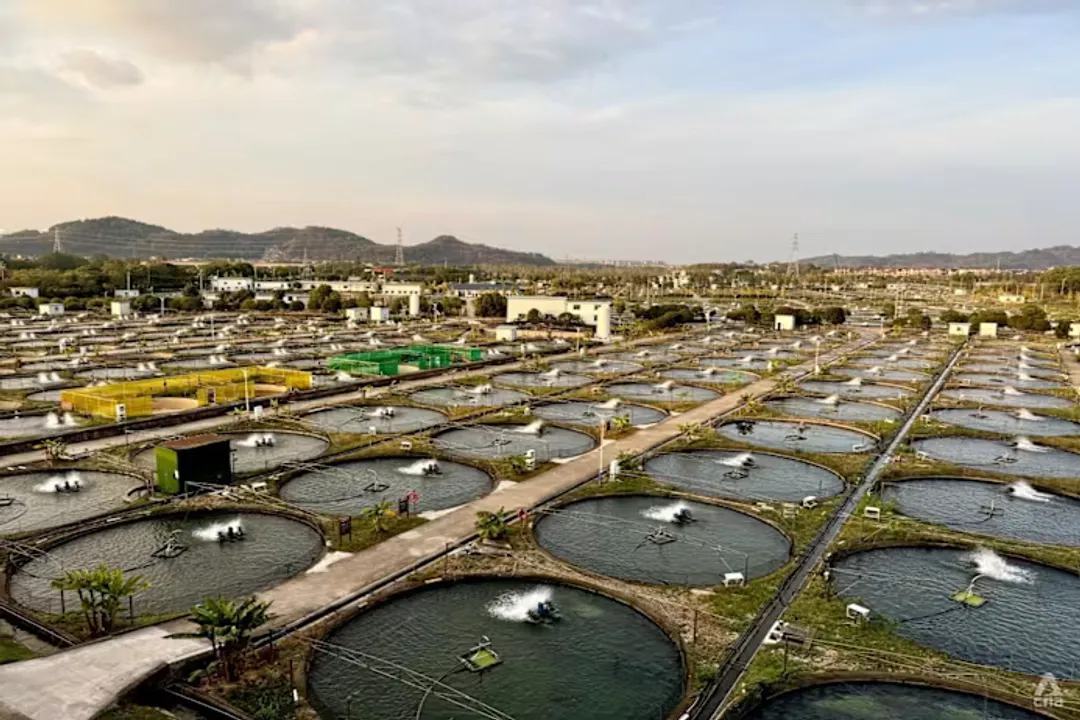
This farm-raised status is crucial in the modern luxury market. While the romantic ideal often involves wild Caspian sturgeon, aquaculture allows producers like Kaluga Queen to manage the environment, diet, and maturation cycle of the fish with precision. [4] This control directly translates to product consistency—a trait highly valued by chefs and importers who require reliable quality for their menus or inventory. [4] The specific genetics of the hybrid seem to lend themselves naturally to producing eggs with that sought-after nutty complexity. [2]
# Global Standing
Kaluga Queen has managed to secure significant prestige very rapidly, moving beyond being just another new brand in the proliferating caviar market. [9] A major factor contributing to its elevated status has been external validation, including historical ties to high-profile endorsements. [8] Reports have surfaced regarding its association with royal approval, specifically mentions of Queen Elizabeth II, which helped break down skepticism surrounding non-traditional caviar origins. [8]
This level of acceptance has cemented its position as a global player, often celebrated within the broader narrative of the Chinese caviar boom. [4][7] Its success highlights a shift where origin is becoming less of a barrier to entry than the actual quality metrics—color, firmness, flavor, and low salt content. [7] A product gaining such international traction suggests it consistently meets or exceeds global benchmarks set by centuries-old competitors. [7]
# Peer Review
When placed side-by-side with other high-end offerings, Kaluga Queen often holds its own because its profile doesn't attempt to exactly mimic traditional Caspian varieties but instead offers its own distinct character. [5] In comparisons between several Chinese brands, the Kaluga Queen line has frequently been noted for its cleaner profile. [5] While some Chinese caviars can lean toward a heavier mineral or muddy taste profile, Kaluga Queen seems to avoid these pitfalls, leaning into the sweeter and nuttier notes instead. [5]
Consider the context of a high-end seafood distributor. They are navigating a marketplace flooded with new labels. [9] Kaluga Queen has managed to cut through that noise not by being the cheapest, but by offering a reliable, high-grade product that justifies a premium price point based on sensory evaluation rather than just geographic heritage. [7]
The assurance of quality management in aquaculture provides a distinct advantage for buyers looking for consistency over time. Where wild-harvested caviar flavor can fluctuate dramatically season-to-season based on water temperature, salinity, and feed availability, the controlled environment of the Kaluga Queen farms theoretically minimizes these variables. [4] This predictability is invaluable when designing a fixed-price menu or ensuring brand continuity. [4]
When serving this particular caviar, appreciating its inherent buttery nature suggests a pairing that supports richness rather than fighting it with aggressive acidity or salt. For instance, rather than an intensely mineral white wine, a slightly richer, less-oaked Chardonnay or a very cold, neutral vodka works exceptionally well, allowing the nutty character to remain front and center in the palate experience. [1][6] Keeping the caviar just slightly warmer than ice-cold—perhaps allowing it to sit for five minutes after removal from the coldest part of the refrigerator—can often help unlock the full spectrum of its delicate buttery aromatics. [1]
Related Questions
#Citations
How does Kaluga caviar compare in flavor and texture to traditional ...
Kaluga Queen Premium Caviar
Kaluga Queen: The world's largest caviar producer in China
Caviar from China Has Become Some of the World's Most Coveted
A Tale of Three Chinese Caviars - Xtreme Foodies
Kaluga Hybrid - Sturgeon Caviar
Queen of the seas: Kaluga Queen caviar reigns the world - Gafencu
How Chinese caviar producer Kaluga Queen won customers around ...
Proliferation of Caviar Brands - What's behind it? - Food Talk Central