Are ceramic pots good for cooking?
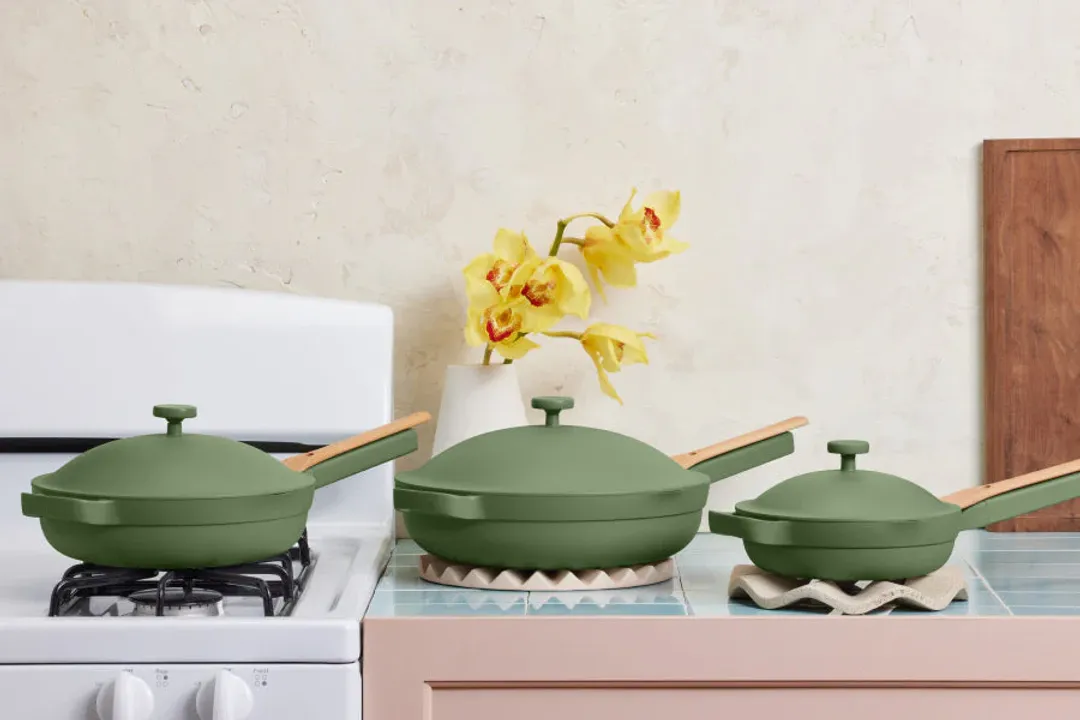
The discussion around ceramic pots in the kitchen often revolves around a fundamental question of practicality versus perception, particularly as consumers move away from traditional nonstick surfaces. When people refer to "ceramic pots," they are usually talking about cookware with a metal base—often aluminum or stainless steel—that has been coated with a ceramic material, which is generally silica-based. This coating is often marketed as a healthier or more environmentally friendly alternative to coatings containing PTFE or PFOA. The actual performance and safety of these pots depend heavily on the specific construction, the quality of the ceramic coating, and how the piece is intended to be used.
# Composition Clarity
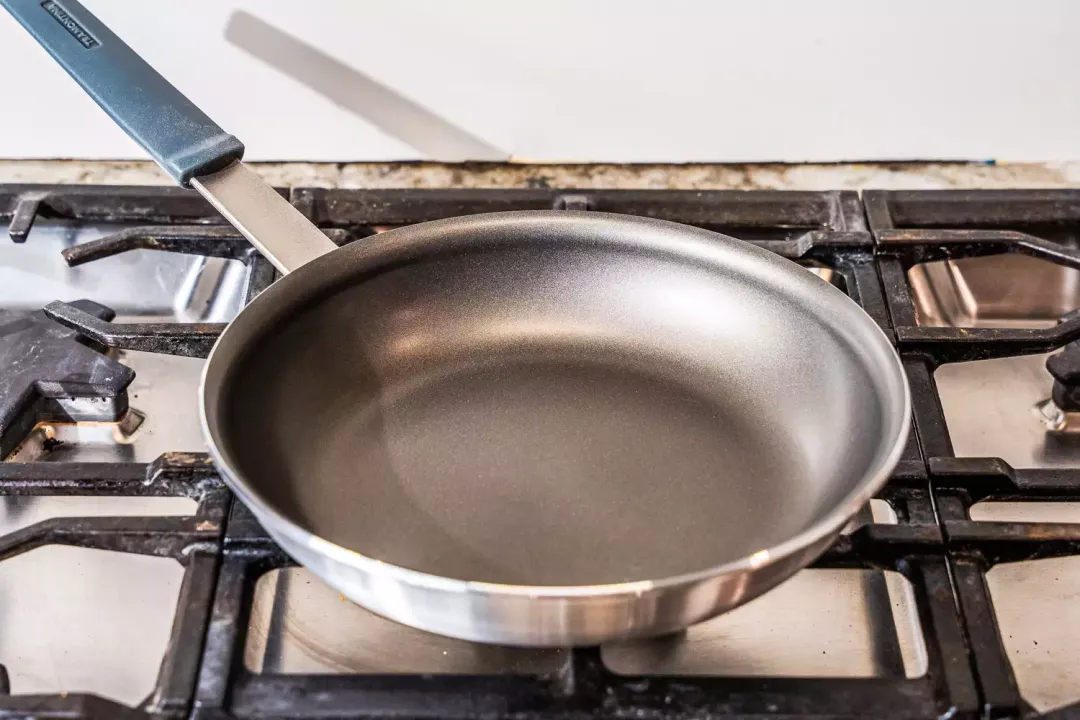
Understanding what comprises a ceramic pot is the first step in assessing its value for cooking. The term "ceramic" in this context usually describes the surface coating, not the entire pot structure. Most contemporary ceramic cookware utilizes a sol-gel derived coating. This process creates a hard, glass-like exterior that provides the nonstick quality many users seek.
It is important to differentiate true ceramic cookware from enameled cast iron, which also has a glass-like coating but fundamentally different heat retention properties due to its heavy base. For stovetop use, the underlying metal matters significantly, as it dictates how the pan interacts with the heat source. For instance, cookware designed for induction cooktops must have a ferromagnetic base, such as iron or magnetic stainless steel, even if the visible cooking surface is ceramic-coated.
# Stovetop Suitability
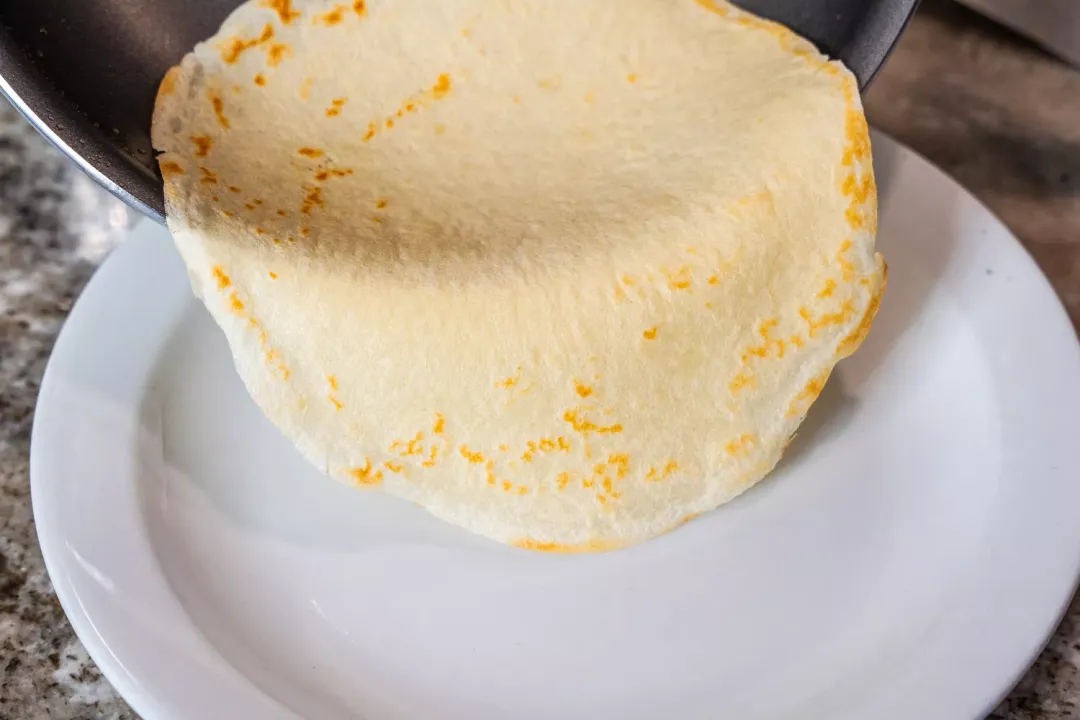
A common point of confusion for cooks considering ceramic pots is whether they are safe for direct heat on a stovetop, as opposed to just being oven-safe. The answer is generally yes, provided the manufacturer confirms stovetop compatibility. However, this compatibility is usually due to the metallic core rather than the ceramic layer itself.
Ceramic-coated cookware typically excels on electric coil and smooth glass cooktops, and many brands are engineered specifically for induction ranges. The performance on gas ranges can sometimes be less ideal; while usable, the open flame can cause uneven heating or potentially damage the exterior finish or handles if the flame spreads too far up the sides of the pan. One distinct advantage noted by users is that ceramic often heats up relatively quickly compared to some heavier traditional pans.
The application of heat requires careful management. Because the coating is essentially a hard layer over metal, rapid temperature changes can stress the materials, leading to potential failure of the coating. This means avoiding sudden temperature shocks is paramount for longevity.
# Advantages Noted
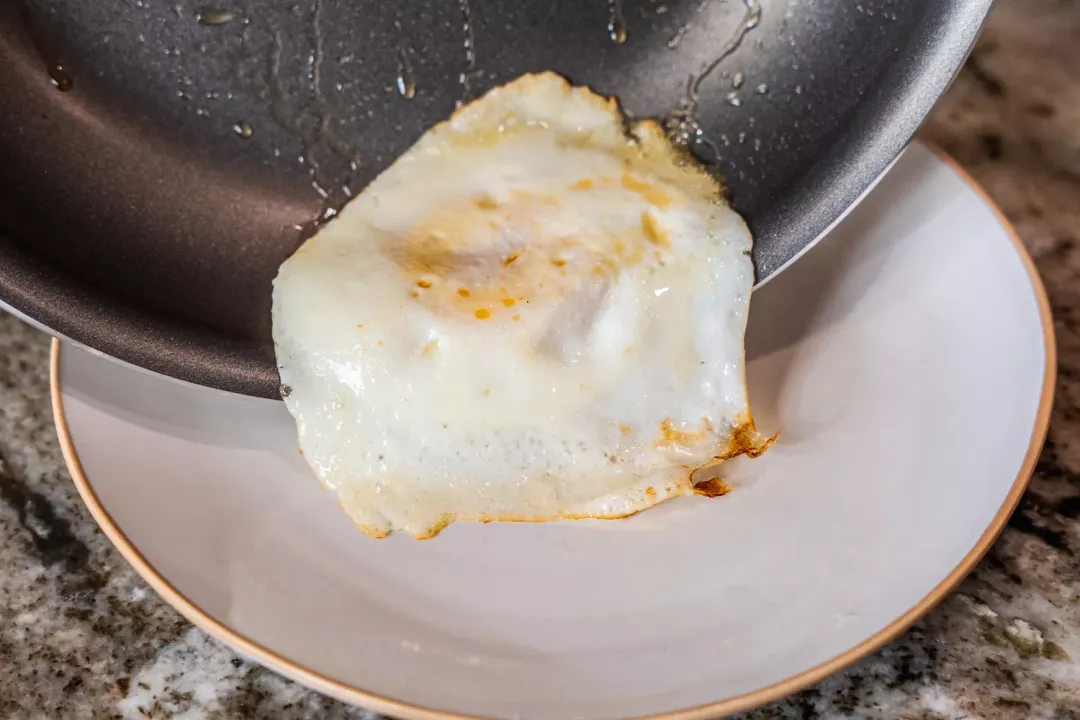
The appeal of ceramic cookware stems from several key benefits that align with modern cooking trends and health consciousness.
# Nonstick Performance
The primary draw for many cooks is the nonstick capability. A well-maintained ceramic surface allows food to release easily, often requiring less added oil or fat compared to stainless steel or cast iron. This property is beneficial for lower-fat cooking and minimizes frustration when cooking delicate items like eggs or pancakes.
# Material Safety
For health-aware consumers, ceramic coatings are frequently chosen because they are advertised as free from substances like PFOA, PTFE, and sometimes heavy metals. This perceived safety—the avoidance of chemicals that might leach into food at high temperatures—drives a significant portion of consumer interest in this category. Brands often emphasize that their ceramic nonstick is inert, meaning it does not react chemically with acidic foods.
# Aesthetics and Weight
Ceramic cookware frequently comes in a wide array of modern colors and attractive designs, which is a genuine selling point for home cooks who view their tools as part of their kitchen décor. Furthermore, many ceramic-over-aluminum models are noticeably lighter than their cast iron or traditional stainless steel counterparts, making them easier to handle, especially for cooks with mobility concerns or for tasks like tossing ingredients.
# Drawbacks and Limitations
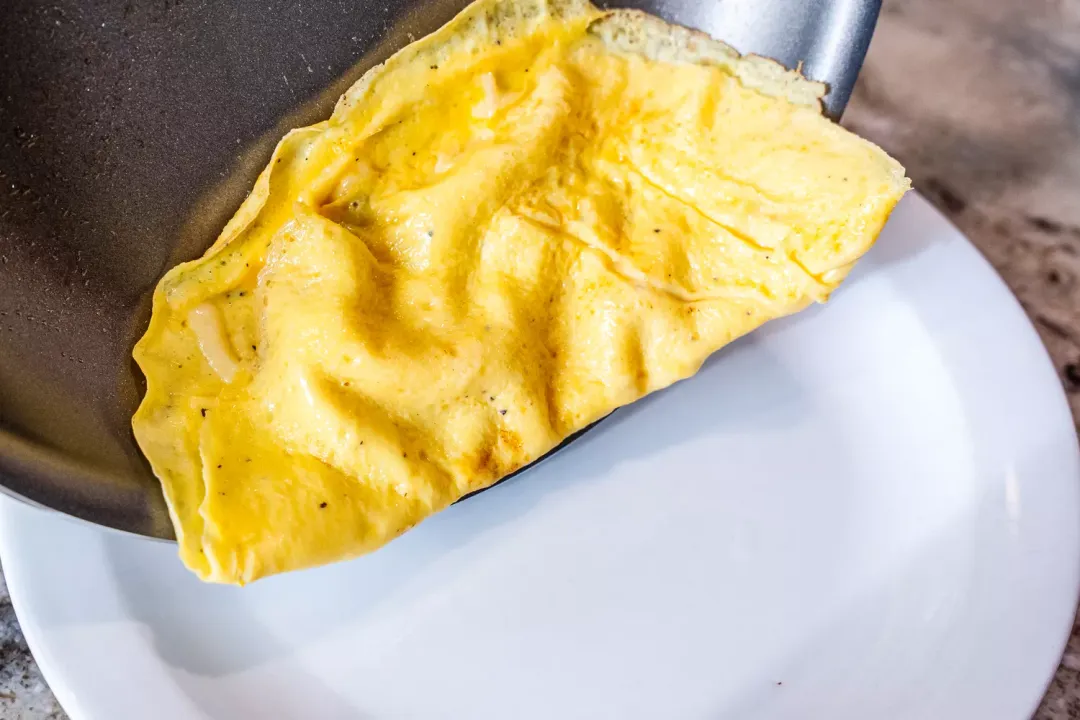
While the benefits are appealing, ceramic pots are not without significant trade-offs, many of which center on durability and long-term performance consistency.
# Durability Concerns
The hardness of the ceramic coating does not equate to indestructibility. The surface is susceptible to scratching, chipping, and abrasion. Metal utensils, abrasive scouring pads, and even strong impacts can compromise the smooth, nonstick layer. Once the coating is scratched, the underlying metal may become exposed, which can lead to sticking, degradation of performance, and, depending on the core material, potential reactions with food.
# Heat Consistency
While some sources mention quick heating, others point out that the heat distribution might not be as even as a heavy-gauge copper or clad stainless steel pan, particularly if the aluminum core is thin. Uneven heating can result in hot spots, leading to food burning in localized areas while other sections remain undercooked. This unevenness can be particularly noticeable in larger pots or skillets.
# Longevity of Nonstick
Perhaps the most frequent complaint gathered from user experience is the relatively short lifespan of the nonstick quality. Many cooks report that the initially excellent release properties begin to fade significantly after a year or two of regular use, even with careful handling. This accelerated degradation often necessitates replacing the cookware sooner than one might expect from traditional materials.
Here is a summary comparison of common cookware attributes as they relate to ceramic pots:
| Feature | Ceramic Cookware (Coated) | Traditional Nonstick (PTFE) | Heavy Stainless Steel/Cast Iron |
|---|---|---|---|
| Stovetop Safety | Generally yes, with metal core | Yes | Yes |
| Nonstick Initially | Very good | Excellent | Poor to Fair |
| Durability | Low to Medium (Susceptible to scratches) | Low (Coating degrades easily) | Very High |
| Toxicity Perception | Generally marketed as safe/non-toxic | Concerns over chemical leaching at high heat | Inert, very safe |
| Heat Retention | Moderate (Depends on core material) | Poor (Thin construction usually) | Excellent |
# Preserving Your Pots
Because ceramic cookware relies on the integrity of its surface coating, proper care is essential to maximize its cooking life. The effort required for maintenance often dictates whether a ceramic pot is deemed "good" in the long run.
# Utensil Selection
The simplest preventative measure is to restrict the tools used inside the pot. One must avoid using metal forks, spoons, or spatulas that can scrape the surface. Opting for wooden, silicone, or nylon tools is the standard recommendation to protect the sol-gel layer.
# Cleaning Protocol
Washing ceramic pots should always be done gently. Harsh scouring pads or highly abrasive cleaners can degrade the finish quickly. Allowing the pot to cool completely before washing is crucial to prevent thermal shock, which can weaken the bond between the coating and the metal base. While some manufacturers may claim dishwasher safety, hand washing with mild soap is often the gentler, more reliable method for preserving the nonstick properties over time.
# Temperature Management
Managing the introduction of heat is where many users unknowingly shorten their cookware's life. Never preheat an empty ceramic pan on high heat; this rapid temperature spike can damage the coating almost instantly. A better approach involves starting on low to medium heat, allowing the base metal to warm gradually for several minutes, and only then increasing the heat to the desired level. This gradual warming ensures the heat transfers evenly across the base before the cooking process begins, mitigating stress points in the ceramic layer.
Similarly, cooling requires patience. Never place a searing-hot ceramic pot directly into cold water or onto a cold countertop. Allow the pot to return to room temperature on the stove or a wooden trivet first. For example, if you finish sautéing vegetables at 400°F, resist the urge to rinse it immediately; a 15-minute rest period on the cooling stovetop is a worthwhile investment in the coating's lifespan, especially if the pot is aluminum-based, which transfers heat quickly. This mindful temperature transition minimizes the risk of warping or micro-cracking the coating, which eventually leads to sticking.
# Comparing Coatings
It is worth noting that not all ceramic coatings are identical, which is a key factor often glossed over in general product descriptions. Some premium lines may incorporate materials like diamond particles or enhanced minerals into their sol-gel base to boost scratch resistance and thermal stability. While the underlying physics of material expansion remain, these enhancements can result in a coating that resists the common degradation seen in basic, entry-level ceramic versions. This suggests that when investing in ceramic, the source and quality of the coating material itself are more telling than simply the word "ceramic".
# Application Fit
So, are ceramic pots "good" for cooking? They are excellent when their specific strengths are matched to the task and user expectations are managed realistically. They shine in situations where:
- Low-Fat Cooking is Desired: For morning eggs or searing fish fillets where minimal oil is preferred.
- Quick, Medium-Heat Jobs are Common: They heat up fast, making them convenient for quick reheating or simple sautés on lower settings.
- Aesthetics Matter: If the cookware needs to look good on display or move from stovetop to oven to table.
Conversely, they may not be the "best" choice for:
- High-Heat Searing: While possible, the coating may break down faster than bare stainless steel or cast iron when consistently used at very high temperatures necessary for a deep sear.
- Long-Term Durability: Cooks expecting a 20-year lifespan from a single piece should stick to heavier, more traditional materials.
For cooks moving from traditional Teflon, the switch to ceramic feels familiar in terms of food release, but requires a proactive shift in handling—treating the pan with the gentle respect previously reserved for the nonstick coating, but now applied to the whole piece to prevent thermal damage to the bond itself. If you commit to the gentle cleaning and careful preheating/cooling routine described above, a ceramic pot can be a pleasant and functional addition to the kitchen arsenal, offering a non-reactive, easy-release cooking surface.
Related Questions
#Citations
What are the Pros and Cons of Ceramic Cookware? - Made In
I'm sorry but why does everyone say ceramic is not a good safe ...
Is Ceramic Cookware Safe? Complete Explanation - Our Place
Ceramic Cookware: Everything You Need to Know
Toxic truth? The cookware craze redefining 'ceramic' and 'nontoxic'
Ceramic Nonstick Cookware for Sustainable Cooking - GreenPan©
Pros and Cons of Ceramic Cookware: An Overview - Caraway
Is it safe to use ceramic pots on a stove top? Are there any ... - Quora
Ceramic vs. Nonstick Cookware: Is One Better Than the Other?