What type of ceramic cookware is best?
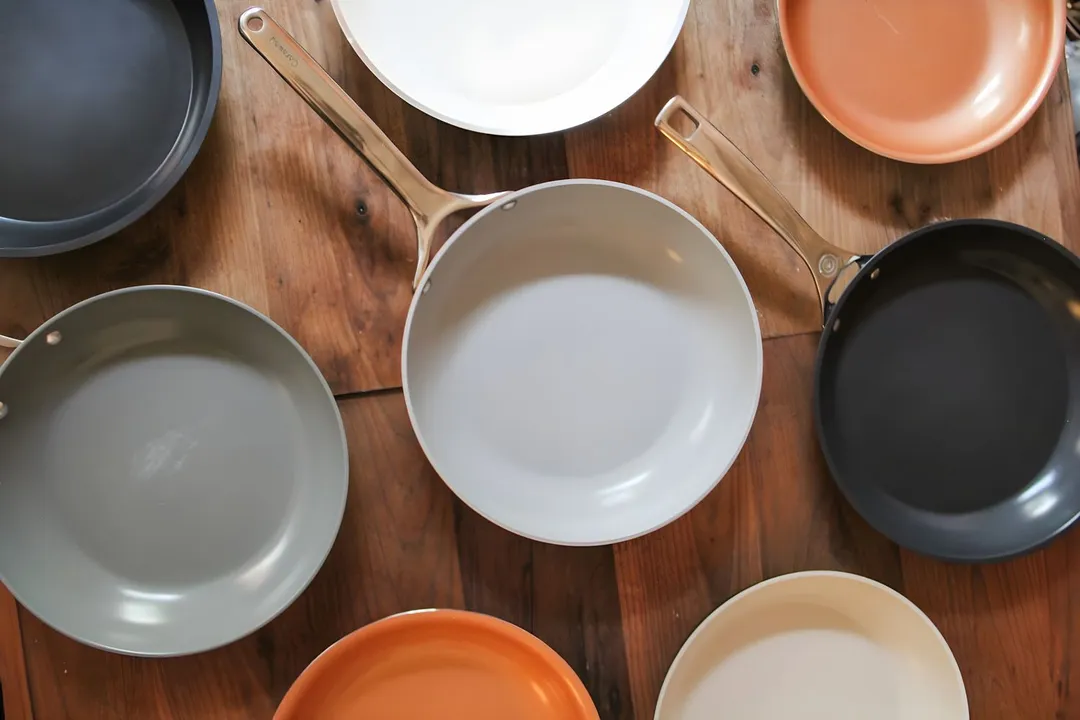
Choosing the right ceramic cookware involves navigating a landscape of coatings, core materials, and intended use. It is not a monolithic category; rather, it spans from thin coatings applied over familiar metals to vessels made entirely of baked clay. Understanding these distinctions is the first step to finding a set that genuinely suits your cooking habits and budget.
The primary driver for many consumers switching to ceramic is a desire for non-toxic alternatives. Traditional nonstick coatings often rely on PTFE (Polytetrafluoroethylene, known by the trade name Teflon) and are part of the broader group of PFAS, or "forever chemicals," which have raised health and environmental concerns due to their persistence. Ceramic coatings, in contrast, are usually derived from silica—a natural substance found in materials like beach sand and granite—and are generally manufactured without these questionable chemicals, such as PFOA and PTFE.
# Ceramic Types
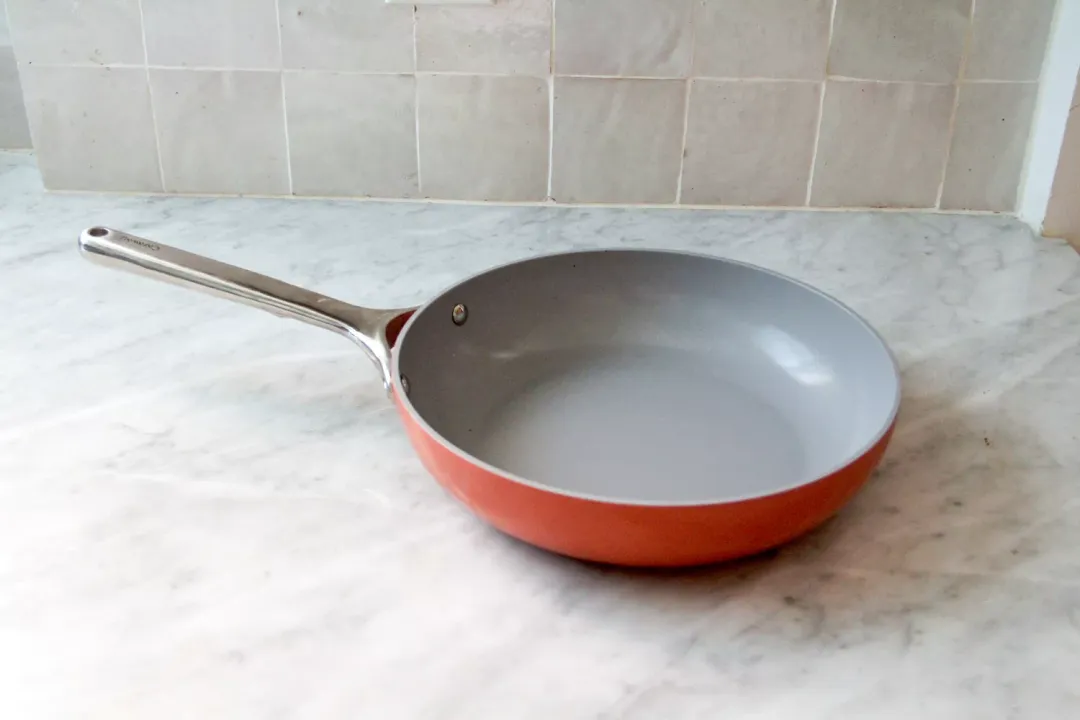
Ceramic cookware generally falls into two distinct families based on construction:
# Coated Construction
This is the most common type found on the market today. It involves taking a metal substrate—typically aluminum for good heat conduction, sometimes clad with stainless steel for induction compatibility or added structure—and applying a slick, nonstick layer through a sol-gel method.
Brands like Caraway, GreenPan, and Our Place utilize this method. While these pans offer exceptional nonstick properties initially, that performance is tied to the integrity of the coating. The nature of this applied layer means it has a finite lifespan, often lasting between one to five years depending heavily on the quality of the materials and the user’s care routine. Ceramic coatings are generally considered harder and less likely to flake than older chemical nonstick surfaces, but they will degrade over time, leading to stickier spots.
# Pure Composition
A rarer, purer form of ceramic cookware skips the metal core entirely, as seen with brands like Xtrema. These pieces are crafted from clay, water, and natural oxides, triple-fired at high temperatures. Because there is no applied coating over a metal, there is no concern about a coating chipping or flaking off, which some experts view as the cleanest possible option.
This pure construction offers excellent heat retention, ideal for low-and-slow cooking like soups and stews. However, pure ceramic cookware behaves differently than metal-core versions; it often requires slow, gentle preheating and can be more susceptible to cracking if subjected to sudden, drastic temperature changes. Furthermore, being metal-free, they usually require an induction disk to function on induction cooktops.
# Performance Trade-Offs
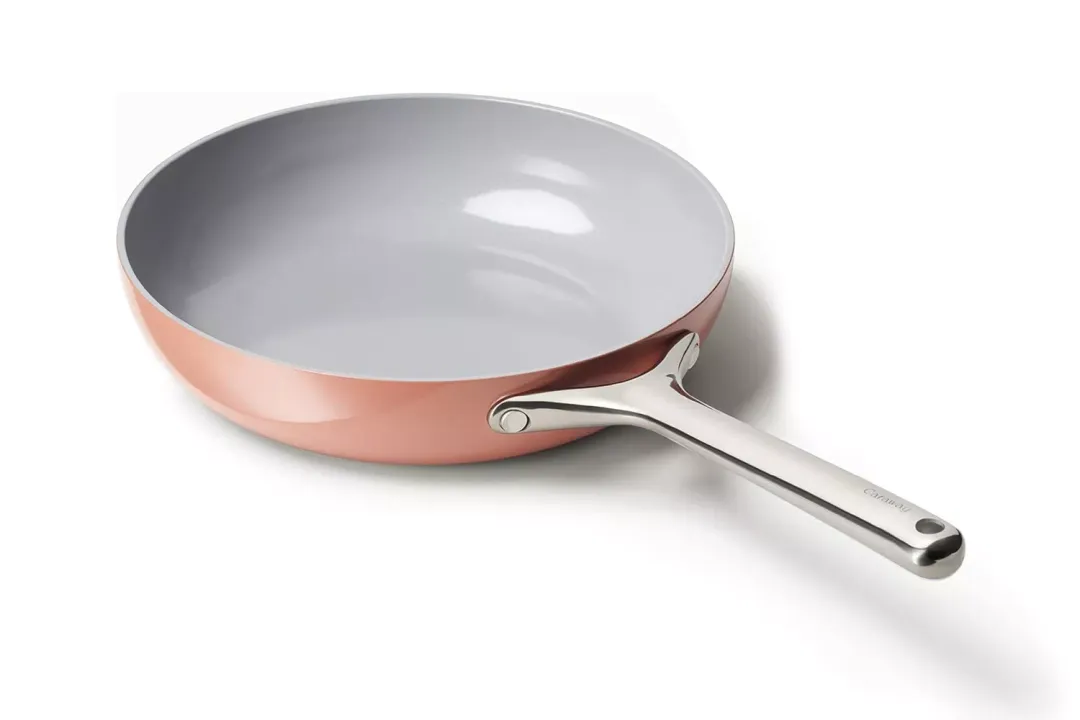
When comparing ceramic options, the search for the "best" comes down to balancing initial slickness, long-term durability, and the heat levels you typically cook at.
# Nonstick Magic
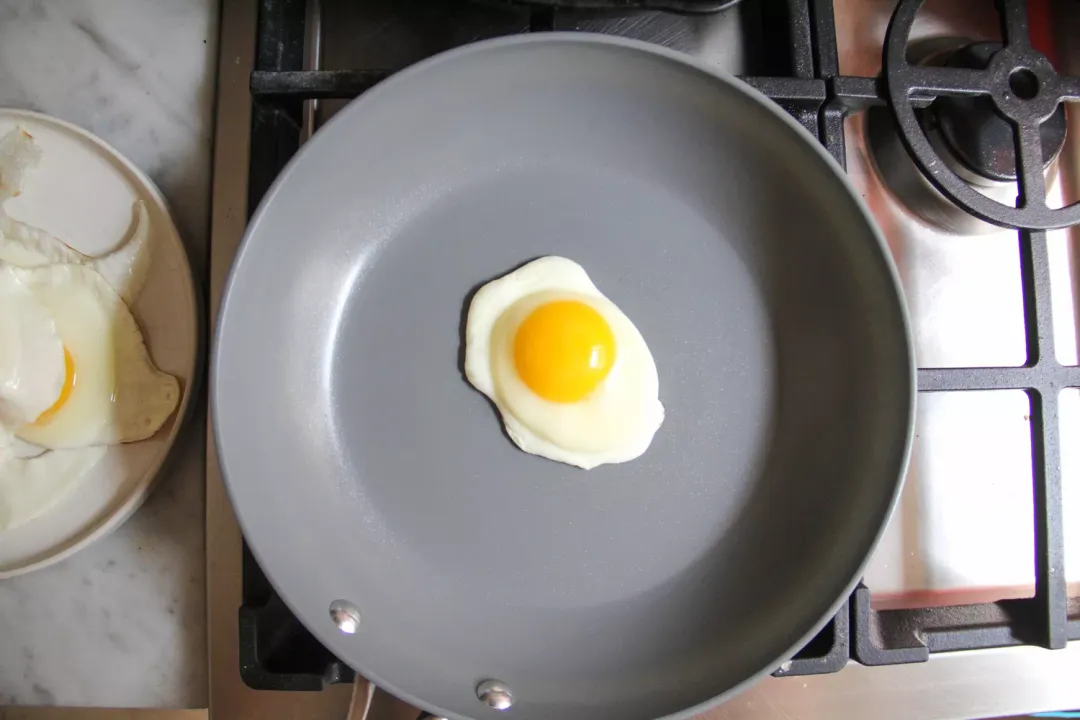
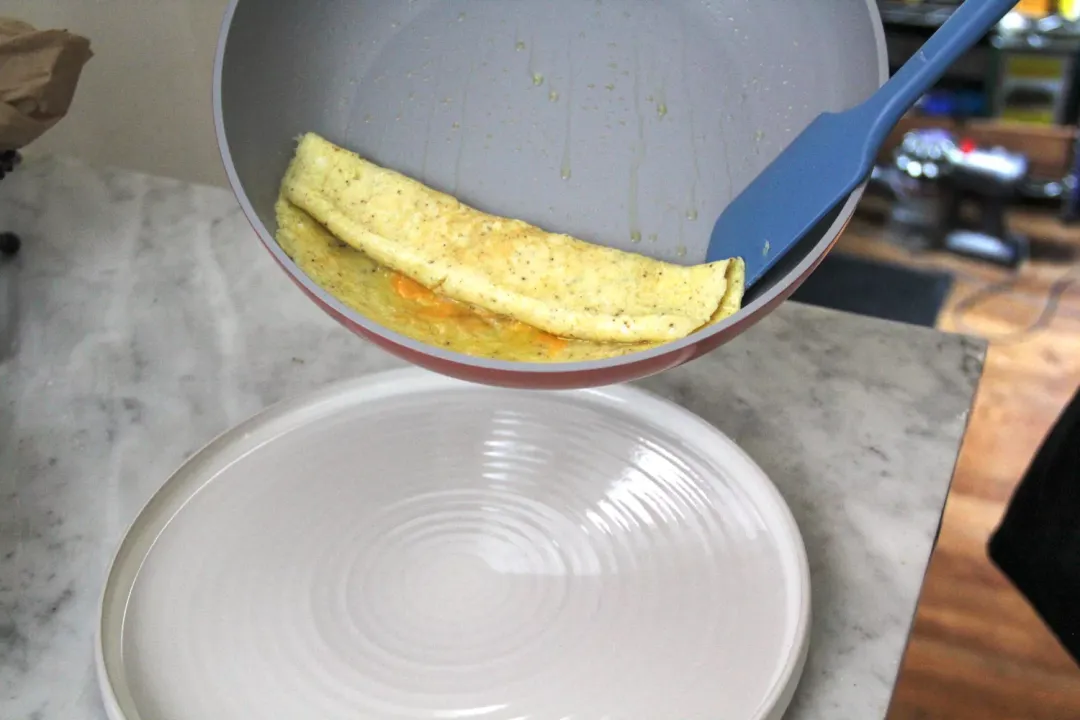
In head-to-head testing, the initial nonstick performance of high-quality ceramic pans is often outstanding, especially with low-moisture foods like eggs and crepes cooked without added fat. Some top performers, like Caraway, registered nearly perfect scores for nonstick release right out of the box. Similarly, the Our Place Titanium Pro line, while a different material type, scored exceptionally high for nonstick capabilities, even cleaning up easily after sticky foods like organ meats.
However, this initial "magic" inevitably fades. One analysis noted that if you are hard on ceramic nonstick—using high heat or rough utensils—its performance will gradually diminish, often within 18 to 24 months. Even the best coated pans should be retired once they show significant chipping or degradation.
# Durability and Utensils
Durability is a major distinguishing factor. Testing showed that many budget or mid-range ceramic skillets failed quickly when subjected to scraping with a metal fish spatula—a test used to simulate harsh use. Pans like the GreenLife Diamond Ceramic Skillet scratched immediately.
- Metal Utensils: Most manufacturers advise against metal utensils for any ceramic nonstick pan to preserve the coating. Some premium lines, like GreenPan GP5 (which uses a diamond-reinforced coating), claim metal utensil tolerance, which is a significant benefit for everyday ease of use. Viking PureGlide Pro, which is titanium-surfaced over stainless steel, also allows metal utensils due to its hardened surface.
- Material Core Matters: Cookware built on a hard-anodized aluminum base, such as the GreenPan Valencia Pro, often shows better structural resilience and scratch resistance than those made with standard aluminum.
If you view your cookware as an investment meant to last decades, the coated options will require more vigilance. Considering the lifespan difference is key to understanding the true cost. If a high-quality coated set costs 200 per year. A pure ceramic set costing 50 per year, even if the upfront cost is higher.
# Heat Management
Ceramic coatings are generally safer at higher temperatures than traditional PTFE coatings, which can off-gas if overheated. However, most ceramic nonstick pans perform best between medium and medium-low heat. Applying high, sustained heat is a known way to speed up the degradation of the nonstick surface.
There are exceptions, such as the GreenPan GP5, which can handle temperatures up to 850°F on the cooktop, allowing for better searing than typical ceramic. The Caraway pan also managed to sear a steak well in testing, outperforming many others in that regard. Conversely, Xtrema (pure ceramic) excels at heat retention but must be preheated slowly over low heat to achieve its best nonstick performance.
# Design and Feel
Beyond pure cooking performance, aesthetics and ergonomics play a large role in kitchen satisfaction.
# Weight and Handles
Weight is directly related to the core material and construction.
- Heavyweight Performers: Caraway pans are noted as being very heavy—one skillet weighed five pounds—which contributes to excellent heat distribution but may be challenging for cooks needing to toss or maneuver pans one-handed. Our Place Essentials are noted as being heavier than the Duo, similar in weight to GreenPan sets.
- Lightweight Options: Our Place Cookware Duo and Carote sets are characterized as being notably lightweight, which aids maneuverability but might not feel as "premium" or retain heat as evenly as heavier options.
- Handles: Handle design affects comfort and safety. Flat handles on some models (like Gotham Steel) dug into palms, whereas rounded handles distributed weight better. Our Place Essentials features stainless steel handles with silicone grips, which help keep them cooler than purely metal handles. Conversely, handles on Carote pans, which feature a rubber grip, make the set not oven-safe, as rubber can burn.
# Aesthetic Considerations
Brands often differentiate themselves through color and design. Caraway is praised for its modern, sleek look and extensive color palette, though users noted that the colored exteriors, particularly on frying pans, are prone to burning or staining from stovetop use. Our Place also focuses heavily on aesthetics with thoughtfully curated colorways and modular storage systems.
# Key Brands Reviewed
To distill the choice, we can look at how specific, highly-rated brands performed across key metrics:
| Brand/Line | Core Feature | Durability Note | Oven Safety (Pan) | Best For |
|---|---|---|---|---|
| Caraway | Modern Design, Excellent Initial Nonstick | Scratch-resistant initially, but exteriors stain easily | Up to 550°F | Aesthetics and reliable initial nonstick performance. |
| GreenPan Valencia Pro | Hard Anodized, Diamond Reinforced Coating | Time-tested durability; tolerates some high heat use | Up to 600°F | Everyday reliability and scratch resilience. |
| GreenPan GP5 | Diamond-Infused (Infinite8), Hybrid Tech | Metal utensil tolerant; thick body aids longevity | Up to 600°F | Maximum performance and utensil tolerance in a coated pan. |
| Our Place Duo | Multifunctionality, Lightweight Aluminum Core | Good nonstick for its lighter weight | Up to 450°F | Compact kitchens and versatile, multi-purpose cooking. |
| Xtrema | 100% Pure Ceramic (No Metal Core) | Can last a lifetime with proper heat management | Up to 600°F | Purity advocates; best for slow, low-temperature cooking. |
It is worth noting that while many sets claim dishwasher safety, the consensus among experts is that hand-washing with a gentle sponge will always prolong the life of any nonstick surface, ceramic or otherwise.
# Maximizing Ceramic Cookware Life
Since longevity is the inherent weakness of most ceramic coated cookware, adopting strict handling habits is the best way to protect your investment.
- Temperature Discipline: Resist the urge to crank the heat for searing or browning. Stick to medium or medium-low heat for most tasks to protect the coating from premature breakdown. If you need high heat for a hard sear, look specifically for hybrid or specially reinforced lines like the GreenPan GP5.
- Utensil Selection: Unless the manufacturer explicitly states otherwise (and even then, exercise caution), default to silicone or wood utensils. Metal utensils, even by accident, can cause irreversible scratches that compromise the nonstick function.
- Cleaning Protocol: Always hand-wash with soft sponges or cloths. Abrasive pads, like the rough side of a standard dish sponge, can act like sandpaper on the slick surface. If stuck food occurs, use the gentle deglazing method: add water, warm gently on low heat, and use a wooden spoon to coax the residue away before washing.
If you prioritize ease of use and a beautiful presentation, brands like Caraway offer a high aesthetic appeal upfront. However, if durability against daily wear—including accidental metal utensil use or frequent high-heat cooking—is your primary concern, then exploring options reinforced with diamonds or hard-anodized construction, such as GreenPan's Valencia Pro or GP5 lines, might offer a better return on investment over the short term. For those prioritizing material purity above all else, the trade-off for pure ceramic, like Xtrema, means adjusting your cooking technique to accommodate its heat retention properties. Ultimately, the "best" ceramic cookware aligns with the cooking style you embrace most often.
Related Questions
#Citations
The 4 Best Ceramic Nonstick Pans of 2025, Tested & Reviewed
9 Best Ceramic Cookware Sets 2026: Chef Tested, Ranked
Trying to find a good quality ceramic pan set that isn't “top of the line ...
Ceramic Pots, Pans & Cookware Sets | Calphalon
The Best Nontoxic Pans Rated | Mimi's Organic Eats
Ceramic Cookware - Non-Toxic Pots & Pans - Our Place
Ceramic Nonstick Cookware for Sustainable Cooking - GreenPan©
The 6 Best Ceramic Cookware Sets, Tested & Reviewed
Non-Toxic Ceramic-Coated Cookware - Caraway