What type of alcohol is Sapporo?
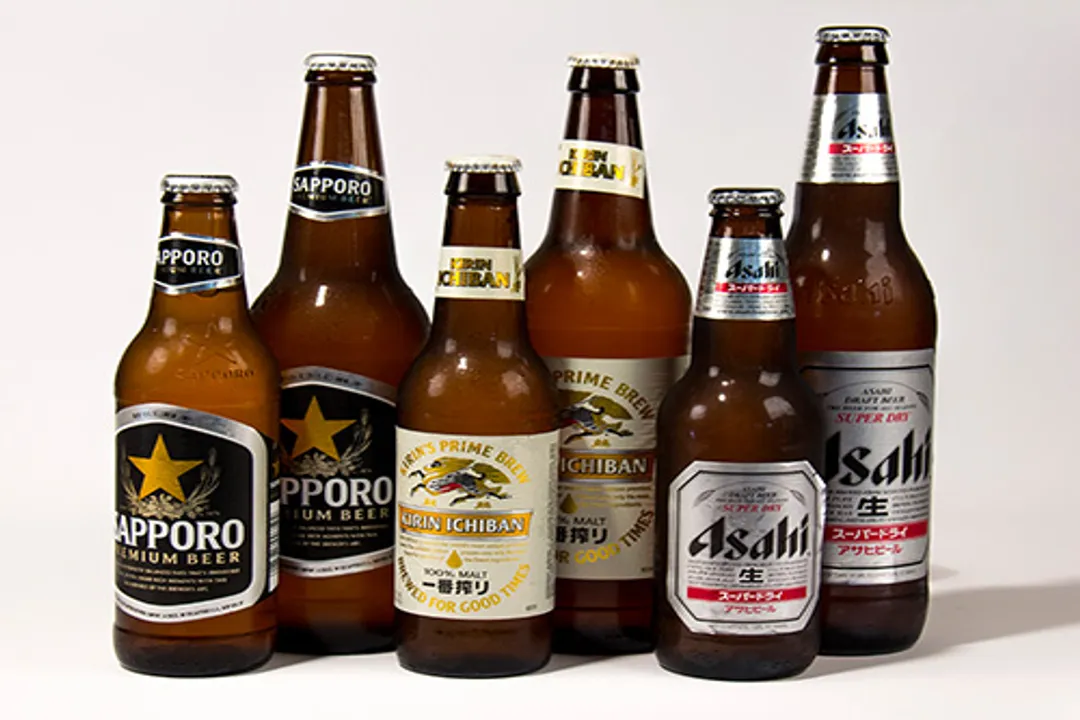
The fundamental identity of Sapporo alcohol centers around beer, making it one of Japan's most recognizable brewing exports. It is not a spirit, wine, or liqueur; rather, it falls squarely into the category of lager, specifically categorized as a pale lager. The flagship offering, Sapporo Premium Beer, exemplifies this style, though the company produces a broader range of beverages. Understanding what Sapporo is requires looking past the brand name to the style of brew it represents and the tradition from which it emerged.
# Japanese Roots
Sapporo Breweries traces its origins back to the Meiji era, a time of rapid modernization in Japan. The company was established in 1876 in Sapporo, Hokkaido. This historical context is important because it places Sapporo at the forefront of modern brewing in the country. While Germany and the Czech Republic are known for older, more traditional brewing methods, Sapporo was born out of a desire to incorporate Western brewing science into Japanese production. This early establishment allows the company to claim authority as one of Japan’s oldest beer brands. The brewing headquarters and initial production facilities were founded by Seibei Nakagawa, who trained in Germany, bringing back the technical knowledge to launch the enterprise.
# Style Classification
Sapporo Premium Beer is classically defined as a pale lager. In the world of beer, "lager" refers to the type of yeast used, Saccharomyces pastorianus, which ferments at cooler temperatures and results in a cleaner, crisper profile compared to ales. Japanese lagers, including Sapporo Premium, are often brewed using adjuncts like rice alongside barley malt. This inclusion of rice is a common characteristic in many major Japanese beers and plays a significant role in the final product's taste and body.
The specific makeup of Sapporo Premium generally includes water, malted barley, hops, and rice. While some enthusiasts might discuss the exact ratio of malt to adjuncts, the resulting beer adheres to the general characteristics of a pale lager: it is light in color, relatively dry, and highly drinkable. This clean profile contrasts sharply with the heavier, malt-forward nature of many European dark lagers or the hop intensity of American craft IPAs.
When comparing the mainstream Sapporo Premium to, for instance, an American adjunct lager, the difference often lies in consistency and refinement. Reviewers frequently note that Sapporo maintains a high standard of quality across its mass-produced bottles and cans. This commitment to consistency helps maintain its reputation even when sold internationally.

# ABV Details
The alcohol by volume, or ABV, for the standard Sapporo Premium Beer is consistently reported at 5.0%. This places it right in the middle of the standard ABV range for a typical international pale lager. For context, many light American lagers sit slightly lower, perhaps around 4.2% to 4.5%, while stronger international lagers might push closer to 6.0%.
It is worthwhile to note that the ABV is a direct indicator of the beer's relative "lightness" or "heaviness" in terms of flavor intensity, as higher alcohol usually correlates with more residual sugars or more intense malt character, though this is not an absolute rule. A 5.0% ABV beer is engineered for sessionability—the ability to drink more than one over the course of an evening without becoming quickly overwhelmed by alcohol or flavor.
# Product Range
While the 5.0% ABV Premium Lager is the most widely recognized product available in the international market, Sapporo Breweries manufactures several other distinct types of beer that fall outside this primary classification. The company portfolio showcases their versatility and their understanding of different consumer preferences.
For instance, Sapporo offers options such as:
- Yebisu Beer: This is often considered a premium offering from the company, frequently brewed as a German-style dark or black beer (Dunkel) or a Pilsner, rather than a standard pale lager. This showcases their capability in traditional European styles.
- Sapporo Black Label: While the name might suggest a dark beer, depending on the market, this is often synonymous with the standard Premium Lager, but sometimes refers to specific dark varieties brewed for the domestic market.
- Sapporo Reserve Lager: A product line that might offer subtle variations in malt bill or brewing time, leading to a slightly different mouthfeel or flavor depth than the Premium line.
It is important for consumers to check the label, as packaging and product names can sometimes vary slightly between the Japanese domestic market and international exports. A consumer looking for an actual dark beer should specifically seek out names like Yebisu Dark, rather than assuming "Black Label" implies a stout or porter.
# Taste Notes
Describing the flavor profile of Sapporo Premium Beer often revolves around words like crisp, clean, and refreshing. This aligns perfectly with its identity as a pale lager designed for easy drinking, especially in warmer climates or alongside rich food.
The use of rice as an adjunct lightens the body significantly compared to an all-malt beer. This results in a relatively low-bitterness experience, meaning the hop character does not dominate the palate. Instead, one should expect a subtle sweetness from the malt foundation, followed by a quick, dry finish. Some reviewers describe a slight, almost metallic or mineral edge, which contributes to its perceived briskness. The carbonation level is typically medium to high, adding to the effervescent and cleansing mouthfeel that people often seek out in this style.
If you are accustomed to the pronounced hop aroma of an American craft beer, Sapporo's aroma will seem mild—primarily dominated by faint malt and perhaps a hint of grain. It is not a beer meant to shout its ingredients; it is meant to accompany the moment.

# Market Context
The strategic use of rice in Japanese lagers like Sapporo is an interesting divergence from purely European brewing traditions. Historically, after World War II, grain shortages and import costs in Japan made barley an expensive primary ingredient. Brewers adapted by substituting a portion of the barley malt with rice, a readily available local staple. This necessity evolved into a stylistic signature. Where a German brewer might use adjuncts for cost-saving in a budget beer, in Japan, the rice adjunct became integral to achieving the desired light texture and clean flavor profile that the market demanded. This is a crucial distinction: for Sapporo, rice isn't just filler; it's part of the established flavor system that defines the modern Japanese lager style, contrasting with the purity standards often prioritized by certain European guilds.
# Pairing Advice
Given its light body, 5.0% ABV, and crisp finish, Sapporo Premium functions exceptionally well as a culinary counterpart, particularly for dishes with intense or complex flavors. This beer shines where a heavier brew would clash or overwhelm the palate.
If you are hosting a meal featuring sushi, sashimi, or other delicate raw preparations, reaching for a Sapporo is often a safer bet than a highly hopped IPA or a rich stout. The beer's high carbonation and low bitterness act as a palate scrubber, cutting through the fattiness of raw fish or the slight salinity of soy sauce without adding competing flavor notes. Another excellent application is with spicy Asian cuisine, such as Korean BBQ or Thai green curry. The beer’s cold temperature and clean finish provide immediate relief from capsaicin heat, acting almost like a liquid palate cleanser between bites, which is far more effective than trying to match spice with an equally intense alcoholic beverage. This is an instance where a beer’s lack of dominant character becomes its greatest strength.

# Availability Formats
Sapporo is distributed widely across the globe, available in various standardized packaging options that consumers expect from major international brands. The most common formats seen outside of Japan include:
- Bottles: Typically sold in 12-ounce bottles. These are often the standard brown glass, offering moderate protection from light degradation. Draft versions, sometimes available in bottles, also circulate.
- Cans: Standard aluminum cans, also commonly found in 12-ounce sizes.
- Multi-packs: Packaging is frequently sold in 6-packs or 12-packs for retail convenience.
For those seeking the most traditional experience, some dedicated retailers might carry the draft version, which offers a slightly different textural experience due to being poured from a keg rather than directly from a sealed container. However, the overwhelming majority of international consumption occurs via bottles and cans of the Premium Lager. Regardless of the container, the core beer type—the Japanese rice lager—remains the same.
Related Questions
#Citations
Sapporo Breweries - Wikipedia
Sapporo Premium Beer – Alcohol Content, Reviews - Sushi Runner
Sapporo Premium • 6pk Bottle - Spec's
Discover Our Premium Brews - Sapporo Beers
Understanding the Alcohol Content in Sapporo Premium Beer -
SAPPORO PREMIUM BEER 6PK 12OZ BTLS - UFS
Sapporo Premium Beer 22 oz. Can - Vine Republic
Sapporo Draft Bottles 12OZ - Crescent Wine & Spirits
How do we feel about Sapporo? : r/beer - Reddit