What is special about Sapporo beer?
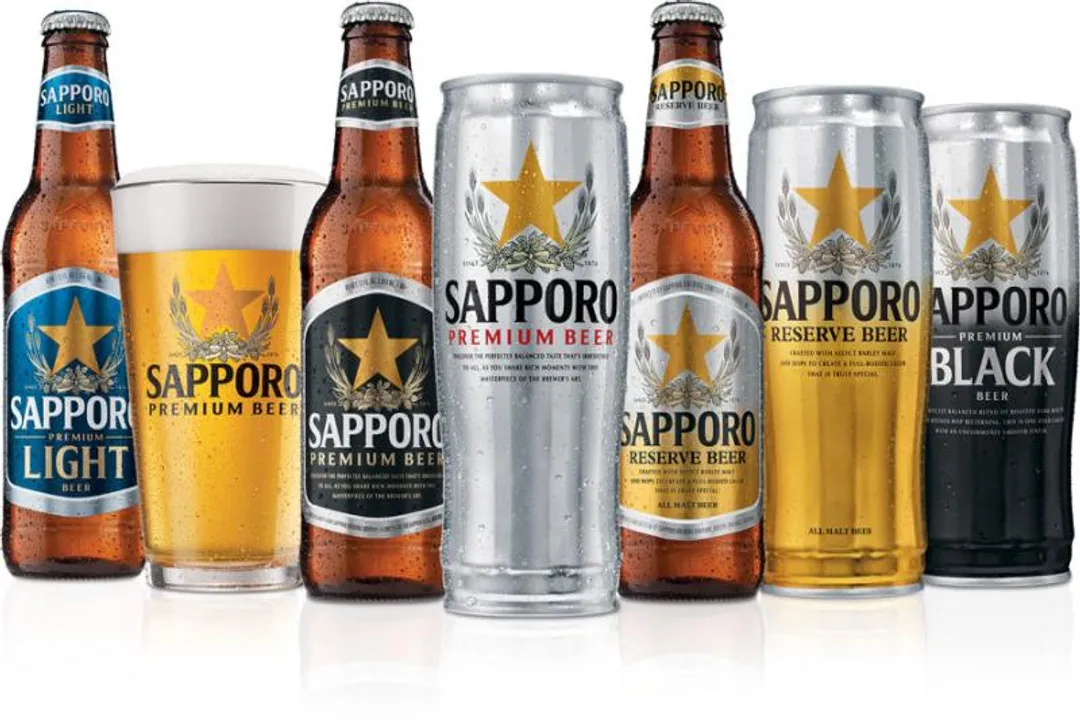
Sapporo beer holds a distinct place in the global beverage landscape, often being one of the first Japanese brews recognized widely outside of Asia. Its character is deeply tied to a history that predates many of its competitors, firmly rooting it in a specific era of Japanese industrialization and brewing modernization. [5]
# Early Roots

The story of Sapporo Breweries begins in Hokkaido, Japan's northernmost main island. [5] The company lays claim to being Japan’s first domestic beer brewery, having officially started operations with the founding of the Sapporo Beer Brewery in 1876. [3][5] This timing is significant, occurring during the Meiji Restoration, a period of rapid modernization where Japan looked to the West for industrial and scientific expertise. [3] A key figure in this founding effort was Seibei Nakagawa, who traveled to Germany to study brewing science before returning to apply those lessons in Sapporo. [3] This early adoption of European brewing knowledge, particularly German methods, fundamentally shaped the style of beer that would become the brand's signature offering. [3][5] The very association with Hokkaido gives the brand a unique geographic anchor compared to breweries established later in more densely populated areas like Tokyo or Osaka. [5]
# Flavor Standard
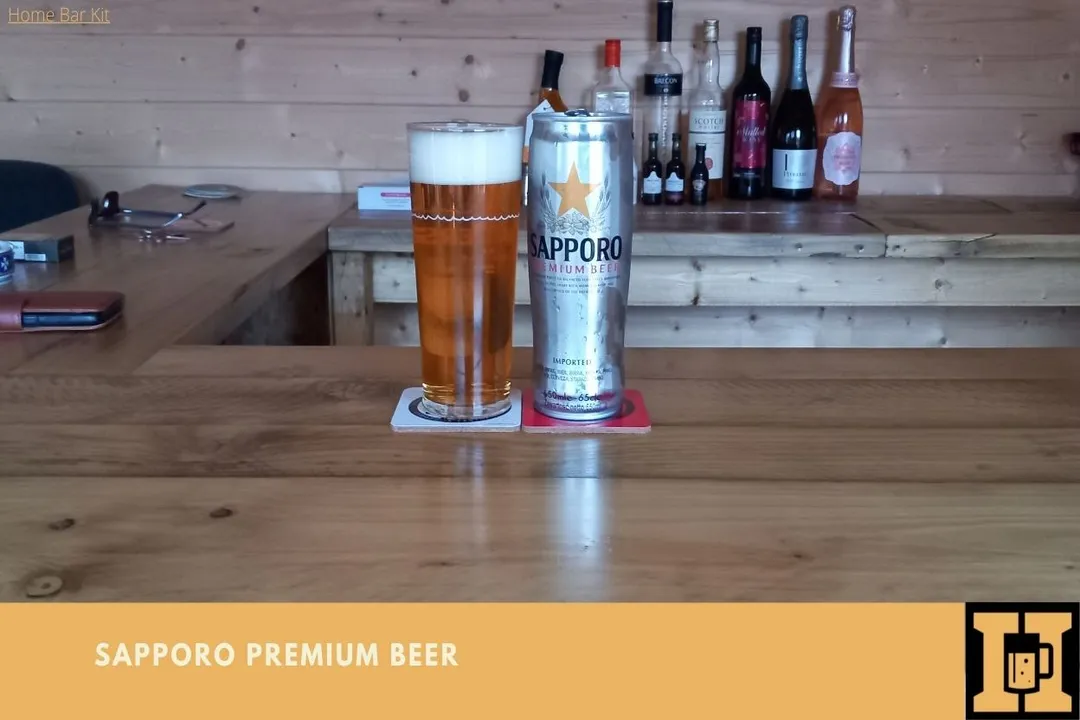
When people discuss Sapporo, they are usually referring to the flagship Sapporo Premium Beer. [1][7] This beverage adheres closely to the archetype of a pale lager, but it distinguishes itself through specific tactile and sensory qualities. [9][7] It is consistently described by drinkers as being remarkably crisp and clean on the palate. [1][7] Furthermore, a common characteristic noted across reviews is its dry finish. [1][7] This dryness suggests a beer that finishes clean without lingering sweetness, making it highly refreshing, particularly in warmer weather or alongside rich foods. [7] The commitment to this profile is maintained through rigorous quality control over ingredients and the brewing process itself. [1]

# Craft Focus

The process behind achieving this recognizable taste profile involves more than just blending standard ingredients; it speaks to a dedication to precision. While many mass-market lagers can lean toward a muted flavor profile, Sapporo’s intention seems to be focused on balance and clarity. [1] If you examine the typical characteristics praised in Japanese lagers generally, they emphasize an almost ethereal lightness of body combined with a sharp, clean hop presence that doesn't dominate the malt base. [7] This delicate equilibrium requires skilled fermentation management to ensure the yeast expresses itself cleanly, leaving behind the precise level of residual sugar necessary for that celebrated dryness. [1] It is this intentional restraint—the avoidance of heavy body or overly pronounced malt notes—that sets the style apart from more malt-forward European or American lagers of a similar color. [7]
# Variations Offered
While the Premium Lager is the international icon, the company has adapted its offerings to meet contemporary consumer trends, recognizing that "special" can mean different things to different drinkers. [8] For example, the introduction of Sapporo Pure demonstrates an awareness of the market for lighter alternatives. [8] Sapporo Pure is explicitly marketed as a light beer, suggesting a lower-calorie count and a noticeably lighter body than its premium counterpart. [8] This move allows the brewery to appeal to consumers who enjoy the Sapporo brand name and quality expectation but prefer a less substantial drink for casual consumption or extended sipping sessions. [8] This strategic portfolio expansion shows the brand isn't resting solely on its historical 1876 recipe but is actively engaging with modern preferences for lower-alcohol or lower-calorie options. [8]
# Food Pairing
The crisp, dry nature of Sapporo Premium makes it a fantastic companion for food, though its utility extends beyond simple accompaniment. [1][7] In Japanese contexts, it is a natural partner for raw preparations like sushi or delicate fried items like tempura, where a heavy beer would easily overwhelm the subtle flavors. [2] However, the real magic of its assertive crispness often appears when paired with stronger flavors. An insightful application is pairing it not just with sushi or tempura, but specifically with dishes featuring umami-heavy, oil-rich sauces, such as tonkatsu or yakiniku. The beer's dryness acts like a liquid squeeze of lemon, cutting through the fat without clashing with complex savory notes, effectively cleansing the palate between bites of heavily seasoned meat or sauce-coated food. [1][7]
# Public Reception
Consumer perception of Sapporo often falls into a few distinct camps, especially when discussed within enthusiast communities. [2] For many, it serves as a reliable benchmark—a baseline of high-quality Japanese brewing that drinkers can count on when other options are unavailable or when they desire something predictably refreshing. [2] It is the beer that many non-Japanese drinkers first encountered and associate with the category. [3] Some beer aficionados might describe it as perfectly acceptable, a solid standard lager that performs its function well but perhaps doesn't offer the extreme complexity found in craft-brewed specialties. [2] Conversely, other drinkers place it high on their preferred lists, sometimes ranking it favorably against other international lagers due to its signature dry finish and lack of noticeable off-flavors. [9] The consistency across different regions and years seems to be a major factor in its enduring reputation and accessibility in international markets. [3]
Related Questions
#Citations
Buy Sapporo Premium Beer | Amazingly Crisp
How do we feel about Sapporo? : r/beer - Reddit
Sapporo Breweries - Wikipedia
Sapporo Beer: The Taste and History of Japan - Wonders of the World
SAPPORO PREMIUM BEER
Sapporo Premium Beer, What Is It Like? | Rate My Beer - Home Bar Kit
Sapporo Pure, An Exceptional Light Beer from the Japanese Icon ...
13 Japanese Beers Available In The US, Ranked - Tasting Table