What's so special about filter coffee?
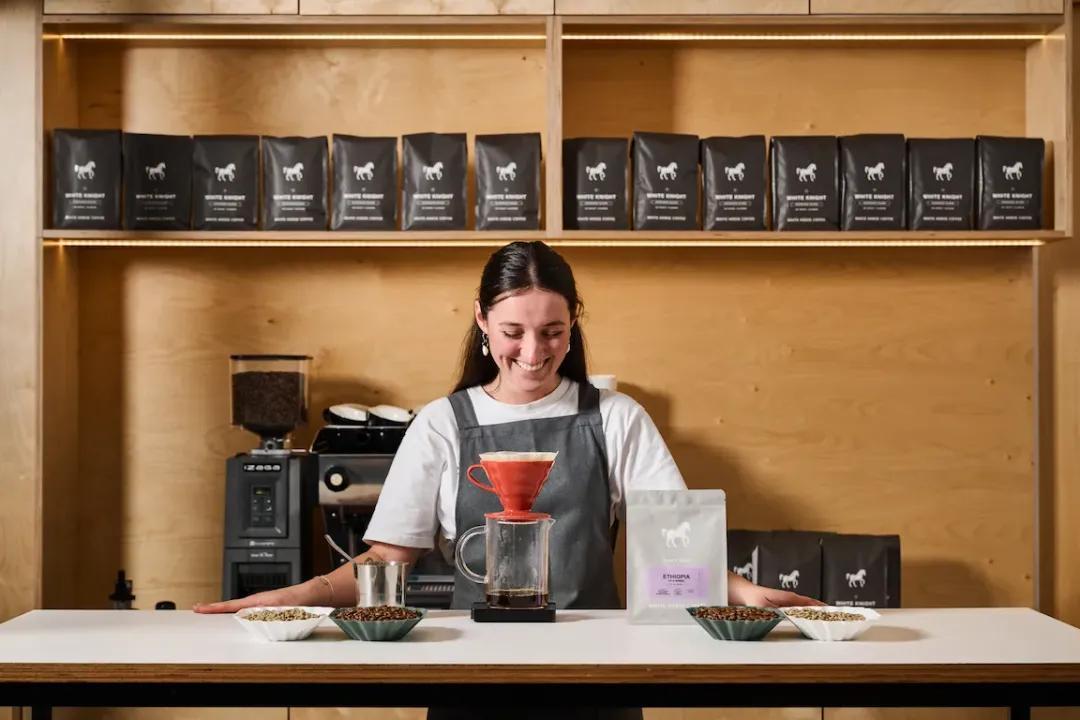
The defining feature of filter coffee, the one that often sparks spirited debate among aficionados, lies in its distinct ability to present coffee flavor with exceptional clarity, a stark contrast to the heavier body often associated with espresso or full immersion brewing methods. [6] It is a method rooted in percolation, where hot water showers or drips through a bed of ground coffee held within a filter medium, extracting desirable compounds as it passes through before settling in the vessel below. [2] This deliberate passage is what sets the stage for the resulting cup's character.
# Defining Method
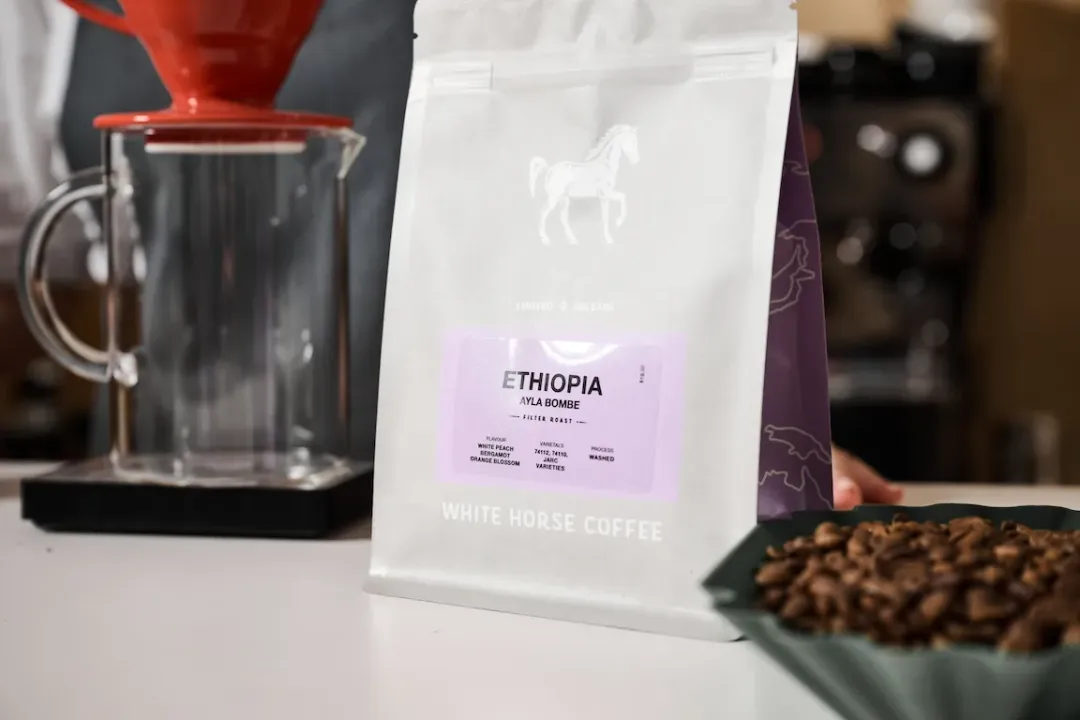
At its most fundamental, filter coffee relies on gravity and separation. The process requires three main components: the coffee grounds, water, and a filtering agent. [6] That filtering agent can vary significantly, ranging from fine paper to metal mesh or even cloth, and this choice has immediate ramifications for the final brew. [2] Unlike an immersion brew, where the grounds steep entirely in water for the duration, filter brewing is a continuous flow process where the contact time between the water and the grounds is carefully controlled by factors like grind size and the flow rate of the water itself. [2][8]
Some methods, like those employing a paper filter, are highly efficient at trapping fines and the natural coffee oils, often referred to as diterpenes. [6] This results in a visually clean cup with a lighter texture on the palate. The slow drip allows for a precise extraction window where the soluble flavors are drawn out sequentially.
# Flavor Clarity

The "specialness" many people find in filter coffee is its capacity for nuance. When brewed correctly, this method shines a spotlight on the delicate characteristics of the bean itself, highlighting origin notes like specific fruits, florals, or subtle acidity that might otherwise be masked by the heavy mouthfeel of a pressure-brewed shot. [5][6] When you taste a really well-made pour-over, you are experiencing the coffee's inherent profile without the density that espresso carries. [4]
The choice of filter medium critically shapes this clarity. For example, a metal filter, often found in reusable baskets or traditional apparatus, allows more of the coffee’s natural fats and micro-particles to pass through into the cup. [6] This adds body and weight, making the coffee feel richer and coating the tongue more fully, moving it slightly away from the "pure clarity" that paper offers, but still maintaining a cleaner profile than a full immersion method like a French press. [2] Think of it as a spectrum: ultra-clear with paper on one end, heavy body with metal/immersion on the other, with filter coffee existing across that range depending on the apparatus used.
# South Indian Brew
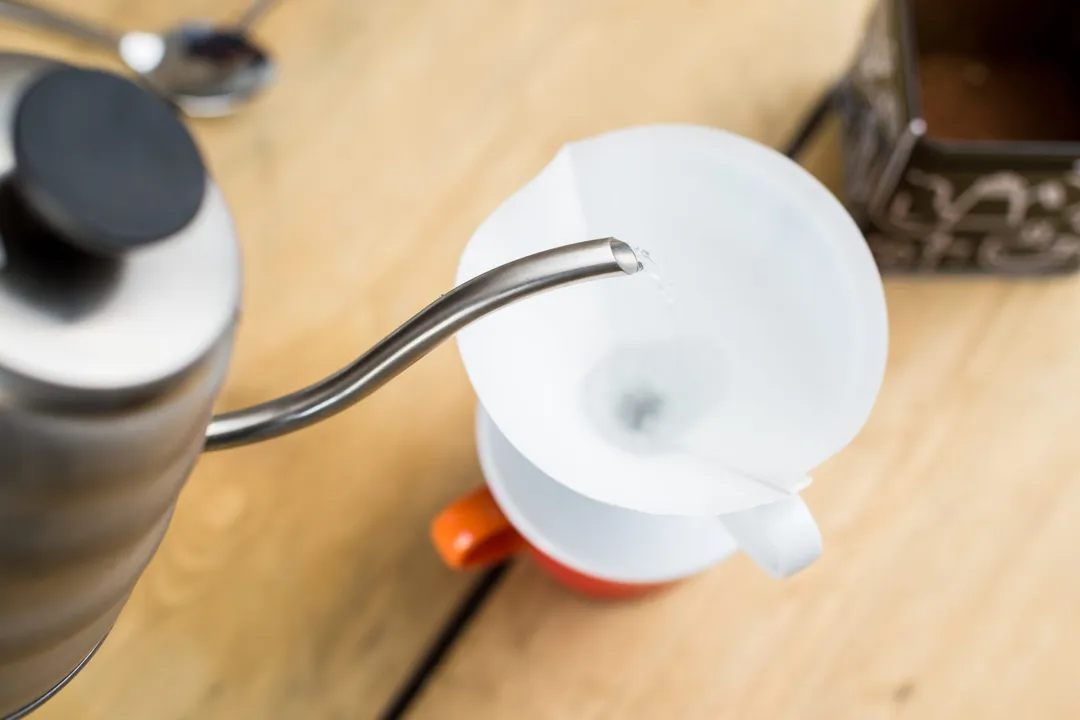
A deeply revered and unique expression of filter coffee comes from South India. This method is distinct in its preparation and serving tradition. [3] The apparatus itself is typically a two-chambered metal device where hot water is poured over finely ground coffee resting in the top chamber. Gravity slowly draws the water through the compacted grounds, creating a highly concentrated liquid called decoction in the lower chamber. [3]
This decoction is not consumed directly like a standard espresso shot; instead, it forms the potent base of the beverage. [7] Traditionally, this strong coffee is mixed with hot, frothed milk and sugar, often using a circular, high-pouring technique to aerate and combine the ingredients perfectly. [7] The use of chicory blended with the coffee grounds is also common in this preparation, adding a characteristic slight bitterness and deeper color to the final product. [3] For many, the special nature of South Indian filter coffee is intrinsically tied to this ritual and the comforting, familiar sweetness and temperature it offers. [7]
# Brewing Precision
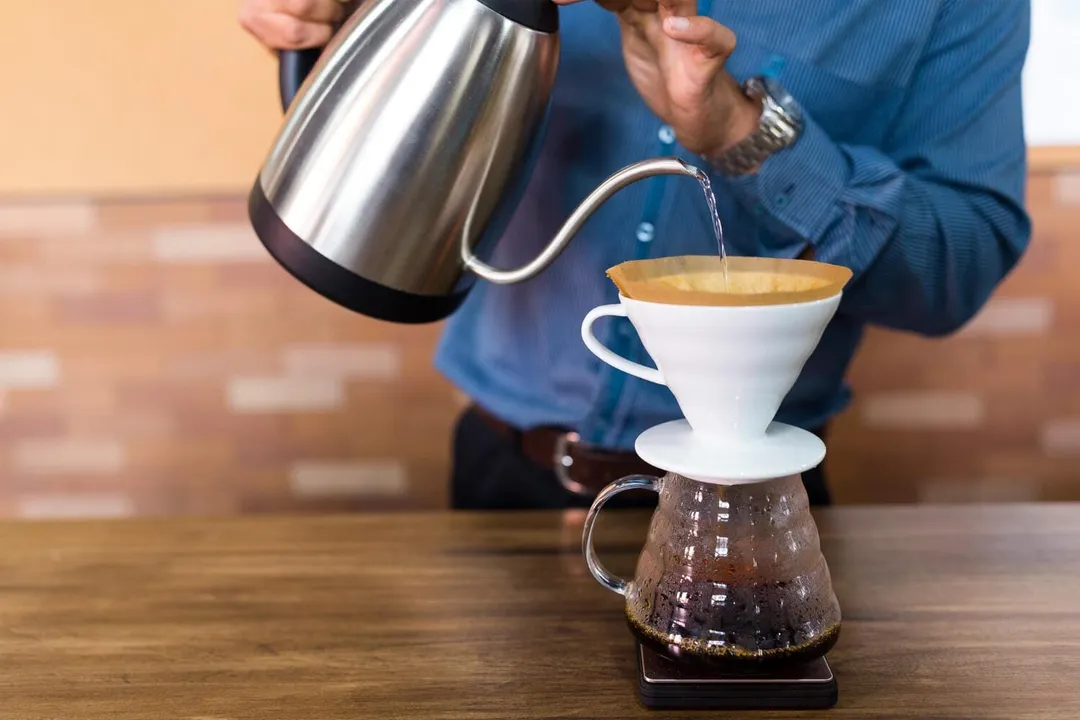
While filter coffee can seem simple—just pouring water over grounds—achieving that exceptional clarity requires strict attention to variables, making it a rewarding discipline for the brewer. [8] The relationship between the coffee's particle size and the water’s temperature dictates extraction success. [8]
If the grind is too coarse, the water rushes through too quickly, resulting in an under-extracted, sour, or weak cup. If the grind is too fine, the brew chokes, leading to over-extraction, bitterness, and often a slow, frustrating drip. [8] Finding the right middle ground, specific to the device being used (a V60 requires a different grind than a standard automatic drip machine), is essential. [2][8]
The water temperature is equally unforgiving. Water that is too cool will fail to dissolve the desirable solids, leaving the coffee flat. Conversely, water that is too hot can scorch the grounds, pulling out harsh, bitter compounds too quickly. [8] A commonly cited ideal range centers around 195°F to 205°F (or about 90°C to 96°C). [2] For those seeking absolute consistency in a home setting, ensuring the entire brewing system—kettle, dripper, and server—is pre-warmed before the actual brew begins makes a surprising difference. This seemingly small step prevents the cold ceramic or glass from immediately robbing thermal energy from the brew water upon contact, stabilizing the extraction temperature right when the contact starts, which otherwise can cause a momentary, flavor-damaging temperature drop. [8]
# The Ritual Aspect
Beyond the physical properties, filter coffee holds a special place because of the ritual it encourages. Unlike pressing a button on a super-automatic machine, manual drip brewing demands presence and attention. [5] The slow, controlled act of pouring—whether in measured spirals or a steady stream—is meditative for many practitioners. [4]
This method inherently invites experimentation, which appeals to those who enjoy tweaking variables to chase a specific flavor outcome. [5] The ability to adjust the ratio of coffee to water, the grind size, the pour speed, and the bloom time means that the same bag of beans can yield slightly different, yet always interesting, results day to day. [8] It becomes less about a standardized product and more about a tailored daily craft. [4] This personal investment in the brewing process is often cited as a major reason why many coffee enthusiasts prefer it over faster, more automated alternatives. [4][5]
Related Questions
#Citations
Confounded as to why I find filter coffee to taste more intense than ...
Filter Coffee Explained: Complete Guide to Brewing Methods & Best ...
South Indian Filter Coffee Is Like No Coffee You've Had Before
What is so special about filter coffee? - Quora
Why is Filter Coffee so Popular?
What is Filter Coffee? A Barista's Guide
5 Reasons People Love Indian Filter Coffee - Sleepy Owl
A Beginners Guide to Brewing Filter Coffee
What is the essence of filter coffee in the south? - Facebook