What is so special about filter coffee?
# Gravity Brew
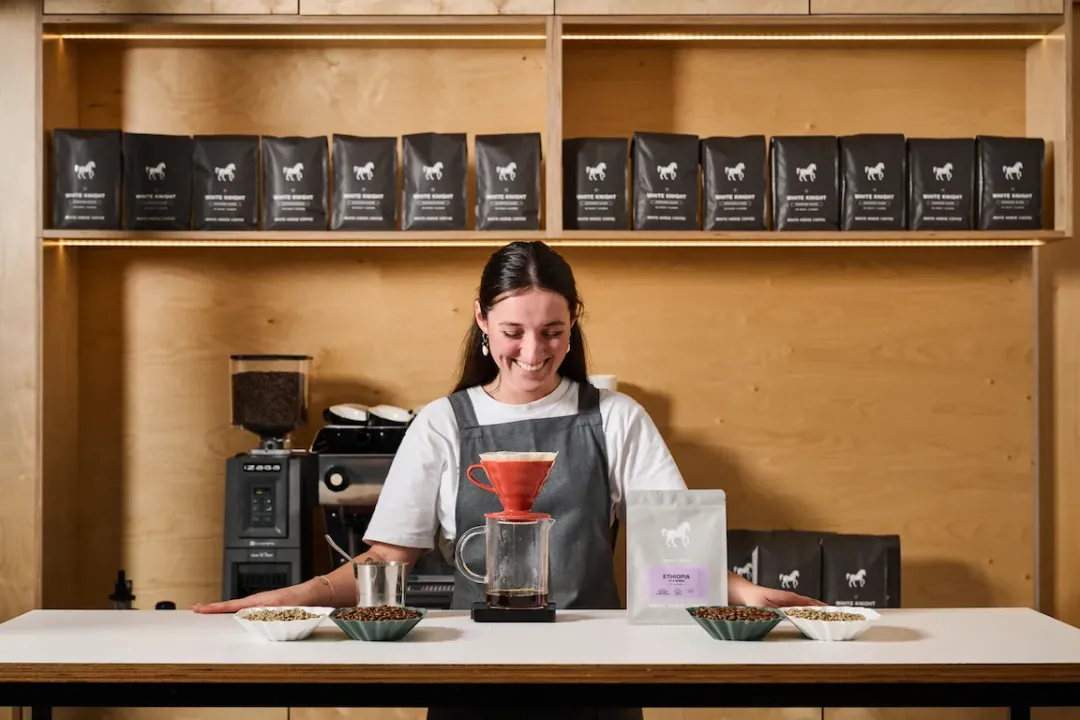
Filter coffee, sometimes simply called filtered coffee, represents one of the oldest and most enduring ways humans have prepared their daily cup. At its heart, the method is elegantly simple: hot water passes slowly through coffee grounds held within a filter, relying entirely on the force of gravity to draw the liquid through. This process, known as percolation brewing, stands in direct contrast to pressurized methods like espresso, allowing for a gentle extraction of the coffee’s soluble compounds. This distinction is precisely what sets filter coffee apart, delivering a brew that is characteristically clean, balanced, and wonderfully nuanced. The invention of the paper filter itself, credited to Melitta Bentz in 1908, made this particular style widely accessible, and it remains a standard across much of the world, representing roughly 80% of global coffee consumption.
# Flavor Clarity
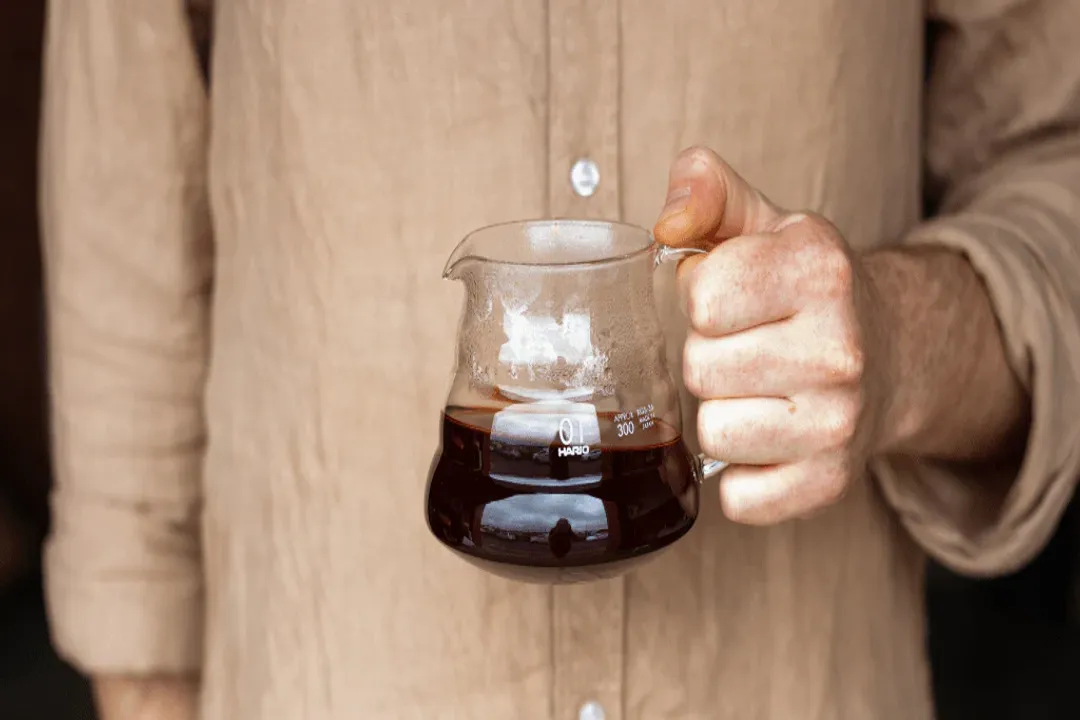
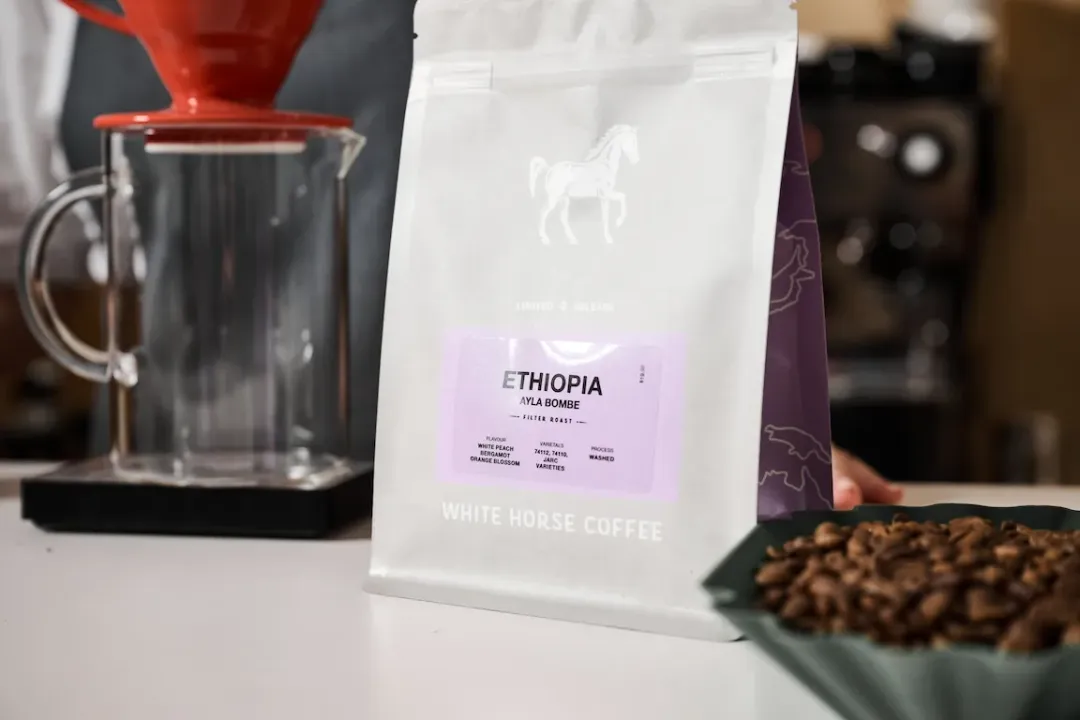
The magic behind filter coffee’s special reputation lies in the clarity of the final cup. When using a paper filter, the material does a remarkable job of separating the liquid brew from the coffee oils and fine sediment that normally pass through metal mesh or are suspended in unfiltered coffee. This removal of heavier elements results in a remarkably "transparent" cup. For the coffee aficionado, this clarity is paramount because it allows the specific origin characteristics of the bean—the subtle fruit notes, floral aromatics, or inherent sweetness—to shine through without being masked by heavy body or bitterness. The slower percolation time afforded by the filter also permits the grounds to steep gently, giving them the chance to express their unique body and finish in a less aggressive manner than high-pressure methods.
# Roast Preference
The pursuit of this clean profile strongly influences how roasters approach beans destined for the filter pot. Roasts specifically labeled for filter brewing are often lighter than those destined for espresso. A filter roast spends less time in the roasting drum, preserving more of the bean’s natural acidity and fruit flavors, qualities that are beautifully highlighted during the slow, gravity-fed extraction. Conversely, espresso roasts are often taken a bit darker to develop more body and reduce acidity, characteristics that help the coffee stand against milk in espresso-based drinks. While a medium roast is often cited as ideal for automatic drip machines to balance extraction, lighter roasts emphasize brightness, and even medium-dark roasts can work well in methods like the pour-over, which allows for highly specific control over contact time.
# Health Factor
Beyond the sensory experience, many drinkers turn to filter coffee for tangible health benefits compared to unfiltered alternatives. Unfiltered coffee—like that made in a French press or boiled directly—retains coffee oils known as diterpenes, which studies have linked to raising levels of "bad" cholesterol. The paper filter, however, acts as a barrier, effectively catching these compounds before they reach the mug. This makes paper-filtered coffee a smoother choice for those mindful of cholesterol impact. Furthermore, while caffeine levels vary based on dose and time, a standard 8-ounce cup of filter coffee often contains more total caffeine than a single shot of espresso, though the intensity is perceived as less due to the lighter body.

# Indian Method
Filter coffee is not monolithic; regional variations showcase the method’s global adaptability. In South India, Filter Kaapi is a cultural cornerstone, distinct from standard American drip methods. The traditional Indian filter apparatus is typically a sturdy, two-chambered steel or brass device. This method requires a very fine grind, and notably, it frequently incorporates chicory into the coffee blend, which purists may avoid but many embrace for its strong aroma and touch of bitterness. The brewing yields a highly concentrated decoction in the lower chamber, which is then served mixed with boiled milk and sugar, often frothed by pouring repeatedly between a steel tumbler and a davara (a wide, shallow cup). This serving ritual, sometimes involving pouring from a meter high to create foam, is deeply entrenched in the tradition.
# Concentrate Paradox
The South Indian approach introduces an interesting duality when comparing filter coffee to other styles. While the initial percolation process takes time—sometimes requiring 20 to 30 minutes for a full drip—the resulting decoction is a stored concentrate. This concentrate can be kept, meaning the actual act of preparing the morning beverage is nearly instantaneous: simply add the extract to hot milk. This contrasts with the standard pour-over, where the entire process must be completed fresh for every cup. It’s fascinating that a tradition rooted in slow brewing ultimately offers a built-in solution for speed via its concentrate, a convenience modern consumers replicate through bottled decoction or even coffee sachets.
# Espresso Contrast
Understanding what makes filter coffee special often involves contrasting it with its popular counterpart, espresso. Espresso relies on intense pressure over a short contact time, leading to a strong, highly concentrated shot with a thick, creamy texture. Filter coffee, by using gravity and longer contact times, sacrifices that espresso intensity and body for flavor complexity. The difference is clear in their standard ratios: espresso often adheres to a 1:2 coffee-to-water ratio, while filter recipes frequently sit between 1:16 and 1:20. This dramatic difference in dilution means filter coffee lets you taste the bean, whereas espresso emphasizes strength and texture.
# Brew Control
Another crucial element elevating filter coffee is the high degree of brewer control it affords the user. While automatic batch brewers provide consistency, manual methods like the V60 or Chemex put the entire extraction in the user’s hands. This level of agency allows the drinker to personalize the final product extensively. To illustrate this customization, consider the essential parameters that dictate the outcome:
| Parameter | Effect on Cup | Typical Adjustment Range |
|---|---|---|
| Grind Size | Affects flow rate and extraction time | Too fine = Bitter; Too coarse = Sour/Weak |
| Water Temperature | Impacts solubility | Ideal is around (); boiling water can scorch grounds |
| Coffee to Water Ratio | Dictates strength/concentration | Specialty shops might use 1:16 up to 1:20 |
This precise ability to dial in temperature, grind consistency, and water distribution is what transforms brewing from a mere task into a meditative ritual for many enthusiasts. It ensures that with clean water and fresh grounds, café-quality results are achievable at home without needing complex, high-pressure machinery.
Related Questions
#Citations
Filter Coffee: Why It's So Easy to Love
Filter Coffee: the oldest & most popular coffee brewing method ...
What is South Indian Filter Coffee?
What is Filter Coffee? A Barista's Guide
5 Reasons People Love Indian Filter Coffee
Filter Coffee Explained: Complete Guide to Brewing ...
Instant Coffee vs. Filter Coffee: Differences, Pros and Cons