brewing articles
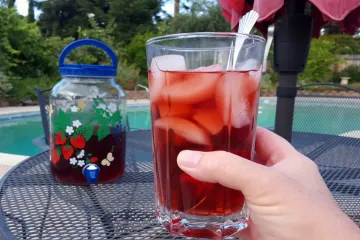
What is the ideal temperature range for optimal flavor extraction during sun tea steeping?
Which temperature range allows dangerous bacteria like *Bacillus cereus* to thrive in improperly brewed sun tea?
What element, aside from visible sunlight, does the text identify as the primary engine doing the heavy lifting in sun tea infusion?
Under thick cloud cover, how much longer might a standard black tea need to steep compared to a hot, sunny day?
What flavor profile is typically achieved when cloudy day brewing forces the process into a long, slow cold steep equivalent?
What specific temperature should one aim for when gently heating water on the stovetop as a controlled low-heat alternative?
The success of making sun tea when the sun is absent hinges more critically on which factor?
If the ambient temperature falls below which range, does the risk of inadequate brewing temperature skyrocket on a cloudy day?
When the day is overcast, what temperature range might the water inside a clear glass pitcher fail to climb above?
What specific technique involving reflective material can be used on a grey day with a glass jar to maximize thermal absorption?
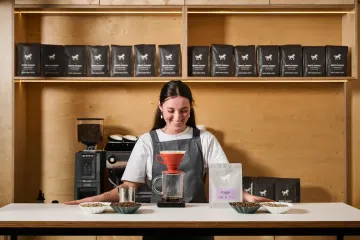
What physical force drives water through coffee grounds in standard filter brewing?
Who is credited with inventing the paper filter that popularized filter coffee in 1908?
What components, removed by a paper filter, allow for filter coffee's characteristic flavor clarity?
How do roasts specifically labeled for filter brewing generally compare to those intended for espresso?
What specific coffee oils, retained in unfiltered methods like the French press, are linked to raising cholesterol levels?
What additive, often embraced for its strong aroma in South Indian Filter Kaapi, may purists avoid?
What is the name of the wide, shallow cup essential for frothing milk when serving traditional Filter Kaapi?
How does the South Indian 'Concentrate Paradox' offer speed despite its slow initial brewing time?
What is a common coffee-to-water ratio range cited for filter recipes compared to espresso?
According to the parameter table, what effect does using a grind size that is too fine have on the filter extraction outcome?
What temperature is generally cited as ideal for water used in filter brewing to impact solubility correctly?
Filter coffee represents approximately what share of total global coffee consumption?
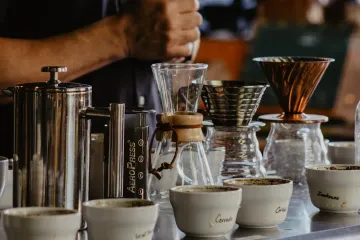
What is the technically accurate term describing the process of making coffee?
What historical connotation is often associated with the linguistic roots of the word "brewing"?
What flavor characteristic results from too little extraction, often because complex sweetness is missed?
Which extraction variable, when poorly controlled, results in pulling out bitter-tasting, undesirable compounds leading to a harsh sensation?
Which immersion method is characterized by using a mesh filter that allows fines and oils to pass through, yielding a heavier body?
How must the contact time be managed when using a very fine coffee grind?
What mechanical force distinguishes the Espresso method from gravity or immersion methods?
What is the generally recommended temperature range (in Fahrenheit) for hot water used in ideal coffee extraction?
What happens if agitation during coffee preparation is vigorous or prolonged?