Is it called brewing coffee?
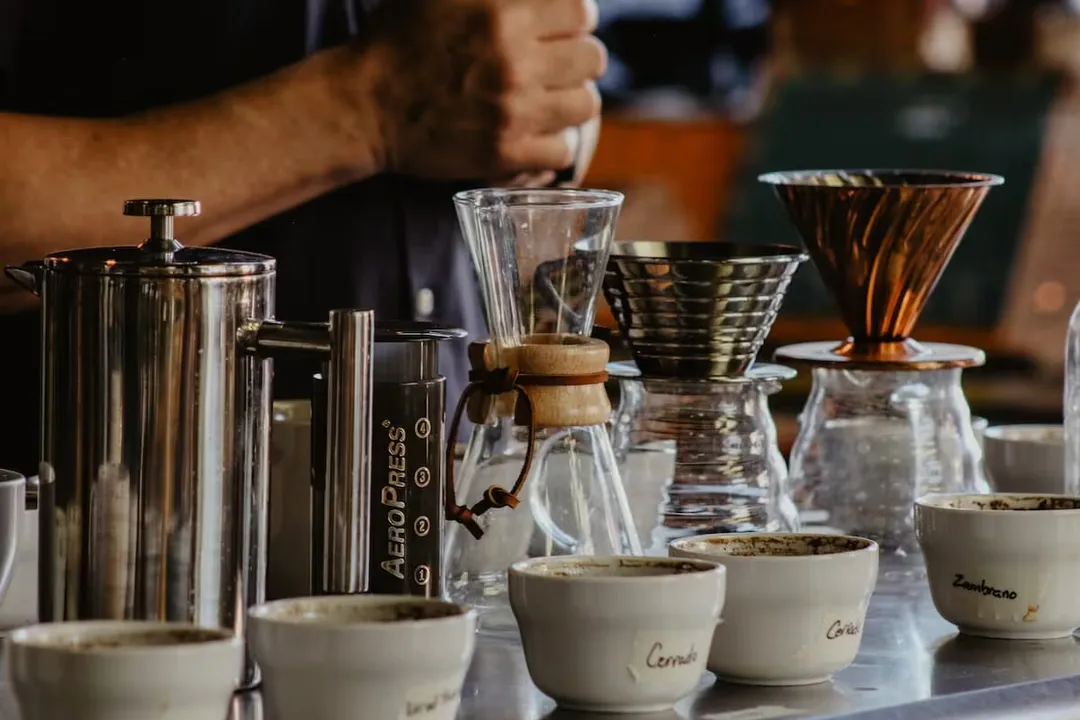
The act of making that first cup of the day so often defaults to a specific verb: brewing. Whether referring to a morning pot made in an automatic machine or the slow, deliberate ritual of a manual pour-over, the language used in coffee culture seems set. Yet, this common terminology invites a deeper look, especially when one considers where the word "brew" originates and what it technically implies in other culinary or scientific contexts. It’s a common thread in discussions among enthusiasts, leading to mild semantic debates about whether "brewing" is the perfect descriptor for what happens when hot water meets roasted, ground coffee beans. [2]
# Word Origins
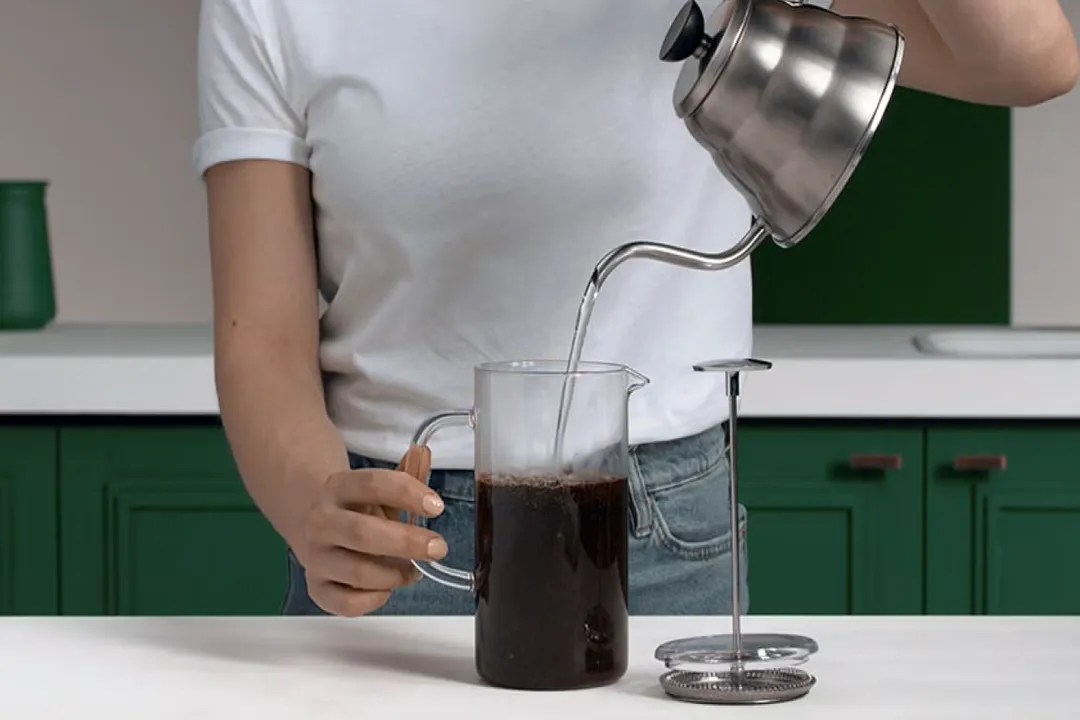
The linguistic roots of "brewing" often carry the connotation of fermentation, particularly in contexts like making beer or ale. [2] In those instances, brewing encompasses both the initial extraction of sugars from malted grains (mashing) and the subsequent biological transformation carried out by yeast—the actual fermentation. [2] This historical association can cause confusion when applied to coffee, where the desired outcome is typically achieved through a purely physical and chemical process of dissolution and extraction, not biological activity. [1][2]
In a strict sense, when you are making coffee, you are primarily employing extraction. [2] This means dissolving the soluble compounds—the acids, sugars, melanoidins, and oils—that were created during the roasting process from the green coffee bean into the water solvent. [8] The resulting beverage is a solution of these extracted compounds. Fermentation, on the other hand, involves living organisms metabolizing sugars into alcohol or acids, which is decidedly not what occurs when you are simply running hot water through a paper filter or steeping grounds in a glass carafe. [1]
# Extraction Defined

If "brewing" technically leans toward processes involving biological change, what term best encapsulates the coffee preparation process? It is most accurately described as extraction. [2] Preparation involves immersing coffee grounds in hot water, or passing hot water through the grounds, to separate the flavor components from the solid mass. [3][7] The entire spectrum of coffee making, from grinding to pouring the final cup, falls under the umbrella of coffee preparation. [3]
The goal of successful extraction is to pull out the most desirable flavors while leaving behind the least desirable ones. This balance is delicate. Too little extraction (underextraction) often results in a sour, thin-tasting cup, as the easily dissolved acids are removed first, but the complex sweetness and body compounds are missed. [8] Conversely, over-extraction, where water spends too much time in contact with the grounds, pulls out bitter-tasting, undesirable compounds, leading to a harsh, drying sensation in the mouth. [8] Therefore, the skill in making coffee isn't just about heating water; it’s about controlling the rate and extent of this extraction. [8]
# Preparation Spectrum
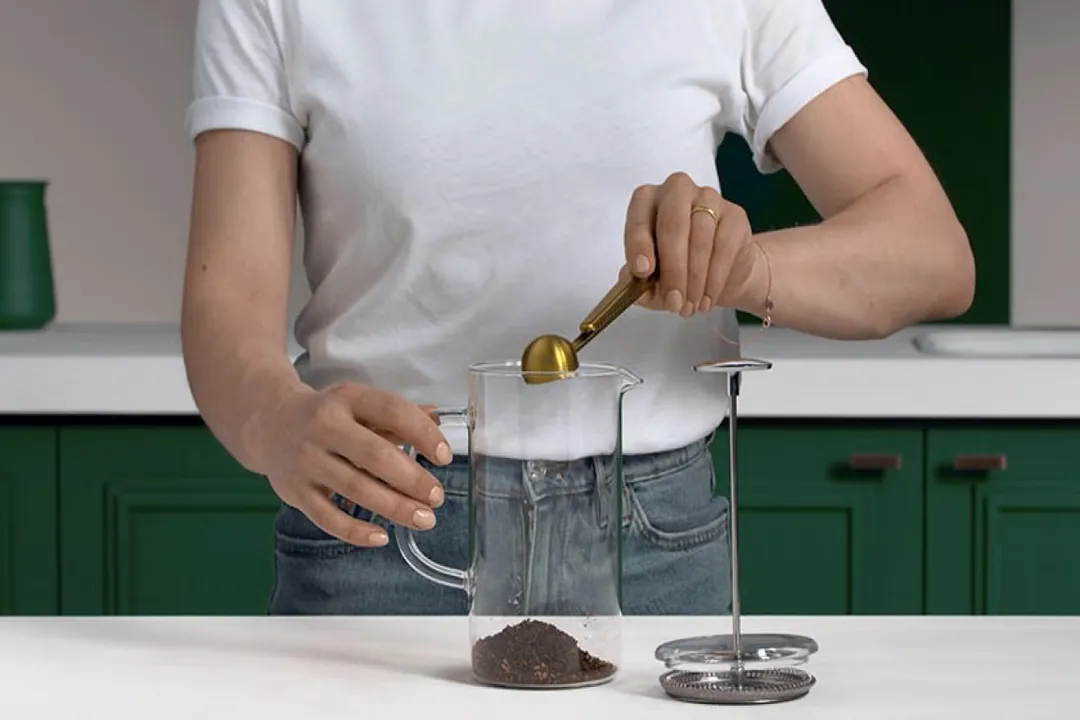
The methods used to achieve this extraction vary widely, yet they all fall under the general, perhaps imprecise, banner of "brewing" in everyday conversation. [4][5] These techniques are fundamentally differentiated by how they manage water contact time, pressure, and filtration. [7]
# Immersion Methods
Immersion involves allowing the coffee grounds to steep directly in the hot water for a set period before separating the spent grounds. The French Press is the classic example. [6]
- French Press (Press Pot): Grounds are mixed with hot water and allowed to steep, usually for about four minutes. [6] A mesh filter is then manually pushed down to separate the liquid from the solids. [6] Because the mesh filter allows fine particles and oils to pass through, the resulting cup is often characterized by a heavier body and a richer mouthfeel compared to paper-filtered methods. [6]
# Gravity and Drip
These methods rely on gravity to pull water through a bed of coffee grounds held in a filter. The speed at which the water moves through the grounds is critical to managing contact time. [7]
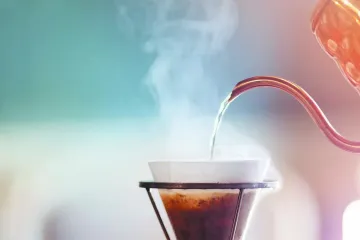
- Pour-Over: This is a manual technique where the user controls the flow rate, pour shape, and timing of the hot water over the grounds. [7] This level of control allows for fine-tuning extraction based on the desired result, making it a favorite among those seeking precision. [7] The specific device—whether a conical V60, a flat-bottomed Kalita Wave, or a classic ceramic cone—influences water flow dynamics. [7]
- Automatic Drip: This method automates the pour-over concept. A machine heats the water and dispenses it over the grounds held in a basket filter. [3][7] While convenient, home machines can sometimes struggle to reach or maintain the optimal temperature range required for ideal extraction. [4]
# Pressure Methods
This category involves forcing water through the coffee grounds using mechanical pressure, significantly shortening the contact time necessary to achieve adequate extraction.
- Espresso: This technique uses high pressure—typically around nine bars—to force near-boiling water through a tightly packed "puck" of very finely ground coffee over a period of just twenty to thirty seconds. [3][5] This rapid, high-pressure extraction produces a concentrated shot topped with crema, an emulsion of oils and carbon dioxide. [3]
The diversity here highlights why the term "brewing" is convenient: it serves as a catch-all for any process that results in liquid coffee from grounds and water, regardless of whether pressure, immersion, or percolation is the primary mechanism. [4]
# Deconstructing the Process

Moving past the nomenclature debate, anyone aiming for a better cup must understand the variables that govern the extraction phase. Experts often outline a key framework involving several interconnected elements. [8] Adjusting one element invariably requires compensating adjustments in another.
# Grind Size
The size of the coffee particle directly dictates the surface area exposed to the water, which in turn dictates how quickly extraction occurs. [8] A finer grind (like that used for espresso) provides maximum surface area, demanding a very short contact time to prevent bitterness. [8] Conversely, a very coarse grind (suitable for a French Press) has minimal surface area, necessitating a longer steep time to pull out enough flavor compounds. [8] Getting the grind wrong is perhaps the most common mistake in coffee preparation, often leading to a cup that is either sour (too coarse/fast extraction) or bitter (too fine/slow extraction). [8]
# Water Temperature
Temperature dictates the power of the solvent—hot water is far more effective at dissolving coffee solids than lukewarm water. [4] While the general recommendation hovers around the to ( to ) range, the ideal temperature can shift depending on the roast level and the contact method. [4][7] Darker roasts, being more soluble, often benefit from slightly cooler water to avoid harshness, whereas lighter roasts sometimes require water near the upper limit to fully extract their denser cellular structures. [8]
# Contact Time
This is the duration the water is in contact with the coffee grounds. [8] It must be matched precisely to the grind size and temperature. A pour-over might last three minutes, while an immersion brew lasts four minutes, and espresso lasts thirty seconds. [6][8] If your method allows for a long contact time (like immersion), you must use a coarse grind; if the time is short (like espresso), the grind must be extremely fine. [8]
# Agitation
Agitation refers to the mechanical stirring or swirling that happens during the process. [8] Gently stirring the grounds at the beginning of a pour-over helps ensure all grounds get evenly saturated, promoting uniform extraction. [8] Vigorous or prolonged agitation, however, can prematurely strip bitter compounds or cause fines to clog the filter, slowing the flow rate unexpectedly. [8]
Understanding these mechanics is where we can interject a helpful observation about the practical differences in the popular methods. If we map out the relationship between the primary drivers—contact time versus required grind size—we see a clear divergence in technique, even though we call them all "brewing."
| Method | Primary Extraction Driver | Typical Contact Time | Required Grind Fineness |
|---|---|---|---|
| Espresso | High Pressure | seconds | Very Fine |
| Pour-Over (Drip) | Gravity Flow Control | $2.5 - 4$ minutes | Medium-Fine |
| French Press | Immersion/Steeping | $4$ minutes | Coarse |
| Cold Brew | Low Temperature | $12 - 24$ hours | Extra Coarse |
This table reveals that while they all use hot water to dissolve coffee solids, the physical parameters chosen are fundamentally different. Espresso relies on force to overcome the natural resistance of a densely packed, fine bed; the French Press relies on time to compensate for low turbulence and a coarse bed. The common thread is the successful extraction, yet the paths taken are highly specialized. [8]
# Language and Culture
So, if the technical distinction between extraction and fermentation is clear, why does the word brewing persist so strongly in coffee circles, from the home user to the professional café setting?[2]
The term likely maintains its status due to historical inertia and analogy to other common hot beverages. Tea, for example, is universally referred to as being "brewed," a process that is strictly extraction using hot water and involves no fermentation. [2] Coffee preparation shares this fundamental step: adding hot water to a solid substance to create a drinkable infusion. In many cultures, "brewing" acts as the standard vernacular for preparing any steeped or infused beverage. [2]
Furthermore, when looking at major commercial coffee preparation guides, the language naturally defaults to this term. Major retailers and guides discussing how to make coffee in a press pot or automatic machine consistently use "brew" as the active verb. [6] This widespread, accepted use solidifies its status as the conventional, if not strictly etymologically perfect, term for coffee preparation. [4] It carries a sense of craft and intentionality that simpler words like "making" or "mixing" sometimes lack. To say you are brewing coffee implies a degree of process and attention, even if that process is just pushing a button on a machine. [4]
# Beyond the Definition
The commitment to the term "brewing" also encourages people to view the process as a skill to be mastered, rather than a simple task to be completed. When people search for how to brew better coffee, they are actively seeking knowledge on optimizing those variables we discussed: grind, temperature, time, and agitation. [8] This pursuit of optimization is what drives innovation in equipment, from specialized kettles that maintain precise temperatures to grinders capable of near-perfect particle uniformity.
It is interesting to consider the subtle cultural differences reflected in this language, particularly when thinking about local contexts. While US and Western European coffee culture often focuses heavily on the extraction phase—perfecting the pour-over or espresso—other global traditions might emphasize different aspects. For instance, in Turkish coffee preparation, the process involves boiling the finely ground coffee with water and sugar, creating a slurry that is then poured, grounds and all, into the cup. While technically still extraction, the heavy boil and serving with sediment feels distinct from the filter-based methods, yet it too is often referred to as "brewing" locally. The universality of the language is less about scientific accuracy and more about cultural shorthand for the beverage’s creation.
For the average coffee enthusiast, accepting the term "brewing" is a pragmatic choice. It is the understood language of the domain. While a chemist or a beer maker might quibble over the lack of fermentation, the home user understands perfectly that saying "I'm brewing coffee" means they are in the process of extracting flavor using heat and water to make their morning cup. [1][2] The effort put into understanding the nuances of extraction is the real value, not getting stuck on semantics. Mastering the control over the variables—the grind, the water, the time—is what transforms a simple infusion into a memorable experience. [8] This dedication to process, regardless of what verb we assign it, is what elevates the daily ritual to an act of culinary craft.
#Videos
Coffee (BREWING) Everything You Need To Know - YouTube
Related Questions
#Citations
ELI5: What's the difference between brewing coffee and steeping tea?
Does brewing imply fermentation in the process, when you say ...
An Introduction to Coffee Brewing Methods — Which Brew Do You ...
Coffee preparation - Wikipedia
Basic Framework and Coffee Ratios of Coffee-to-Water
How to Brew with a Coffee Press | Starbucks
Coffee Brewing Methods: A Comprehensive Guide
Coffee (BREWING) Everything You Need To Know - YouTube
Everything you need to know to brew great pour over coffee