What is a traditional coffee machine called?
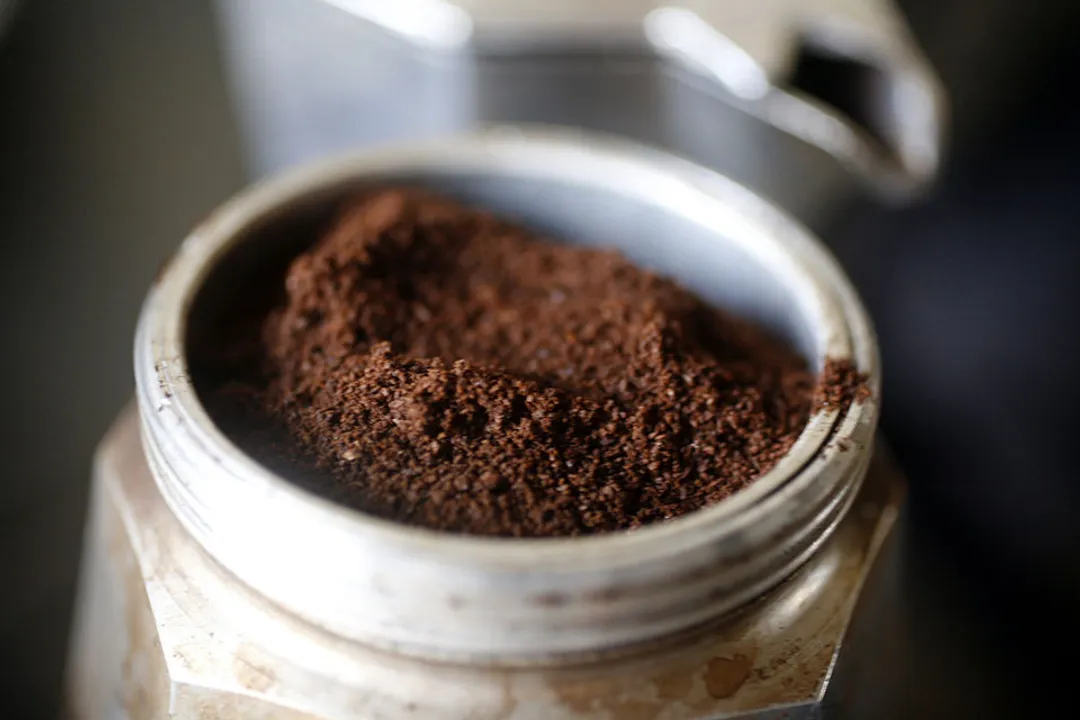
The quest for a single name for a "traditional coffee machine" rarely yields one definitive answer, mostly because the term itself acts as a broad category defined more by what it isn't rather than what it is. [1] When people refer to a traditional machine today, they are often setting it in contrast to the fully automated models that grind beans and brew with the push of a button—the so-called bean-to-cup machines. [1][6] If a machine requires the user to pre-grind the beans, measure the coffee and water separately, and manage the brewing sequence manually or semi-manually, it usually falls under the umbrella of traditional methods. [2]
# Defining Contrast
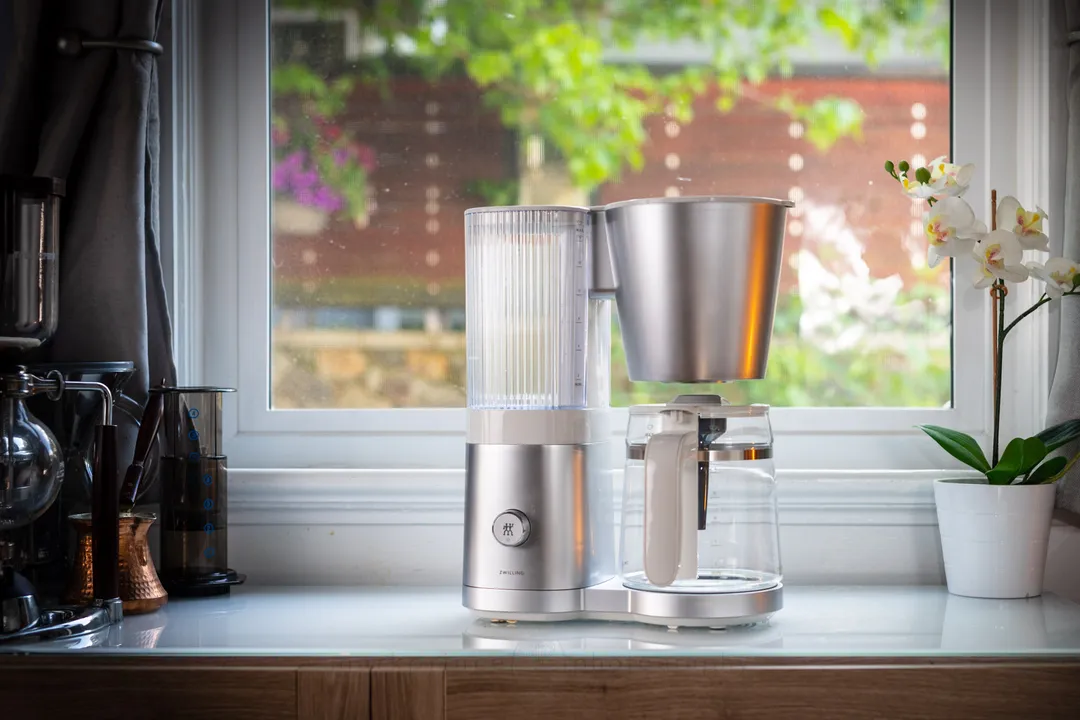
The modern landscape of coffee preparation often pits the hands-on approach against convenience. [1] A bean-to-cup machine handles the entire process from whole bean to finished cup with minimal intervention, offering speed and consistency, which some see as removing the craft from the morning ritual. [6] Conversely, many traditional devices require the user to understand grind size, water temperature, and contact time to achieve a desirable result. [5] This difference in required interaction is often the deciding factor in whether a home barista considers their equipment traditional or contemporary. [1]
# Standard Drip
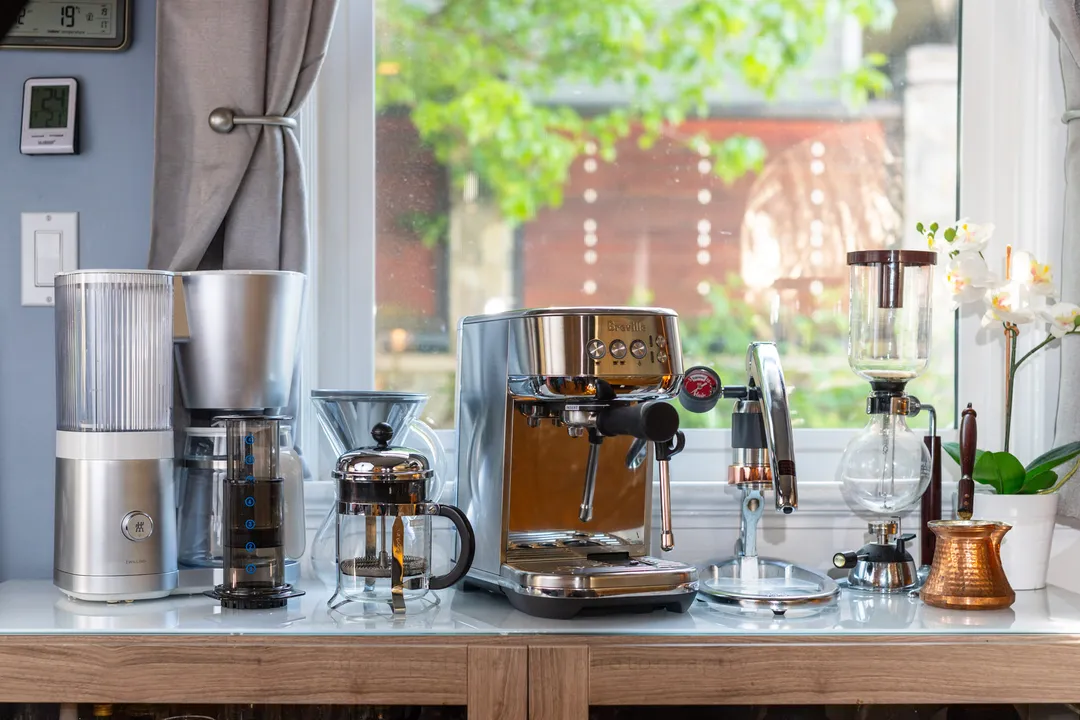
Perhaps the most common machine considered "traditional" in North American households over the past few decades is the automatic drip coffee maker. [5] This device operates on a simple percolation principle: cold water is heated internally and then dripped slowly over coffee grounds held in a filter basket, allowing the brewed coffee to drip down into a carafe situated on a warming plate. [2][7] While incredibly popular for its ease of use—it is semi-automatic—it represents the standard electric countertop brewer that predates the super-automatic models. [5] Its reliance on gravity and consistent, though low, heat defines its profile, typically yielding a lighter-bodied cup compared to pressure-based methods. [2]
# Immersion Methods
Moving away from electric percolation, some of the oldest and most fundamentally traditional devices rely on total immersion, where the coffee grounds steep directly in hot water for a set period before separation occurs. [2] The prime example here is the French Press, or cafetière. [5] This method involves coarse grounds steeping for several minutes, followed by plunging a mesh filter down to separate the solids from the liquid brew. [2] Because the grounds remain in contact with the water until plunged, and the filter is mesh rather than paper, the resulting coffee is often richer and fuller-bodied due to the presence of natural oils and fine sediment. [2]
Another simple, ancient form of immersion brewing is the cowboy coffee method, where grounds are boiled directly in a pot, though this is less of a "machine" and more of a technique. [2]
# Stovetop Pressure
A device that holds a significant place in the tradition of many European and Latin American kitchens is the Moka Pot. [3] Often mistakenly called a stovetop espresso maker, this distinctive, hourglass-shaped aluminum or steel device brews coffee by passing boiling water pressurized by steam through ground coffee held in a central basket. [3] The resulting brew is strong, concentrated, and has a flavor profile that sits somewhere between drip coffee and true espresso, though it is brewed at significantly lower pressures than a dedicated espresso machine. [3] Understanding its mechanics—steam pressure forcing water upward—is key to using it properly, as overheating can scorch the coffee and impart a metallic taste. [3]
# High Pressure Systems
When discussing traditional, high-quality coffee preparation, the espresso machine inevitably enters the conversation, especially considering its long history dating back to the early 1900s. [8] While modern machines can be fully electronic, the very first iterations relied on manual levers or semi-automatic operation, fitting the "traditional" description based on required user input and mechanical complexity. [8][10] A true espresso machine forces near-boiling water through a compacted puck of very finely ground coffee at high pressure—typically around 9 bars. [4][10] This high-pressure extraction results in the small volume, intense flavor, and signature layer of crema that defines the beverage. [4][8] Traditional espresso machines, like lever models, require the barista to manually control the force and duration of the pull, offering exceptional control over the final shot quality. [8]
The comparison between a common electric drip maker and an espresso machine highlights a philosophical difference in what we expect from a machine; the former prioritizes volume and simplicity, while the latter prioritizes extraction intensity and technique. [10]
# Specialized Manual Brewing
Beyond the big categories, several other devices qualify as traditional tools for making coffee, often cherished by enthusiasts for their unique control over variables. [2][7]
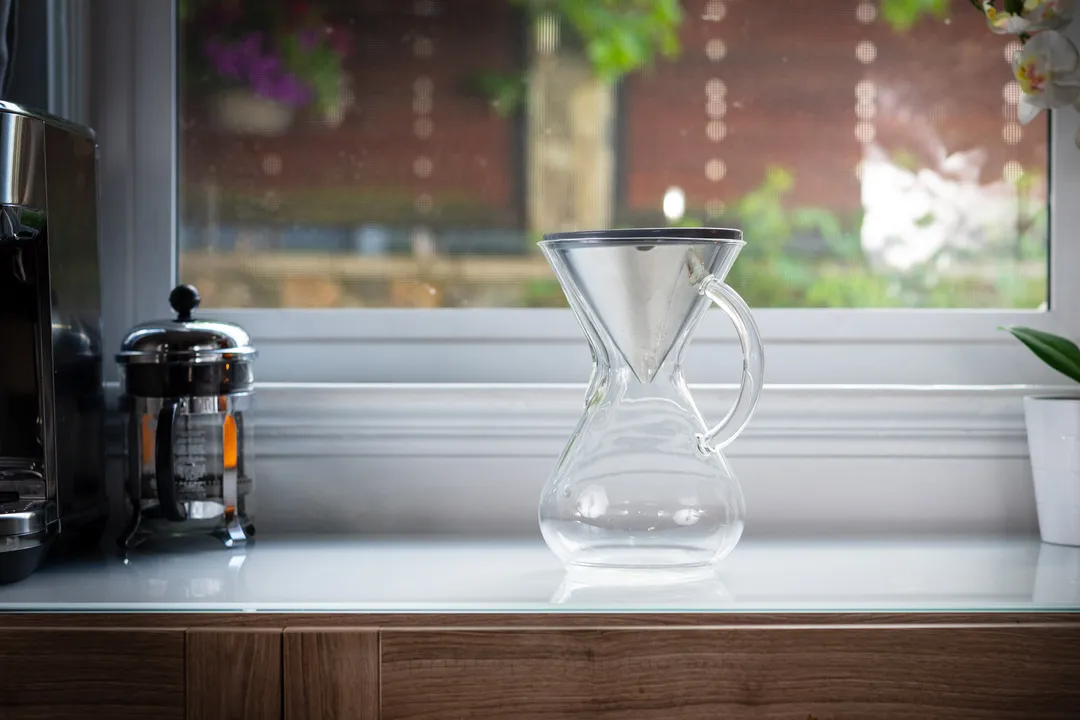
- Pour-Over Devices (e.g., Chemex, Hario V60): These are essentially cone-shaped holders placed over a cup or carafe, using a paper filter. [2] The tradition here lies entirely in the user's control over the pour rate and water dispersion, requiring precise technique to saturate the grounds evenly. [5]
- Siphon or Vacuum Brewers: These are visually dramatic, using a two-chamber system where vapor pressure pushes hot water into the upper chamber to mix with grounds, and vacuum pressure pulls the brewed coffee back down through a filter when heat is removed. [2][7] This method, while less common now, is a complex piece of traditional coffee glassware.
# Method Dictates Skill
The spectrum of traditional machines reveals a direct correlation between the device's complexity and the required user expertise. A drip machine offers a relatively low barrier to entry; as long as the user follows basic ratios, the machine handles the consistency of the water flow. [5] In contrast, both the French Press and the Moka Pot demand a specific grind size relative to their process: the French Press needs a coarse grind for effective immersion and easy plunging, whereas the Moka Pot requires a medium-fine grind to withstand the steam pressure without blocking the flow entirely. [3]
If we examine the workflow, a truly hands-on approach reveals that the process is the machine itself. For instance, when using a pour-over setup, one must master the bloom—the initial pour that wets the grounds and allows CO2 to escape. [2] Mastering this step, often neglected by beginners, is the critical differentiator between a mediocre pour-over and a vibrant cup. This level of iterative adjustment—watching the bloom, controlling the speed of the spiral pour—is the essence of traditional coffee craft that automated systems bypass. [2][5]
It is worth noting that for home users looking to replicate café-style drinks without investing in a heavy, high-pressure machine, the Moka Pot often serves as the accessible traditional entry point. While it never hits the true 9-bar standard of commercial equipment, [3] its ability to produce a dense, robust brew suitable for mixing with steamed milk gives it an essential traditional role in many kitchens, even if a dedicated espresso machine exists elsewhere in the market. [4][10]
# Practical Comparison of Traditional Types
To better organize how these traditional devices differ in output, we can simplify their primary extraction mechanism:
| Mechanism | Example Machine(s) | Primary User Control Focus | Typical Body/Strength |
|---|---|---|---|
| Percolation (Gravity) | Drip Brewer | Water volume, filter type | Light to Medium |
| Immersion | French Press | Steep time, coarseness | Full, oily body |
| Stovetop Pressure | Moka Pot | Heat management, grind size | Strong, concentrated |
| High Pressure | Espresso Machine | Dose, tamp, pull time | Very intense, crema |
| Vacuum/Siphon | Siphon Brewer | Heat control, timing | Clean, nuanced |
| [2][3][5][10] |
From this table, an interesting realization surfaces: the "traditional" machine often forces the user to manage one primary variable very tightly. In the drip machine, temperature is mostly fixed; in the Moka Pot, it's heat input; in the French Press, it's time. The highest level of variable management—grind, dose, tamp, and pressure—is reserved for the manual espresso equipment, suggesting that true traditional craft often leans toward the most technically demanding methods for the fullest expression of the bean. [8] If a reader is looking to move from simple convenience to active participation in their brew, moving to a French Press or Moka Pot is the most immediate step away from electric automation without requiring the expense or counter space of a full espresso setup.
Ultimately, while there isn't one singular name like "The Traditional Brewer," the term refers to the wide range of devices—from the simple stovetop percolator to the complex manual lever espresso maker—that demand direct human input over the extraction physics, bridging the gap between the raw ingredient and the final, flavorful cup. [2][7]
Related Questions
#Citations
Traditional vs Bean-to-cup Coffee Machines
Ten Types of Coffee Makers : A Full Guide - CoffeeGeek
Moka pot - Wikipedia
Espresso vs Normal Machine? : r/Coffee - Reddit
The Most Common Types of Coffee Makers, Explained - Allrecipes
Article - Difference between an espresso machine and a bean to cup ...
Types of Coffee Machines | Town Appliance
The History Of Espresso Machines - Counter Culture Coffee
How does a moka pot work? #coffee #espresso - YouTube
Coffee Maker vs. Espresso Machine - KitchenAid