What is a traditional Italian menu?
The traditional Italian menu presents a dining experience far more deliberate and layered than a simple main course structure common elsewhere. It is an orchestrated progression of flavors, designed to guide the palate from light, bright tastes to richer, more substantial notes, before concluding with sweet and bracing elements. While many think of Italian food as just heaping plates of pasta, a true pranzo (lunch) or cena (dinner) follows a strict, almost ceremonial order across several distinct phases. [1][5][7] This structure is less about eating to fill up and more about savoring each transition, an approach that speaks volumes about Italian culinary philosophy.
# Meal Sequence
The complete, formal Italian meal structure traditionally involves seven distinct phases, though it is important to note that this full sequence is generally reserved for special occasions, holidays, or formal gatherings today. [2][8][9] In day-to-day life, Romans or Florentines might happily skip straight from the appetizer to the main protein, or combine the first and second courses into one, depending on the time of day and appetite. [3] However, understanding the ideal order reveals the intention behind the cuisine. The full progression moves from raw, preserved, or cured starters through starch, protein, palate cleanser (sometimes), dessert, coffee, and finally, a strong spirit. [1][2][5]
| Course Name | Primary Function | Typical Offerings (Examples) |
|---|---|---|
| Antipasto | To stimulate the appetite | Cured meats, cheeses, pickled vegetables, bruschetta |
| Primo | Starch-based course | Pasta, risotto, soup (zuppa), gnocchi |
| Secondo | Protein-based course | Meat, fish, or poultry |
| Contorno | Accompaniment to the Secondo | Simple cooked or raw vegetables (side dish) |
| Dolce | Sweet conclusion | Cake, pastry, fruit, or ice cream |
| Caffè | Aromatic wake-up | Espresso |
| Digestivo | Aids digestion | Grappa, Amaro, Limoncello |
# Starters Begin
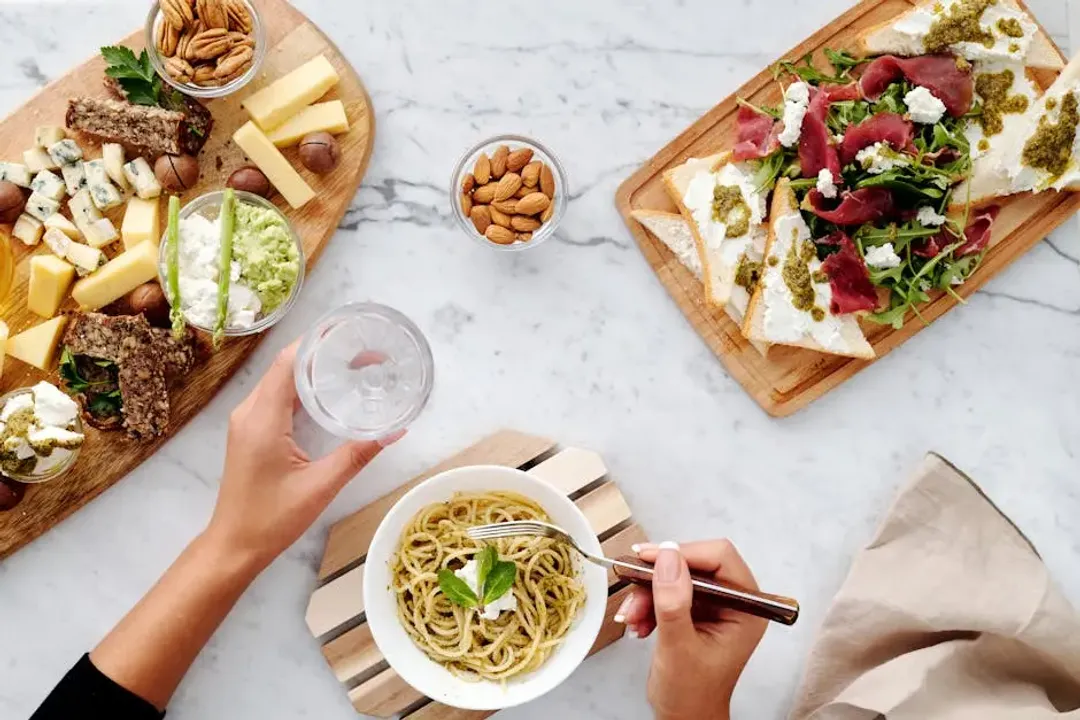
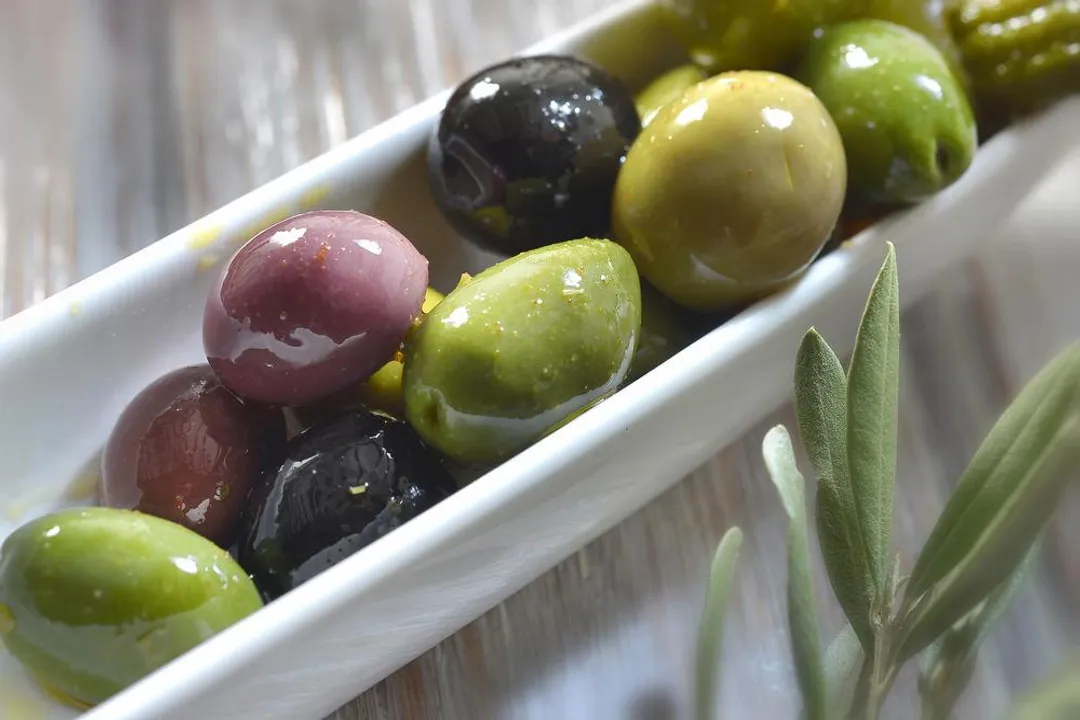
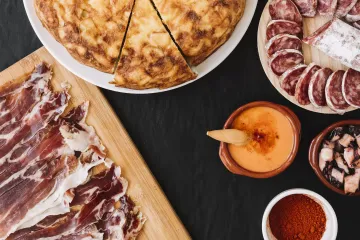
The opening act is the Antipasto, which literally translates to "before the meal". [1][7] This course serves the crucial role of waking up the palate and preparing the stomach for the heavier courses to follow. [2] Unlike an American appetizer, which might sometimes be heavy enough to satisfy, the antipasto is designed to be light and varied. [5] It often features a selection of local specialties, such as prosciutto (cured ham), various cheeses, marinated or pickled vegetables, olives, or simple preparations like bruschetta. [4][8] Serving a platter that offers a range of textures—something salty, something acidic, something creamy—is key to its success in whetting the appetite for what comes next. [1]
# First Course

Following the antipasto comes the Primo (first course), which is the first truly hot dish of the meal and is carbohydrate-focused. [2][5] This is where you will find the beloved staples: pasta, risotto, or perhaps a hearty soup (zuppa) or gnocchi. [4][7] Critically, the primo is not the main event; it is a bridge dish. The expectation is that the portion size will be moderate, enough to provide satisfaction but not so much that one cannot enjoy the next stage. [1] In many traditional settings, the starch anchors the meal, providing comforting warmth and flavor before the protein arrives. [3]
It's interesting to note how this course dictates the overall pace of the meal. If a family opts for a rich, slow-cooked ragù with fresh pasta, the preceding antipasto must be very restrained—perhaps just a piece of good bread and oil—to ensure the diner is ready for that substantial primo. Conversely, if the primo is a simple broth-based soup, the antipasto can afford to be more complex and varied. [1] This interplay between the two initial courses shows a deep understanding of how to manage satiety across a multi-hour dining event.
# Main Dish
The Secondo (second course) is the protein centerpiece of the Italian dinner, typically featuring meat, fish, or poultry. [2][5][7] This is the most substantial element of the savory portion of the meal, and it is served without the starch components that accompany the main course in many other culinary traditions. [1] The meat or fish is served on its own, allowing its flavor profile to stand distinct and unmasked. [2]
Accompanying the secondo is the Contorno (side dish). [5][7] This is essential because the secondo itself is typically unadulterated protein. The contorno must be ordered separately and provides the necessary vegetable component, whether simple grilled asparagus, a fresh salad, or sautéed greens. [2][5] A common mistake for visitors is expecting a steak to arrive with fries or vegetables already plated; in the traditional structure, they are separate entities that combine on the diner’s plate according to their preference. [1][7] Think of the secondo as the soloist and the contorno as the essential accompaniment providing balance and freshness.
# Sweet Finish
Once the savory courses are complete, the menu transitions to the Dolce (dessert). [8] This final food course is meant to be a sweet, often light, conclusion to the heavier elements of the meal. [1][7] Offerings can range widely, from simple fresh fruit or gelato to more elaborate pastries and cakes. [4] While a magnificent, multi-layered cake might feature on a holiday menu, a standard Sunday dinner might conclude just with seasonal fruit or a small glass of sweet wine. [8] The goal here is richness, but in a final, satisfyingly sweet burst, rather than the savory depth of the primo or secondo.
# After Meal
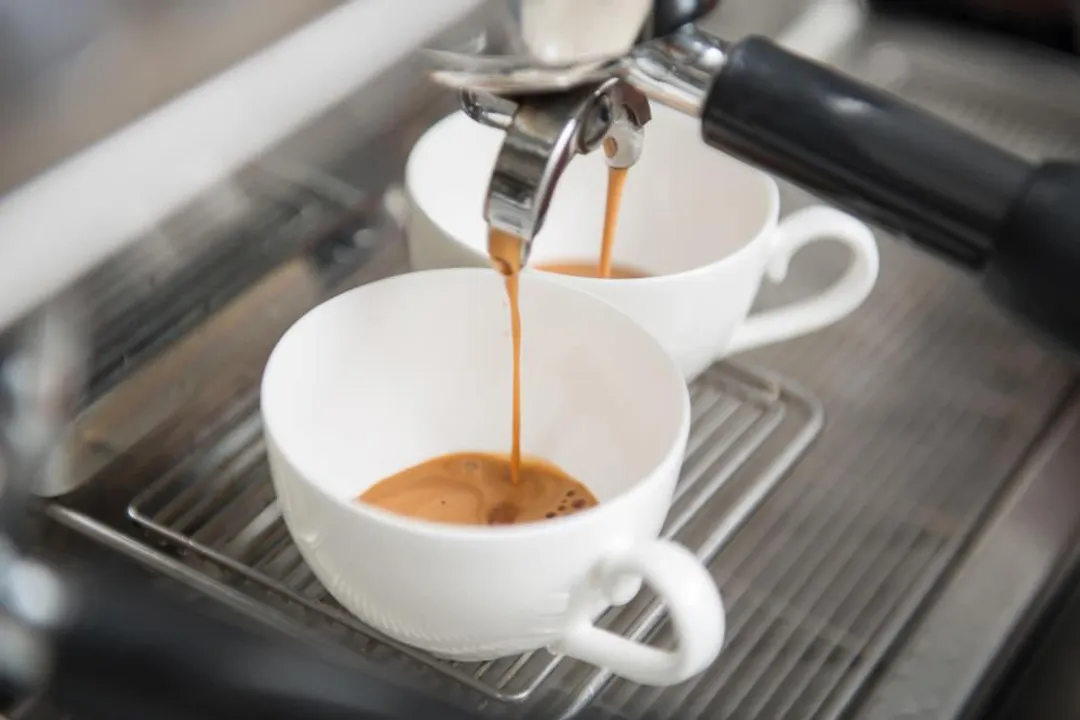
The Italian dining experience is not quite complete after the dolce. Two final, vital components follow to cleanse the palate and aid digestion. [2] First comes the Caffè, almost invariably served as a single, small, strong shot of espresso. [1][5][7] This is drunk quickly, often standing at the bar if dining out, and should never, according to many purists, be consumed with milk (cappuccino being strictly a morning drink) or after dessert, as the milk is believed to interfere with digestion. [2]
The absolute final act is the Digestivo. [1][2] This is an alcoholic spirit served after the coffee, intended to "settle the stomach" after the long meal. [5] Common examples include Limoncello (a lemon liqueur), Grappa (a grape-based pomace brandy), or various Amaros (bitter herbal liqueurs). [2][7] This concluding small glass marks the formal end of the feasting, transitioning the group from the table back to conversation or departure. [9]
# Modern Dining
While the seven-course model is the authentic blueprint, contemporary Italian dining habits reflect efficiency and modern life. [3] If you are invited to a casual dinner or eat at a trattoria during the week, the meal might realistically only consist of three or four courses. [9] The most commonly observed sequence outside of special events is Antipasto, Primo, and perhaps a Secondo if the appetite is large, followed by Caffè. [3] The Contorno is often skipped when the Secondo is absent, and the Digestivo might only appear after a very heavy meal or a significant celebration. [2] If you are faced with ordering in a restaurant, choosing between a primo and a secondo is the most common internal decision point, as consuming both often constitutes a very large meal for one person. [4][7] If you must choose only one savory course, prioritize the primo if you want the quintessential pasta experience, or the secondo if you seek the purest expression of Italian flavor profiles in meat or fish preparation, as each course serves such a distinct function. [1]
#Videos
The Italian Menu Explained - YouTube
Related Questions
#Citations
Guide to the Traditional Italian Meal Structure - Cucina Toscana
Guide To Italian Meal Courses at a Traditional Dinner
What is the typical Italian meal like? : r/AskEurope - Reddit
12 Traditional Italian Restaurant Dishes You Can't Miss
The Traditional Italian Meal Structure | Scampo
The Italian Menu Explained - YouTube
How to Eat in Italy: an Expat's Guide to Italian Menus & Courses
5-course Italian dinner menu: authentic recipes for a perfect meal
22+ Famous Traditional Italian Food Dishes - Salinda Resort