What is a traditional dish?
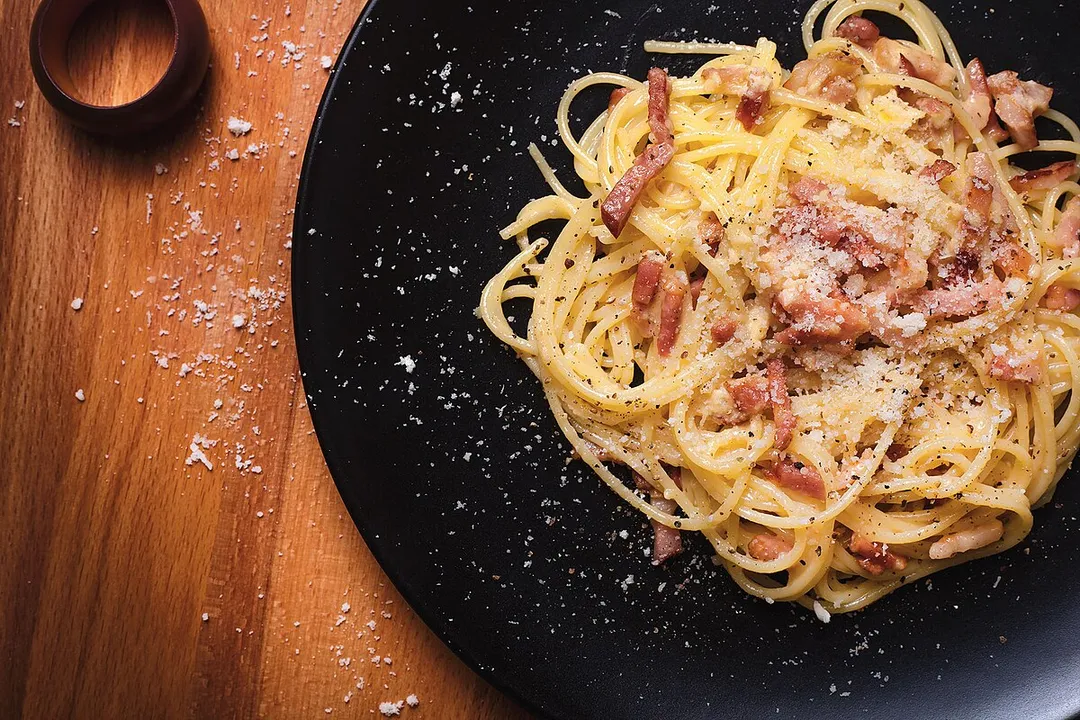
The concept of a traditional dish often evokes warm feelings of home, ceremony, and history, but pinning down a precise, universal definition is surprisingly complex. At its simplest, a traditional food is one that has been passed down through generations, or one that has been a consistent part of a culture’s diet for a significant length of time. [2] These foods carry the imprint of a national, regional, or local cuisine and are deeply tied to the identity and heritage of a place. [2] They aren’t merely things people currently enjoy; they are edible links to the past, often originating in the domestic kitchens where housewives creatively combined available ingredients and techniques into recipes that proved worthy of imitation and repetition. [2]
# Defining Terms
While the words "traditional" and "typical" are frequently used interchangeably in casual conversation, culinary anthropology draws a distinct line between them. [2] Traditional cuisine is fundamentally about inheritance—the customs passed down orally, whether on a small, intimate family scale or a broader community level, forming a core part of that culture’s identity. [2]
In contrast, typical cuisine—sometimes called "popular" cuisine—describes what the majority of people in a given location currently eat and what is massively replicated today. [2] The important realization here is that these two categories overlap but are not identical. A dish can certainly be both typical and traditional, but not all traditional dishes remain typical, and conversely, not all typical dishes have deep traditional roots. [2] For instance, in Finland, many traditional dishes are considered archaic and no longer align with contemporary tastes, though some remain crucial for specific celebrations like Christmas. [1]
# Modern Shift
The shift away from tradition toward the typical is driven by massive economic and social transformations, global trade, and advancements in preservation and transportation. [4] What someone eats as a middle-class urbanite today is often radically different from what their grandparents consumed. [4] This leads to a third concept often noted in culinary studies: typical commercial cuisine. [2] This category has emerged only recently, appropriating the adjectives of traditional food while prioritizing economic profit over cultural context or diversity. [2] Mainstream populations, sometimes lacking deep culinary knowledge, consume these simplified versions, leading to a kind of food acculturation where the essence of the tradition is traded for convenience and mass appeal. [2]
Consider the example of rice in Japan: traditionally, people ate rice with weeds, seeds, and fillers like millets, as white rice was reserved for special occasions. [1] Today, modern white rice, which is largely starch with few nutrients, is the common staple, while the older, more nutritious version is almost forgotten. [1] The preservation methods themselves are part of this story; traditional pickles involved salt and waiting months for fermentation, whereas modern shop-bought pickles are engineered for consistent flavor and shelf life using various preservatives. [1]
# Heritage and Health
Traditional foods, by nature of their long history, often reflect the environment and the necessities of survival in their region of origin. [2] This connection to the local ecology and historical constraints has profound implications for nutrition. Many traditional dishes are viewed as highly nutrient-dense and rely heavily on whole, unprocessed ingredients like grains, legumes, nuts, seeds, and animal products readily available in that specific locale. [3]
The preparation methods themselves, such as slow cooking, fermenting, and canning, were techniques developed out of necessity to preserve food through lean seasons, and these methods often optimize nutrient retention or improve gut health. [3] For example, miso, a traditional Japanese fermented soy paste, is packed with healthy bacteria, B vitamins, and zinc, a benefit derived from its ancient fermentation process. [4]
However, the health profile of traditional food is highly dependent on where and when it originated. [3] Some traditional foods may appear heavy, cooked with ample dairy fat, meat, or carbohydrates, reflecting a culture’s historical need to maximize caloric intake during cold periods or for hard physical labor. [3] The emotional connection to these foods—the comfort, love, and memories they trigger—is also a recognized factor in overall well-being, proving that food is far more than simple physical fuel. [3]

# Deep Dives into Regional Roots
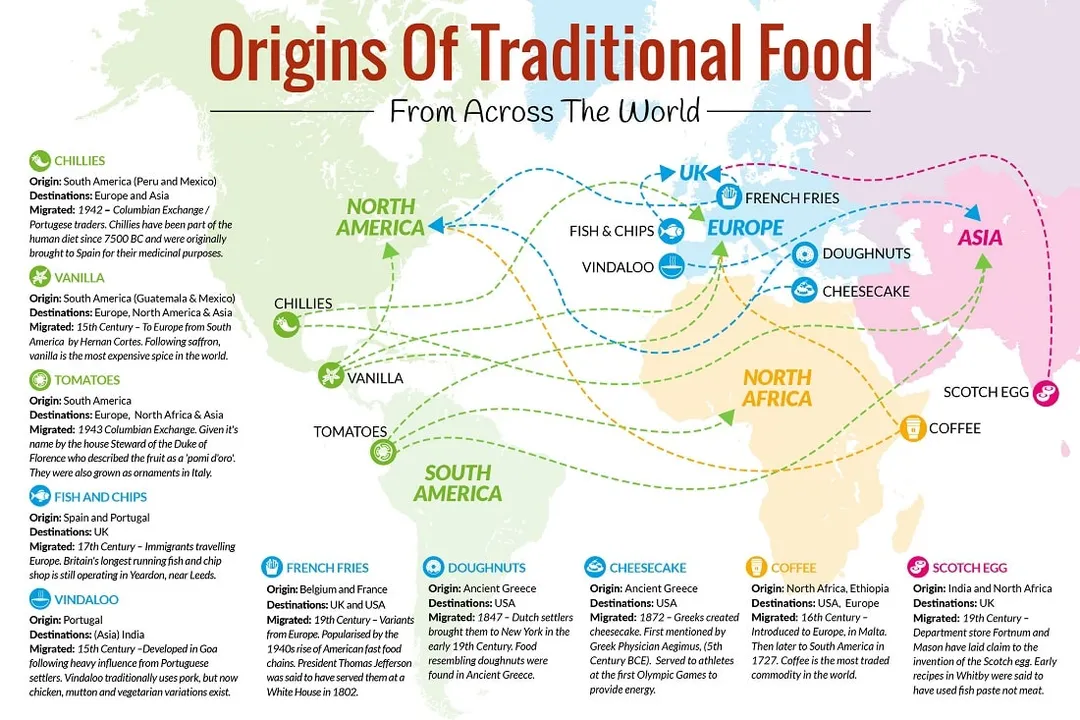
To truly grasp the meaning of a traditional dish, one must examine specific cultural expressions across the globe.
# American Fusion
American traditional cuisine stands out as a pure example of the "melting pot" ethos, an enduring narrative of resilience, innovation, and cultural fusion. [2] American traditional food rarely developed in isolation; it is a rich mosaic built from contributions from indigenous populations, African slaves, and waves of European and Asian immigrants. [2]
A dish like Apple Pie, while often symbolizing the American dream, is actually a European adaptation using locally available ingredients like New World apples. [2] Cornbread, by contrast, is a direct legacy of Native American agricultural knowledge, forming a staple foundation for Southern cooking. [2] Southern cuisine itself, renowned for comfort foods, blends French and African influences, as seen in dishes like gumbo. [2] Other regional standouts include Clam Chowder from the seafood-rich Northeast and the slow-cooked traditions that define Southern Barbecue. [2] The American landscape of traditional food is, therefore, defined by adaptation—taking something foreign and transforming it with local ingredients and history into something distinctly American. [2]
# Japanese Preservation
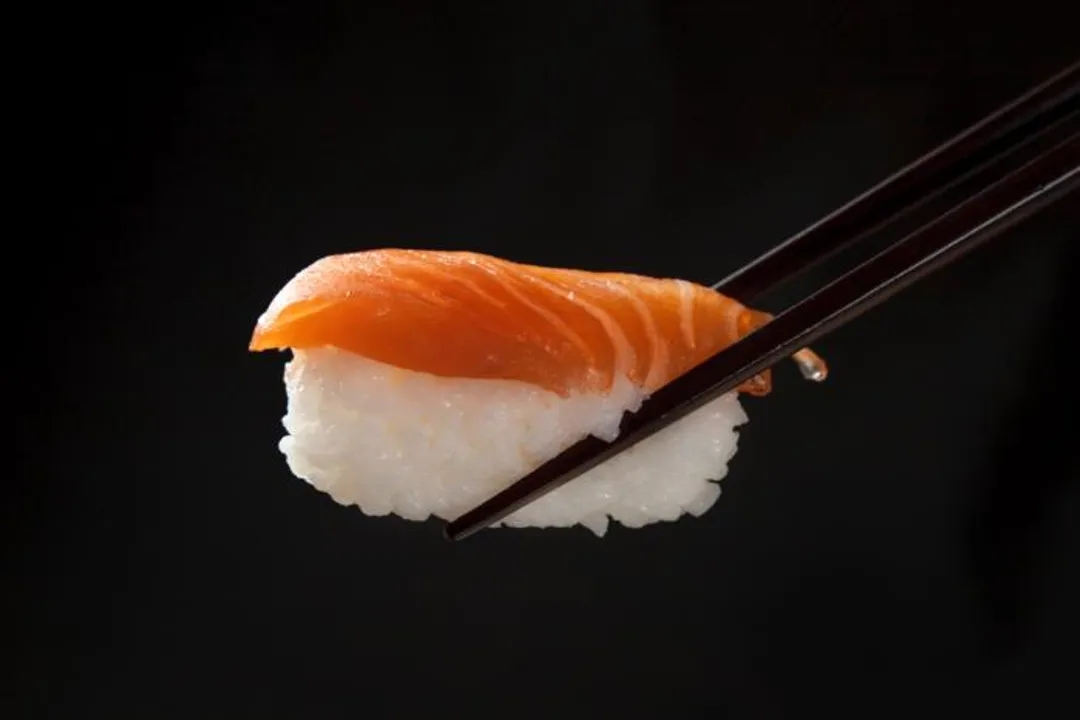
In Japan, the traditional food known as washoku is celebrated globally for its inventiveness and seasonal sensitivity. [4] The original preparation methods often prioritized preservation to survive long periods of isolation or scarcity. For example, traditional sushi was not the fresh delicacy we know today, but rather fish preserved for months in vinegar rice, with the rice often being discarded. [1] Similarly, traditional soba (buckwheat noodles) in some areas was simply a lump of dough cooked in broth, reflecting a lack of time to roll and cut thin noodles. [1]
The emphasis on longevity is also seen in fermented products. Traditionally, a family might keep seven years' worth of miso paste, eating the oldest bucket and rotating the newest addition each year as a famine contingency plan. [1] Modern, factory-produced miso lacks this intense, layered flavor profile. This historical necessity of making food last often means that the traditional preparation tastes quite different—and sometimes less palatable to modern, unaccustomed tastes—than its modern, speedier counterpart. [1]
# The Preservation Imperative

The flavor of a traditional dish is frequently a direct consequence of historical technology and environment. When you look at Norwegian cuisine, for instance, the food traditions are heavily dictated by a short growing season and long, dark winters. [1] This scarcity necessitated preservation above all else, creating a flavor profile centered on cured, smoked, or dried items. [1]
Stockfish (dried cod) and klippfisk (salted and dried cod) weren't just sustenance; they were valuable trade goods that kept the coastal population alive. [1] Pinnekjøtt (cured lamb ribs) and fenalår (cured leg of mutton) are enduring holiday staples because curing was the most reliable way to manage meat stores inland. [1] Even a ubiquitous item like brown cheese—caramelized whey—is a tradition born from the need to extract maximum nutrition and shelf-life from dairy products. [1] This embedding of environmental constraint within the recipe creates a flavor capsule. Eating får i kål, a stew of mutton and cabbage, is to taste a cold climate where fat was appreciated for the energy it provided. [1] A modern chef can replicate the taste of khorovats (Armenian barbecue), but they cannot easily replicate the generational knowledge passed down about the specific wood to use or the communal ritual that makes it a legacy. [1] This reliance on preservation makes traditional dishes a more honest, albeit sometimes challenging, reflection of past realities than many modern, globalized recipes.

# Navigating Culinary Authenticity
For the modern consumer or traveler, understanding what makes a dish "traditional" helps navigate the culinary world with greater appreciation and awareness. When seeking out authentic tastes abroad, readers must be mindful of the pitfalls of commercialization. [2] The quest for a "taste of the region" can often lead to homogenized versions designed for broad appeal rather than cultural fidelity. [4]
If a menu advertises a world-famous dish but uses the same processed ingredients you find back home, you are likely encountering that typical commercial cuisine. [2] A truly traditional experience often requires looking beyond the major tourist centers or adapting to methods that prioritize process over convenience. [4] For example, in Sardinia, while many might opt for the easily accessible cured meats, the deep tradition might be found in complex dishes like Culurgiones (homemade gnocchi with mint-flavored potato cream) or Pani frattau (crispy bread sheets soaked in sheep broth), which require specialized skill and local ingredients. [4]
Actionable Tip for the Curious Eater: When exploring a new country, try comparing dishes that are explicitly stated as traditional versus those labeled simply as local favorites. If you find a dish like Lithuanian Šaltibarščiai (cold beet soup), which has been voted highly in European food competitions and recognized by neighbors as uniquely Lithuanian, you have likely found an item that successfully navigates the triple status of being local, typical, and traditional, meaning it has maintained both cultural relevance and historical continuity. [4] Conversely, if a dish that originated elsewhere (like Japanese Tempura, introduced by Portuguese traders in the 1500s) has been so completely integrated and changed over centuries, it has successfully become traditional, even though its genesis was foreign. [4] The key marker of success for any traditional dish is that it continues to be prepared and valued by the people whose story it tells. [1]
Related Questions
#Citations
Traditional food - Wikipedia
117+ Traditional Dishes from Around the World - The Storied Recipe
What is the difference between a traditional dish and a typical dish?
Traditional Foods and Their Health Benefits – Fourteen Foods to Try
Best Traditional USA Dishes: Top 10 Must-Try American Foods
50 Traditional Japanese Foods: Top Traditional Dishes - byFood
Typical vs. traditional food | Daiva Repečkaitė
Origins of traditional food from across the world - Explore Worldwide