What are some regional dishes?
The American culinary landscape defies a singular definition; rather, it is a rich collection of regional cuisines, each telling a unique story of its people, geography, and history. Asking ten people to name "American food" yields varied results because the nation’s true character is found not in coast-to-coast staples like the burger and fries, but in the fiercely local dishes perfected within specific locales.
# Northeast Classics
The cuisine of the Northeast, shaped by its colonial history and the Atlantic coastline, leans toward hearty, straightforward fare designed to sustain through long winters. Seafood is paramount here, naturally, given the geography. The iconic Lobster Roll features freshly caught lobster meat nestled in a buttered bun. A key regional distinction exists between Maine style, often served cold with mayonnaise, and Connecticut style, where the lobster is gently tossed with melted butter and served warm.
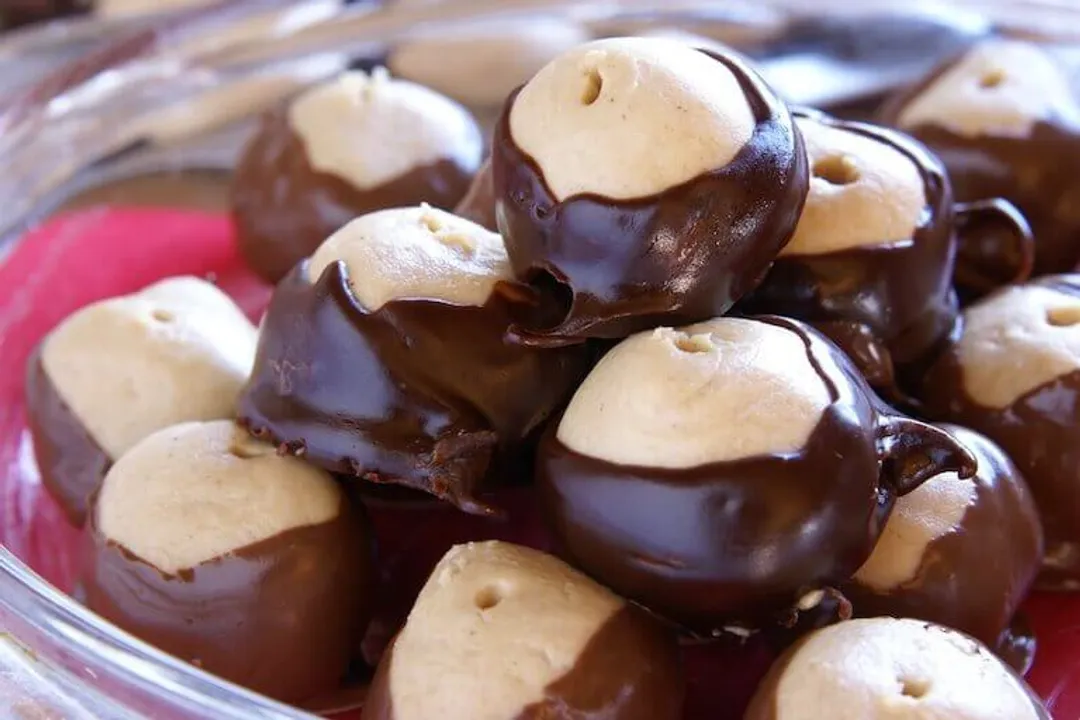
Alongside the lobster, Clam Chowder offers another regional battleground. New England variety is white, made with a milk or cream base, while the Manhattan style, associated with New York City, is characterized by its tomato-heavy, red base. A third, often overlooked, variety—Rhode Island chowder—is characteristically clear, avoiding both dairy and tomato. Further demonstrating regional tradition, Boston Baked Beans are traditionally made by slow-cooking navy beans with molasses and salt pork, often served alongside Boston Brown Bread, a moist, steamed molasses bread that echoes the preservation mindset necessary for survival in the cold climate. For a sweet finish, Western Pennsylvania refers to the confection known as a Whoopie Pie as a Gob—two cake-like discs sandwiching a creamy filling.
# Mid-Atlantic Foodways
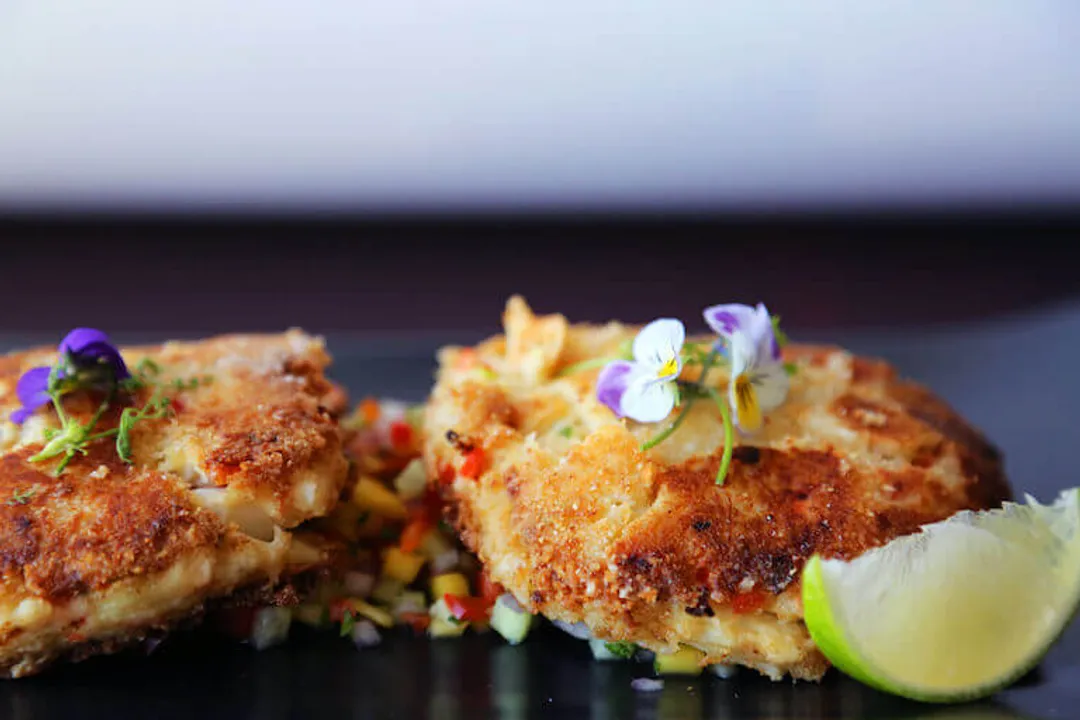
Mid-Atlantic cuisine mirrors the pace and diversity of its major cities, bearing heavy influences from Italian, German, Dutch, and Jewish communities, mingling with Chesapeake Bay seafood traditions. The Philly Cheesesteak, built on chipped steak, melted cheese, and a hoagie roll, is perhaps the region’s most famous export, yet the best versions remain fiercely local to Philadelphia. Maryland’s Crab Cakes are another point of local pride, where the ideal preparation involves lump blue crab meat barely held together, seasoned minimally to let the seafood shine.
In Buffalo, New York, Chicken Wings transcend the status of a mere side dish; they are the main event, originating there in the 1960s. Meanwhile, New Jersey claims Panzerotti, deep-fried pizza pockets often stuffed with sauce and mozzarella, as its beloved version of a calzone. Another breakfast staple, particularly in New Jersey and parts of Pennsylvania, is Pork Roll, sometimes called Taylor Ham, a salty, spiced processed pork product that often features prominently in a diner breakfast sandwich with egg and cheese.
# Southern Identity and History
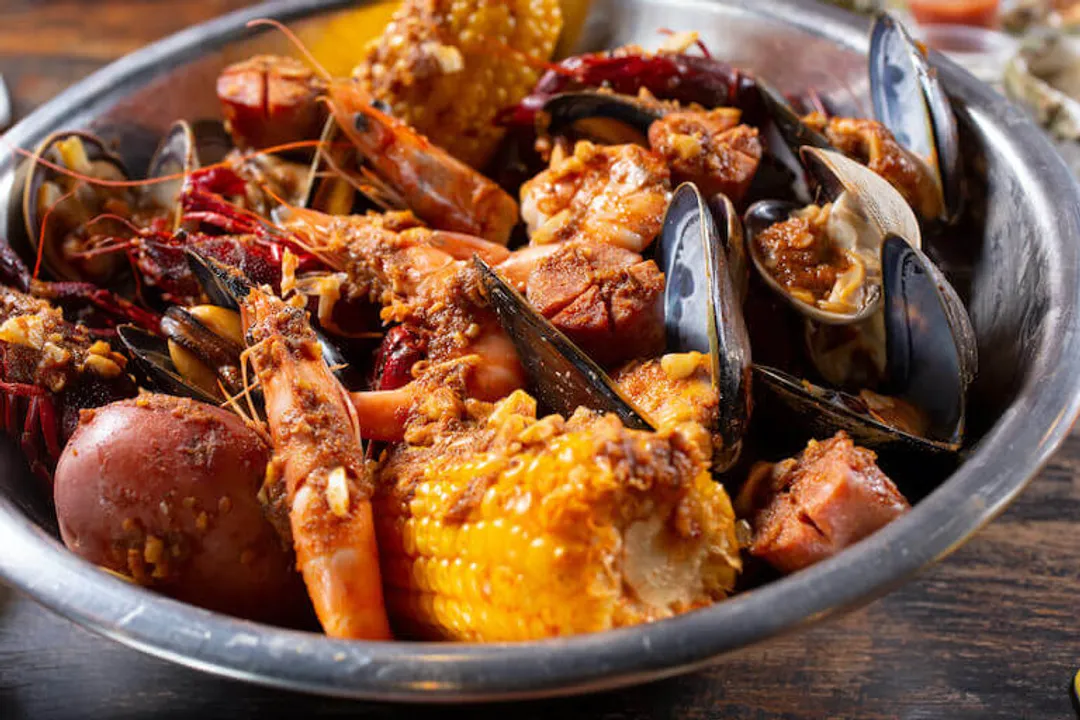
Southern cooking is distinguished by bold flavors, deep history, and a foundation built on resourcefulness, drawing on African, Native American, and European heritage. Along the coasts of South Carolina and Georgia, Lowcountry Cuisine exemplifies this fusion, using ingredients like rice, seafood, okra, and cornmeal. A hallmark of this tradition is the Lowcountry Boil, also known as Frogmore Stew, a one-pot meal of shrimp, sausage, corn, and potatoes.
In Louisiana, the French influence is evident in both Cajun and Creole cooking, both relying heavily on the aromatic "holy trinity" of onions, bell peppers, and celery. Gumbo, which has origins tied to enslaved West African communities introducing okra, remains a mandatory regional taste. For a New Orleans hangover cure, many turn to Yakamein, a hearty mashup featuring noodles, Creole spices, and beef broth. The Appalachian regions, spanning parts of Kentucky, West Virginia, and North Carolina, favor simpler, hearty meals built on self-reliance, featuring staples like Biscuits and Gravy and Apple Stack Cake.
It’s important to recognize the profound, often difficult, history embedded in this cuisine. For example, Shrimp and Grits, a modern Southern favorite, traces its roots back to enslaved Black and African American communities. Similarly, Fry Bread in the Southwest was born from the resourceful use of basic rations provided to Indigenous peoples during forced displacement in the 1800s, evolving from a symbol of hardship into one of cultural identity. When we explore these dishes, we see that the blending of ingredients—like using okra in Louisiana or peanuts in Virginia for Peanut Soup—was not always a matter of choice, but survival, making the resulting flavor profiles a testament to resilience. This historical necessity to stretch limited resources often led to culinary innovations that became regional signatures. For instance, some Appalachian traditions involved using sorghum or foraging wild greens because more expensive or varied goods were unavailable, creating flavor profiles based on what the immediate land provided.
# Midwest Heartland Comfort
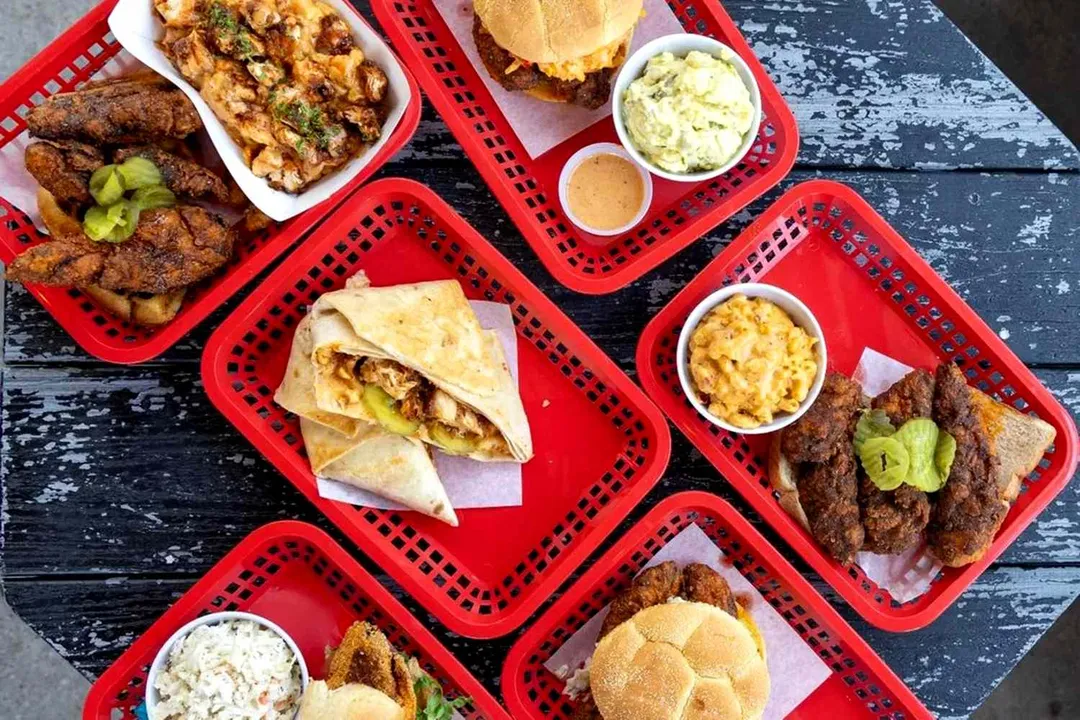
The Midwest, often called the "Heartland," presents cuisine that is hearty, practical, and heavily influenced by German, Scandinavian, and Polish immigrants. Dairy and corn are agricultural cornerstones reflected in many dishes. Toasted Ravioli, a St. Louis specialty, is unique—breaded, deep-fried ravioli served with marinara for dipping, allegedly invented by accident. Runzas, a Nebraska staple derived from Russian piroshki or German bierock, are soft yeast pockets filled with seasoned ground beef and cabbage.
Comfort cooking in the upper Midwest often takes the form of the Hotdish, a casserole typically combining ground beef, canned soup, and Tater Tots as a topping. Wisconsin contributes its famous, squeaky Cheese Curds, best enjoyed when fried. The German heritage is apparent in Cincinnati’s Skyline Chili, which uses a meat sauce spiced unusually with cinnamon and cloves, often ladled over spaghetti. In Indiana, the Pork Tenderloin Sandwich is a massive, breaded, and fried pork cutlet, similar to wienerschnitzel, that should always be larger than the bun it rests on.
# The Bold Southwest
Southwestern food is defined by bold flavors, using ingredients like corn, beans, beef, and, most importantly, chilies. Hatch Chiles are central, celebrated in everything from stews to sauces in New Mexico, where an entire festival honors them. New Mexico is also home to Pueblo Bread, a puffed loaf traditionally baked in outdoor clay ovens called hornos, which predates Spanish colonization.
Chili, particularly in Texas, is seen as a cultural melding of cattle drive traditions and Mexican influences. The debate over acceptable garnishes, especially the inclusion of beans, can be quite contentious among Texans. Tex-Mex cuisine, a distinct blend of Mexican tradition and American ingredients, features staples like Queso, Fajitas, and Chimichangas. Another critical dish, Fry Bread, reflects the history of Indigenous peoples in the region, symbolizing resilience despite its origins in government rations. Arizona adds a vibrant twist with the Prickly Pear Margarita, made from the native cactus fruit.
# The Rugged West and Rockies
Cuisine in the Rocky Mountain states like Montana, Wyoming, and Idaho tends to be rugged and practical, focusing on game meat and simple preparation methods echoing pioneer and open-fire cooking. Bison, elk, and venison are common, with Bison Burgers being a popular, leaner alternative to the standard beef patty. For the truly adventurous, Rocky Mountain Oysters—deep-fried bull or bison testicles—are a surprisingly landlocked seafood analogue. Huckleberry Sauce is another Mountain West staple, liberally drizzled over meats in Montana.
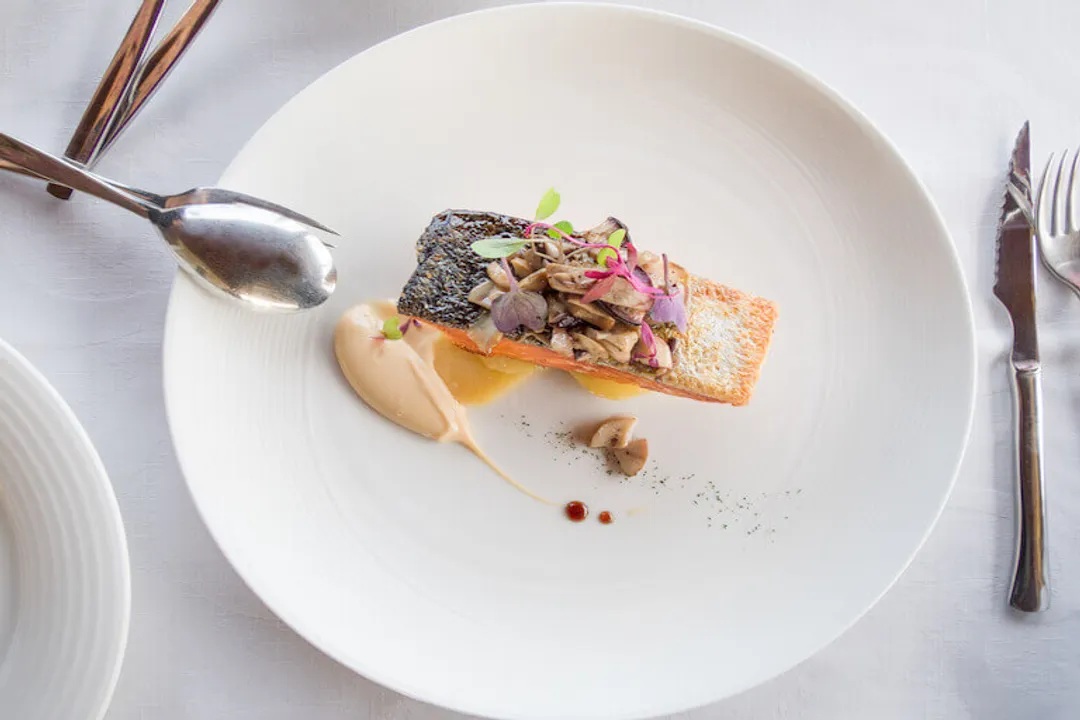
The Pacific Coastal states—California, Oregon, and Washington—offer cuisine focused on freshness, seasonal availability, and global inspiration due to the ocean and fertile agricultural lands. San Francisco’s Cioppino, a tomato-based seafood stew, was invented by Italian immigrants using leftover shellfish. In the Pacific Northwest, Cedar Planked Salmon demonstrates an ocean-to-table technique where the wood smoke infuses the abundant salmon with flavor. Oregon is the home of the Marionberry, a specific blackberry whose classic expression is found in Marionberry Pie. Furthermore, the Mexican border proximity means Fish Tacos are a celebrated staple in Southern California, often featuring flaky white fish that is fried, blackened, or grilled.
The geographical positioning of these regions dictates their earliest culinary foundations. Coastal areas like the Pacific Northwest naturally prioritized what the ocean provided—salmon, Dungeness crab—leading to simple preparations that highlighted ingredient quality, like planking or serving raw. Conversely, the landlocked Rocky Mountain states had to rely on hunting, ranching, and preservation, leading to hearty dishes centered on smoked or stewed game and utilizing slow-cooking cast iron methods. This environmental pressure yields two distinct, yet equally authentic, branches of American foodways.
# Hyper-Regional Uncovers
Beyond the widely recognized regional anchors, a deep dive reveals dishes known only within city limits or small counties, often born from unique local immigrant populations or economic necessity. These are the true tests of regional flavor:
- New York's Garbage Plate: Originating in Rochester, this dish is the ultimate mashup, traditionally featuring macaroni salad and home fries topped with burgers or hot dogs, then smothered in meat-based hot sauce, mustard, and onions.
- Michigan's Cudighi: This specialty, isolated to the Upper Peninsula, is an Italian sausage flavored with mulling spices like cinnamon and nutmeg, often served as a patty on a large roll with peppers and onions.
- Wisconsin's Belgian Trippe: Found specifically in Door County, this pork sausage is fortified with cabbage and strongly seasoned, traditionally boiled then grilled, another example of European settlers adapting tradition to local resources to stretch meat.
- South Carolina's Chicken Bog: Local to the Pee Dee region, this is a hearty chicken, rice, and sausage dish that, when made correctly, is savory rather than watery.
- Tennessee's Barbecue Spaghetti: A dish commonly served as a side in Memphis BBQ restaurants, it features spaghetti noodles tossed generously with barbecue sauce and pulled pork.
- Maryland's Lemon Peppermint Stick: A unique carnival treat found in the mid-Atlantic where one sucks lemon juice through a peppermint stick for a sweet-sour, tingling effect.
Observing the culinary spread, one notices a recurring theme of the "stuffed pocket" or "enclosed pastry" across various immigrant groups and locales. Whether it is the Nebraska Runza (German influence), the West Virginia Pepperoni Roll (Italian-American pocket), the English Steak and Kidney Pudding (suet pastry), or even the Sicilian Arancini (rice balls), the act of wrapping a savory, filling center in dough, batter, or starch appears nearly universal as a convenient, complete meal.
Another fascinating cross-regional similarity appears in the concept of the "smothered" or "sauced" protein served over starches—a technique popular in the South that has unexpected cousins elsewhere. While Southern Shrimp and Grits is a creamy example, the Mexican Morisqueta, built on rice and smothered with stewed beef or cheese/cream, suggests a shared comfort logic, perhaps tracing back to Italian techniques adapted to local grains like corn or rice.
# The Sweet Endings
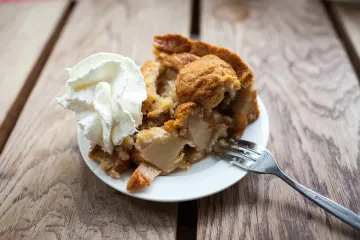
Desserts also show strong regional ties. Beyond the well-known Key Lime Pie in Florida, where authenticity demands real Key limes and no green dye, states feature unique baked goods. In Kentucky, Shaker Lemon Pie is prized for its intense citrus filling and flaky dough, using simple pantry ingredients typical of earlier self-sufficient communities. In the Dakotas, Kuchens—a yeasted dough topped with custard, often fruit—is a German-influenced cake staple. Meanwhile, Wyoming favors the Cowboy Cookie, a large, robust chocolate chip cookie bolstered with oats, pecans, and coconut, built for sustained energy.
Understanding these regional dishes is to understand the nation’s identity not as a monolith, but as a series of interconnected, flavor-rich territories, each with an essential dish waiting to be discovered.
Related Questions
#Citations
Great regional dishes that are unknown to people outside the country
The Most Iconic Hyper-Regional American Dish in Every State
23 Favorite Regional Recipes from Every Corner of the USA
Must-Try Regional American Cuisine - Visit USA Parks
Where to Eat America's Most Iconic Regional Dishes - Food & Wine
American Regional Cuisine: The Best Dishes from Around the Country