What is a regional dish?

Food Identity
A regional dish is fundamentally a food item strongly associated with a specific geographical area, often representing the history, local ingredients, and culinary practices of that locale. [9] These dishes are more than just popular meals; they are expressions of place, shaped by what was historically available, the climate, and the cultural influences that settled or traveled through that region. [5][9] When people discuss regional cuisine, they are talking about the collective set of dishes and preparation methods that define the eating habits of a community over time. [9] The defining characteristic is this strong, often inseparable link between the food and its origin point, making the dish an edible marker of identity. [1]
The concept allows for significant variation, ranging from broad definitions encompassing entire states or large geographic zones, down to incredibly specific, almost neighborhood-level specialties. [9] What binds them is the shared heritage surrounding their preparation and consumption within that boundary. It’s this connection to a specific place that distinguishes a regional dish from a universally popular one, like a standard grilled cheese sandwich, even if that sandwich has a local variation made with a specific regional cheese.
# Local Roots
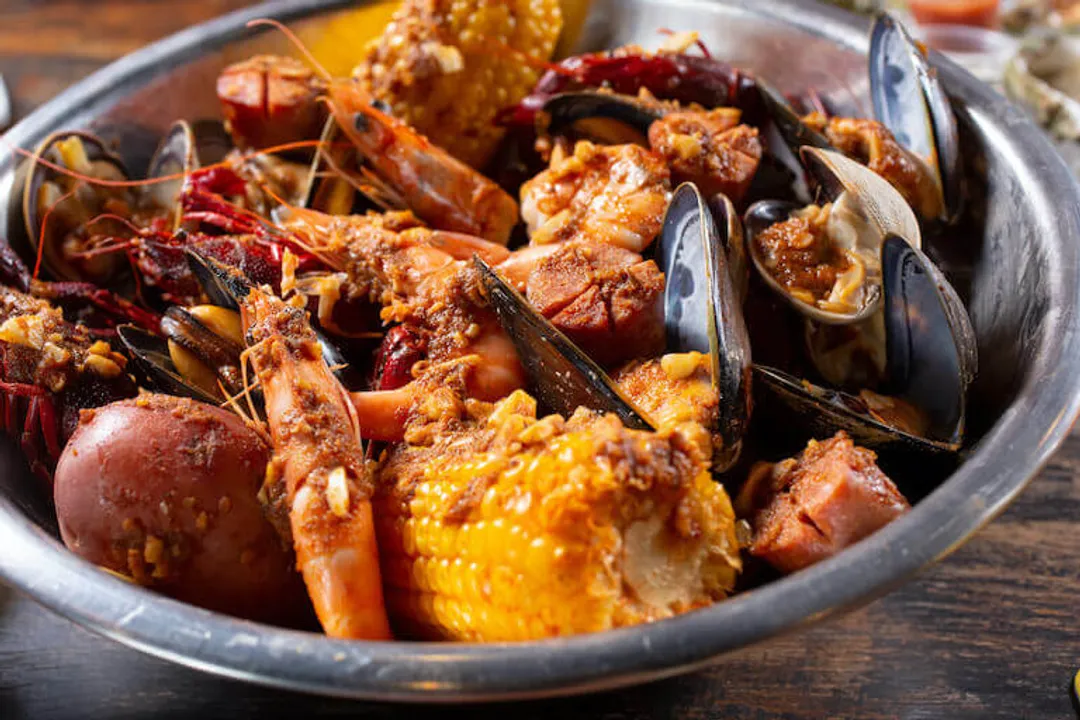
The genesis of a regional dish is almost always tied to necessity and environment. Early settlers or established populations had to rely on what the immediate landscape provided—be it specific types of fish, unique produce, game animals, or dairy production methods. [5] For instance, a coastal region will naturally feature more seafood-centric meals, while an area with a strong agricultural history might center dishes around staple grains or specific livestock. [5]
History plays an equally important part. Migration patterns, economic booms or busts, and even historical conflicts can introduce new ingredients or change old recipes, cementing new traditions that become codified as "regional". [9] A dish might originate from a specific immigrant group whose traditions blended with local resources, or it might be the invention of a particular institution, like a famous diner or historical military post, that gained widespread local acceptance. [1] The enduring presence of a dish in local memory and daily consumption solidifies its regional status. [9]
# American Geography

While the principle of regional cuisine is global, focusing on the United States provides a clear demonstration of this concept in action, as American food culture is deeply segmented by geography and history. [5] The sheer size and diverse ecological zones of the US—from the humid South to the arid Southwest, and from the maritime Northeast to the Pacific Coast—naturally lead to distinct culinary zones. [1][5]
For example, Southern cuisine is often associated with ingredients like okra, grits, and sweet potatoes, developed from a blend of West African, European, and indigenous traditions. [5] In contrast, the cuisine of the Pacific Northwest might feature salmon, foraged mushrooms, and berries heavily. [5] These aren't just random food preferences; they are culinary histories shaped by agriculture, climate, and demographics. [5] State-level lists often document these significant variations, such as the strong presence of barbecue traditions varying widely by state, or the unique sweet profile of New England baked goods. [1][2]
This stratification means that what is considered "comfort food" can change drastically when crossing state lines. [10] For a person in the Northeast, comfort might be clam chowder; for someone in the Midwest, it might be cheese curds or a specific type of casserole. [10]

# Culinary Spectrum

To truly grasp the concept, it helps to look at how specific dishes stake their claim. A dish can become regional because it is the only place where a particular ingredient is grown or harvested successfully, making adaptation mandatory. [9] Consider the specific preparation of smoked meats or the use of unique local peppers; if you want that authentic flavor profile, you must go to the source. [4]
We can observe a clear spectrum in how these dishes are defined, which can be organized by the exclusivity of their origin:
| Category | Description | Example Indicator (Conceptual) |
|---|---|---|
| Hyper-Regional | Tied to a single city, county, or very small zone. [9] | A specific style of chili named after one city. |
| Statewide Classic | Widely known across an entire state, often iconic. [2] | State sandwich or state pastry. |
| Meso-Regional | Spans several states sharing a common geographic or cultural trait (e.g., the South, the Southwest). [5] | A recognized regional barbecue style. |
| National Adaptation | A dish adapted everywhere, but with one famous original source. [9] | Pizza, where the New York slice is a distinct regional variant. |
One interesting observation is how readily people defend the "authenticity" of their local preparation. Even when a recipe travels, subtle shifts in technique or ingredient sourcing often lead to spirited local debates about what constitutes the real version of the dish. [3] This passionate debate itself is a hallmark of a strong regional culinary identity.
# Micro-Regions

While many regional dishes are recognized at the state level, the true depth of culinary geography often resides in micro-regions. These are smaller areas—a metropolitan area, a river valley, or an island chain—where unique economic or historical factors isolated a specific preparation method. [9] Sometimes, the difference between two neighboring towns' signature dishes is slight—perhaps the cut of meat used in a stew or the type of flour in a biscuit—but those differences are fiercely preserved. [3] For example, one small town might claim dominance over a specific type of deep-dish pie, while the next town over uses a puff pastry crust, leading to two completely different, yet equally regional, specialties existing just miles apart. [8] Identifying these micro-regional dishes often requires talking to long-time locals or delving into niche food histories, as they rarely make it onto broader state-level lists. [3]
# Hidden Gems
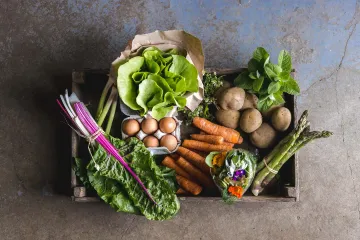
Not all regional dishes are famous enough to be featured on national cooking shows or travel guides. Many remain local treasures, known primarily through word-of-mouth or local cookbooks. [8] These "surprising regional favorites" often involve less glamorous ingredients or simple preparation, yet they possess deep cultural ties. [8] A true connoisseur of regional food seeks out these lesser-known items, as they often represent the most direct link to the area's historical diet before mass commercialization. [8] Examples might include a specific type of pickled vegetable common only to a farming community or a unique bread baked only for a certain holiday. [8]
If you are looking to connect with a region through its food, seeking out these hidden gems can be more rewarding than sticking to the well-publicized classics. A practical step when visiting a new area is to ask bartenders, librarians, or shop owners—not just restaurant staff—what their family eats for a special, everyday meal. This often uncovers a truly hyper-local favorite that hasn't been standardized or commercialized yet. [3] For instance, while everyone knows about Maryland crab cakes, asking a local might reveal a preference for a specific, lesser-known regional seafood dip or stew that speaks more to the day-to-day flavor of the community. [7]
# Enduring Appeal
The persistence of regional dishes speaks to a fundamental human need for connection to place and history. [9] In an increasingly globalized food system where identical chain restaurants exist everywhere, the regional dish serves as an anchor to local culture and tradition. [5] They offer a tangible, delicious way to experience the story of a place, whether it’s a celebrated national staple or an obscure, treasured local preparation. [4][9] They remain a vital, edible part of what defines a community's unique character.
Related Questions
#Citations
List of regional dishes of the United States - Wikipedia
The Most Iconic Hyper-Regional American Dish in Every State
Great regional dishes that are unknown to people outside the country
25 of the Best Regional American Recipes - America's Test Kitchen
American Regional Cuisine: The Best Dishes from Around the Country
12 Regional Dishes to Make at Home When You Can't Travel
Top U.S. Regional Dishes You Must Try on Your Next Trip
21 Surprising Regional Foods You've Never Heard Of | Taste of Home
23 Favorite Regional Recipes from Every Corner of the USA