What is the signature dish of the Philippines?
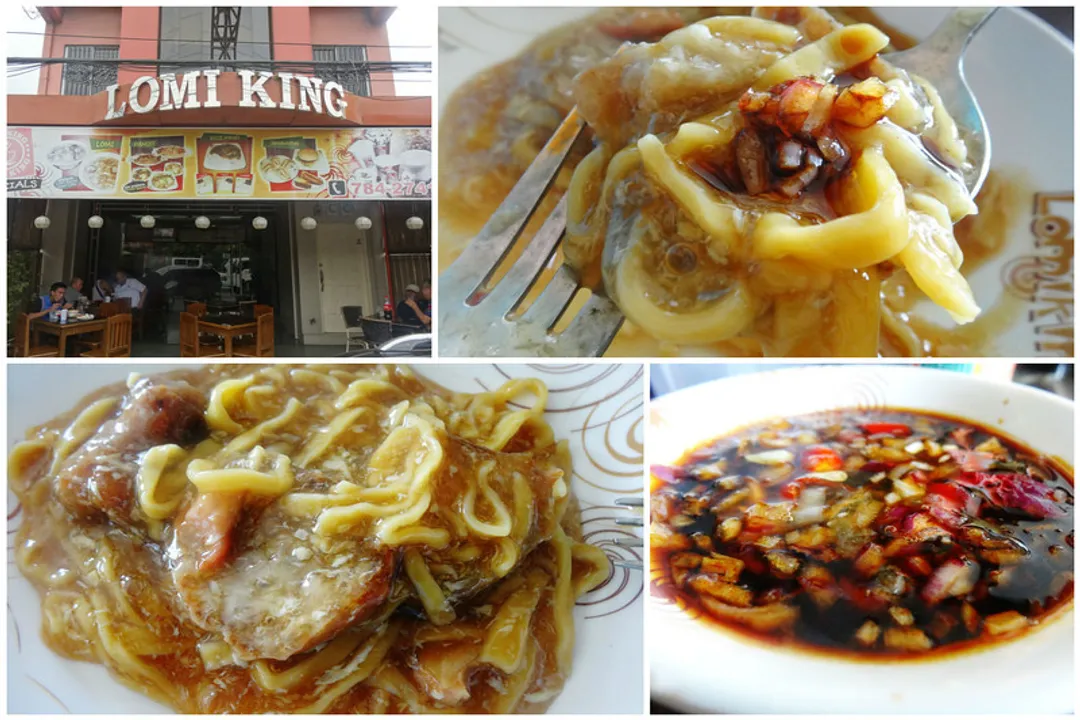
The question of which single dish best represents the entire Philippine archipelago is a topic that often sparks spirited, yet friendly, disagreement among locals and food enthusiasts alike. While the cuisine is incredibly diverse, reflecting centuries of trade and colonization, one dish holds the most widely accepted claim to the title of the national dish: Adobo.
# National Contender
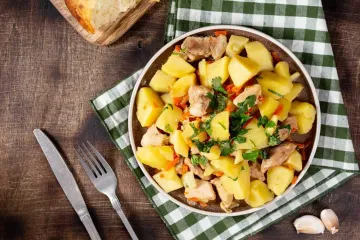
Adobo, in its most fundamental sense, refers to a cooking process rather than a single, unchangeable recipe, which adds to its pervasive presence in Filipino households. The preparation involves stewing meat—most commonly chicken, pork, or a mix of both—in a liquid mixture dominated by vinegar, soy sauce, garlic, and black peppercorns. This method was historically essential for preservation in the tropical climate before widespread refrigeration.
The status of Adobo as the definitive dish is recognized widely, even if some communities feel it overshadows regional specialties. It is deeply embedded in the culinary identity, appearing on countless family tables and restaurant menus across the country and globally. While New York Times commentary noted the existence of an intense and delicious debate surrounding the actual national dish, Adobo consistently tops the list of recognized culinary symbols.
# Regional Variations
The beauty of Adobo lies in its chameleon-like nature. The core components—acid and salt—remain, but the ratio and additional flavorings shift dramatically depending on the island or even the individual cook. This regional variation is what keeps the dish endlessly interesting. For example, some versions, particularly those found in the Visayas region, lean heavily on vinegar, resulting in a pronounced tanginess, while relying less on the darker, saltier soy sauce.
Another distinct style involves adding coconut milk, yielding Adobong Gata, which transforms the sharp stew into a richer, creamier dish common in the Bicol region. Furthermore, the addition of aromatics like bay leaves provides a subtle earthy depth, and sometimes a touch of sugar is incorporated to balance the sourness. This flexibility allows Adobo to serve as a culinary litmus test for the cook's home region or personal preference.
The method of cooking itself also dictates the final product. A dish simmered slowly until the liquid evaporates, leaving the meat richly coated and slightly caramelized, is known as Adobong Tuyo (dry adobo), contrasting sharply with the saucier versions.
| Ingredient Focus | Typical Geographic Tendency | Flavor Result |
|---|---|---|
| Soy Sauce Dominant | Luzon (Manila area) | Saltier, deeper color |
| Vinegar Dominant | Visayas/Southern Areas | Sharper tang, lighter color |
| Coconut Milk Added | Bicol Region | Rich, creamy, mildly sweet |
| Minimal Liquid | Adobong Tuyo style | Glazed, intense flavor concentration |
Understanding Adobo’s nature as a cooking technique rather than a static recipe highlights a key difference from many other national dishes defined by precise ingredient lists. This variability makes defining one true version impossible, which arguably fuels the ongoing, good-natured argument over what truly represents the nation.
# Other Essentials
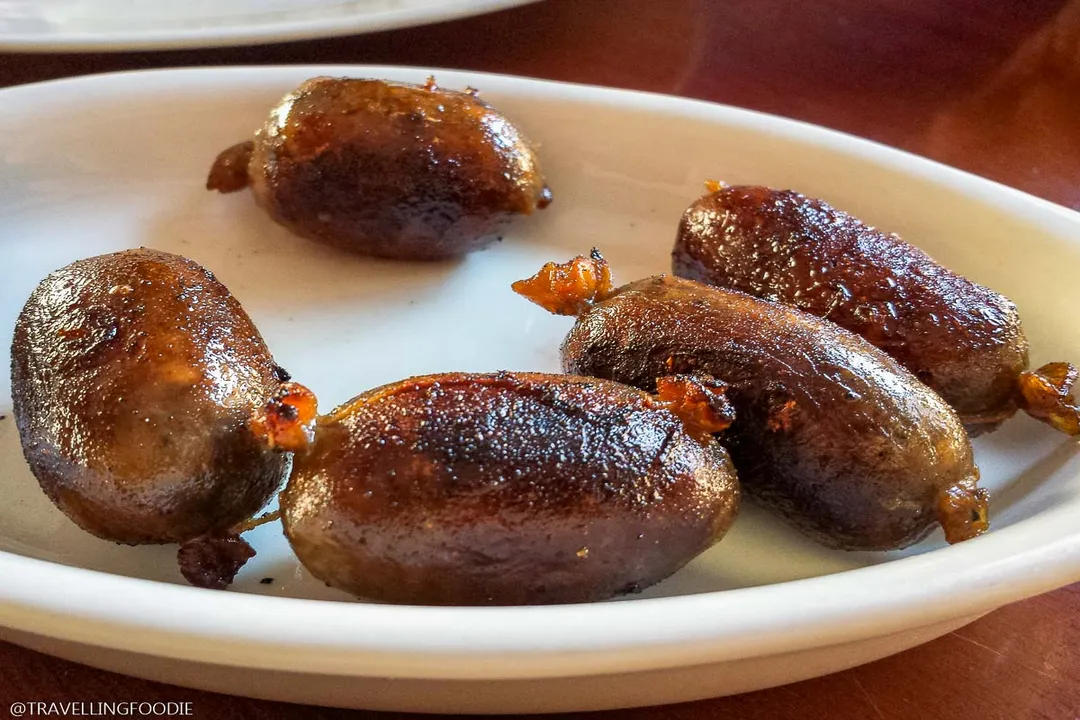
If Adobo is the recognized national dish, Lechon—a whole pig roasted over charcoal until the skin achieves an impossibly crisp, crackling texture—is undoubtedly the most celebrated dish for special occasions. It is the centerpiece of major fiestas, embodying abundance and festivity. Preparing Lechon requires specialized equipment and time, making it a dish that symbolizes community effort and celebration.
Then there is Sinigang, a sour and savory soup that many Filipinos consider their true comfort food, perhaps rivaling Adobo in emotional significance. The souring agent, often tamarind, gives it a distinctive bright flavor. Depending on the region, this sourness can come from guavas, tomatoes, or calamansi, and it is typically loaded with vegetables and meat or seafood. While Adobo speaks of history and preservation, Sinigang speaks to the comforting, daily flavor profile of the islands.
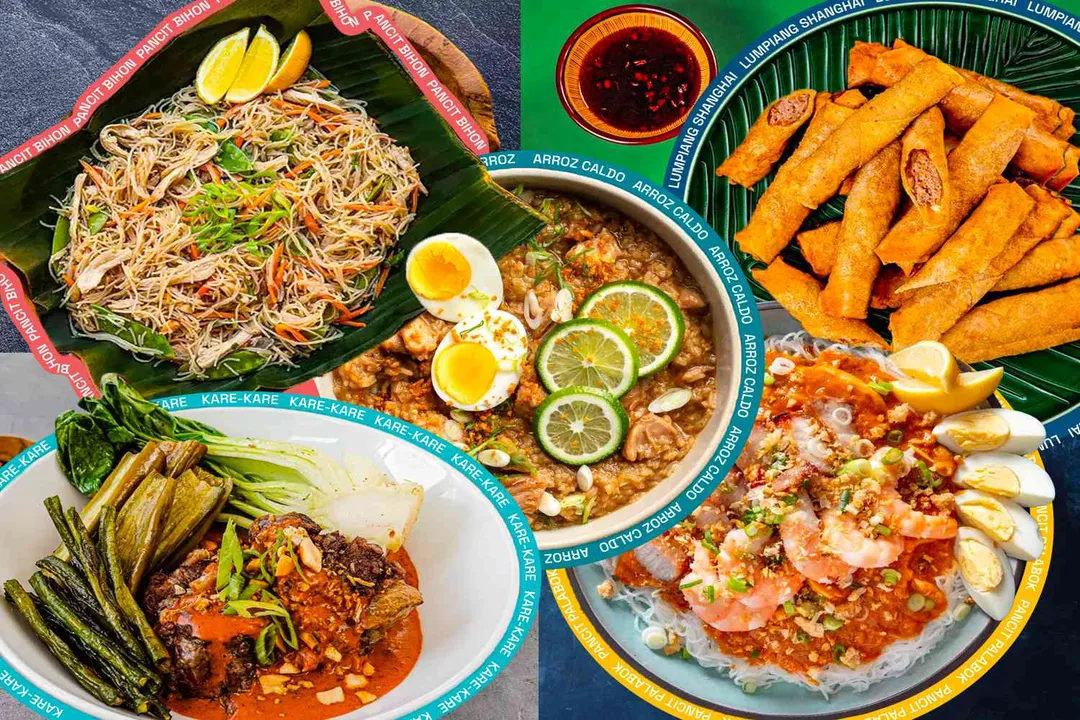
The influence of historical trade is also evident in other contenders. Dishes like Pancit (noodles), which shows a clear Chinese influence, and Lumpia (spring rolls) are beloved staples that showcase the cuisine's long history of interaction with foreign cultures.
# Flavor Profile
The broader appeal of Filipino cuisine, often overlooked by outsiders, lies in its distinct flavor profile, which centers around sour, salty, and savory tastes—a departure from the heavy use of pure spice found in some neighboring cuisines. Many dishes manage to balance these elements simultaneously.
For someone new to cooking Filipino food, grasping these foundational tastes is more important than mastering any single complex preparation. The triumvirate of sourness (from vinegars or citrus), saltiness (from fish sauce or soy sauce), and intense allium presence (garlic) forms the bedrock of savory cooking.
For instance, the simplest morning staple, Sinangag (garlic fried rice), offers an accessible entry point into this flavor world. If you can successfully infuse oil with the fragrant aroma of crushed garlic—making sure it crisps perfectly without burning—before tossing in day-old rice, you have captured the essential aromatic base shared by countless Filipino meals. This technique emphasizes the importance of aromatics, where fresh garlic is often fried until golden brown at the start of the cooking process, providing a deep, sweet, garlicky foundation that cuts through the sourness of a main dish. Mastering this simple rice preparation is a small victory that unlocks an understanding of the cuisine’s character far more effectively than attempting a complex stew immediately.
#Videos
National dish of the Philippines ? - YouTube
Related Questions
#Citations
Filipino Food: 18 Best Traditional Dishes in the Philippines
Manila Food Frenzy: The Best 29 Filipino Dishes You Need To Try!
It is the national dish of the Philippines, and the subject of intense ...
Filipino cuisine - Wikipedia
What dish do you believe best represents the Philippines? - Reddit
National dish of the Philippines ? - YouTube
50 Delicious Filipino Recipes You'll Want to Make on Repeat
Filipino Food 101: Recipes to Get You Started - Serious Eats
Pinay Lifestyle: Adobo, Philippine National Dish, Recipe And History ...
Top 10 Filipino Food and Eating in the Philippines - Live Less Ordinary