What is the Philippines' signature food?
It is a deceptively simple question—what is the Philippines’ signature food? To name just one dish is to overlook the sheer geographical and historical complexity baked into the cuisine of the archipelago, spread across more than 7,000 islands. Filipino food is a dynamic conversation between indigenous ingredients, Chinese trade influence, and centuries of Spanish and American colonization. This convergence results in a culinary landscape characterized by bold flavor combinations, often balancing salty, sour, and sweet notes. While many dishes stand out, the title of the most representative dish often defaults to Adobo, the unofficial national dish, due to its near-universal presence in Filipino homes and restaurants.
# The Unofficial Icon
Adobo is the benchmark for Filipino cooking, found everywhere from daily meals to festive spreads. Yet, calling it one thing is nearly impossible. The term adobo, derived from the Spanish word for "marinade," actually describes a cooking method dating back to pre-colonial times, initially used for preservation using vinegar and salt. The modern, most popular rendition marries this indigenous technique with soy sauce, introduced via Chinese trade routes. The core components remain consistent: meat—typically chicken or pork, or sometimes fish or seafood—simmered with vinegar, garlic, black peppercorns, and bay leaf until tender.
The beauty of Adobo lies in its adaptability, embodying the regional variations found across the islands. While a Luzon-style might stick to the basic savory-sour profile, other regions might introduce a creamy twist with coconut milk, or cook it dry, allowing the meat to fry in its own rendered fat. This variation is why the phrase "7,000 islands means 7,000 versions of adobo" rings true; the sawsawan (marinade/stewing liquid) is deeply personal. For anyone attempting this at home, recognizing that the dish always tastes better the day after cooking, as the vinegar mellows, is a key piece of practical experience.
# Tangy Comfort
If Adobo represents the savory cornerstone, Sinigang stands as the heart of Filipino comfort through its essential sourness. It is a refreshing, meat or seafood-based soup that rivals famous regional competitors like Thailand’s Tom Yum in its soul-warming quality. The defining characteristic is its acidic broth, traditionally sourced from tamarind fruit (sampalok) and leaves. However, the archipelago’s diverse produce means the souring agent can swap out for unripe guava, green mango, or the local citrus, calamansi.
A bowl of Sinigang is generally packed with chunky vegetables, which might include okra, radish, eggplant, cabbage, and long beans. Whether made with pork (na baboy) or salmon (na salmon), the dish is characteristically light in seasoning, which is an intentional culinary choice. This simplicity allows diners to customize the final profile at the table, highlighting a fundamental aspect of Filipino dining culture.
# Fiesta Centerpieces
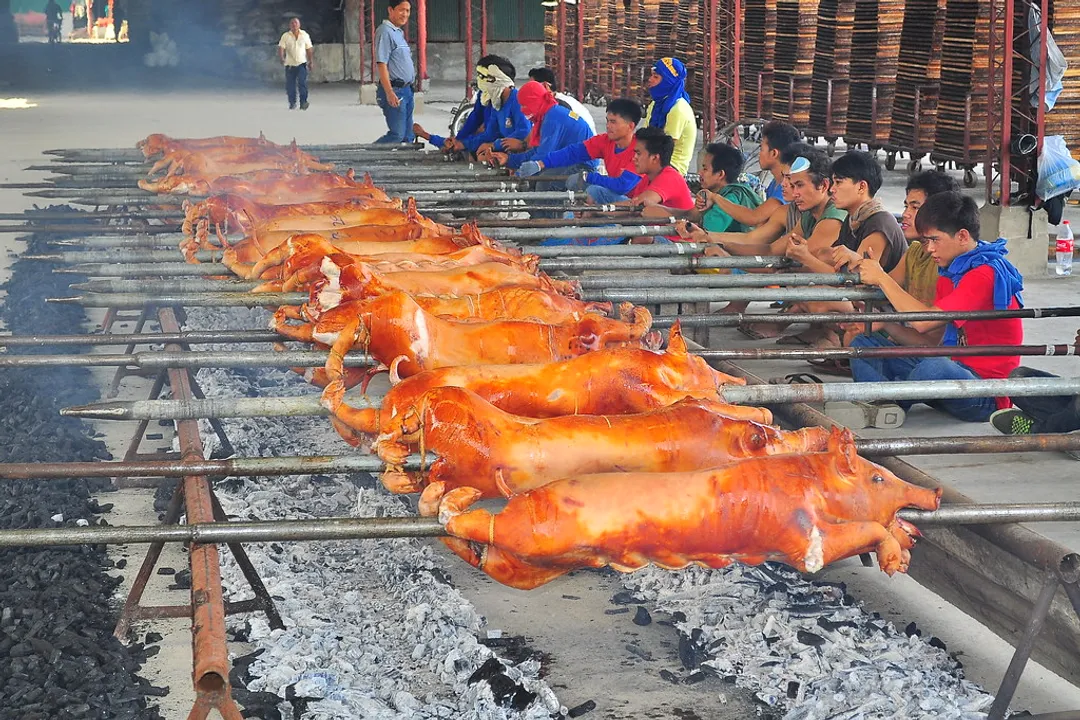
For grand occasions and celebrations—the fiestas—the table demands dishes that require significant preparation, acting as the cultural centerpiece. Chief among these is Lechon, the whole spit-roasted suckling pig. The dedication to roasting this delicacy borders on artistry, involving hours of careful turning over an open fire. Cebu is widely touted as the source of the best Lechon, often stuffed generously with spices like lemongrass and tamarind during roasting, resulting in a hard, crackling crunch. Luzon-style Lechon often features simpler seasoning, yielding a smoother, thinner skin. Regardless of regional style, the juxtaposition of that perfectly crisp skin against the lusciously soft, tender meat is why the dish remains the crowning glory of any Filipino gathering.
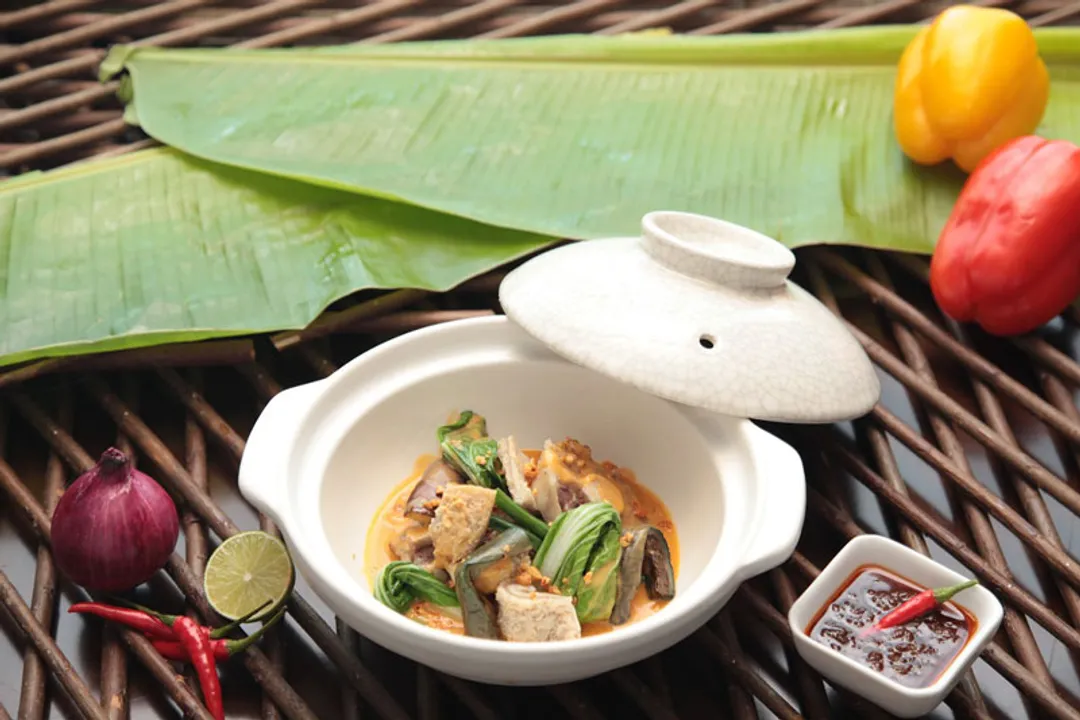
Another celebratory, yet distinctly Filipino, stew is Kare-Kare. Translating loosely to "curry-curry," this dish is a thick, savory stew characterized by its rich, earthy peanut sauce. It traditionally features meats like oxtail and tripe, enriched with annatto seeds for a signature burnt-orange hue. A crucial component of the experience is the accompaniment: a side of bagoong (fermented shrimp paste). The rich, slightly sweet peanut gravy requires the salty, umami punch of the bagoong to balance the flavor, preventing the stew from becoming too heavy.
# Street Smarts and Celebration Noodles
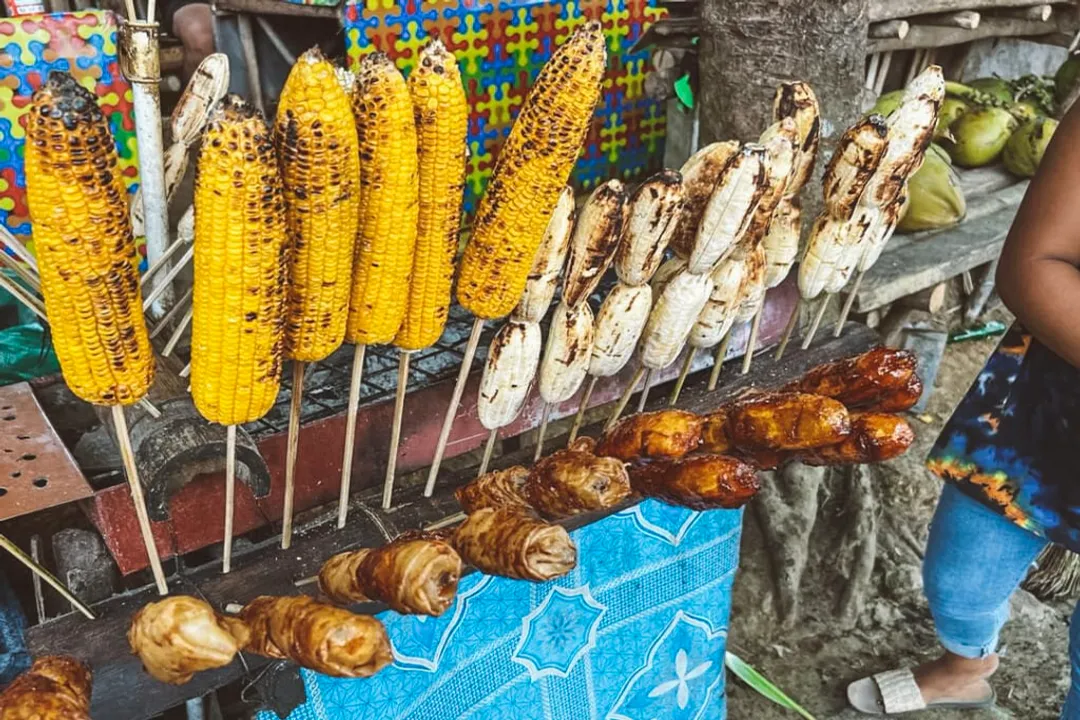
Beyond the grand feasts, certain dishes define the communal, everyday eating experience. Sisig, originating from Pampanga, is the quintessential pulutan—a salty, fatty snack perfect for sharing over drinks. Traditionally made from a medley of pork head parts (ears, snout, cheeks), it is finely chopped, boiled, seasoned with citrus and vinegar, and served sizzling, often topped with a runny egg. Even the late Anthony Bourdain recognized its addictive quality, calling it "the best thing you could ever eat with a cold beer".
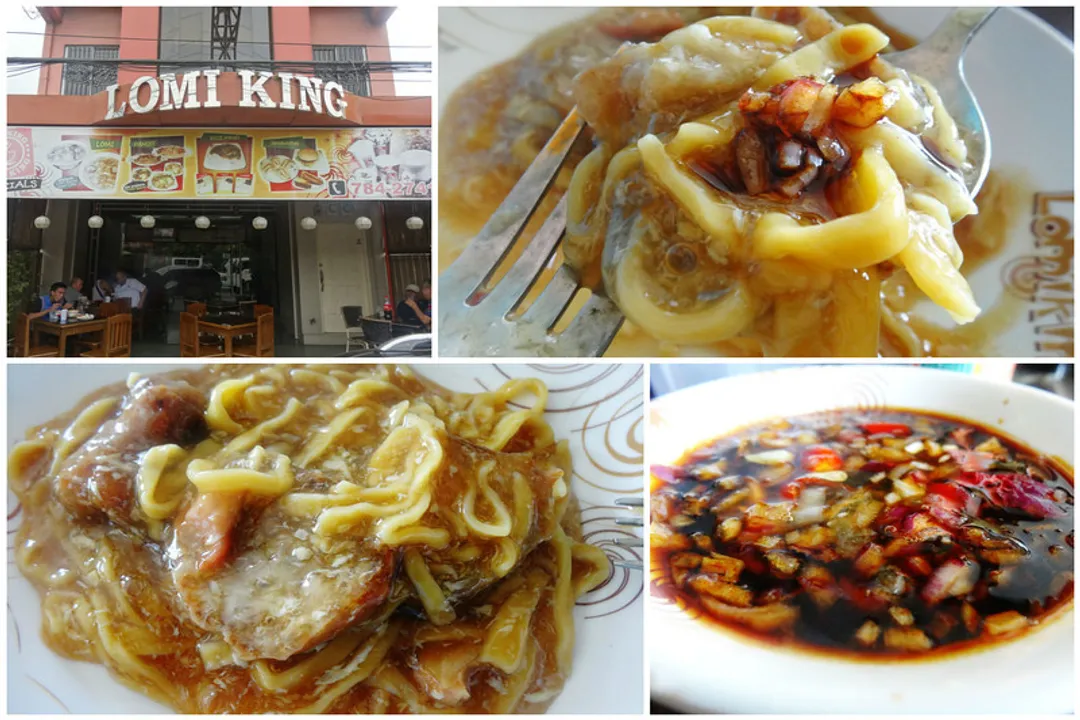
When it comes to celebrations, Pancit, or noodles, is mandatory, symbolizing long life and good fortune. While stir-fried varieties like Pancit Bihon are common, Pancit Palabok is often the celebratory star. This version uses thick rice noodles drenched in a visually distinctive, bright orange sauce made from shrimp stock and annatto. It is then heavily garnished with shrimp, toasted garlic, crushed chicharon (pork cracklings), and smoked fish flakes, offering a complexity of textures and deep umami flavor.
# The Sweet Chaos
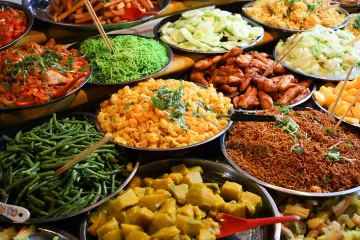
If the savory side of Filipino cuisine leans toward historical influences and deep umami, the dessert scene screams tropical exuberance, culminating in the iconic Halo-Halo. Meaning "mix-mix," this dessert is an architectural feat of contrasting textures and temperatures, similar to Japanese kakigori but distinctly Filipino in its ingredient list. It begins with a base of shaved ice and milk (evaporated or condensed). Layered within are numerous sweet components, which can include ube (purple yam) ice cream, leche flan pieces, sweetened beans, jellies, sago, jackfruit, and sweet potato. The instruction is inherent in the name: everything must be mixed together before eating, ensuring every spoonful is a different, exciting combination.
# Balancing the Palate
The pervasive presence of specific flavor agents points toward a core philosophical approach to eating in the Philippines. While the dishes themselves are complex—marinated, stewed, or fried—the final act of seasoning is left to the diner. This is where sawsawan comes into play. In every Filipino home and restaurant, you will find small bowls of condiments: fish sauce (patis), vinegar, calamansi wedges, and bagoong. These are not mere afterthoughts; they are essential tools for balancing the meal according to individual preference. If your Kare-Kare is too rich, you dab bagoong on your rice. If your fried meat is too oily, you douse it in spiced vinegar. This personalized finishing step shows that Filipino food is designed to be an interactive experience, allowing the diner to manage the inherent sour, salty, and sweet tendencies of the cuisine, ensuring that a dish like Sinigang can lean further into tartness or Adobo can be made sweeter or saltier based on the spoonful being eaten.
This adaptability is what makes the cuisine so engaging, moving beyond singular definitions to embrace a spectrum of tastes shaped by the land, the sea, and trade history. To truly understand the signature food of the Philippines, one must taste its most beloved contenders—the vinegary depth of Adobo, the bright punch of Sinigang, the celebratory richness of Lechon, and the chaotic delight of Halo-Halo—while remembering that the final, perfect balance is always one squeeze of calamansi away.
# Comparison of Savory Mainstays
The most talked-about main courses showcase the breadth of flavor profiles achieved through slow cooking and rich ingredients.
| Dish | Primary Flavor Profile | Key Ingredients/Characteristics | Cultural Role |
|---|---|---|---|
| Adobo | Savory, Tangy, Salty | Vinegar, soy sauce, garlic, peppercorns | Unofficial National Dish; versatile comfort food |
| Sinigang | Sour, Tart, Savory | Tamarind (or guava/calamansi), meat/seafood, vegetables | Refreshing, adaptable soup; comfort food |
| Kare-Kare | Earthy, Savory, Nutty | Peanut-thickened sauce, oxtail/tripe, served with bagoong | Hearty stew, typically for gatherings |
| Sisig | Sizzling, Sour, Spicy | Chopped pig parts, calamansi, chili, onions | Popular pulutan (drinking snack) |
| Lechon | Savory, Crispy Skin | Whole spit-roasted pig, heavily seasoned (Cebu style) | Centerpiece for fiestas and celebrations |
The diversity suggests that perhaps the true signature is not one recipe but the method of preparation—a resourcefulness that utilizes every part of the animal, pairs sweetness with saltiness, and always reserves the final adjustment for the person enjoying the meal.
#Videos
12 Filipino Dishes To Try Before You Die - YouTube
Related Questions
#Citations
Manila Food Frenzy: The Best 29 Filipino Dishes You Need To Try!
Filipino Food: 18 Best Traditional Dishes in the Philippines
Top 10 Filipino Food and Eating in the Philippines - Live Less Ordinary
Filipino Food 101: Recipes to Get You Started - Serious Eats
12 Filipino Dishes To Try Before You Die - YouTube
Flavours of the Philippines - Nourish & Tempt
20 Popular Filipino Foods You Have To Try At Least Once
10 Mouthwatering Classic Filipino Foods - GRRRLTRAVELER