Is Burmese food similar to Chinese food?
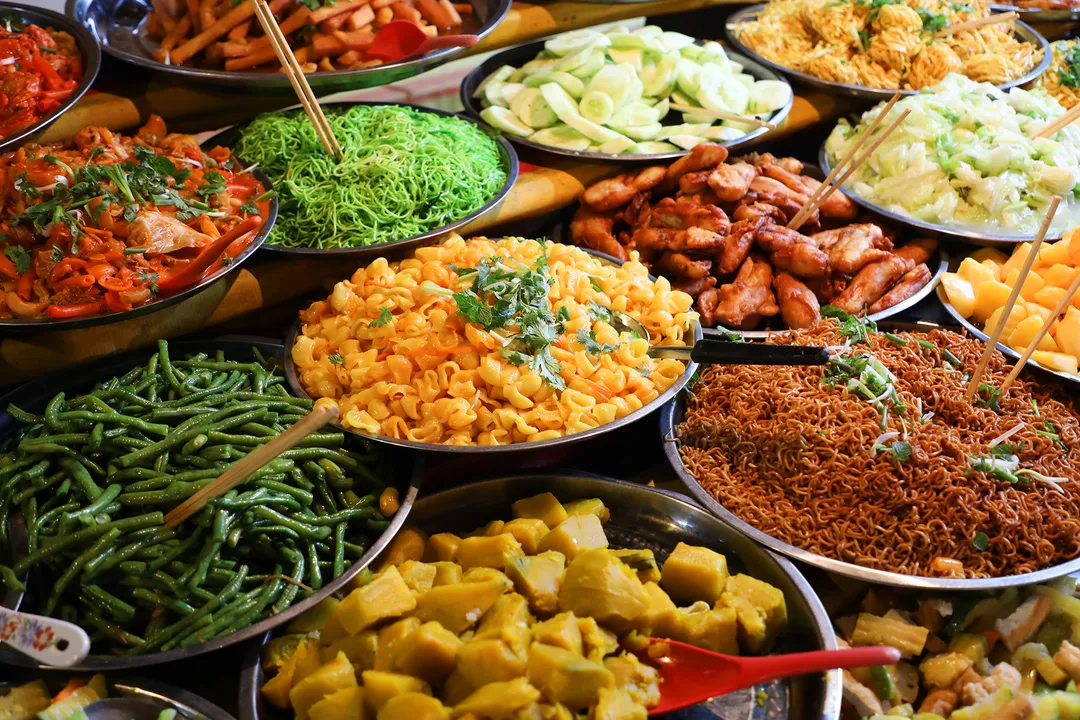
Burmese cuisine certainly shares some recognizable echoes with Chinese cooking, yet claiming they are similar is like saying two distant cousins are the same person; the relationship is there, but the life paths diverged significantly. The historical migration of various Chinese groups, notably the Hakka people, has undeniably etched itself onto the culinary landscape of Myanmar (Burma). [6] In many urban centers, especially places like Yangon, you can find dishes that, on the surface, appear indistinguishable from Cantonese or Sichuan standards—think stir-fries, specific noodle preparations, and the presence of certain preserved vegetables. [2][6] However, to stop the comparison there is to miss the profound influence of the local environment and indigenous fermentation traditions that anchor Burmese food firmly within the Southeast Asian sphere. [5][8]
# Shared Roots
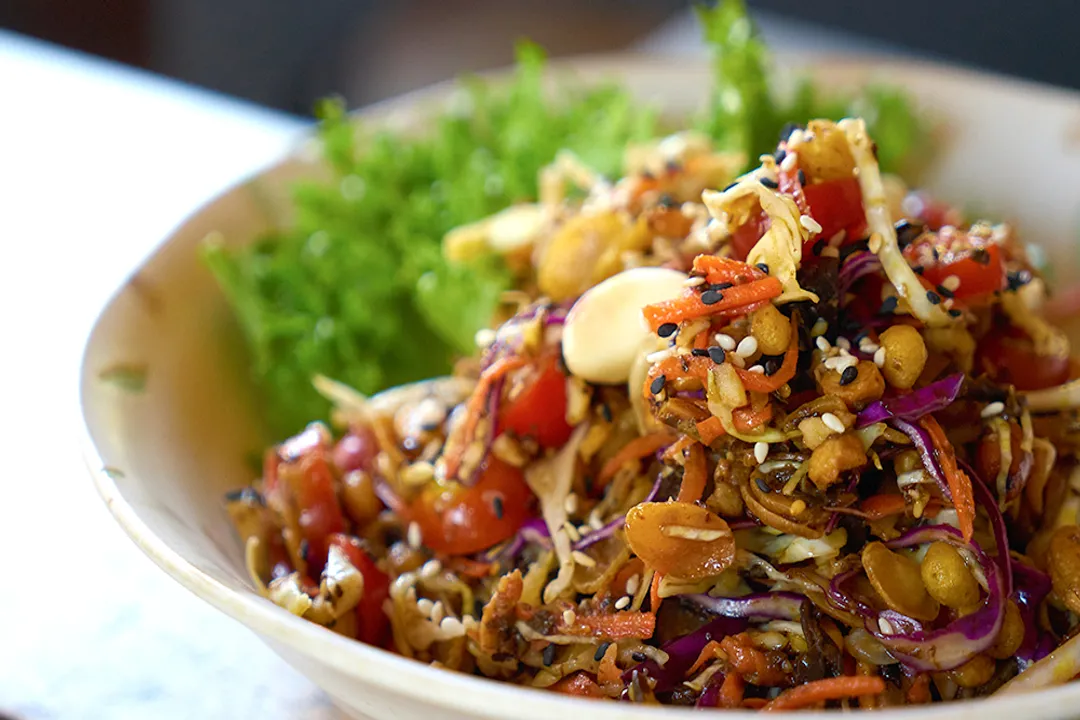
The undeniable overlap stems from centuries of interaction and settlement. [2] Chinese influence is most visible in the realm of wheat-based products and quick-cooking techniques, like stir-frying, which are less dominant in the traditional cuisines of neighboring Thailand or Laos. [5][9] For instance, the love for noodles in Myanmar is robust, and many of these dishes have direct lineage to Chinese cooking methods. [2] It is common to find Chinese-style elements incorporated into the diet, perhaps because techniques utilizing woks and high heat were efficiently adopted by local cooks. [6] This historical connection means that when travelers encounter dishes like mandalay mee or various types of htamin (rice), they might immediately register a familiar, savory Chinese foundation. [2] The presence of Chinese descendants and the resulting cultural exchange created a unique hybrid cuisine in many regions, distinct from the main culinary currents of mainland China. [6]
# Local Flavoring
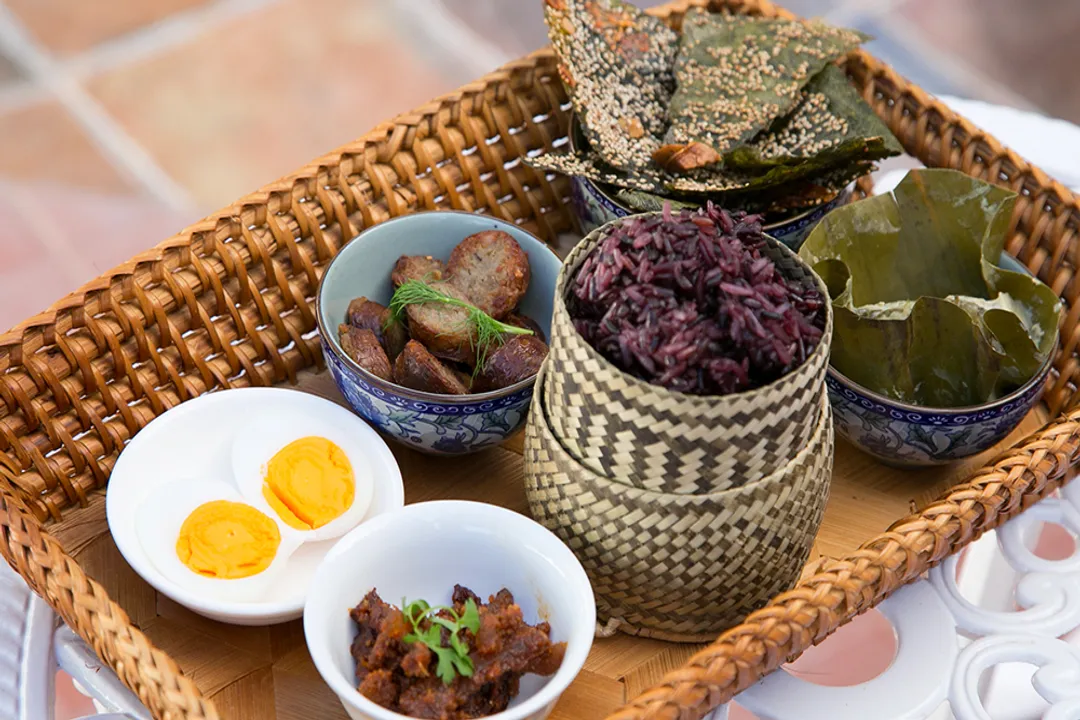
While the techniques might hint at China, the soul of Burmese food resides in its unique Southeast Asian palate, often driven by powerful, singular ingredients that rarely feature prominently in true Chinese gastronomy. [5][8] The most defining of these is ngapi, a pungent, salty paste made from fermented fish or shrimp. [2][8] This ingredient provides a deep, savory umami that permeates curries and salads, a flavor profile that is completely alien to typical regional Chinese cooking, which usually relies on soy sauce, bean pastes, or fermented tofu for savoriness. [5]
It is precisely the reliance on ngapi and fish sauce that sets Burmese food apart from its neighbors, too, creating a flavor profile that leans heavily toward the salty and sour, rather than the aggressively spicy or sweet often found in Thai or Lao cooking. [5][9] If a dish claims Burmese heritage but lacks this fermented, salty depth, it often suggests a dilution or a near-imitation, perhaps what some locals critique as a less authentic take on Chinese recipes. [1][5] The use of sour agents like lime, tamarind, or tamarind paste further pulls the flavor profile away from the soy-and-sesame notes associated with Chinese food. [8] Think of the flavor as a foundational bass note: Chinese food uses a rich, dark bass (soy), while Burmese food uses a high-frequency, briny vibration (ngapi).
A helpful way to contextualize this divergence is to consider the primary flavor builders. In Chinese cooking, the "fifth taste" often comes from dark, complex fermented soybeans. In Burmese cooking, that same depth is achieved through ngapi, which introduces a volatile, oceanic saltiness that Chinese seasoning systems generally avoid entirely. [2][5]
# Noodle Variations
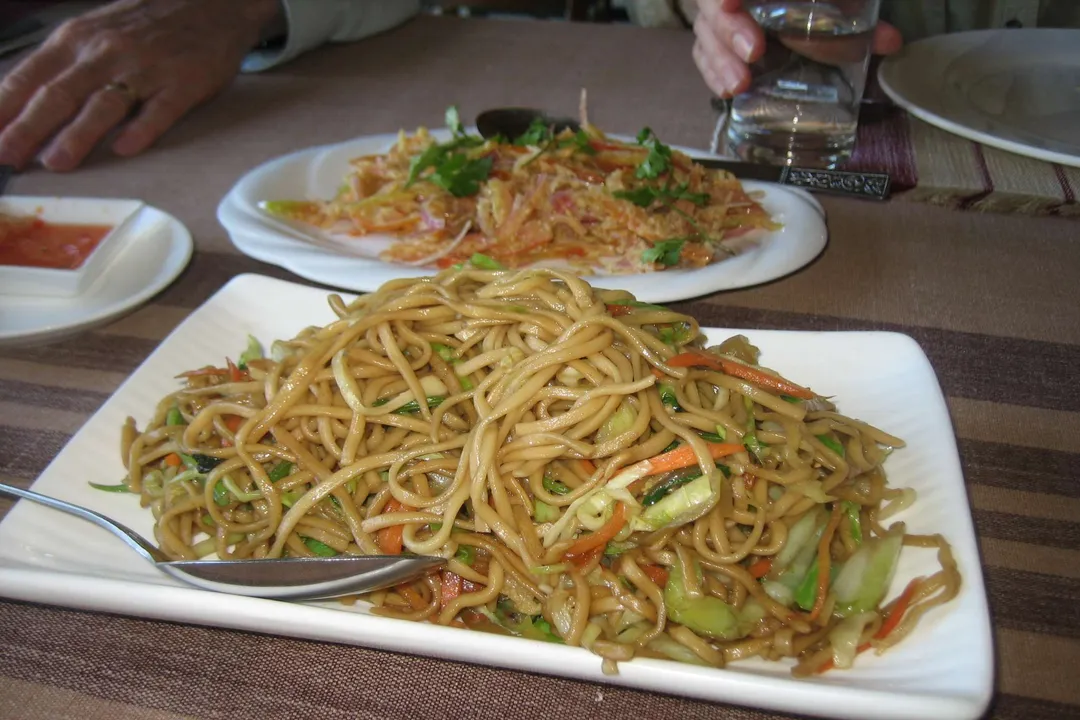
Noodle dishes offer the clearest case study for the comparison. Chinese cuisine boasts countless regional noodle soups, many of which involve clear broths or rich, slow-simmered meat stocks. [2] In Myanmar, you find dishes like Mont Hin Ga (fish noodle soup) or Mee Shay. [2] While the use of wheat noodles or rice vermicelli has clear Chinese origins, [2] the final preparation is distinctly Burmese. Mont Hin Ga, for example, relies on a broth thickened with fish and seasoned with lemongrass, ginger, and ngapi, creating a soup that is savory, complex, and slightly creamy from the fish flakes, rather than the cleaner, more aromatic broths of many Cantonese noodle preparations. [2][8]
When assessing a noodle dish in Myanmar, one should look past the simple presence of the noodle itself. [1] A truly Burmese noodle preparation will almost always feature an element of sourness (often lemon or lime juice added at the table), a rich ngapi undercurrent, and a generous helping of fresh herbs or crispy elements like fried garlic or split peas. [8][9] A dish that is overly sweet, or one that relies predominantly on soy sauce and sesame oil without the salty, fishy funk, is more likely to fall into the category of a Chinese imitation, even if it is popular locally. [1][6]
# Ingredients Blends
The ingredient basket further illustrates the separation. While stir-fries in Myanmar might share the quick-cooking nature of Chinese methods, [6] the accompanying vegetables and seasonings often diverge. Burmese cuisine frequently incorporates a wide array of fresh herbs, sour fruits, and groundnuts that are less central to daily Chinese cooking. [9] Conversely, certain Chinese staples might be present but adapted. For example, while fermented soy products are used, they seldom dominate to the extent they do in many parts of China. [2]
Consider the prevalence of salads, or thoke, in Burmese cuisine. These dishes, which combine ingredients like tea leaves (laphet thoke), legumes, or vegetables with an acidic, oily, and savory dressing, are a cornerstone of the national diet. [2][8] This entire category of food—fresh, textural, and heavily dressed salads—has very few direct analogs in Chinese culinary traditions, which usually feature cooked vegetable dishes or cold appetizers seasoned differently. [5]

# Culinary Synthesis
The relationship between the two cuisines isn't one of simple replacement but of layered modification. [6] Chinese culinary traditions provided the structure for certain starch-based meals and stir-frying efficiency, which proved useful in a region where rice was already primary. [2] However, the flavor was always filtered through local availability and preference. [8] This process of assimilation and adaptation is what defines Burmese food; it took external techniques and infused them with indigenous fermentations and souring agents. [5]
The result is a cuisine that is often described as possessing a lighter touch than some of its immediate neighbors, yet it is far more pungent and earthy than its northern Chinese influences might suggest. [9] It avoids the sugar-forward intensity of Thai food and the relative blandness sometimes attributed to pure Chinese stir-fries, carving out a distinct middle ground based on salinity and sourness. [5]
To truly appreciate this culinary dialogue, one must look for the confluence of influences. A dish like Hauk Swe Kyaw, a stir-fried noodle dish, will show Chinese technique in the wok-tossed nature of the noodles, but the accompanying sauce will carry the distinct savory profile of Burmese seasoning, making it neither purely Chinese nor a standard Southeast Asian noodle dish. [2][6] It exists as a unique Burmese creation built upon borrowed technology and indigenous flavor. [8] Therefore, while the visible connection to Chinese cooking is undeniable, Burmese food is ultimately a unique entity forged by geography and centuries of independent cultural evolution.
#Videos
The Most Underrated Asian Cuisine in the U.S. - YouTube
Related Questions
#Citations
Can Burmese ppl stop making bad imitations of Indian and Chinese ...
Burmese cuisine - Wikipedia
The Most Underrated Asian Cuisine in the U.S. - YouTube
Burmese food: A brief introduction - Travelfish
In what ways are Lao, Cambodian and Burmese food different from ...
Chinese food in Myanmar - The Hakka Cookbook
Chinese Foods in Burmese - Popular in Myanmar.🇲🇲
Burmese Cuisine and the Culinary Complexities of Countries
Experience the Fascinating Flavours of Myanmar, Laos, & Cambodia