What is typical Burmese food?
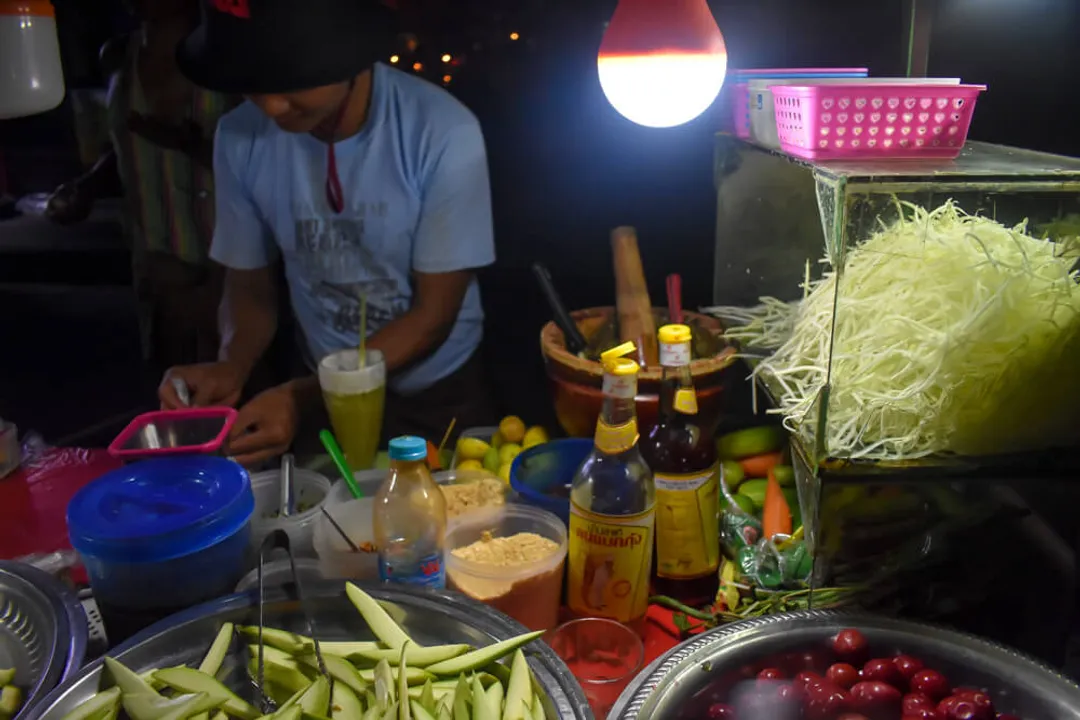
Burmese cuisine, often overshadowed by its more internationally famous neighbors like Thai or Indian food, possesses a deeply unique character shaped by its geography and history. [1][3] It stands as a culinary crossroads, drawing influences from India, China, and Thailand, yet achieving a flavor profile that is distinctly its own. [1][6] To truly grasp what is typical in Myanmar, one must look past simple comparisons and understand the emphasis placed on texture, balancing savory, sour, and sometimes sweet notes, often bound together by oil and pungent fermented flavors. [5][10]
# Core Tastes
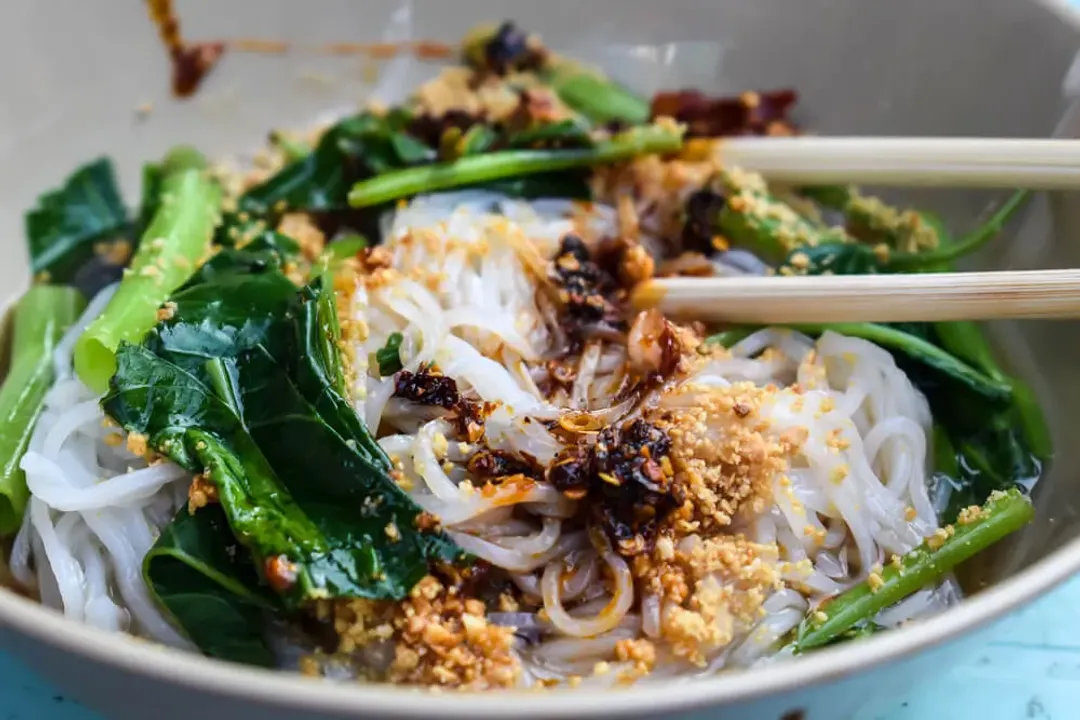
The foundational elements of many Burmese dishes revolve around specific condiments that provide the essential umami and depth. [10] Unlike some neighboring cuisines that rely heavily on fresh herbs for brightness, Burmese food frequently builds its base upon fermented products. [1] The most critical of these is ngapi, a pungent, salted fish or shrimp paste, which provides a profound savoriness. [1][6] Alongside ngapi, fish sauce is frequently employed. [10] The resulting flavor profile is often described as savory and sour, with chili heat present but not always dominant, especially in the main curries. [1][6]
Another defining characteristic is the liberal use of oil in many preparations, including the curries. [1] While this might surprise visitors accustomed to lighter, broth-based Southeast Asian soups, the oil functions not just as a cooking medium but as a vehicle for flavor, ensuring that the spices and aromatics are fully infused into the protein or vegetable. [1][10] This heavy, rich texture contrasts sharply with the fresh, crisp textures found in the country’s famous salads. [1]
# The Iconic Salad
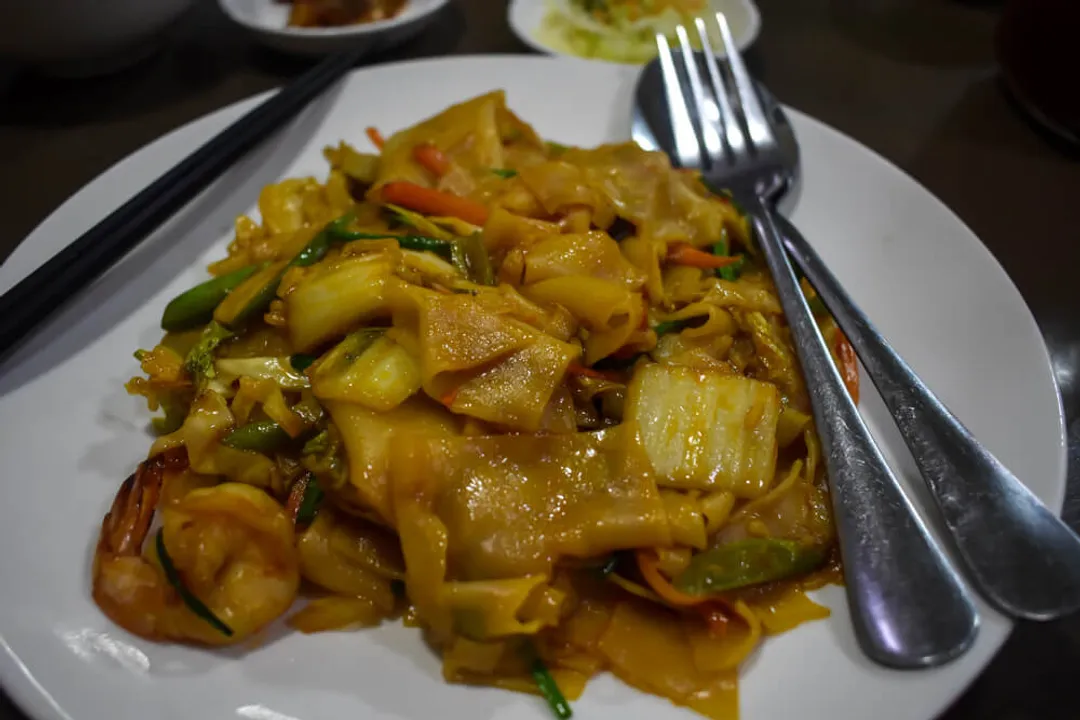
No discussion of Burmese food can begin without prioritizing the thoke, or salad. [1][6] These are not the light, leafy side salads common elsewhere; they are complex, textural main attractions. [6] The most celebrated example, considered the unofficial national dish, is Lahpet Thoke, or Tea Leaf Salad. [1][6][10]
This salad is a marvel of preparation and contrasting sensations. [1] The key ingredient is lahpet itself—tender tea leaves that have been fermented and pickled. [1] The process of creating lahpet transforms the leaf into something profoundly complex; this fermentation is perhaps the single most unique culinary step in Burmese cuisine, turning a simple leaf into a soft, tangy, umami-packed component unlike anything else in the region’s cooking. [1]
To make the thoke, the lahpet is mixed with a medley of crunchy additions: fried garlic, toasted sesame seeds, roasted peanuts, crispy beans, tomatoes, and sometimes tiny dried shrimp. [1][10] The final dish is dressed lightly with oil and a squeeze of lime or lemon, resulting in a satisfying interplay of soft, oily, crunchy, sour, and savory elements. [1] Sampling a well-made Lahpet Thoke provides an immediate, authentic introduction to the cuisine’s love for layered textures. [6]
# Breakfast Staple Soup
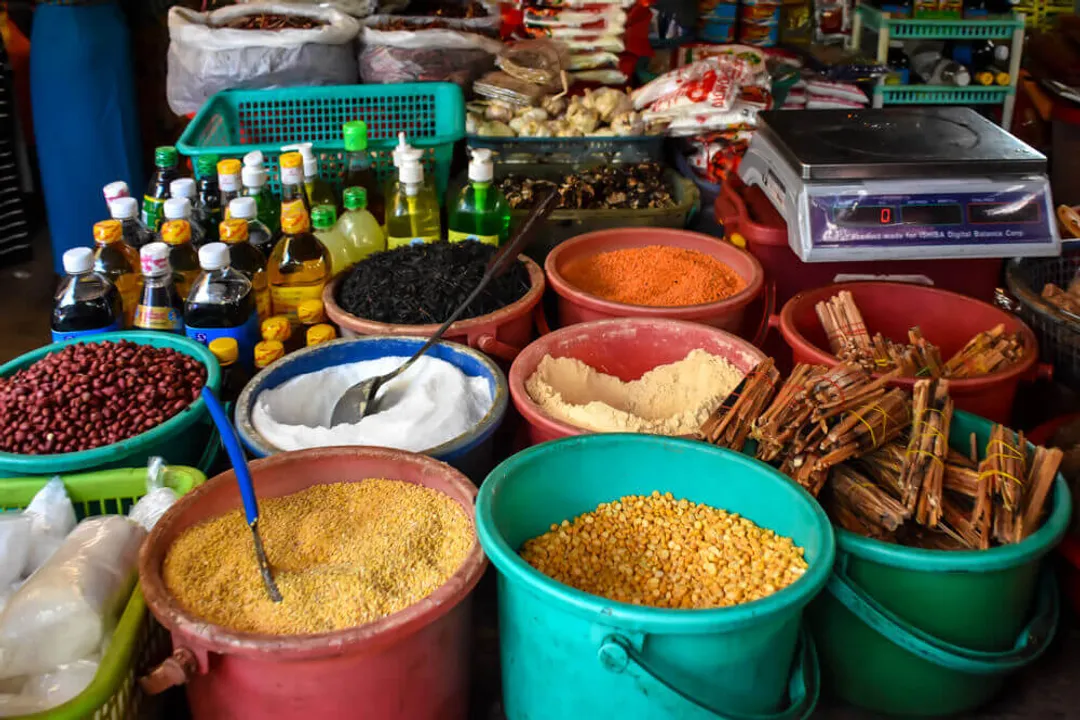
While salads are central to social eating, the typical start to a Burmese day often involves a bowl of soup, primarily Mohinga. [1][6] This dish is ubiquitous, available from street vendors across the country, making it the quintessential comfort food. [1][10]
Mohinga is essentially a hearty fish and noodle soup. [6] The broth is complex, traditionally made by simmering fish—often catfish—with aromatics like lemongrass, ginger, garlic, and onion. [1][10] Unlike clear Vietnamese pho or light Thai noodle soups, the broth for Mohinga is thickened, often with rice flour or chickpea flour, giving it a heavier body. [1] It is served over thin round rice noodles and garnished generously with crispy fried dough fritters (akyaw), fresh coriander, lime, and often a dash of ngapi or chili flakes for an extra punch. [1][10]
Another popular noodle preparation, though sometimes categorized differently, is Ohno Khao Swe. [10] This dish differs from Mohinga significantly, featuring chicken cooked in a rich, creamy coconut milk broth, flavored with turmeric and usually served with crispy elements. [1][10]
# The Curry Approach
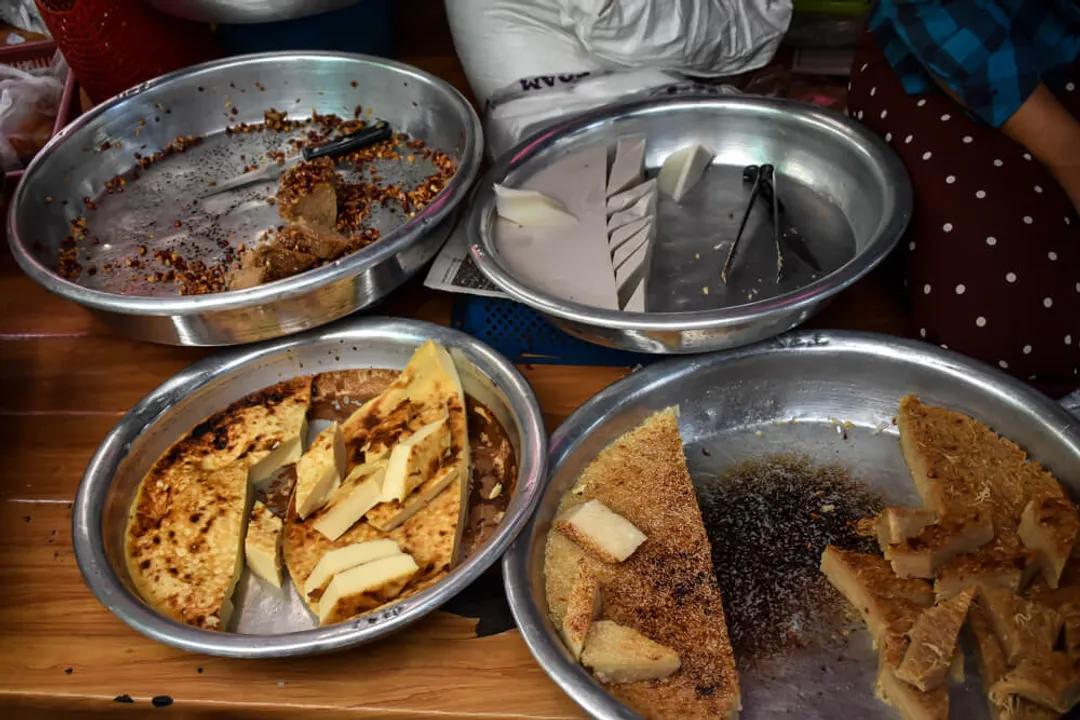
Burmese curries, known locally as hin, are another major category, yet they present themselves quite differently than their Indian counterparts. [1][6] While they share roots with Indian cooking, the Burmese versions tend to use less complex spice mixes, relying instead on paprika or turmeric for vibrant color and rich oil for mouthfeel. [1]
A typical Burmese curry involves slow-cooking meat, fish, or vegetables in a large amount of oil with ginger, garlic, and turmeric until the oil separates from the spices, creating a thick, rich gravy that coats the main ingredient. [1] For instance, wet tha hin (pork curry) or Peh hin (bean curry) are common home preparations. [1] They are invariably served with rice, which acts as the necessary absorbent base for the rich sauce, and usually accompanied by a variety of side dishes, including raw vegetables, ngapi dipping sauce, and perhaps some lahpet. [1][6]
It is worth noting that while curries form the backbone of a substantial meal, the salads (thoke) often command as much attention, if not more, in a shared dining experience. This dual focus—on deeply savory, oily curries and intensely textured, acidic salads—is a departure from many other Asian food cultures where the main cooked dish is often the singular star. [6]
# Regional and Ethnic Diversity
Myanmar is a nation of numerous ethnic groups, and this diversity translates directly into regional variations in food that are often more pronounced than the differences between North and South in some neighboring countries. [3] While dishes like Mohinga and Lahpet Thoke have achieved national recognition, many local specialties remain tied to specific regions or ethnic communities. [3]
For example, the Shan people, residing primarily in the east, are famous for their Shan noodles. [1][6] These noodles are typically served either dry or in a light broth, often topped with a flavorful mixture of ground chicken or pork seasoned with soy sauce and garlic, served alongside pickled vegetables. [1][6] This contrasts with the heavier, more fish-based preparations found closer to the coast or the central plains. [3] When traveling within the country, seeking out these regional specialties offers a richer understanding of the culinary landscape than sticking only to the widely recognized dishes. [3]
# Accoutrements and Street Eats
Beyond the main categories, the small bites and accompaniments are essential to the Burmese meal experience. [1] Street food stalls are plentiful, offering quick, satisfying snacks. [10] You might find skewers of grilled meats, deep-fried snacks, or small bowls of stewed beans. [1]
A very common accompaniment, often served alongside curry meals, is balachong (or balachaung), a dry relish made from dried shrimp, chili, and garlic, which adds a sharp, salty crunch to any bite of rice and curry. [1] Furthermore, the textural element is often enhanced by crispy fried items—not just in Mohinga, but also fried onions or garlic flakes sprinkled liberally over dishes for aroma and crunch. [1]
In essence, typical Burmese food is defined by its balance of extremes: the richness of the oily curries against the sour brightness of the salads, the soft noodles against the brittle crunch of fried toppings, and the deep fermentation of ngapi against the fresh citrus accents. [1][5][10] It is a cuisine that demands engagement from the eater, rewarding those who take the time to appreciate its layered complexity. [1]
#Videos
The Most Underrated Asian Cuisine in the U.S. - YouTube
Related Questions
#Citations
20 Scrumptious Burmese Foods: Take a Bite of Burma (Myanmar)!
What is Burmese cuisine like? : r/myanmar - Reddit
Burmese cuisine - Wikipedia
12 Myanmar Traditional Food – Eating My Way Through Burma
Burmese Food: How I Learned to Stop Worrying and Love the Salads
Burmese cuisine for beginners - Top 10 must-try foods in Myanmar
The Most Underrated Asian Cuisine in the U.S. - YouTube
My favourite burmese style dishes - Facebook
Burmese Food: A Culinary Travel Guide to Burma (Myanmar)
International Cooking: Food from Myanmar - The Flavor Vortex