What is Alsace signature dish?
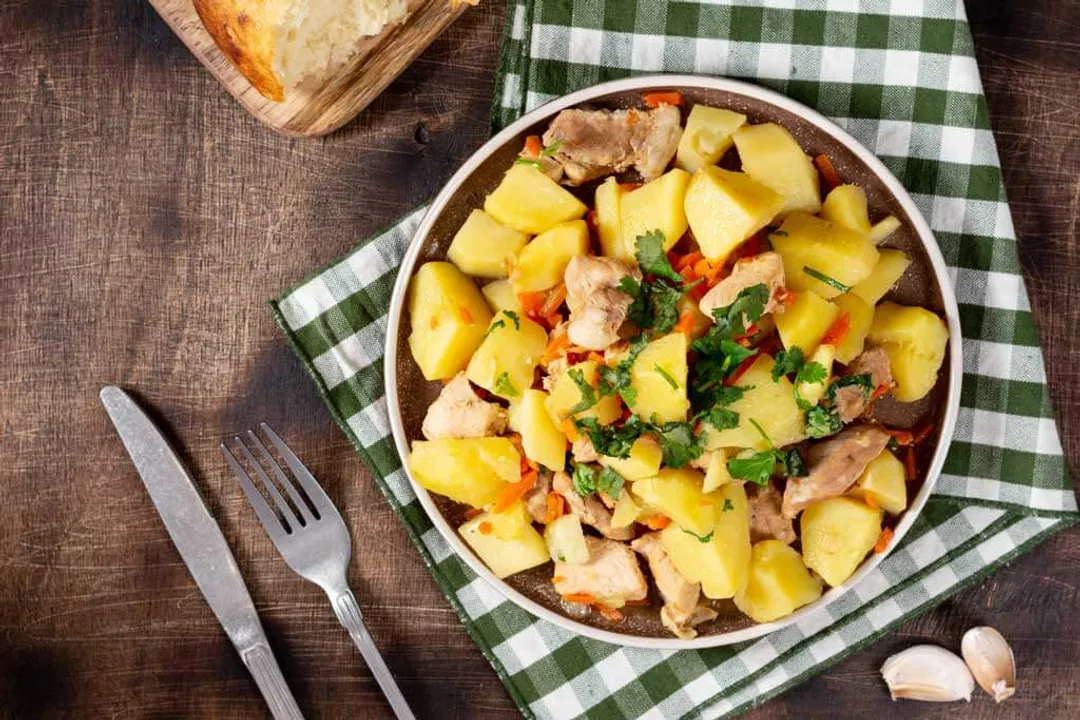
The culinary landscape of Alsace presents a delightful puzzle, one where French elegance meets Germanic robustness in every hearty dish. When diners ask about the region's single signature dish, the answer is rarely simple, as tradition dictates a strong lineup of contenders that define this unique Franco-Germanic fusion. To understand the definitive Alsatian plate, one must look closely at the ingredients that anchor the cuisine: an abundance of pork, the ubiquity of cabbage, and the slow, patient cooking methods born from a cooler continental climate and a history of strategic importance.
# The Sauerkraut Symbol
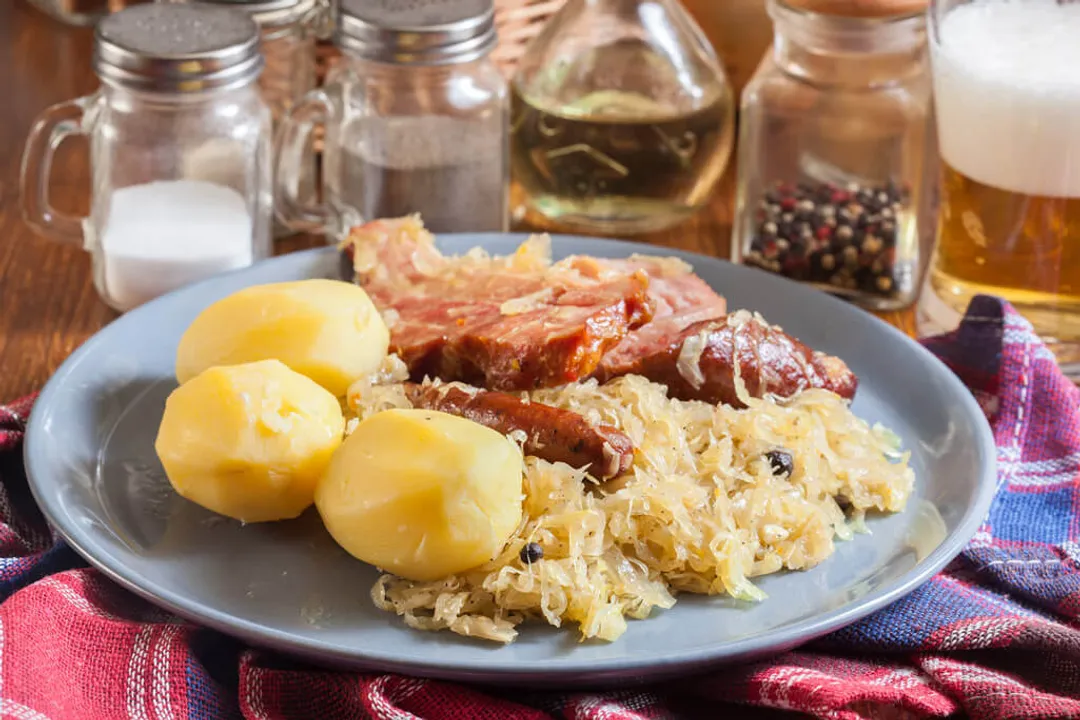
If forced to name one dish that stands above the rest as the gastronomic symbol of the region, many would immediately point to Choucroute Garnie. This is not merely sauerkraut; it is sûrkrût—fermented cabbage—elevated to a feast. The preparation is an exercise in flavor infusion. The finely shredded cabbage is layered with salt, juniper berries, and often caraway, then left to ferment, typically in wooden barrels. The magic truly happens during cooking, where the sauerkraut is slowly simmered, often in white wine like a dry Riesling, along with aromatics such as garlic and bay leaves.
What elevates choucroute garnie to its legendary status is the "garnie" component—the generous accompaniment of various meats. Traditionally, this involves a selection of pork products: smoked ham hocks, fresh or smoked sausages (like knack d'alsace or Frankfurt/Montbéliard varieties), and bacon. Some of the most opulent versions, sometimes termed choucroute royale, might even include calf or pork liver dumplings. Served alongside these meaty treasures are often steamed potatoes, making the entire plate a comprehensive, filling meal in itself.
It is fascinating to observe how this staple adapts locally, revealing the region's internal nuances. A prime example is the Riquewihrienne, also known locally as choucroute verte. This variation, invented relatively recently by François Kiener, swaps some of the intensity for refinement by incorporating fresh herbs like chervil, dill, and parsley into the sauerkraut, resulting in a milder taste profile. The accompanying charcuterie can also shift, sometimes featuring goose and duck. The very existence of these distinct recipes, served in different towns and protected by local charters, shows that while Choucroute Garnie is the symbol, its perfection is highly localized.
# The Thin Crust Icon
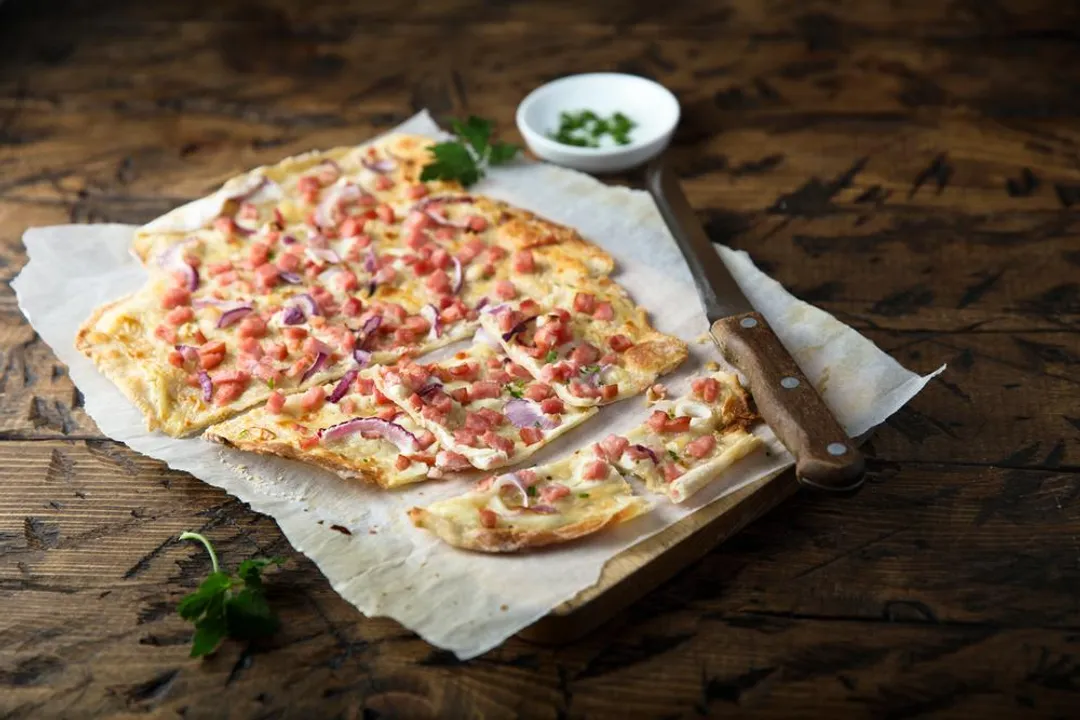
Perhaps the most visually immediate and globally recognized Alsatian dish is the Tarte Flambée, or Flammekueche. The name itself—"flame cake"—tells part of its story, originating from its cooking method in a wood-fired oven close to the hot embers. While some newcomers understandably mistake it for a pizza, the base is much thinner and crispier, more akin to a flatbread.
The classic preparation is surprisingly simple, which speaks to its peasant roots. The dough is traditionally topped with a mixture of crème fraîche and fromage blanc (or just the latter), scattered with thinly sliced onions and strips of lardons (bacon). It is served piping hot, often eaten casually with the fingers, making it a convivial centerpiece for gatherings. The fact that diners in Strasbourg ask for Tarte Flambée and those in Colmar might ask for Flammekueche and both receive the same thing underscores a vital point about Alsatian food: the dual French/German naming convention is a constant, delicious reminder of the region's history of linguistic shifts. This seamless acceptance of two names for one product is a quiet testament to the region's success in integrating diverse influences without losing identity. While the basic version is supreme, variations exist, often incorporating Munster cheese or sometimes mushrooms.
# The Baker's Casserole
Another dish frequently cited as essential, carrying a strong historical narrative, is the Baeckeoffe. The name itself translates to "baker's oven," offering a glimpse into its traditional preparation centuries ago. Historically, Alsatian housewives would prepare the layers of ingredients on Mondays—traditionally laundry day—leave the earthenware terrine at the local baker's shop, and collect the slow-cooked meal later in the day.
The Baeckeoffe is a profound casserole built on marination and patience. It demands a trio of meats—pork, lamb, and beef—layered meticulously with potatoes, onions, and leeks. These components are bathed in Alsace white wine and herbs before being sealed and left to cook for many hours until everything is meltingly tender. Because it requires such dedicated time, it remains a staple reserved for colder months or special gatherings. Unlike the straightforward simplicity of Tarte Flambée, Baeckeoffe embodies the rich, slow-cooked comfort food characteristic of a region that needs warming sustenance after a long, harsh winter.
# Beyond the "Big Three"
While Choucroute, Tarte Flambée, and Baeckeoffe often dominate the conversation about Alsace's top dishes, the cuisine is far richer than this triumvirate. The Franco-Germanic foundation appears in many other staples. For instance, the regional take on coq au vin becomes Coq au Riesling, a creamy stew incorporating mushrooms, onions, and the region's prized dry Riesling wine, often served over Spaetzle.
Spaetzle itself deserves mention, being a soft egg noodle or dumpling that serves as a perfect, if sometimes bland, vehicle for rich sauces. Similarly, the staple Munster Cheese, a soft, washed-rind cow's milk cheese with an assertive aroma named after the town of Munster, is crucial to the dairy scene, often appearing in tarts or simply served with potatoes.
In the southern area, known as the Sundgau, the culinary traditions diverge slightly, featuring dishes like Carpe Frite (fried carp), reflecting proximity to Jewish culinary traditions where pork might be excluded. Southern Alsace also boasts Fleischschnackas, meat-filled dough parcels named for their snail-like shape.
Charcuterie is another non-negotiable element. Alsace is famous for its sausages, including the Alsatian Cervelas, a mixture of pork and beef seasoned and grilled. Then there is the more luxurious element: Foie Gras d'Oie, or goose liver pâté, a delicacy produced in the region since the 17th century.
When considering the overall profile of Alsatian food—heavy on pork, slow-cooked, and intensely flavored—one realizes the dishes are perfectly calibrated to a climate that is cooler and more continental than the Mediterranean south of France. This is a cuisine designed to provide deep satisfaction and long-lasting energy, a concept that transcends simple taste preference and speaks to agricultural and historical necessity.

# Conviviality and Sweet Endings
The experience of eating in Alsace is often defined by where you eat. The Winstub, or wine lounge, is the traditional setting for these generous meals, characterized by warm woodwork and communal wooden tables. Here, you pair these powerful dishes with the region’s celebrated beverages. Alsace is predominantly a white wine region, famous for Riesling and Gewürztraminer, both producing complex, aromatic, and typically dry wines. For a celebratory toast, Crémant d'Alsace, a traditional-method sparkling wine, is the ideal crisp accompaniment, especially alongside appetizers. Though wine reigns, Alsace is also France’s main beer-producing area, with breweries like Kronenbourg providing a frothy alternative.
For a different kind of traditional feast, one might seek out a Ferme Auberge (farm inn) in the Vosges Mountains for a Repas Marcaire. This meal is simpler and fiercely local, often featuring Roïgabrageldi—potatoes cooked in butter and lard served with smoked pork—alongside Munster cheese. This demonstrates a clear culinary divide: the rustic, multi-meat celebration of the Winstub versus the intensely local, mountain-focused simplicity of the farm inn.
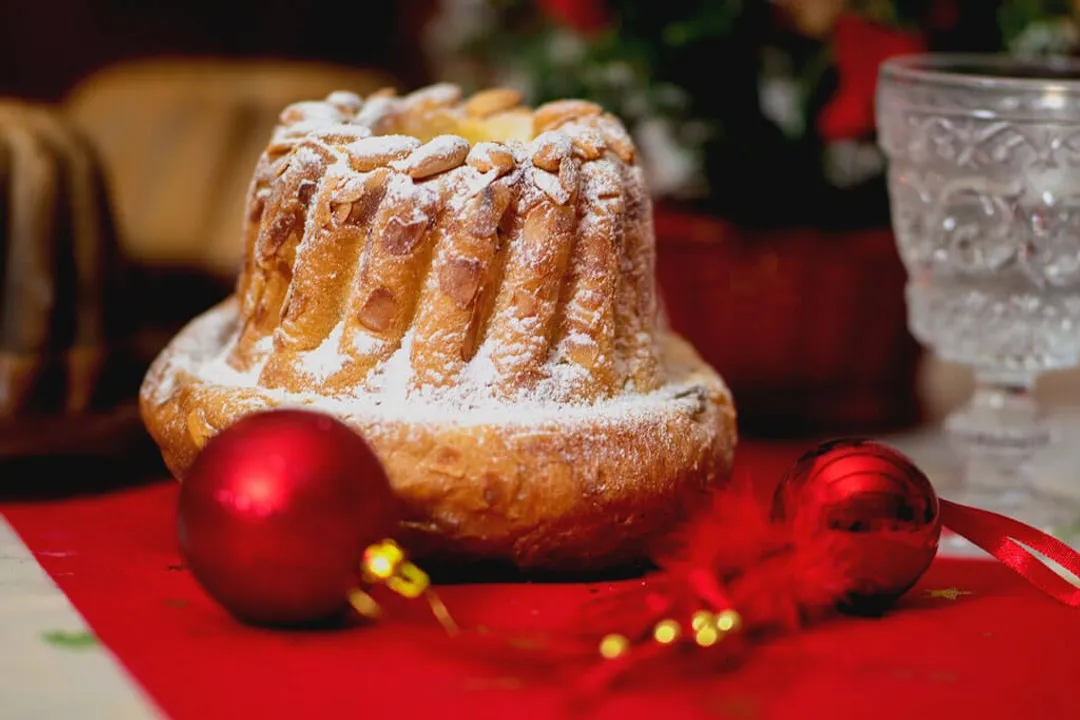
No comprehensive tour of Alsatian food is complete without acknowledging its sweet side. The cakes and biscuits often borrow heavily from German traditions. The Kougelhopf is the most characteristic pastry, a yeast-risen cake baked in a distinctive fluted mold, traditionally studded with raisins and almonds, and sometimes scented with Kirsch. It can be enjoyed for breakfast or dessert. For festive occasions, particularly Christmas, the array of small biscuits called Bredele comes out, available in countless flavors. Another favorite is Ropfkueche, a brioche topped with grilled nuts, cinnamon, and sugar, often associated with the ancient Rohmer bakery.
In summary, while Choucroute Garnie frequently claims the title of the signature dish due to its profound regional identity and meaty heft, the true signature of Alsatian cuisine is its diversity itself, a direct consequence of the area's fertile soil and complex history. Whether tearing into a thin Tarte Flambée with your hands or carefully spooning the rich Baeckeoffe, one is tasting a culinary tradition that has masterfully blended influences to create something uniquely satisfying and deeply rooted in its land and its people.
Related Questions
#Citations
The best recipes of Alsace cuisine
What to Eat in Alsace (Traditional Food in Alsace)
Alsatian cuisine
Alsatian Cuisine: Explore Flammekueche, Pot au Feu, Coq ...
Foods from Alsace: 20 Must-Try Specialties
10 Most Popular Alsatian Foods & Beverages
Alsatian specialties to enjoy | Mulhouse Tourist Office
6 ways to taste the best of Alsatian gastronomy
A culinary guide to Alsace, France