What is the signature dish of France?
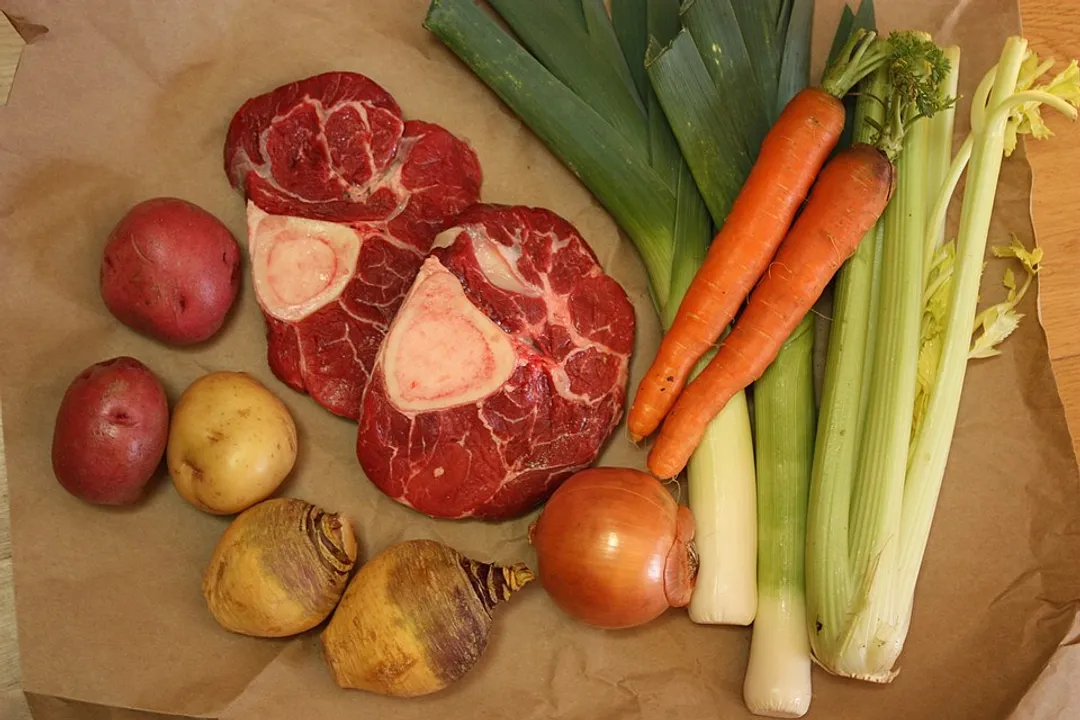
The quest for the definitive signature dish of France yields not a single answer, but a magnificent, often spirited, debate that mirrors the nation's deep-seated regional pride. Asking a French resident for their national dish often results in a good-natured argument, as the culinary landscape is less a monolith and more a mosaic of intensely localized specialties, each claiming supremacy in its own territory. While external observers might point to one dish, those living within France recognize that the true answer lies in the diversity itself.
# Historical Anchor
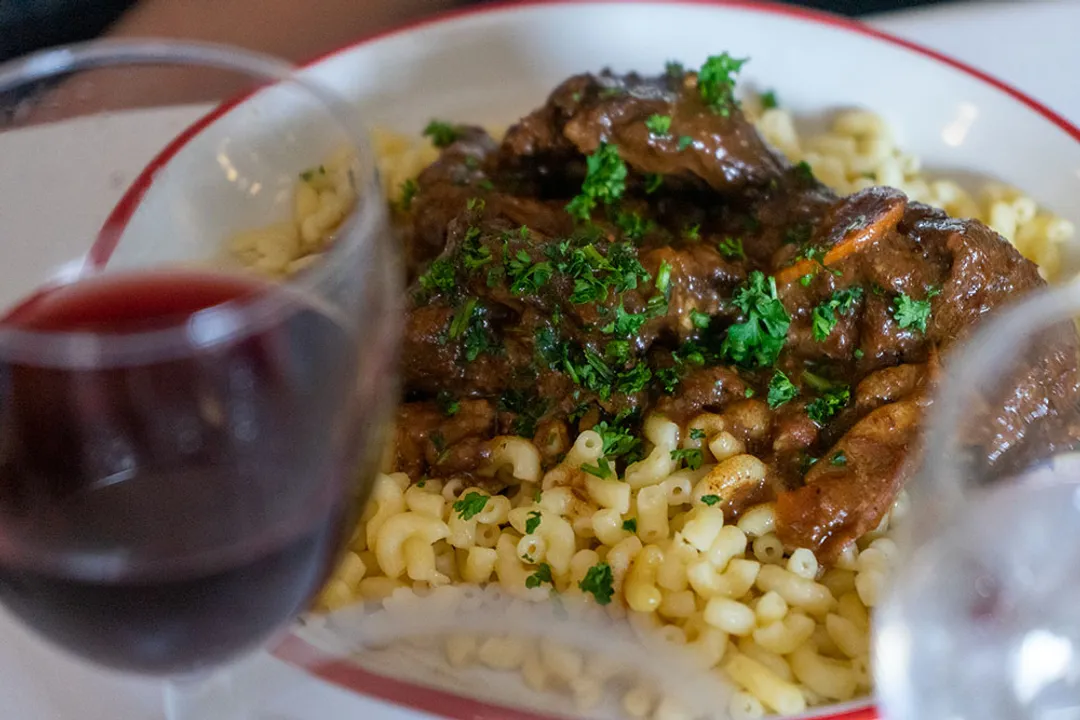
If history and symbolic recognition were the sole criteria, one dish would certainly rise to the top: Pot-au-feu. Literally meaning "pot on the fire," this slow-boiled assembly of meat and vegetables is described by the Oxford Companion to Food as "a dish symbolic of French cuisine". Its significance is cemented by royal decree; King Henry IV, in the 17th century, famously wished that "there shall be no peasant in my kingdom who lacks the means to have a hen in his pot". This concept of a humble, nourishing, one-pot meal—sometimes referred to by its historical antecedent, poule-au-pot—has resonated through centuries, honored by both the rich and the poor alike.
Pot-au-feu is traditionally served in two parts: first, the clear, flavorful broth (bouillon), often served with croutons and grated cheese, followed by the cooked meat (bouilli) and vegetables. The ingredients allow for variation, but typically involve several cuts of beef to enrich both the broth and the final meat course. Some renowned chefs, like Paul Bocuse, even call for six different cuts of beef. The inclusion of vegetables like carrots, turnips, leeks, and onions grounds it firmly in the French tradition of simple, high-quality slow cooking.
# Modern Mandate
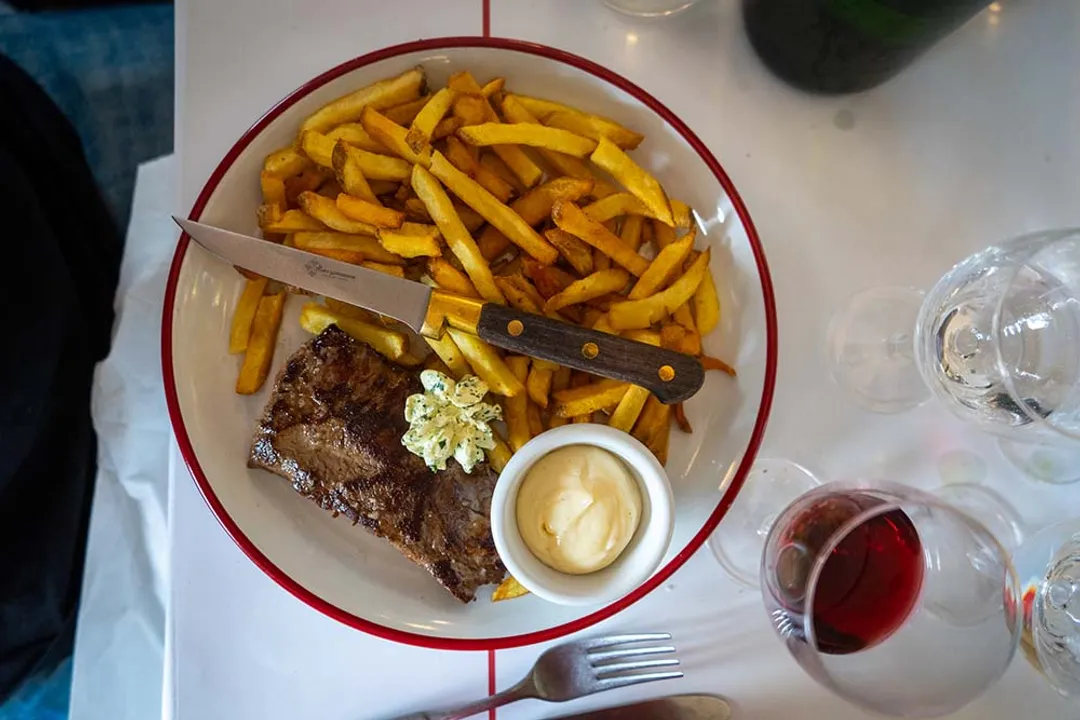
Despite the historical weight of pot-au-feu, a more recent survey conducted by the Toluna Institute for the Nestlé France Foundation in 2017 suggested a different winner based on contemporary French preference: Beef Bourguignon. This hearty stew, originating in the Burgundy (Bourgogne) region, has crossed regional lines to become a staple in bistros and homes across the country.
Boeuf Bourguignon embodies the refined aspect of French cooking—a transformation of tough ingredients into something truly elegant. It features tender beef chunks slow-simmered in local red wine (ideally Pinot Noir from Burgundy), accompanied by bacon lardons, mushrooms, and pearl onions. As Julia Child famously declared, it is one of the most delicious beef stews concocted by man. Its enduring popularity suggests it hits a sweet spot: it is complex enough to represent the mastery of French sauces and technique, yet comforting enough to be considered home cooking. The necessity of using good wine—both in the stew and alongside it—also connects this dish to one of France’s other great national prides.

# Regional Pride
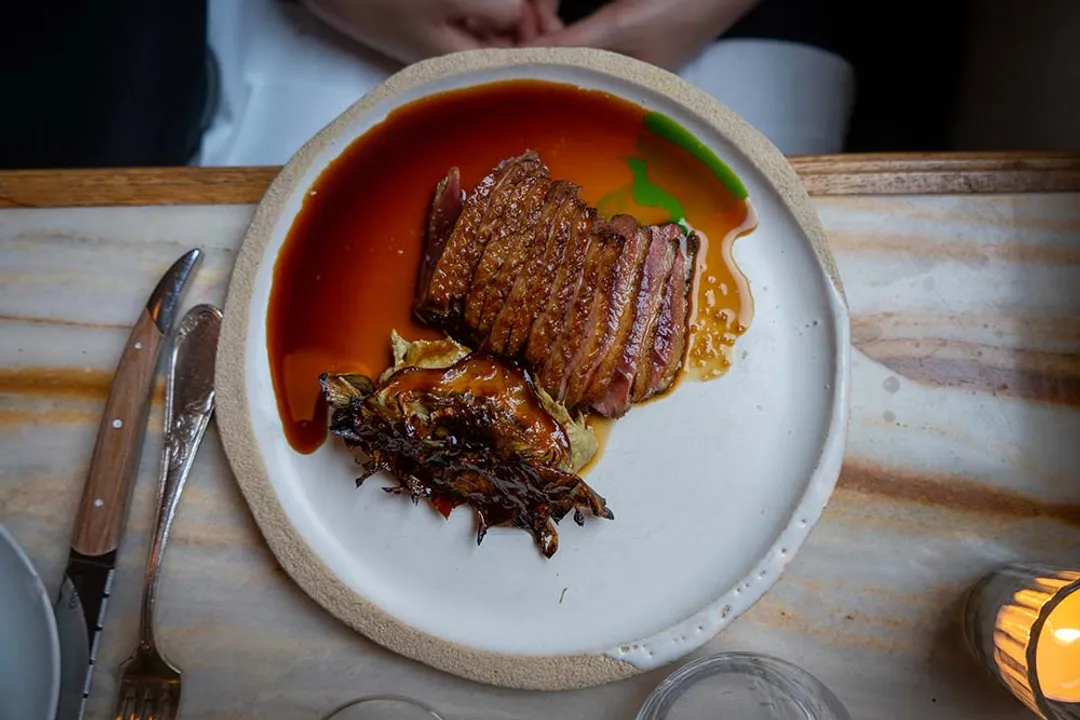
If one tries to definitively name a single main course, they immediately run into the wall of regional identity. The very fabric of French gastronomy is woven from distinct local traditions, where the signature dish is specific to the location, influenced by local geography and history.
For instance, anyone claiming a national dish must reconcile it with the hearty, multi-meat, bean-based Cassoulet from the southwest—specifically the Occitanie region—which varies significantly between cities like Castelnaudary and Toulouse. Similarly, the sun-drenched Ratatouille, a colorful vegetable stew from Provence-Alpes-Côte d'Azur, offers a summery counterpoint to the heavier winter fare. From the north, Moules Frites is ubiquitous, though its origins are often debated as being Belgian, gaining popularity in French tourist destinations near the border. In the Alps, Tartiflette, a rich layering of potatoes, bacon, and Reblochon cheese, reigns supreme in winter.
This emphasis on local specialties is so profound that the culinary identity of the country is often seen as a collection of a hundred distinct "national dishes," rather than just one. While Boeuf Bourguignon ranked high in a popularity poll, dishes like Blanquette de Veau (a veal stew, often found in school and office canteens) and Steak Frites also rank highly in public preference, showcasing the everyday staples that flavor French life.
If there is one unifying culinary element that transcends regional main courses, it is arguably the bread itself. Commenters on the sheer difficulty of naming one dish suggest that the baguette—or good bread in general—is what everyone, regardless of region, consumes daily with nearly every meal, whether to accompany cheese or mop up sauce.
# The Ritual of Eating
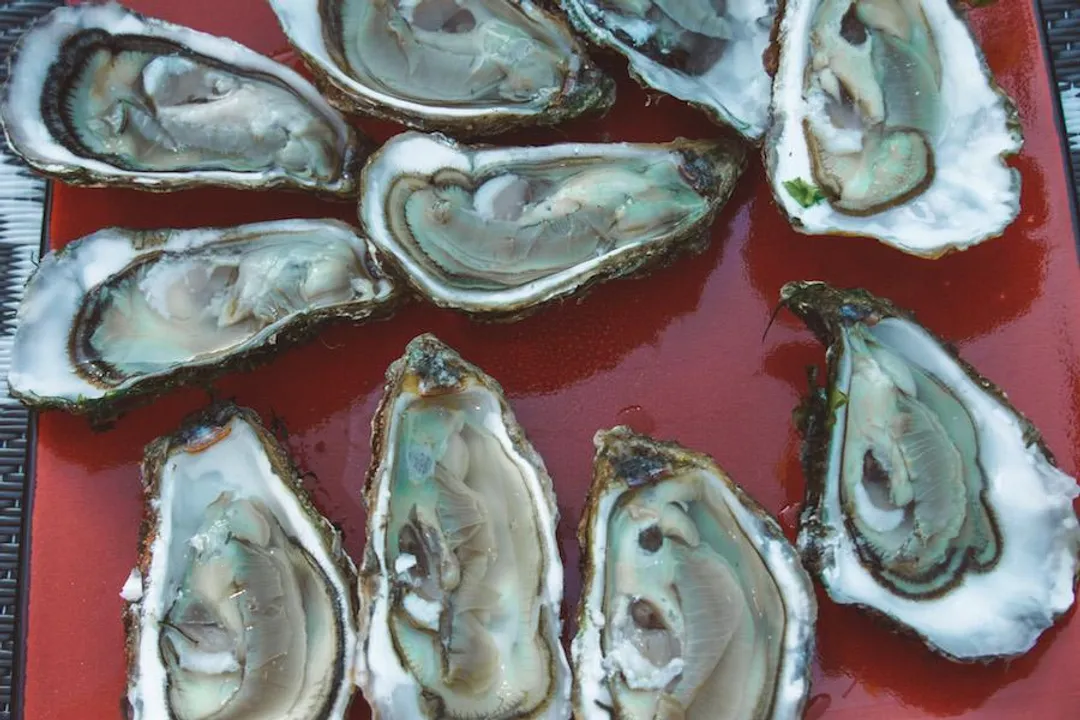
The true "signature" of French cuisine may not be a specific recipe at all, but the way meals are approached. In 2010, UNESCO added "Le repas gastronomique des Français" (the gastronomic meal of the French) to its list of Intangible Cultural Heritage. This recognition was not about a single dish, but about the social custom—the ritual of dining that celebrates togetherness, the pleasure of taste, and the balance between humanity and nature.
This framework dictates that a meal is structured: starting perhaps with an apéritif, moving through an entrée (starter), the plat principal (main), followed by a dedicated fromage course, and ending with dessert. When the French culinary world is viewed through this lens, the "signature" is the dedication to the process—the meticulous sourcing of ingredients, the respectful preparation, and the organized sequence of courses. It is the shared, time-honored commitment to transforming food into an art form that defines the national palate, rather than any single stew or roast.
Therefore, the question of France's signature dish ultimately reveals a profound cultural characteristic: the nation's most defining culinary trait is its celebration of the local and the ritualistic structure of dining. To experience French food is to accept that every region offers its own masterpiece, all united by the shared belief that food should be savored slowly, with attention paid to every element, from the initial bread to the final cheese course. Any traveler who attempts to choose just one dish risks missing the sprawling, magnificent truth of French gastronomy.
Related Questions
#Citations
The Best French Food: 29 French Dishes to Enjoy - Dreamer at Heart
What is France's National Dish? - Paris Eater
what is the national dish of France? - Reddit
Famous food in France | 25 Traditional French Dishes
Pot-au-feu - Wikipedia
Discovering the Regions of France Through Their Signature Dishes
The 21 Best Food In France That You Must Try - Eating Europe