What is the most famous drink in France?
The quest to pinpoint the single most famous drink in France quickly reveals a delightful, yet complex, reality: the nation's beverage identity is layered, shifting dramatically based on geography, time of day, and occasion. While a visitor might immediately associate France with wine—a product consumed at an astonishing rate of around 11.2 billion glasses annually—the title of "most famous" must also account for iconic spirits that have gained international prestige and specific local traditions that define daily life. [4]
If fame is measured by sheer volume and cultural ubiquity across meals, then wine reigns supreme, encompassing the world-renowned Bordeaux and Bourgogne (Burgundy) vintages. [3] And when celebration calls, the effervescent prestige of Champagne, a sparkling wine strictly originating from its namesake region, takes the lead. [4] Yet, for a taste of a uniquely French ritual outside the dinner table, or a spirit recognized globally for its craftsmanship, the focus shifts to anise-flavored liqueurs, aged brandies, and specialized aperitifs.
# Wine Prestige
French wine itself is a vast category, protected by the Appellation d'Origine Contrôlée (AOC) system, which guarantees production standards based on region and method. [4] From the fruity, complex reds and whites of Burgundy, often featuring Pinot Noir and Chardonnay grapes, to the diverse portfolio of Bordeaux encompassing varieties like Cabernet Sauvignon and Malbec, these are celebrated worldwide. [3] Champagne, with its signature Méthode Traditionnelle creating its distinct bubbles, is the ultimate symbol of French success and luxury, with major houses like Moët & Chandon enjoying global recognition. [4]
Beyond these heavyweights, regional specialties like the sweet, noble-rot-affected Monbazillac from the Dordogne region offer a different perspective on French viticulture, often served chilled alongside dessert or foie gras. [4]
# Provençal Tradition
For a distinct, regional spirit that has become nationally recognized, Pastis commands attention, especially in the south and the city of Marseille, where it is considered a point of pride. [4][5] This anise-flavored spirit, made from botanicals like star anise and licorice root, is strongly associated with sun-drenched afternoons and the game of pétanque. [4] The ritual of drinking Pastis is as famous as the drink itself. It is never consumed neat; instead, it is diluted with still water, watching the clear liquid transform into an opaque, milky yellow, often in a ratio of four to one, though preferences vary. [4][5] The commercialization of Pastis was spearheaded by Paul Ricard in 1932, and his brand remains one of the most popular today. [4]
# Brandy Heritage
When discussing spirits of deep historical importance and global renown, France’s aged brandies stand out. Cognac, named for its production area in Southwest France, is a prestigious grape brandy, double-distilled and aged in oak barrels, offering complex notes of dried fruit, vanilla, and caramel. [1][3] Its authenticity is strictly governed by the AOC laws, mandating the use of specific grapes, like Ugni Blanc, and a minimum aging period, typically two years in Limousin or Tronçais oak. [4]
Closely related, but possessing an even deeper historical claim, is Armagnac. Hailed as France's oldest brandy, with records dating back to the 14th century, it is also produced in the Southwest, in Gascony, using a continuous distillation method, leading to rich flavors of dried fruit and spice. [1][3] While both are savored neat as a digestif, the tradition surrounding these aged spirits represents centuries of careful craftsmanship. [4]
# Normandy's Apple Spirit
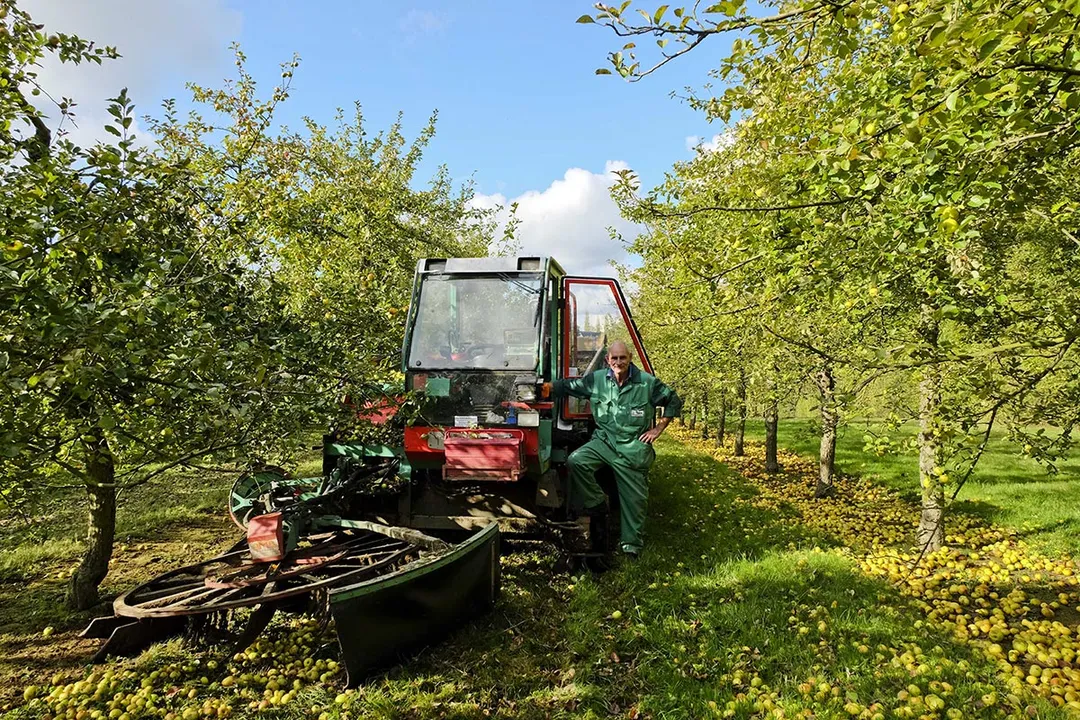
Moving north to the Normandy region, the fame shifts from grapes to apples, resulting in Calvados, a traditional apple brandy. [4] It is made by distilling cider twice, often reaching around 40% alcohol by volume. [4] Calvados is famously incorporated into a ritual known as the trou Normand (Norman hole), where a small measure is drunk between courses of a lavish meal—not to conclude the dining, but to "kick start" the stomach for the next course. [4] This beverage speaks to the agricultural identity of the apple-growing region, which is also famous for its cider production. [4]
# The Culture of the Aperitif
In France, the moment before dinner—l'apéro or l'apéritif hour—is a cultural institution, a pause to awaken the appetite. [4] This tradition dictates a specific category of drinks, often lighter or slightly bitter, and it’s a moment of social connection, whether with colleagues after work or friends on the weekend. [4]
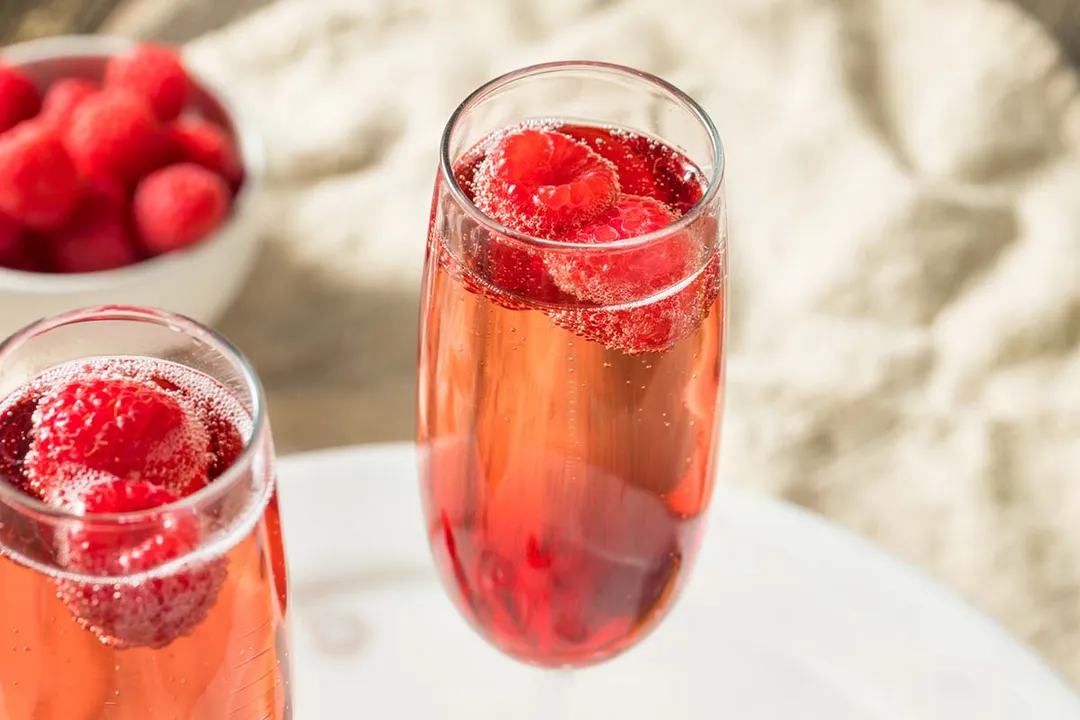
One of the most popular aperitifs, originating from Burgundy, is the Kir, traditionally made with local white wine (aligoté) and Crème de Cassis, a sweet blackcurrant liqueur. [4][8] If you substitute the white wine with Champagne, you create the celebratory Kir Royale. [4][8] Félix Kir, the Dijon politician credited with popularizing the drink, gave it its name. [4]
Other noted aperitifs defining this time include Lillet, a wine-based apéritif from Bordeaux infused with fruit liqueurs and aged in oak barrels, often enjoyed chilled with tonic water or a slice of orange. [3][4] For those preferring something herbal and bitter, Suze, characterized by its vibrant yellow hue derived from gentian root, is a classic choice, frequently served with ice and soda or tonic. [1] Dubonnet, a fortified wine infused with herbs and quinine, also falls into this category and famously served as Queen Elizabeth II's pre-lunch choice. [1][4]
The Parisian cocktail scene has also contributed significantly to France's liquid fame. The French 75 (Le Soixante-Quinze), invented around 1915 at Harry's New York Bar, is a classic, using gin, lemon juice, simple syrup, and Champagne—its name being a tribute to a French cannon from World War I. [4] Another Parisian creation is the Boulevardier, a variation of the Negroni that substitutes American whiskey for gin, also born out of the famous Harry's New York Bar in the 1920s.
# Spirits, Liqueurs, and Local Identity
Beyond the major brandies, France boasts an encyclopedia of unique spirits, many tied to specific locales or monastic traditions. Chartreuse, crafted by Carthusian monks since the 18th century, is a renowned herbal liqueur made from a secret blend of 130 herbs and spices, known in both a highly alcoholic green form and a sweeter yellow version. [1][3][5] Similarly, Bénédictine is a herbal liqueur from Fécamp featuring 27 plants and spices, often mixed with brandy to create a B&B. [1]
For those seeking a taste of the French Caribbean, Rhum Agricole from Martinique, distilled from sugarcane juice rather than molasses, stands apart, often used to make the Ti-Punch cocktail—prepared by the drinker to their own taste ('chacun prepare sa propre mort'). [4][3]
The range of French liqueurs is enormous, reflecting deep regional history. Cointreau, a type of triple sec, is famous for its intense orange flavor derived from bitter and sweet orange peels, originating from Angers. [1][5] Chambord, a black raspberry liqueur, comes from the Loire Valley and is often made with a base including Cognac. [1][5] In the Lorraine region, Mirabelle Brandy (eau-de-vie de mirabelle) made from plums is a local specialty. [1]
It is interesting to note the geographical separation of consumption habits. While Pastis is fiercely defended in the South, traditional spirits like Cognac and Armagnac are often viewed by some modern French consumers as somewhat expensive or less frequently consumed than they were historically, though they remain definitive exports. [2] This creates a fascinating internal contrast: the casual, communal dilution of Pastis versus the formal, neat sipping of aged brandies as a digestif after a significant meal. [1][4] This distinction between pre-dinner refreshment and post-dinner contemplation is perhaps the most crucial insight into French drinking culture for any visitor. To follow this etiquette, one would reach for something crisp like Lillet or Kir at 7 p.m., and only later for a Cognac Sour or a neat Calvados. [4]
# Non-Alcoholic Staples
While alcohol dominates the discussions of "famous drinks," the everyday beverages hold equal cultural weight. In France, asking for “Le café” means ordering an espresso by default, a rapid ritual often performed au zinc (at the counter). [8] A variation, “la noisette,” is an espresso shot softened with a dash of milk. [8] Furthermore, a commitment to hydration is evident in the ubiquitous, and always free, request for “la carafe d'eau,” or tap water, which locals may sometimes humorously call “Un Château la Pompe”. [8] For children, the Diabolo, a mix of sparkling lemonade and brightly colored syrup—most often mint (menthe) or grenadine—offers a sweet, non-alcoholic treat often seen on terrasse tables.
# Categorizing the Moment
To truly understand French drinks, one must categorize them by function, which often dictates fame. We can organize the heavy hitters based on their traditional consumption slot:
| Category | Drink Examples | Typical Consumption Time | Base Ingredient/Style |
|---|---|---|---|
| National Staple | Wine (Red, White, Rosé) | With Meals | Grapes |
| Celebration | Champagne, Kir Royale | Special Occasions/Brunch | Wine/Cassis |
| Aperitif (Apéro) | Pastis, Lillet, Suze, Pommeau | Pre-Dinner (6 p.m. - 7:30 p.m.) | Anise, Fortified Wine, Gentian |
| Digestif | Cognac, Armagnac, Calvados, Eau de Vie | Post-Dinner | Grape/Apple Brandy, Fruit Brandy |
| Cocktail Staples | French 75, Sidecar | Evening/Celebration | Champagne, Cognac, Gin |
The sheer variety underscores that the most famous drink isn't a single liquid, but rather the system surrounding when, where, and why a specific beverage is chosen. The choice of a trou Normand (Calvados) mid-meal separates it from the after-dinner Armagnac, and both are distinct from the sun-soaked Pastis session. [4][1][5]
If forced to select a singular "most famous" product that marries volume, heritage, and global recognition, it would be Wine, with Champagne serving as its most immediately recognized luxury ambassador. However, the most distinctively French spirit is likely Cognac, given its rigorous global regulation and prestige, closely followed by the regionally passionate tradition of Pastis in the South. [4][1] This duality—global export quality versus local, cultural ritual—is what makes the French approach to drinking so rich. For the home enthusiast looking to capture a slice of this culture, mastering the simple preparation of a Kir or knowing the proper dilution ratio for a Pastis offers more authentic experience than simply buying the most expensive bottle of Cognac. The real French drink is the one enjoyed in the right moment, served the right way, be it a strong espresso at the bar or a bittersweet Suze on the terrace. [8]
Related Questions
#Citations
Famous French Drinks (Other than Wine) - France Bucket List
What Alcohol Is France Known For? Complete Guide - Pampelle
12 Famous French Drinks & Cocktails - A Couple Cooks
My Favorite French Drinks | France With Véro
What are some of the "Must have" French Alcohol?? : r/france - Reddit
30 French Spirits You Should Know About | Taste France Magazine
A Beginner's Guide to Classic French Aperitifs
Parisian Cocktail Legacy: Seven Drinks Invented in the City