What to eat and drink in Lyon?
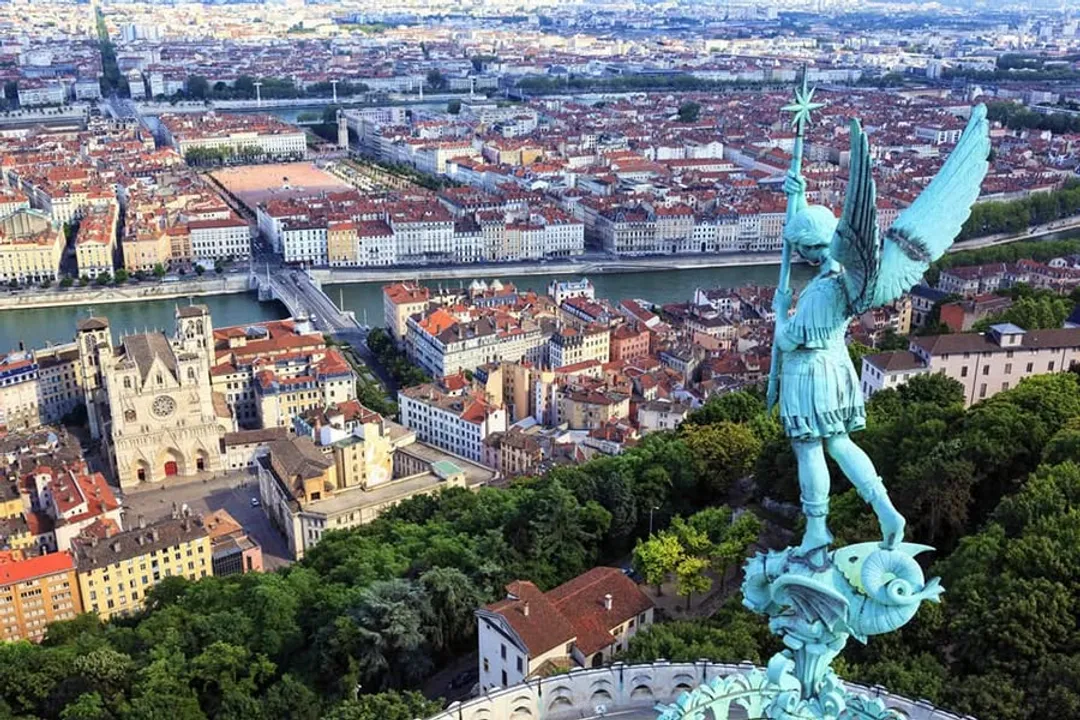
Lyon claims the title of la capitale de la gastronomie—the capital of gastronomy—and arriving here means accepting a delicious, hearty challenge. This isn't a city where you nibble; it's a place where you commit to an experience rooted deeply in tradition and flavor, often involving rich sauces, offal, and generous portions. [4][7] The culinary landscape here is bifurcated, offering everything from the rustic, authentic charm of the bouchon to the refined temples of haute cuisine celebrated by culinary giants. [5] Understanding what to eat means understanding the very soul of Lyonnaise culture, which values conviviality, quality ingredients, and dishes passed down through generations. [4]
# Core Cuisine
Lyonnaise cuisine is characterized by its robust nature, often relying on pork, offal, and rich sauces, distinguishing it from the lighter fare found elsewhere in France. [4] It is a cuisine built on tradition, where many dishes have remained largely unchanged for decades, a testament to their perfection. [4] You will encounter techniques that celebrate the whole animal and a reliance on local products sourced from the surrounding region. [4][7]
The dishes frequently mentioned by locals and visitors alike form a distinct category of must-try items. [1][7] Many of these classics are centered around charcuterie and rich meat preparations. For example, quenelle de brochet is frequently cited—a light, airy dumpling made from pike, often served with a creamy Nantua sauce. [1][7] While the pike quenelle represents a lighter touch of refined Lyonnaise cooking, the heartier staples are just as essential.
Another cornerstone is cervelle de canut, which translates amusingly to "silk worker's brain," although it contains no actual brain tissue. [4] This is actually a fresh cheese preparation, often mixed with herbs like chives and parsley, and sometimes flavored with shallots or olive oil, serving perfectly as a starter or a light counterpoint to heavier mains. [1][4]
For those seeking genuine Lyonnaise character, looking for dishes featuring offal is key, such as tablier de sapeur (marinated tripe) or andouillette (a type of sausage). [1] While these might test the adventurous eater, they are central to the traditional experience. [7]
| Dish Name | Primary Ingredient/Type | Typical Service |
|---|---|---|
| Quenelle de Brochet | Pike fish dumpling | Creamy Nantua sauce |
| Cervelle de Canut | Fresh cheese | Herbs, olive oil (starter) |
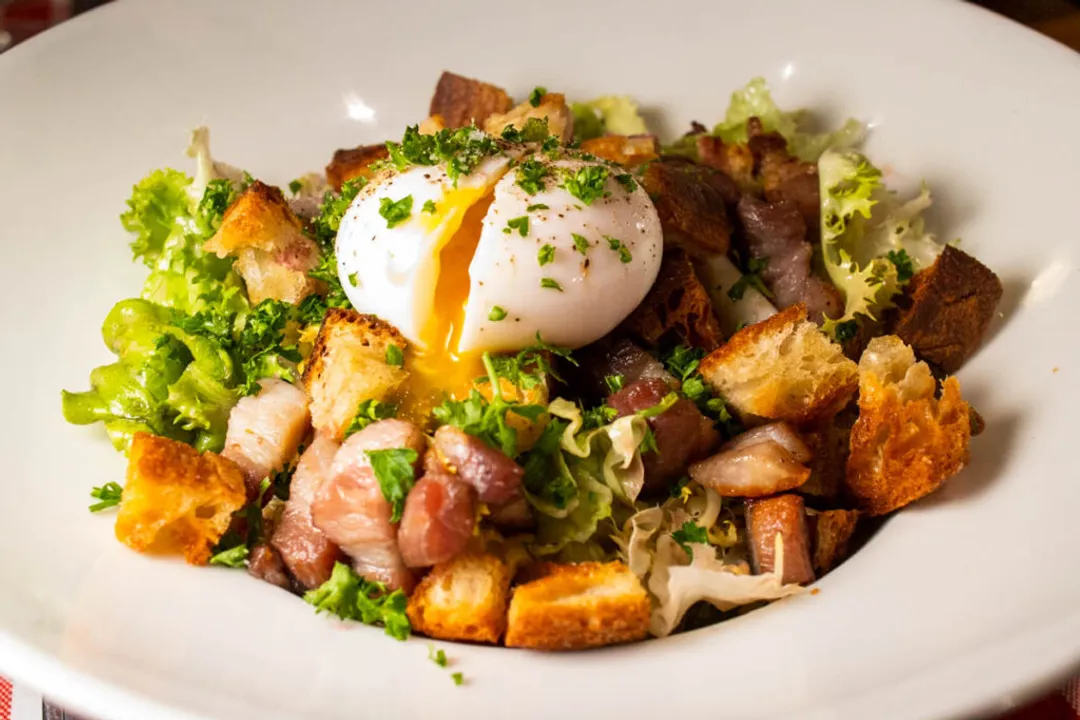
| Salade Lyonnaise | Frisée lettuce | Lardons, croutons, poached egg |
| Tarte aux Frites | Potatoes | Baked as a savory pie |
| Tête de Veau | Calf's head | Often served braised or poached |
This city’s dedication to authentic, traditional food means that seeking out the source of these flavors is half the fun. [1] You might find a modern interpretation, but the benchmark remains the tried-and-true method. [4]
# The Bouchon
The most intimate way to sample traditional Lyonnaise food is by dining in a bouchon. [7] These bistros are distinct institutions, known for their convivial atmosphere, checkered tablecloths, and generous servings. [1][4][10] A bouchon is more than just a restaurant; it's a cultural experience, often small and family-run, providing hearty, unpretentious food. [4] The name itself is often rumored to derive from the cork (bouchon) used to seal wine jugs, or perhaps from the straw (bouchon) used to tie up bunches of flowers given to customers by early vendors. [4]
To truly appreciate a bouchon, one must embrace its spirit. It is typically an informal setting where conversation flows as freely as the Beaujolais. [10] Many suggest that the best bouchons are officially recognized—look for the "Les Bouchons Lyonnais" label, which guarantees adherence to specific quality and tradition standards, ensuring you are not paying tourist prices for an inauthentic experience. [10]
When ordering in a bouchon, expect menus that focus on regional specialties. [1][7] Beyond the quenelle and cervelle de canut, look for the Salade Lyonnaise, a mandatory starter featuring frisée lettuce tossed with crispy lardons, croutons, and often topped with a perfectly poached egg. [1][7] Another local staple is gougères, savory cheese puffs that often arrive as an amuse-bouche while you peruse the menu. [1] A rich, slow-cooked dish like pot-au-feu or a flavorful pâté en croûte will provide the expected substance of this style of dining. [7]
One local insight shared on community forums emphasizes the importance of looking beyond the main thoroughfares for the best value and atmosphere; venturing slightly into neighborhoods like Croix-Rousse or the 7th arrondissement often reveals hidden gems where the menu might be handwritten and the wine is served en pichet (by the pitcher). [3][9] This move away from the immediate tourist center is often the key to finding truly authentic, reasonably priced meals where the focus is entirely on the quality of the local preparation. [3]
# Famous Flavors
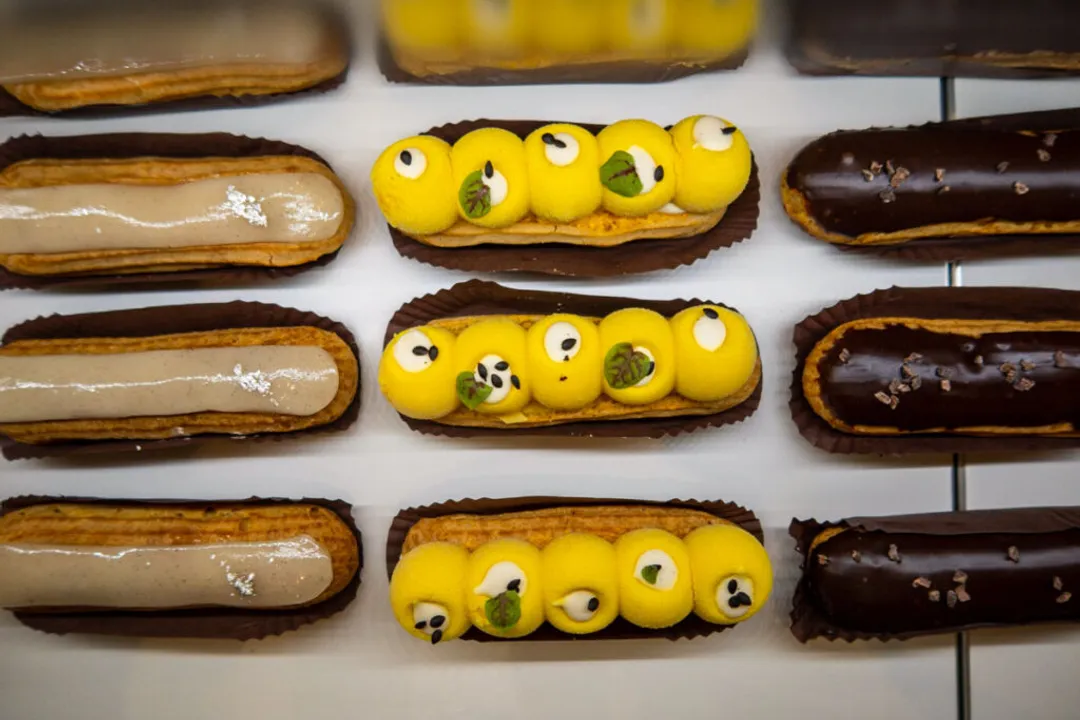
While the bouchon defines one culinary end of Lyon, the city's reputation rests on the shoulders of its legendary chefs and historic restaurants, which Anthony Bourdain once famously associated with being the food capital of the world. [5] When discussing must-try items, the discussion inevitably turns to the pastries and the iconic savory dishes that transcend the bouchon experience.
The praline tart (tarte à la pralines roses) is a bright pink, almond-and-sugar confection that is quintessentially Lyonnaise. [1][7] The visual impact of this bright pink filling against a flaky crust is striking, and its intensely sweet, nutty flavor provides a necessary sugar rush after a heavy meal. [1] It’s a perfect example of how Lyon mixes rustic concepts with distinctive local ingredients.
Another dish frequently highlighted is saucisson de Lyon, a superior quality dry sausage, sometimes served hot with pistachios or brioche. [1] It serves as an excellent charcuterie course or a simple, satisfying main when paired with a crisp white wine. [7]
Anthony Bourdain’s documented stops provide a reference point for iconic, perhaps more refined, experiences. His visits often included spots known for pristine execution of local standards, suggesting that even the most famous chefs honor the core recipes. [5] For instance, enjoying a pâté en croûte at a renowned spot ensures you are tasting a benchmark version of the classic, encased in perfectly baked pastry. [5]
For the sweet tooth, Lyon offers more than just the praline tart. The city boasts exceptional patisseries where macarons can be found, though they compete with Parisian standards. [8] Seeking out artisan chocolatiers is also highly recommended, as Lyon has a strong history in fine chocolate making. [10] An educated guess when looking for quality is to observe the lines outside bakeries, especially those early in the morning—a continuous, brisk line often signals a baker who consistently delivers superior bread and viennoiseries. [6]
# Drinks and Libations
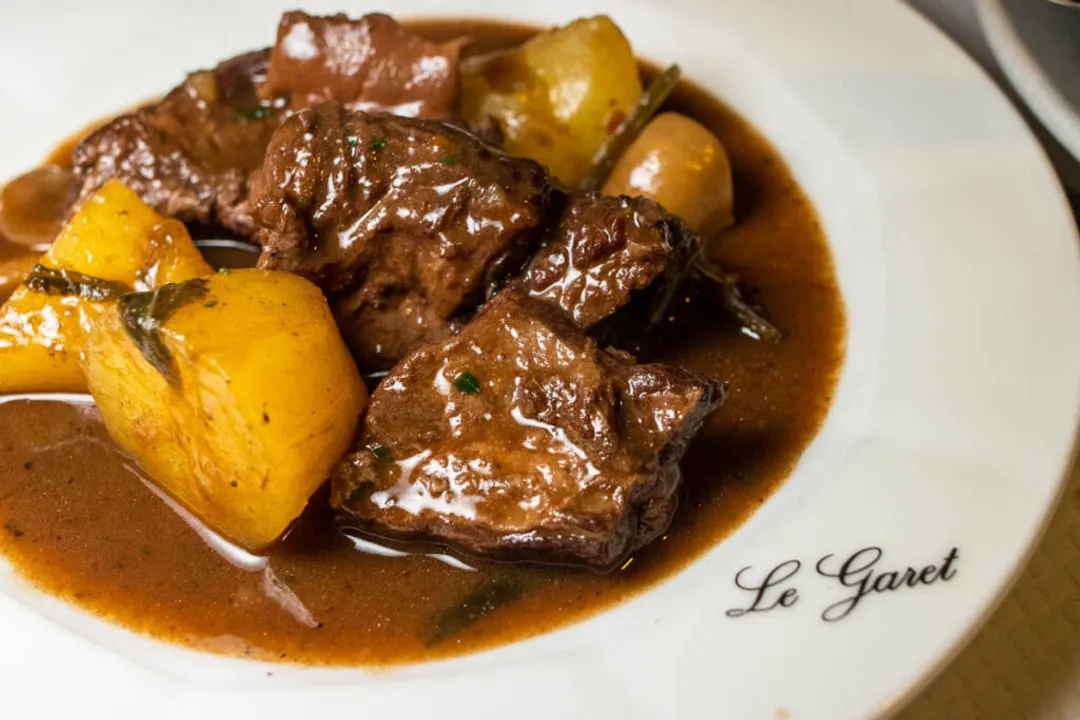
A meal in Lyon is incomplete without the right beverage, which usually means local wine or a specific local aperitif. [6] The city is perfectly positioned geographically to draw from two of France’s most significant wine regions: Beaujolais to the north and the Northern Rhône Valley to the south. [4]
When you order wine in a traditional establishment, you will often be offered choices from these proximate vineyards. [4] The Beaujolais wines, made from Gamay grapes, offer lighter, fruitier profiles perfect for cutting through the richness of Lyonnaise cooking—think Morgon or Fleurie. [4] For something with more structure to stand up to heavy meat courses, a Syrah-based wine from the Northern Rhône, such as a Côte-Rôtie or Condrieu (a white wine from the same area), is an excellent pairing. [4]
If you are looking for something pre-meal or perhaps a digestif, Lyon has its own traditional spirits. The Kir Lyonnais, made with crème de cassis (blackcurrant liqueur) topped with white wine, is a classic apéritif, though some locals might prefer it made with a local white wine instead of the typical Bourgogne Aligoté. [6] Another local aperitif tradition involves Guignolet, a cherry liqueur, which is a lovely way to start the evening. [1]
A tip for navigating the wine list in less formal settings: don't hesitate to order wine en carafe or en pichet. [10] This is often the house wine, sourced locally, and represents excellent value while still being perfectly suited to the food you are eating. [10] It shows an understanding of the local dining rhythm—focusing on enjoyment and proximity over prestige.
# Navigating Choices
With so many excellent options, deciding where and how to eat can be overwhelming. [2][6] One approach is to dedicate time to specific culinary goals rather than trying to hit every famous name. [8]
# Value Hunting
For travelers seeking high-quality food without entering the stratosphere of fine dining prices, there are strategic ways to dine well. [8] One strategy suggested is to plan for one main splurge meal and balance it with less expensive, high-quality options for the rest of the trip. [8] Look for lunch formules or menus du jour. Many top-tier restaurants offer significantly reduced pricing for their midday service, allowing you to sample Michelin-level cooking for a fraction of the dinner cost. [2]
In contrast, many locals on social media discussions suggest that the true value lies in the bouchons that have retained their original neighborhood character, often found slightly outside the main tourist hubs of Vieux Lyon or Presqu'île. [3][9] They suggest that a restaurant being too famous or too central might mean inflated prices for the same traditional fare available elsewhere for less. [3]
# Booking and Timing
Reservations are nearly mandatory, especially for dinner at well-regarded establishments, including many of the established bouchons. [2][10] If you are visiting on a weekend, booking several days, or even weeks, in advance for popular spots is wise. [2]
A critical element often overlooked by first-time visitors is timing. [6] Lunch service often begins around noon, and dinner reservations typically start around 7:30 PM. Eating too early might mean finding establishments closed or quiet. [6] Furthermore, many traditional restaurants operate on a fixed schedule, sometimes closing entirely on Sundays or Mondays—always verify operating hours before making a plan. [10]
# The Culinary Spectrum
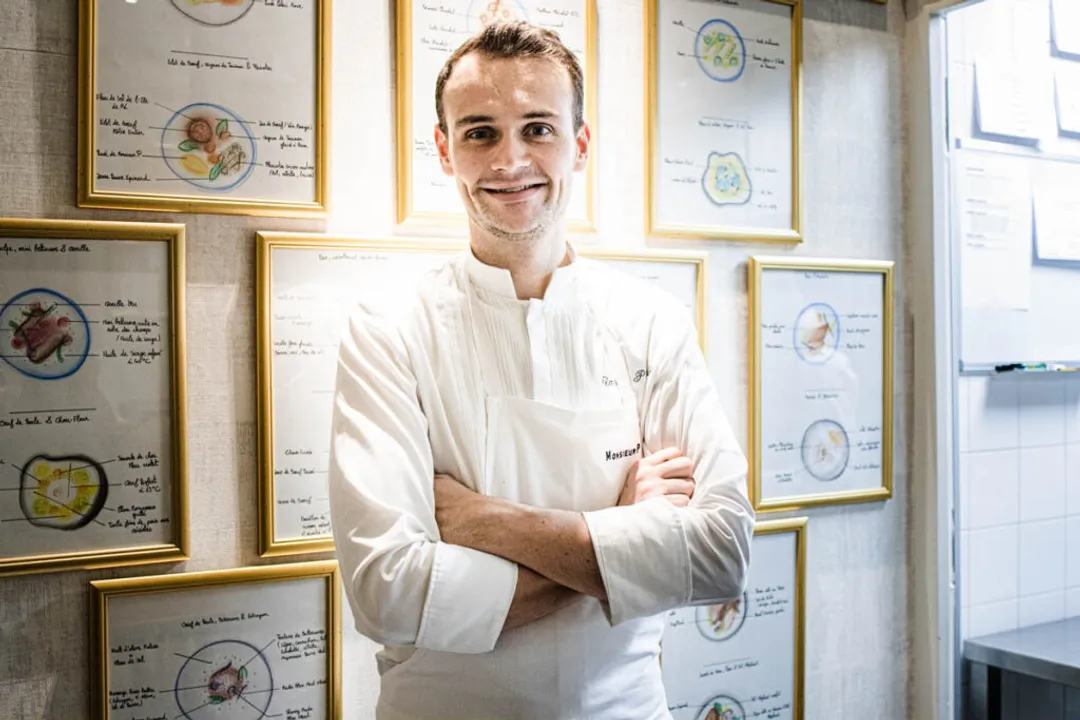
It is worth noting the spectrum of experiences available. On one end, you have the Michelin-starred establishments, which represent the pinnacle of French technique applied to Lyonnaise ingredients. [5] On the other, you have the aforementioned bouchons emphasizing comfort and tradition. [4] A balanced itinerary might sample both, perhaps pairing a decadent, multi-course dinner at a renowned spot like Paul Bocuse's establishments (if current sources indicated his direct involvement, which they imply through historical context) with a rustic, fixed-price menu at a tiny bouchon in the 4th arrondissement. [5][7] This dual approach offers a complete picture of why Lyon holds its culinary crown. [4]
An experiential tip for maximizing the heavy nature of the cuisine is pacing. If you indulge in a large, rich lunch, consider substituting dinner with something lighter, perhaps just cheese, cured meats, and a glass of wine, rather than attempting three heavy meals daily. [6] This self-regulation prevents culinary fatigue and allows you to fully appreciate the depth of flavor in each sitting. [4]
# Sweet Endings
Lyon’s reputation often centers on its savory offerings, but the dessert course demands equal attention. [8] Beyond the ubiquitous, brightly colored praline tart, the city’s patisseries offer refined takes on classic French sweets. [1][7]
The Saint-Honoré cake, a specialty involving puff pastry, choux pastry puffs dipped in caramelized sugar, and crème chiboust, is often perfected in this region and is a showstopper dessert. [1] While macarons are available everywhere, seeking out a local specialist for flavors beyond the standard rose or pistachio can lead to unexpected delights. [8] Look for seasonal fruit tarts if you visit outside the main tourist season, as the reliance on local produce shines through even in the pastry realm. [4]
Considering the richness of the main courses, finding a boulangerie near your accommodation for a morning pastry or an afternoon snack—like a chouquette (a light, sugar-dusted choux pastry puff) purchased individually rather than as a full meal—can provide satisfying sweetness without the heaviness of a full dessert course every evening. [1] This blend of high-end pastry and accessible, simple street-side sweets defines the everyday gastronomic rhythm of the city. [8]

# Conclusionary Flavor Notes
To eat in Lyon is to participate in a long-standing tradition where food is central to social life. [4] Whether you find yourself in a cramped, noisy bouchon savoring quenelles or seated formally for a multi-course tasting menu, the commitment to flavor and quality is palpable. [7][10] Remember that the best meals often come from embracing the local rhythm, ordering the regional wine in a pitcher, and not being afraid to try the cervelle de canut as a palate cleanser before the main event. [1][4] Lyon offers a deep dive into French culinary history, and your plate is your passport.
Related Questions
#Citations
Ten foodie things to do in Lyon - Taste of Savoie
Must Try Restaurants in Lyon, France: A Guide to the Gastronomic ...
What are some good places to eat and what to avoid when in Lyon?
Lyonnaise Cuisine: What to Eat in the Gastronomic Capital of the ...
Eating My Way Through Lyon: Anthony Bourdain-Style
First time in Lyon. What do we see? Eat? Drink?
28 Great Lyon Restaurants, Bouchons, Markets and Bars
Lyon's Best Value Restaurants in 3 Days
Things to see, places to eat and drink in Lyon - Facebook
A hungry girl's guide to Lyon, France—where to find the best ...