Can you drink flower water?
The concept of drinking "flower water" can lead down two very different paths: one involving an accidental, potentially concerning sip from a vase, and the other relating to intentional, flavorful infusions using edible blossoms. Understanding which type of "flower water" you are dealing with is the critical first step in determining if consumption is safe or recommended. [1][2] For many people, the phrase conjures an image of the murky, slightly slimy water left at the bottom of a bouquet's container, perhaps left sitting for days. [2]
# Vase Water Danger
The water left in a vase after flowers have been cut and displayed is generally not safe for human consumption, even in small amounts. [1] When commercial flowers are purchased, they almost always come with a small packet of floral preservative—often referred to as flower food—or the stems are already sitting in a solution. [3] This solution is specifically formulated for the plant, not for people. [3]
# Food Preservative Content
Floral preservatives serve a few key purposes for the cut stems. They typically contain three main components: a sugar source to provide energy to the flower, a pH adjuster to keep the water slightly acidic, and, most critically, a biocide or germicide. [3] The biocide is designed to inhibit the growth of bacteria and fungi in the water, which would otherwise clog the plant's vascular system and shorten its life. [3]
When someone accidentally drinks this water, they are ingesting these chemical compounds. If a small drop or small amount of the water containing the flower food gets into a person's mouth, it usually isn't a major medical emergency, though it may cause mild irritation in the mouth or throat. [3][7] However, ingesting a larger volume of this chemically treated water could potentially cause stomach upset or more significant issues because the biocides are toxic to humans in concentrated forms. [2][3]
# Accidental Swallowing
If someone, particularly a child, accidentally drinks a significant quantity of water from a vase containing flower food, the standard advice leans toward contacting a poison control center or seeking medical advice immediately. [3] While some users in online discussions report having done this years ago and being perfectly fine, personal anecdotes should not replace professional guidance when chemicals are involved. [2] If an adult accidentally consumes a small amount, they should monitor themselves for symptoms like nausea, vomiting, or localized irritation, and consult a healthcare provider if concerned. [3]
A good practice when using fresh-cut flowers from your own garden is to use only clean, filtered water and change it daily, treating the stems almost like a fresh vegetable rinse, rather than relying on chemical preservation. While plain water allows bacteria to proliferate, which shortens the bloom life, it removes the risk associated with manufactured biocides [Self-Generated Insight]. The main risk then shifts from chemical exposure to potential gastrointestinal irritation from consuming water that has held decaying plant matter, though this risk is generally lower than ingesting commercial preservatives.
# Edible Infusions
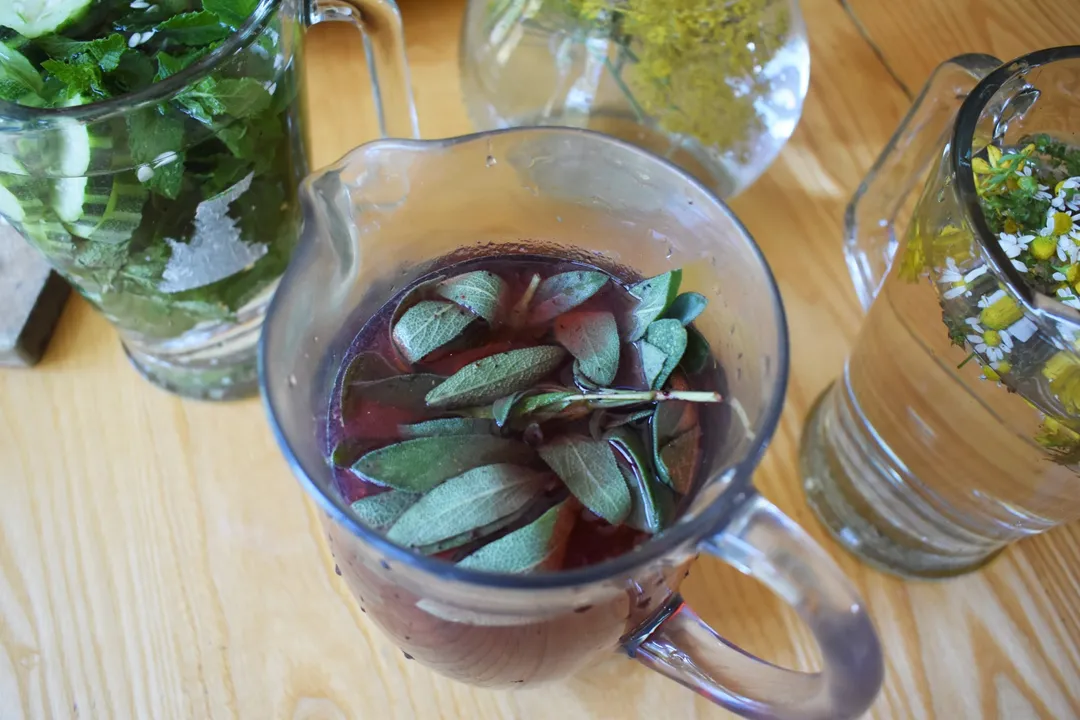
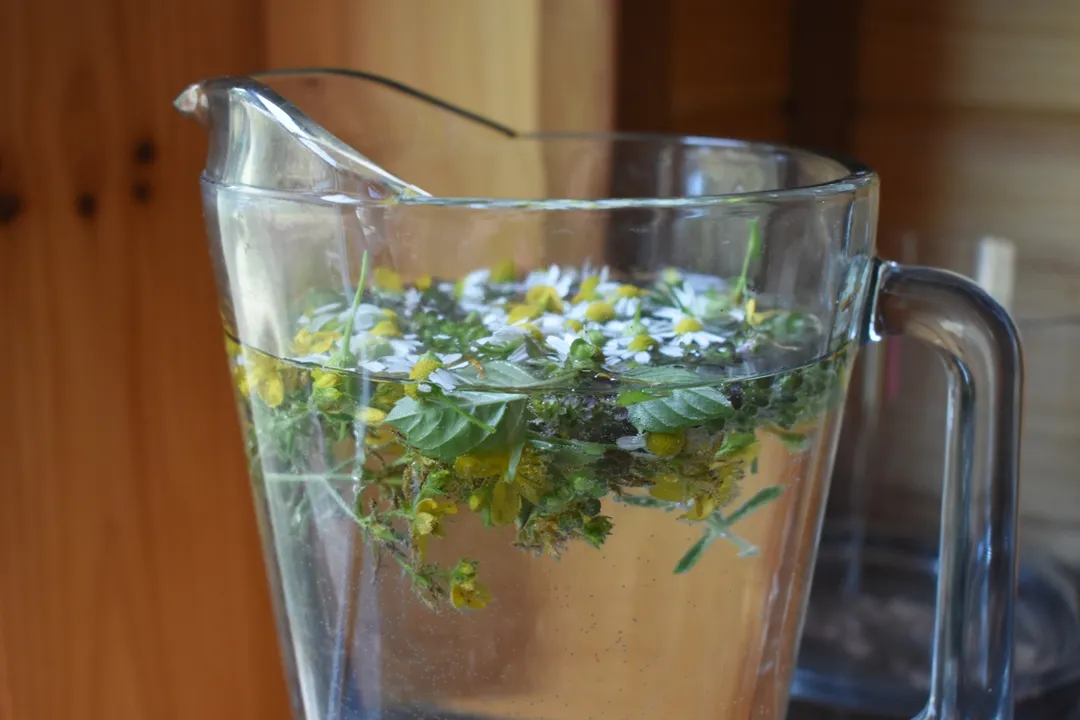
The second, and much more pleasant, interpretation of drinking "flower water" refers to liquids intentionally prepared using edible flowers. [4] This practice is common in various culinary traditions, often for flavoring, aesthetic appeal, or purported health benefits. [5][9]
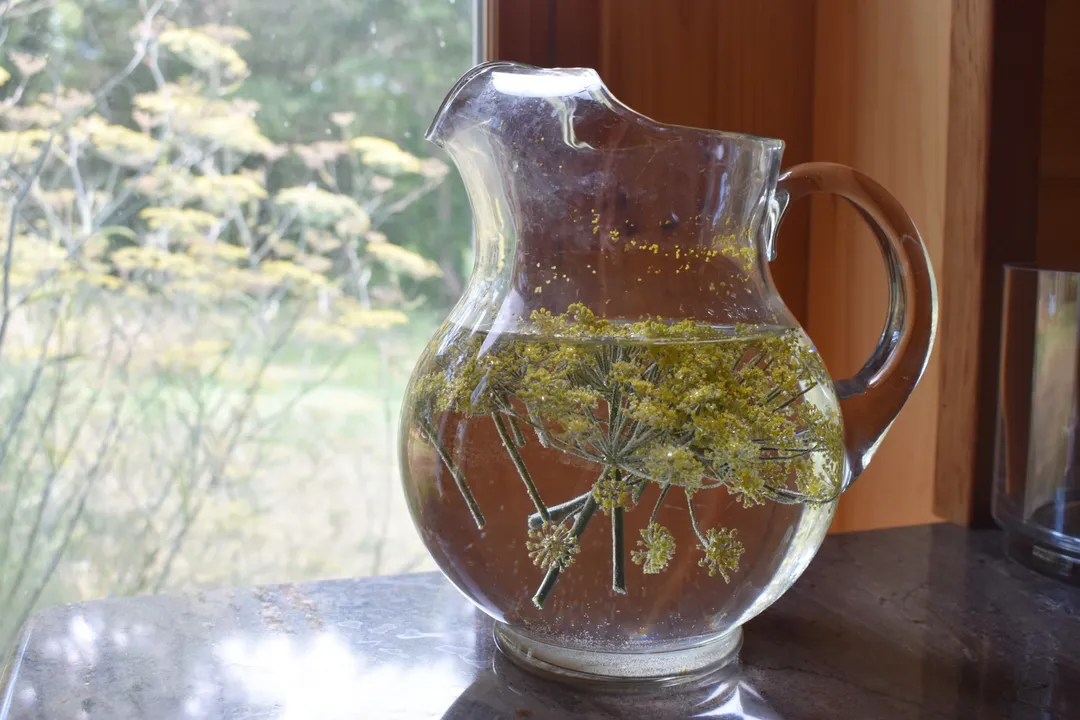
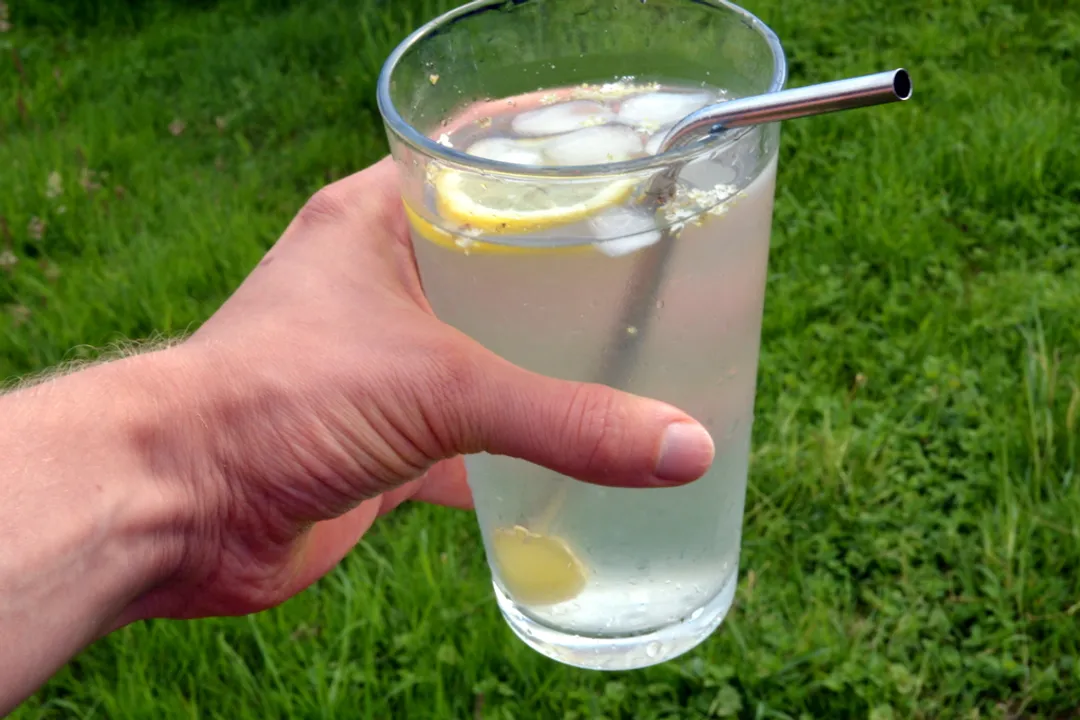
These are not liquids from a vase; they are infusions made by soaking clean, food-grade flowers in water, sometimes with added ingredients like citrus, to create aromatic, refreshing beverages. [4][9] For instance, elderflower lemon water is a known recipe that combines the floral notes of elderflower with the brightness of lemon, resulting in a drink popular in the warmer months. [9]
# Drinkable Blooms
When moving into the realm of culinary flower water, recognizing which blossoms are safe is non-negotiable. [4] Many common garden and ornamental flowers are toxic if ingested. [4]
A few flowers are regularly cited for their use in infusions or culinary applications:
- Elderflower: As mentioned, this is a prime candidate for creating flavored, sweet water, often combined with lemon or used in cordials. [9]
- Rose Petals: These can be steeped to create rose water or infused water, valued for their delicate fragrance. [4]
- Other Edible Flowers: Depending on the local garden, flowers like chamomile, calendula, or hibiscus (technically a calyx) are often used for teas or infusions. [4][5]
Some advocates suggest drinking various flower infusions daily, citing reasons that range from supporting digestion to generally improving well-being through their antioxidant content. [5]
# Safe Consumption Tips
To safely create and drink flower-infused water from your garden, several steps must be taken, shifting the focus from chemical safety to contaminant avoidance. [4]
- Positive Identification: Never consume a flower unless you are absolutely certain of its species and confirm that it is an edible variety. [4] Cross-reference with reliable botanical guides.
- Source Purity: Flowers intended for consumption must be grown without synthetic pesticides, herbicides, or fungicides. [4] Flowers bought from florists or nurseries are generally not safe to eat due to chemical treatments applied during cultivation and shipping. [4]
- Harvesting: Harvest flowers early in the morning after the dew has evaporated but before the midday sun has faded their essential oils. [4] Only use the petals or specific edible parts; avoid stamens or pistils unless you know they are safe, and never use the whole flower if the base is questionable. [4]
- Preparation: Rinse the gathered petals or blossoms gently in cool water to remove any debris or dust. [4]
It is worth noting that while recipes for daily consumption exist, one must maintain a balanced perspective. While eating healthy foods, including certain florals, is beneficial, specific dosage guidelines for daily, long-term intake of many flower infusions are often anecdotal or based on traditional use rather than standardized nutritional science. [5][8] For most home cooks starting out, treat intentional flower infusions like herbal tea—enjoyable, hydrating, but perhaps best consumed as a refreshing alternative rather than a primary daily supplement unless specific, tested recipes are followed [Self-Generated Insight]. If you are preparing something like elderflower lemon water, the addition of the fruit helps balance the flavor profile, making it both palatable and hydrating. [9] When done correctly, drinking flower water moves from a potential hazard (vase water) to a delightful, natural beverage.
Related Questions
#Citations
I drank flower water : r/adhdwomen - Reddit
How bad is it if you drink the water from the flower pot/jar? - Quora
What to do when you swallow water with Chrysal flower food?
9 Reasons to Drink Flowers Daily - The Qi
How To Drink Your Garden: Water Infusions - Round the Bend Farm
Hello, I hope you can help. I accidentally drank a glass of water that ...
Accidentally got a drop of flower oil in mouth. Am I ok? - JustAnswer
Flower Water - The Wellness Sanctuary
Elderflower Lemon Water Recipe - Nest and Glow