Why do Germans drink a lot of sparkling water?
The sound of fizz is a near-constant presence on German tables, whether in a casual home setting or a formal restaurant. Germans consume staggering amounts of bottled water, particularly the carbonated variety, leading many visitors to wonder why this national preference exists when the tap water quality is objectively excellent. It’s a curious phenomenon because, unlike in many other places where sparkling water is a niche choice or a sign of seeking cleaner water sources, in Germany, it is the default expectation for many citizens. [1][4]
# Tap Water Truth
It is essential to state upfront that the local water infrastructure in Germany is world-class. The public tap water is rigorously tested, safe, and often considered among the best available globally. [4] In fact, for many international visitors, the water straight from the faucet tastes very clean and is perfectly fine for drinking. [4] Given this high standard, the massive market for bottled water—especially the sparkling kind—isn't driven by necessity, safety concerns, or poor municipal quality. If the goal were purely hydration without added minerals or flavor, the tap would suffice. [4] This fact positions the sparkling water habit as a deeply entrenched cultural preference rather than a functional requirement.
# Historical Roots
To understand the current preference, one must look back at history. Before modern, centralized water purification systems became the norm across the country, natural mineral springs held significant cultural and practical importance. [3] People relied on these springs for water that was perceived as cleaner or safer than local, untreated sources. [3] Over time, this historical reliance evolved into an appreciation for the character of spring water. [2] While the initial need for bottled water faded with improved infrastructure, the association of bottled water with purity and tradition remained strong. [3] The tradition of enjoying mineral water from specific sources became embedded in the national psyche, creating a foundation upon which the modern sparkling preference was built. [2]

# Preference Fizz
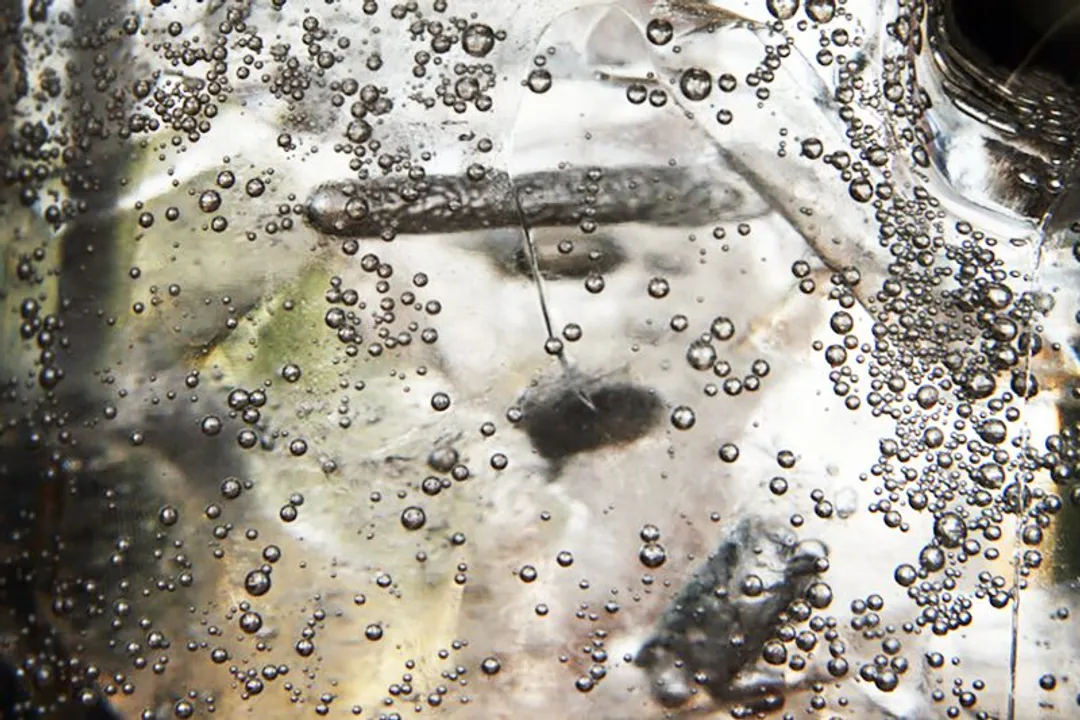
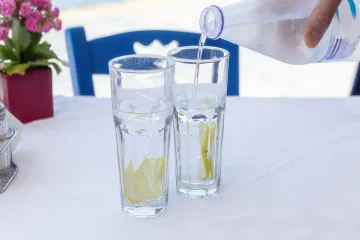
The real key to the enduring popularity of sprudel—the German term for carbonated water—often comes down to simple sensory preference. Many Germans simply prefer the texture and taste that carbonation imparts to water. [5] It is often described as having a distinct "bite" that makes plain still water feel somewhat flat or unsatisfying by comparison. [1][4]
For many, this isn't about adding flavor in the way a soft drink is sweetened; rather, the bubbles themselves act as the desired enhancement. Think of it like this: for someone accustomed to black coffee, adding milk or sugar fundamentally changes the experience to be perceived as better or more enjoyable. In the German context, the effervescence is that fundamental enhancement for otherwise neutral water. [4] It provides a textural experience that drinking still water cannot replicate for them. [1] Furthermore, this preference has been cemented by sheer availability; if a glass of water is ordered in a restaurant without specifying "still," it will almost certainly arrive carbonated. [4]
# Mineral Richness
While texture is a major driver, the specific mineral content of bottled water also plays a role, often offering a point of differentiation against simple tap water. [2] German mineral waters are heavily regulated, and they must derive from a recognized underground source. [2] They are not simply tap water that has been artificially carbonated and bottled, which is sometimes the case with seltzers in other countries. [2]
Each brand boasts a unique profile of minerals like magnesium, calcium, and sodium, which consumers may believe offer certain health benefits or just contribute to a fuller taste. [2] Depending on the region—for example, the Harz Mountains or the Vulkaneifel area—the water composition varies significantly. [2] This variety allows consumers to choose a specific mineral balance that suits their palate or perceived needs, something that standardized municipal water cannot offer. [2]
# Market Selection
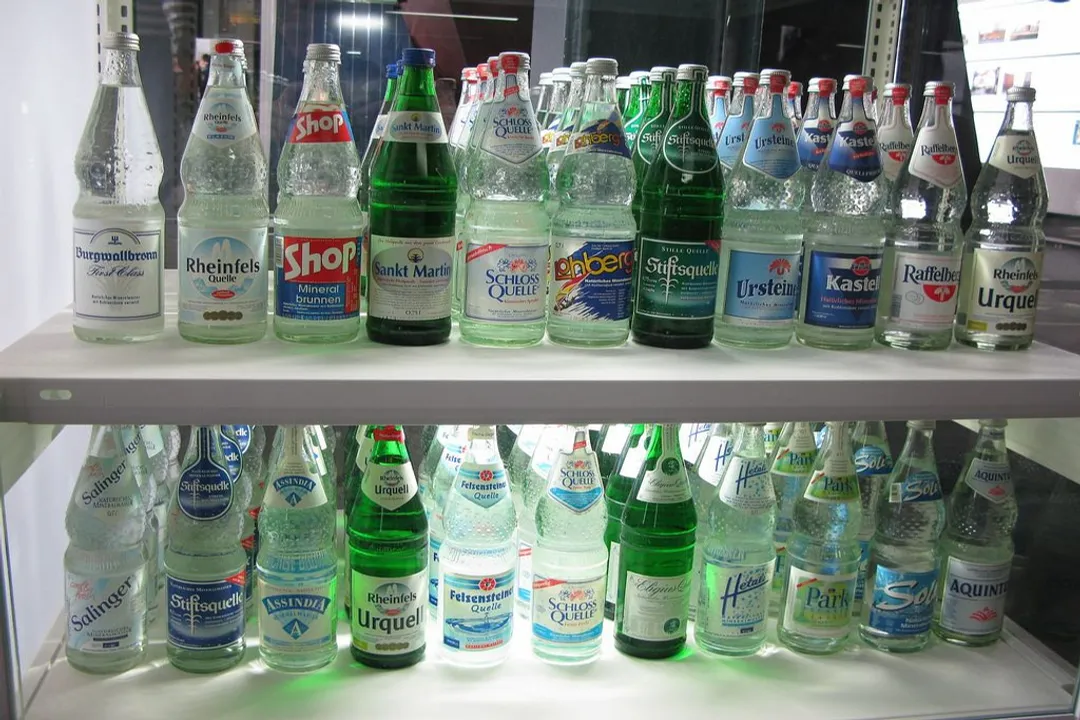
The sheer variety available in German supermarkets and kiosks strongly supports the continued high consumption rates. Finding dozens of different brands of bottled water, both still and carbonated, is the norm. [3] This vast selection ensures that almost every preference for carbonation level or mineral content can be met with a local or regional product. [2]
Consider the shopping experience: instead of one or two standard bottled water options, consumers face a wall of choices, often including Medium (lightly carbonated) and Classic (heavily carbonated) versions of the same brand. [2] This competitive shelf space keeps bottled water top-of-mind and encourages regular purchase and consumption habits over relying solely on the tap. [3]
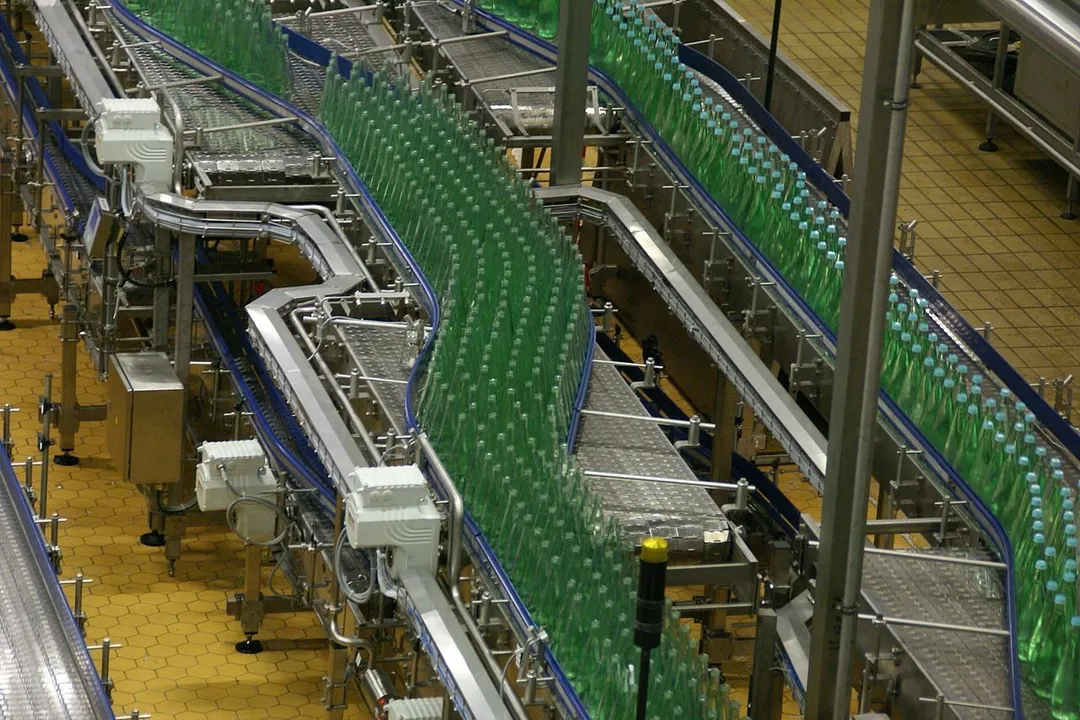
An interesting dimension to this market, which reinforces the habit of buying bottled liquid, is the established Pfand or deposit-return system. [4] While this system is excellent for sustainability, encouraging the return and reuse of bottles, it inherently primes the consumer to associate hydration with a transactional purchase. The physical act of returning empties and buying replacements reinforces the mental pathway that bottled water is the default, readily available refreshment, whereas turning on the tap requires no such transaction or external container. [4]
# Consumption Habits
The preference for carbonated water extends deeply into social settings, often influencing dining out habits. When eating a substantial German meal, the effervescence of the water is thought by many to aid digestion or cut through the richness of the food better than still water. [1] This is particularly true when pairing with traditional, heavier dishes.
Moreover, sparkling water serves as an excellent, flavor-neutral base for mixed drinks that are popular in the country. Mixing spirits like Korn or Aperol with bottled mineral water is common. [1] By choosing carbonated water over an artificially flavored, high-sugar mixer, consumers can enjoy a bubbly refreshment that still feels relatively "light" or "healthy" compared to a full soda. [5] This versatility ensures that sparkling water maintains relevance throughout the entire day, from a morning glass to an evening mixer. The acceptance of this bubbly standard means that for a large segment of the population, reaching for a bottle of Sprudel is as automatic as reaching for a cup of tea might be elsewhere in the world.
Related Questions
#Citations
Why is sparkling water so popular in Germany
Germany's Love of Mineral Water
Germans Are the World's Most Discerning Seltzer ...
If tap water is so good in Germany, why do people still drink ...
Why Sparkling Water is the Preferred Choice in Germany
Germans' fondness for sparkling mineral water
Why are Germans obsessed with sparkling water? 🫧 Learn ...