What drinks have carbonic acid?

The effervescence bubbling up from a chilled glass of soda or sparkling water is the visible evidence of a temporary chemical reaction involving carbonic acid. This seemingly simple component is fundamental to the mouthfeel, taste, and very identity of carbonated beverages worldwide. [2][7][8] To understand which drinks contain carbonic acid, one must first grasp how this specific weak acid is formed—it is not typically added as an ingredient, but rather emerges when carbon dioxide gas is forced into water under pressure. [10]
# Chemical Basis
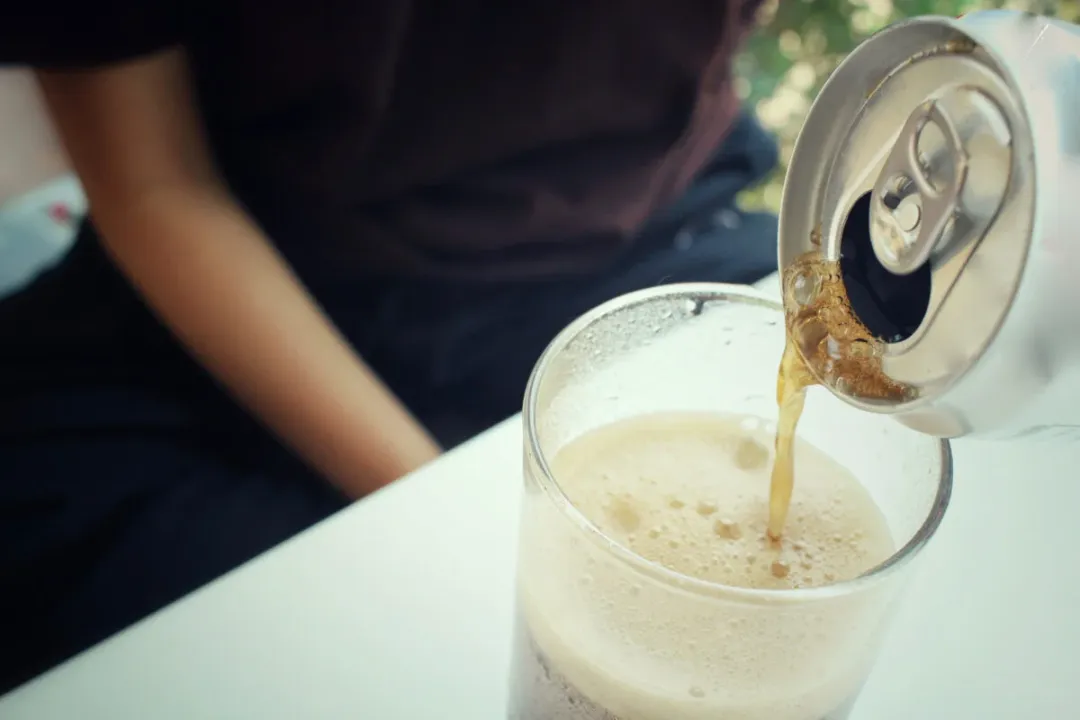
The presence of carbonic acid is directly linked to the process of carbonation. [2] In simple terms, when carbon dioxide () dissolves in water (), a small fraction of the gas reacts to form carbonic acid (). [10][2] This reaction is an equilibrium:
In a sealed, highly pressurized bottle or can, a large amount of is forced into the liquid, shifting this equilibrium to the right, creating a measurable concentration of carbonic acid. [10] When the container is opened, the pressure drops, the excess escapes as bubbles (the fizz we see), and the carbonic acid concentration simultaneously decreases as the equilibrium shifts back toward the dissolved gas and water. [1] Because the is constantly trying to escape, carbonic acid is inherently unstable in open containers. [1]
It is important to recognize that carbonic acid itself is a weak acid. [2] When discussing the overall acidity of fizzy drinks, its contribution is often overshadowed by stronger, intentionally added acids. However, it is the only acid present in drinks that have been carbonated without any other flavorings or preservatives added, such as plain sparkling water. [7] If you are looking for a drink that contains only carbonic acid as its acid component, you are looking for plain seltzer or club soda where the only additives are water and pressurized . [4]
# Carbonated Drinks
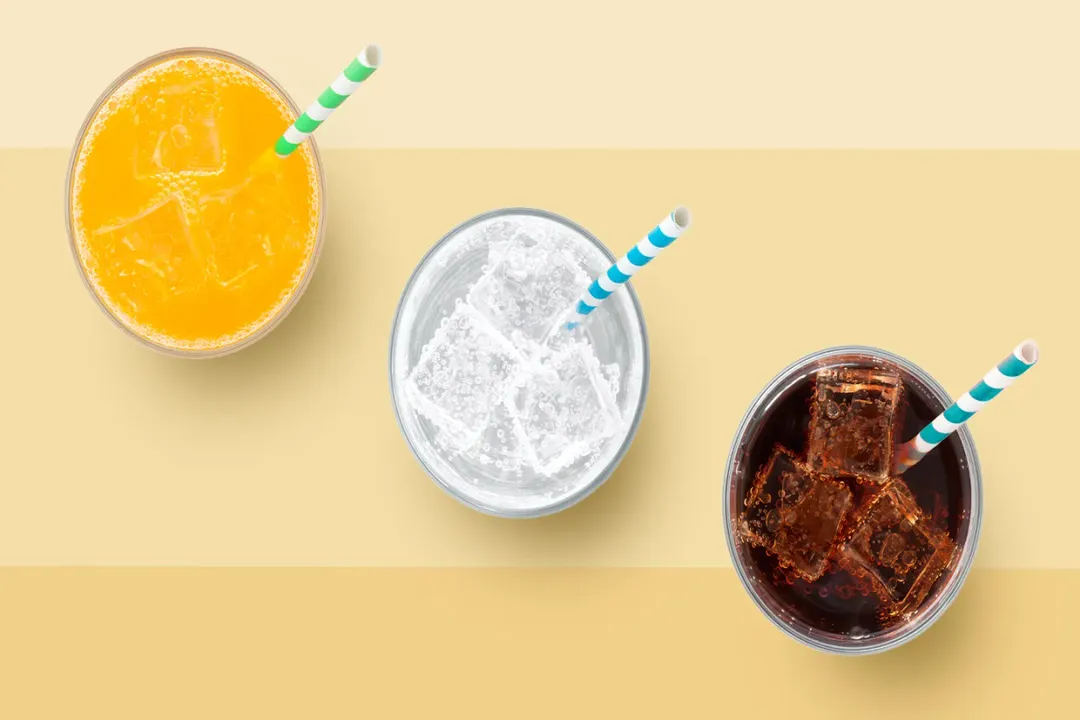
Any beverage that has been intentionally pressurized with will contain carbonic acid while sealed, and some measurable amount immediately after opening. [10] The vast majority of commercially available carbonated beverages fall into this category. [8]
# Water Types
Plain carbonated water, often called seltzer water or club soda, is the most straightforward example. [7] It is created by injecting carbon dioxide into chilled water. [2] The resulting drink is characterized by the sharp, slightly tangy taste provided by the carbonic acid. [6]
Mineral water that has been artificially carbonated, or naturally sparkling mineral water, also contains carbonic acid if the fizz is due to dissolved . [2] Naturally sparkling waters, sometimes called spontaneously carbonated mineral waters, have trapped underground that comes out of solution when the water is brought to the surface and the pressure is released, forming the acid in situ. [2]
# Sweetened Beverages
Standard soft drinks, colas, lemon-lime sodas, and tonic waters are heavily carbonated and therefore contain carbonic acid alongside other acidifying agents. [3] While they definitely contain carbonic acid formed from the dissolved necessary for the "fizz," their overall is dominated by other ingredients. [5] For instance, a cola might have a around $2.5$ to $2.7$. [5] The carbonic acid present contributes to this low but is not the primary driver of the sourness or preservation effect. [6] If the were removed from a soda, the fizz would disappear, but the drink would still taste sweet and acidic due to the non-carbonic acid components.
# Non-Carbonated Drinks
Crucially, beverages that are not pressurized with will not contain carbonic acid above trace environmental levels, even if they contain other acids. [4] For example, many flavored waters that are not sparkling, or certain juices, will lack this specific chemical entity entirely. [4]
# Comparing Acids
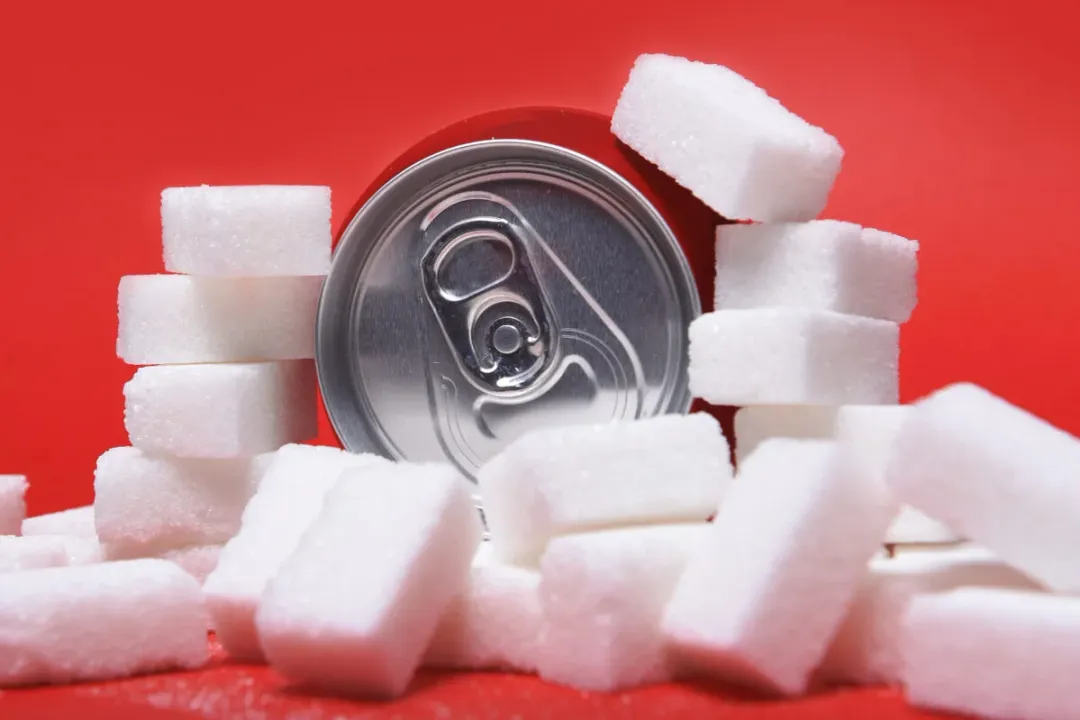
The term "acid" in the context of soft drinks is broad, which often leads to confusion about the specific role of carbonic acid. [5] It’s helpful to compare it against the other acids frequently encountered in these products, which are added deliberately for flavor enhancement, tartness, or preservation. [3][5]
Here is a simplified comparison:
| Acid Type | Primary Source in Drinks | Strength Relative to Carbonic Acid | Primary Function |
|---|---|---|---|
| Carbonic Acid () | Dissolved | Weakest | Fizz, tingling sensation [6] |
| Phosphoric Acid () | Colas, some fruit drinks | Significantly Stronger | Sharp, tangy flavor, preservative [5] |
| Citric Acid () | Lemon/lime sodas, fruit juices | Stronger | Bright, tart, sour flavor [5] |
| Tartaric Acid () | Grape sodas | Stronger | Sourness, often found with cream of tartar [5] |
| Acetic Acid () | Less common in mainstream sodas | Stronger | Vinegar-like tang (sometimes in specialty/health drinks) [5] |
Carbonic acid’s primary contribution is the sensation of fizziness, a mild tartness that is less aggressive than the sourness imparted by citric or phosphoric acid. [6]
When looking at the chemistry, carbonic acid is formed by the hydration of , whereas acids like phosphoric () or citric () are added as finished compounds. [5] While dissolution yields carbonic acid, the concentration achieved, even under high pressure, results in a relatively mild acidity compared to adding a strong acid directly. [2] The of pure water saturated with is typically around $3.0$ to $4.0$, depending on temperature and pressure, which is considerably higher (less acidic) than a typical cola sweetened with phosphoric acid. [5]
If we consider an anonymous data point from a typical home carbonation setup, where water is saturated to about $4$ volumes of at room temperature, the resulting might settle near $3.5$ to $3.8$ just from the carbonic acid. This demonstrates that while it is an acid, its power is limited by the solubility of the gas itself, which is why drink manufacturers must add stronger acids to achieve the desired shelf stability and flavor profile. [10]
# Taste and Sensation
The function of carbonic acid extends beyond mere chemical acidity; it is integral to the drinking experience. [6] The characteristic "bite" or tingling feeling associated with carbonation is directly attributable to the presence of carbonic acid in the liquid, which irritates the sensory receptors in the mouth. [1][6] This sensation is often described as sharp or prickly. [6]
The level of carbonation—and thus the concentration of carbonic acid—is managed carefully by beverage producers. [6] High carbonation levels lead to a more pronounced, sharper mouthfeel and increased preservation potential because the high concentration of dissolved creates a hostile environment for many spoilage microbes. [6] Conversely, very low carbonation results in a flatter, less refreshing drink, even if other acids are present for sourness.
This relationship between and preservation is a practical one. For example, when bottling a drink, the initial is often introduced at a higher pressure than the final serving pressure to ensure that the headspace in the bottle or can remains saturated with even if small amounts leak out over time, effectively keeping the carbonic acid level stable for longer shelf life. [6]

# Health Implications
A common question surrounds the health impact of consuming drinks containing carbonic acid. For those concerned about dental erosion or stomach irritation, the focus often incorrectly centers solely on the carbonic acid formed from . [7]
Plain carbonated water, which derives its acidity only from carbonic acid, is generally considered a safe substitute for still water. [7] Because carbonic acid is weak and quickly breaks down into water and upon ingestion or when exposed to air, it tends to have a minimal long-term impact on dental health compared to the stronger, intentionally added acids like phosphoric or citric acid found in sodas. [7] In fact, some research suggests that the overall effect on tooth enamel erosion is negligible for unflavored, unsweetened carbonated water. [7]
However, when considering mixed beverages like colas, it’s the combination that matters. A typical diet cola might contain phosphoric acid, which is known to be more corrosive to tooth enamel over time than the carbonic acid component. [5] Therefore, when analyzing a drink’s potential for acidity-related harm, one must identify all acidulants present, not just assume the fizz implies severe acidity. [4][5]
One practical difference to note is how the body handles these acids. Carbonic acid is a natural part of the body’s internal chemistry, as is a byproduct of respiration and is buffered by the blood's bicarbonate system. [1] While drinking large volumes of any acid can alter stomach temporarily, the and resulting carbonic acid are processed quickly by the body’s existing regulatory mechanisms, unlike ingested strong mineral acids that require different metabolic pathways for neutralization. [1]
# Practical Considerations for Home Use
Understanding carbonic acid formation is key for anyone using home carbonation systems, such as those employing cylinders. [10] The quality of the resulting fizz is determined by three factors: temperature, pressure, and time. [10]
- Temperature: Colder water can dissolve significantly more than warmer water. To maximize the creation of carbonic acid, chilling the water until it is near freezing is the most effective step. [10]
- Pressure: Higher pressure forces more into solution, increasing the concentration of carbonic acid. This is why commercial bottling occurs under immense pressure. [10]
- Time: Allowing the saturated water to rest, even briefly after the initial injection, permits the equilibrium to fully establish, maximizing the amount of acid formed before serving. [10]
If you skip chilling the water and try to inject into room-temperature water, you will get significant bubbles escaping immediately, indicating that very little has successfully converted into the stable carbonic acid form within the liquid; most of the gas remains in its dissolved, unreacted state, ready to escape quickly. [1] This results in a weak, short-lived fizz, illustrating that the acid itself is inextricably linked to the physics of gas saturation.
In summary, carbonic acid is a consequence of carbonation, present in every fizzy drink, from plain sparkling water to heavily sweetened colas. [2][8] While it provides the characteristic tingle, in most commercial soft drinks, it shares the acidic stage with much stronger acids added for flavor and preservation. [5][6] For those seeking only the mild acidity and bite of pure carbonation, unadulterated sparkling water remains the primary source. [4][7]
Related Questions
#Citations
eli5 Carbonic Acid in carbonated drinks : r/explainlikeimfive
Carbonated water
What Chemicals Are In Fizzy Drinks?
Do Acid-Free Soft Drinks Exist?
Soft drinks contains - Carbonic acid
How CO2 Affects the Taste and Fizz of Carbonated ...
Carbonated (Sparkling) Water: Good or Bad?
Carbonated Drinks: All You Need to Know
The Chemistry of Pop
Everything You Need to Know About Carbonated Beverages