What is a popular drink in Croatia?
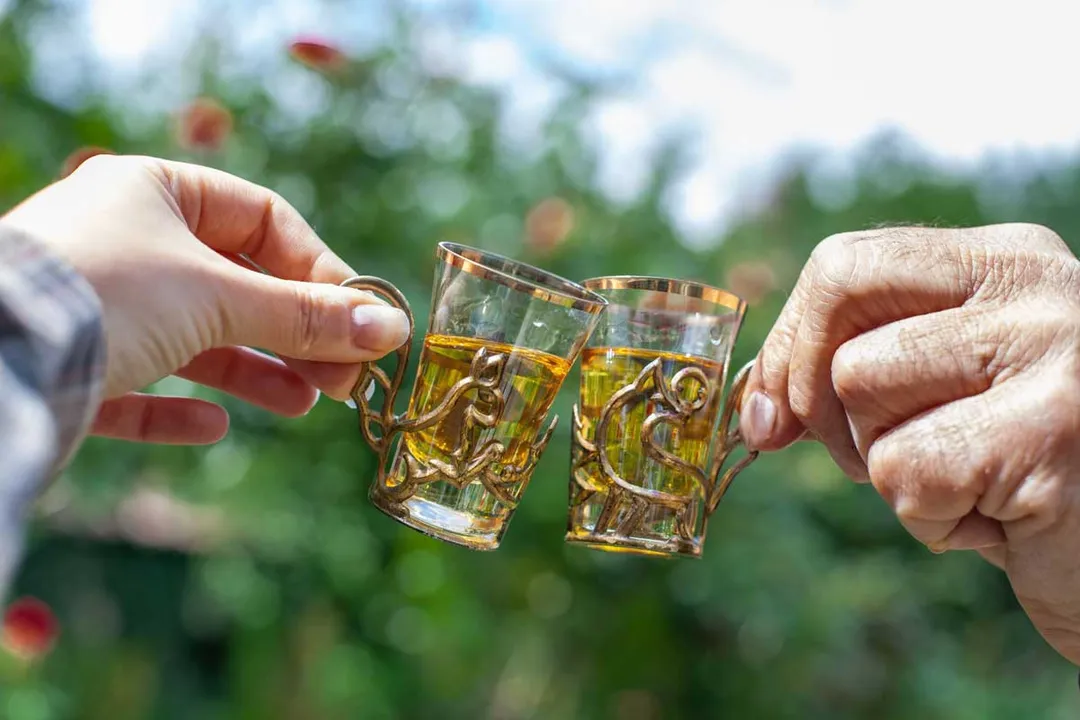
This deep dive into Croatian beverages uncovers a rich landscape extending far beyond the morning coffee ritual, which, while popular, often takes a backseat when discussing spirited traditions. The true heart of Croatian drinking culture often lies in spirits, wines, and local brews that reflect the diverse geography, from the Adriatic coast to the continental east. To truly sip like a local, one must get acquainted with the distinct flavor profiles that define moments of celebration and quiet hospitality across the country.
# National Spirit

The undisputed king of Croatian alcoholic beverages, often referred to as the national drink, is Rakija. This potent fruit brandy is deeply embedded in the social fabric, acting as a welcoming gesture, a medicinal aid, and a celebratory toast maker. It is traditionally served neat and at room temperature, often before a meal as an aperitif or as a gesture of welcome to guests in a home.
The definition of Rakija is broad, as it is essentially any distilled fruit spirit, and the variety available can be staggering, heavily depending on the region and the local fruit harvest. What unites them is their high alcohol content, typically ranging from 40% ABV upwards. A crucial element of Croatian drinking experience is encountering homemade Rakija; while commercially produced versions are readily available in shops and bars, the spirit shared from a family still carries immense cultural weight. Accepting a glass offered by a host, even if you intend only to take a small sip, is a fundamental act of respect for their hospitality.
# Rakija Types
The base fruit dictates the name and primary flavor of the Rakija, leading to several must-know variations.
- Šljivovica: This is arguably the most common type, derived from plums. It has a strong, recognizable fruit core.
- Travarica: This version is infused with various herbs, giving it a distinct, often aromatic and slightly bitter, profile. The specific blend of herbs can vary significantly from one producer to the next.
- Medica: A sweeter and often smoother spirit, Medica is infused with honey, making it a popular choice, especially for those who find plain fruit brandy too sharp.
- Loza (or Komovica): While sometimes grouped separately, this is distilled from the pomace—the leftover grape skins, seeds, and stems after wine pressing. It is a very strong spirit that speaks to the country’s deep winemaking tradition.
When considering the potency of these spirits, it is worth noting that a small glass of homemade Rakija can easily match or exceed the alcohol concentration of many mainstream spirits. For travelers looking for a specific, high-quality brand, the commercially available options often carry specific regional prestige, but the true adventure lies in sampling the unguarded, local batches.
# Croatian Wines
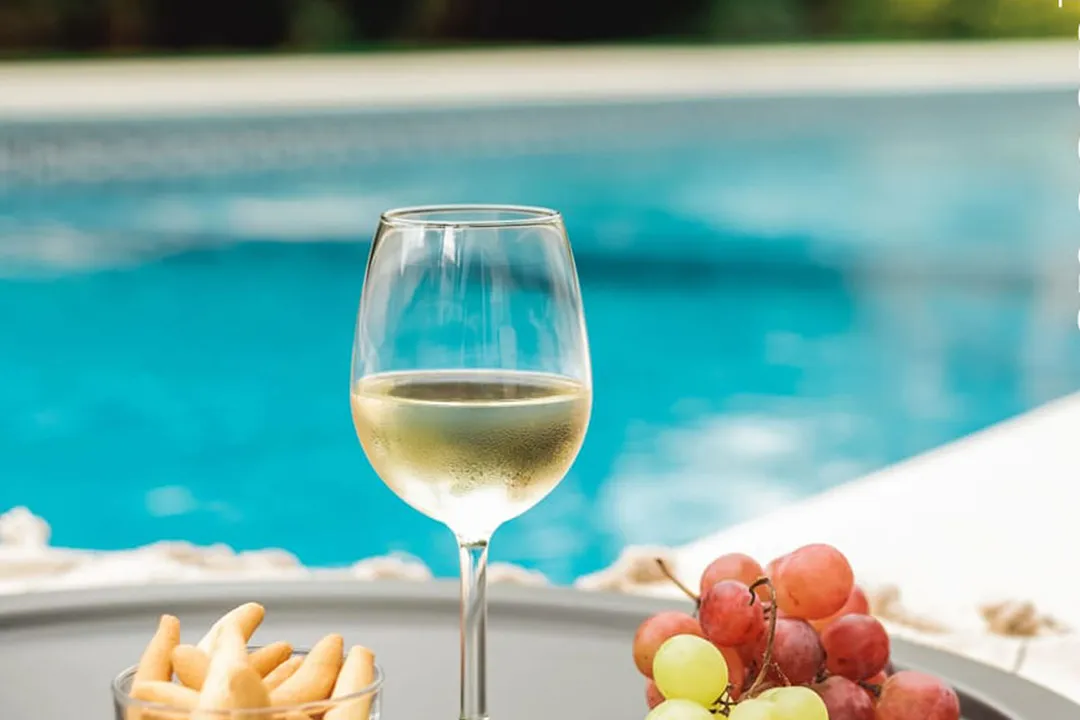
Croatia boasts a long and deep history with viticulture, cultivated for thousands of years along the Adriatic coast and inland regions. This historical depth means the country offers a wide array of indigenous grape varieties, resulting in wines that offer unique flavor profiles rarely found elsewhere. The sheer diversity across the different wine regions—from Istria in the north to Dalmatia in the south—makes wine tasting a comprehensive regional exploration.
# Terroir and Grapes
The climate plays a dramatic role in shaping the final product. Coastal vineyards benefit from the Mediterranean influence, often producing wines with pronounced minerality, while continental areas yield different characteristics. For instance, the Dalmatian coast is famous for powerful reds, often based on the Plavac Mali grape, which yields deeply colored, robust wines with significant structure. On the other hand, the Istrian peninsula is celebrated for its white wines, most notably Malvazija Istarska, which typically presents lighter, aromatic, and refreshing qualities ideal for pairing with seafood.
To better understand the contrast when navigating a Croatian wine list, consider this simplified comparison of two flagship varieties:
| Wine Style | Key Grape | Typical Profile | Best Paired With |
|---|---|---|---|
| Bold Red | Plavac Mali | Full-bodied, dark fruit, high tannin | Grilled red meats, slow-cooked stews |
| Aromatic White | Malvazija Istarska | Dry, fragrant, subtle herbal notes | Adriatic seafood, lighter appetizers |
| Rich Red | Teran | Earthy, strong acidity, vibrant color | Local cheeses, cured meats |
| Sweet Dessert | Prošek | Concentrated, rich sweetness, raisiny | Hard cheeses, dark chocolate |
This variety suggests that a visitor sampling Croatian wine should avoid sticking to just one style; moving from a crisp Malvazija near Pula to a heavy Plavac Mali near Split offers a true geographical taste of the country.
# Sweet Endings
Beyond the dry table wines, Croatia produces remarkable dessert wines. Prošek stands out, particularly in Dalmatia. This sweet wine is made using dried grapes, concentrating the sugars and flavors, resulting in a rich, unctuous liquid often enjoyed after a meal. It shares a similar production philosophy with other renowned world dessert wines but possesses its own unmistakable Croatian signature.
# Everyday Brews
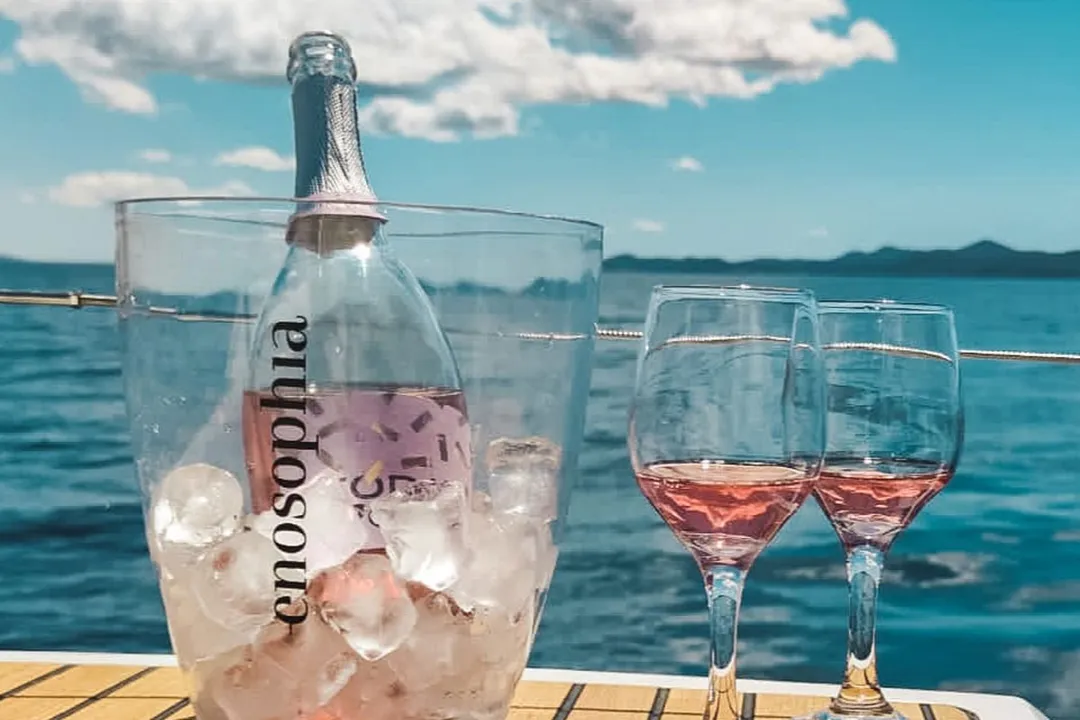
While spirits and wine occupy the traditional high ground, beer is undeniably a popular, everyday choice across the country, especially during the hot summer months. Croatian breweries produce a respectable range of lagers that serve as the perfect thirst quencher after a long day exploring historical sites or relaxing on the islands.
The market is dominated by a few major domestic players, making it easy for visitors to spot the local favorites in nearly any cafe or supermarket. Two of the most prominent and frequently cited brands are Ožujsko and Karlovačko. Both typically offer crisp, pale lager styles that are easy to drink, serving the purpose of refreshment perfectly. While craft brewing is growing, the presence of these established national brands ensures a familiar, high-quality local lager is always within reach. If you find yourself in a local konoba (a traditional tavern), ordering one of these local drafts is an easy entry point into casual local drinking culture without the intensity of downing a glass of Rakija first.
# Coastal Liqueurs
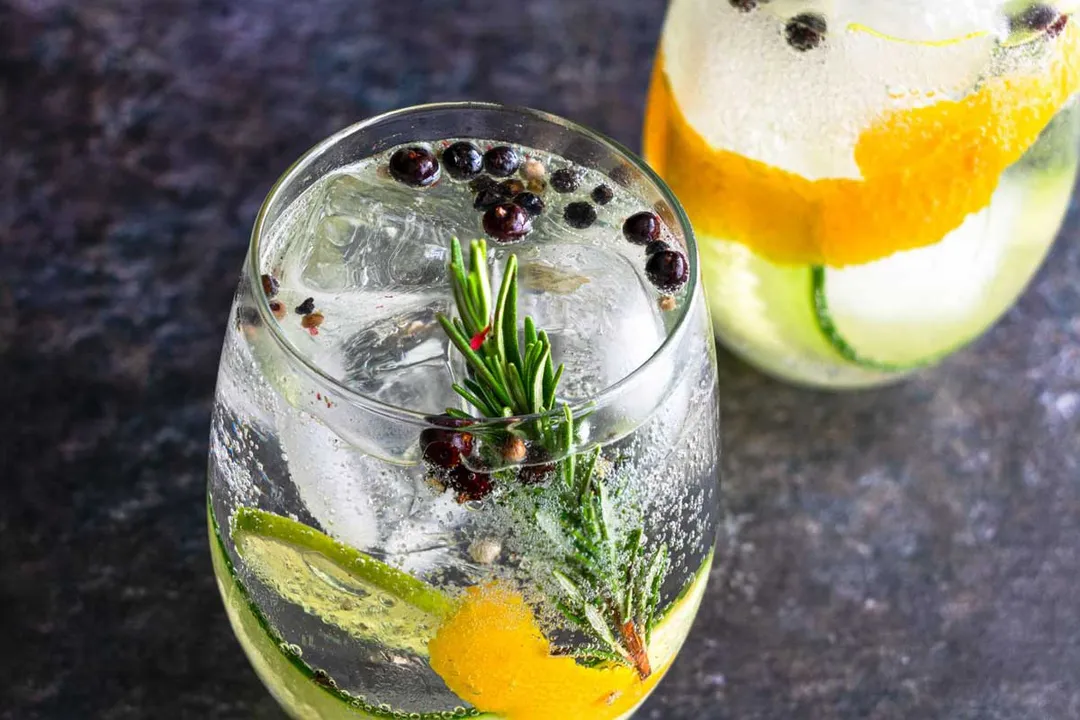
Moving back to the world of spirits, certain liqueurs hold specific regional fame that elevates them beyond mere novelty, often tied to specific coastal cities or traditions. These are often enjoyed as digestifs following a large meal.
# Maraschino Cherry Liqueur
The most internationally recognized Croatian liqueur is Maraschino, which originates specifically from the city of Zadar. This clear, cherry-based liqueur is made from the Marasca sour cherry variety grown in the region. Its distinct, somewhat dry and complex flavor profile has made it a classic ingredient in global cocktails, though the authentic Zadar version is prized on its own merit.
# Herbal and Honey Infusions
In addition to the general Travarica mentioned earlier (the herb-infused Rakija), specific regional or commercial liqueurs also use infusions to create unique products. The practice of infusing spirits with local botanicals is common, allowing different regions to bottle their unique "taste of the mountain" or "taste of the sea". The sweet honey spirit, Medica, while sometimes made as a Rakija variation, is also bottled as a distinct liqueur, often enjoyed in colder continental regions or as a comforting digestif.
When seeking out these special bottles, keep an eye out in local souvenir shops or dedicated liquor stores rather than standard bars, as they are often treated as specialty items rather than everyday mixers. If you are buying a bottle of Maraschino, look for one explicitly stating its origin or connection to Zadar to ensure you are getting the genuine article associated with the region's heritage. This attention to origin speaks volumes about how seriously Croatians take the provenance of their spirits, even the sweeter ones.

# The Ritual of Drinking
Understanding what to drink is only half the story; knowing how to drink in Croatia adds necessary context. Unlike cultures where drinks might be ordered quickly and consumed rapidly, the consumption of Rakija, wine, and even beer often follows a slower, more social rhythm.
With Rakija, the toast is often accompanied by a direct gaze—a moment of connection before the shot is taken. It is not simply about the alcohol; it is about the acknowledgment of the person offering it and the shared moment. This intentionality contrasts sharply with the fast-paced, grab-and-go attitude sometimes found in other European cities. Even when enjoying a casual glass of wine at a vineyard, the experience is generally about savoring the product alongside local food and conversation, rather than rushing to the next stop. This slower approach allows the drinker to genuinely appreciate the subtle differences between a wine from the mainland and one grown near the salty air of the coast, or to discern the herbs in a complex Travarica. The act of sharing these drinks is the social glue, making the beverage itself secondary to the relationship being affirmed. This cultural emphasis on connection over speed means that a simple drink can often turn into an extended social event, especially when homemade spirits are involved.
Related Questions
#Citations
25 Best Drinks In Croatia: The Ultimate Guide To Savoring Local ...
What to drink on summer holidays in Croatia? Do it as locals
Croatia - what spirits should I be on the lookout for? : r/cocktails
Croatia's national drink: here's what to try here - Venezia Lines
The Top 13 Drinks in Croatia You Should Try
What is a popular drink in Croatia that is not coffee? - Quora
What to Drink in Croatia
Drinks in Croatia: What to Sip, Slurp & Toast While You're Here
Adult Beverages in Croatia - Rick Steves Travel Forum