Why do Europeans drink carbonated water?
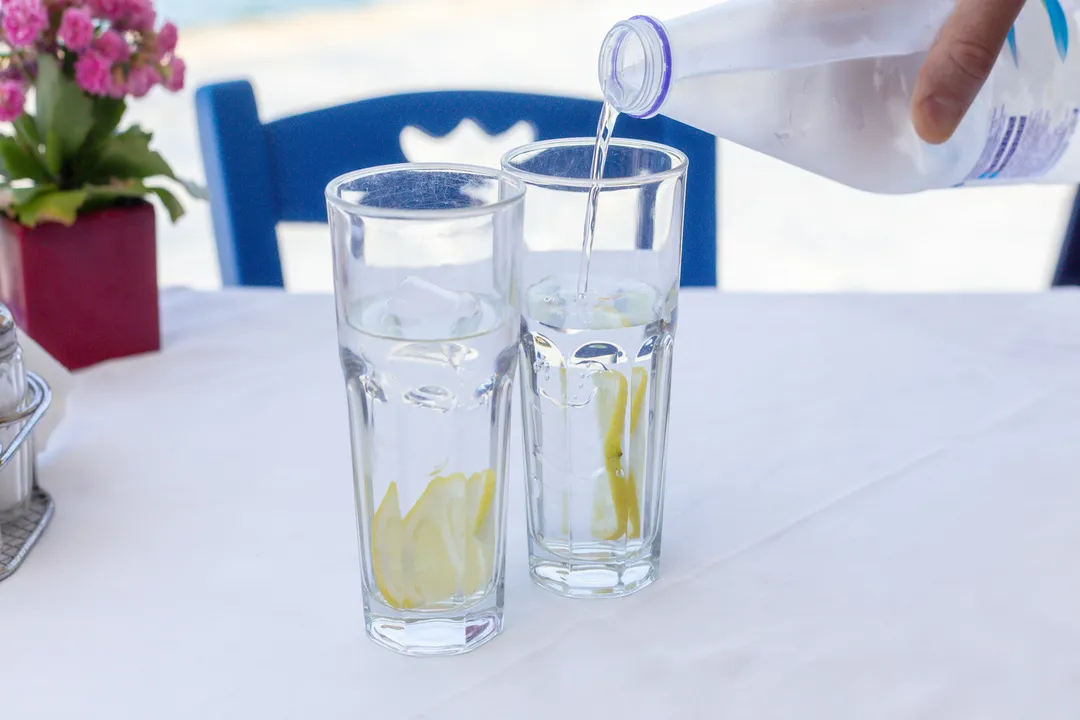
The prevalence of carbonated water across European dining tables and in daily life is often one of the first things visitors notice, sometimes prompting the question of just why this bubbly beverage holds such a firm grip on consumer habits [cite: Reddit/AskEurope]. For many people from regions where still water is the default, seeing a table order Sprudelwasser or eau gazeuse automatically is unusual, leading to curiosity about the deep-seated preference [cite: Quora]. This preference isn't a monolith; it's a complex interplay of historical norms, taste adaptation, and the diverse nature of the waters themselves.
# Water Varieties
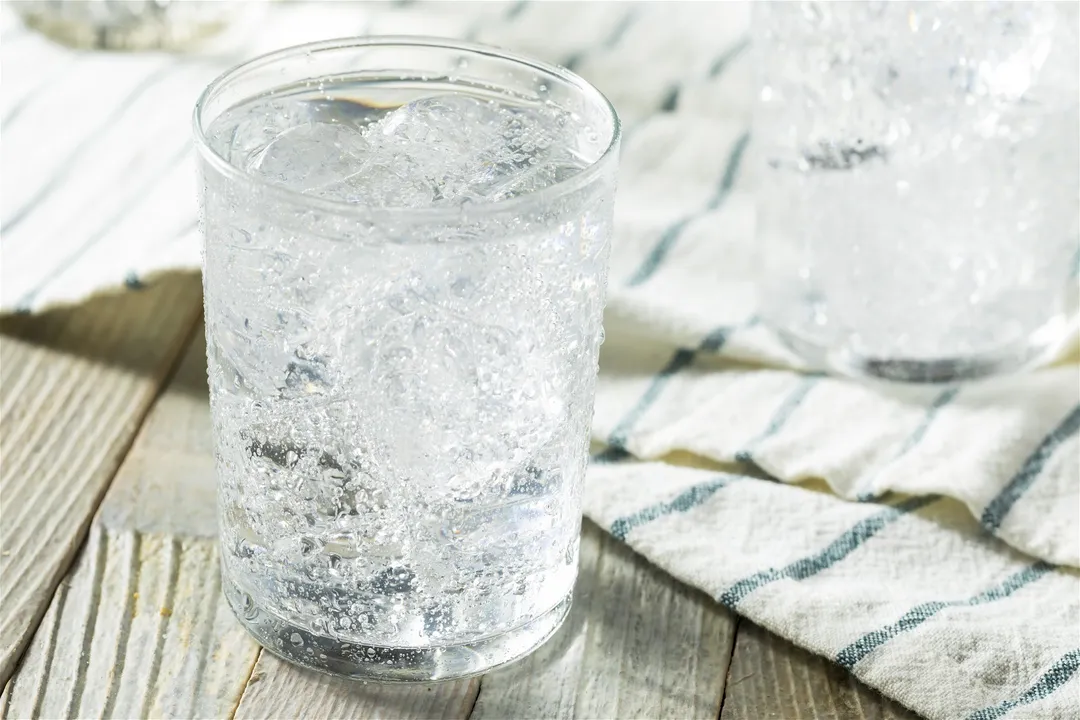
Understanding the European preference requires first recognizing the sheer variety available, which is far more structured than simply 'tap' or 'bottled' [cite: Mashed]. In many European countries, water isn't just water; it belongs to distinct categories, often regulated by law. For instance, one can typically choose between still water (plain bottled water) and sparkling water (carbonated) [cite: Wikipedia].
# Mineral Sources
A significant category that drives this trend is mineral water. True mineral water, particularly in places like Germany, is water sourced from underground reservoirs that has a stable, defined mineral composition [cite: GermanFoods]. These waters are often bottled directly at the source and must contain a specific content of minerals and trace elements, such as sodium or calcium, depending on the spring [cite: GermanFoods]. This intrinsic mineral content gives these waters a specific terroir or flavor profile, much like wine, which many consumers actively seek out over neutral-tasting alternatives [cite: Mashed]. While some mineral waters are naturally carbonated (containing dissolved from the earth), many are bottled still and then carbonated artificially before sale, or they are sold in both forms to cater to preference [cite: Wikipedia].
# Carbonation Levels
The level of effervescence itself becomes a point of differentiation. It is common to find different degrees of carbonation offered, ranging from lightly bubbly to intensely fizzy [cite: Explore]. This allows consumers to tailor the experience to their meal or mood. For someone accustomed to only heavy, artificially carbonated soft drinks, the subtle lift of a lightly sparkling natural spring water can be quite appealing, acting as a palate cleanser without the overwhelming sensation of a typical soda [cite: Reddit/ELI5].
# Cultural Habits

The roots of this widespread consumption often trace back to historical factors and established daily routines, making it an inherited preference for many Europeans [cite: Babbel].
# Tap Water Perception
One recurring observation from non-Europeans is the perceived difference in tap water quality, or at least the taste of it [cite: Quora]. In many parts of Europe, while tap water is generally safe to drink, the taste can vary significantly from region to region due to differences in local geology, aging infrastructure, or disinfection methods [cite: Quora]. For consumers skeptical of the local tap water taste—whether it is chlorinated or simply too 'hard' (high in minerals)—bottled water becomes the reliable default for hydration [cite: Babbel]. When one reaches for a bottle out of habit, choosing the effervescent option often seems like the more flavorful alternative to a bottle of still water, which may taste too similar to what is available from the faucet [cite: Reddit/AskEurope].
# Social Dining Norms
In several European cultures, particularly in Central Europe, ordering sparkling water is the norm in restaurants, rather than the exception [cite: Babbel][cite: Reddit/AskAGerman]. It’s integrated into the dining experience. If a table doesn't specify, the default response from a waiter might implicitly favor a carbonated option, or at least presenting a choice between still and sparkling is standard procedure, unlike in some other countries where soda or still water is the immediate default [cite: Babbel]. This normalization turns the choice from an active preference into a simple, unthinking selection [cite: Babbel]. For example, in Germany, there is a deeply ingrained habit of choosing Mineralwasser, often sparkling, that is tied to local customs and a general emphasis on specific food products [cite: Reddit/AskAGerman][cite: GermanFoods].
In considering the market dynamics, it's interesting to note that while North Americans might use at-home carbonation devices (like SodaStream) to create bubbles, many Europeans are purchasing water that has been carbonated naturally underground or specifically engineered at the bottling plant, suggesting a consumer expectation for consistency and mineral content that home devices often don't replicate [cite: Wikipedia]. This difference in approach—creation versus procurement—highlights a divergent relationship with carbonation itself.
# Physiological Effects
Beyond taste and tradition, some consumers report physiological reasons for preferring the bubbles, although these are highly subjective and not universally agreed upon [cite: Reddit/ELI5].
# Digestion Aid
Anecdotally, some individuals report that the carbonation aids in digestion or helps them feel fuller after a meal [cite: Reddit/ELI5]. This perception might be linked to the mild acid present in the carbonic acid, though others report the opposite—that the gas causes bloating and discomfort [cite: Reddit/ELI5]. This dual experience means that while some might choose it specifically for digestive comfort, others avoid it for the exact same reason, leading to a polarized market acceptance rather than universal preference based on health grounds alone [cite: Reddit/ELI5].
# A Sparkling Alternative
For those trying to reduce their intake of sugary sodas or fruit juices—a general health trend seen across the continent—sparkling water offers a satisfying alternative to plain water without introducing calories or sweeteners [cite: Babbel]. The bubbles provide a sensory mouthfeel that mimics the satisfaction of a fizzy drink, which can be crucial for maintaining a low-sugar lifestyle. This is arguably the most transferable reason for its adoption by health-conscious consumers moving away from traditional soft drinks [cite: Babbel].
To truly appreciate the European approach, one needs to look past the simple presence of and focus on the source and context. The carbonation often merely acts as a vehicle to deliver a preferred mineral profile, which is culturally validated and readily available across the entire retail landscape [cite: GermanFoods][cite: Mashed]. This pervasive availability creates a self-reinforcing loop: it is popular because it is available, and it is available because it is popular. The consumer environment dictates that you are more likely to be offered a choice between Agua con gas and Agua sin gas than you are to be asked, "Tap water, right?" [cite: Quora].
Related Questions
#Citations
why is sparkling water so popular in Europe, but not in North america
Why Is Sparkling Water All Over Europe? - Babbel
Why do most Europeans whom I've met prefer to drink sparkling ...
Visiting Europe? Expect To Drink Much More Sparkling Mineral Water
Carbonated water - Wikipedia
Germany's Love of Mineral Water - Germanfoods.org
Sparkling Water Is Kind Of A Big Deal In Europe - Mashed