How long should you boil water?
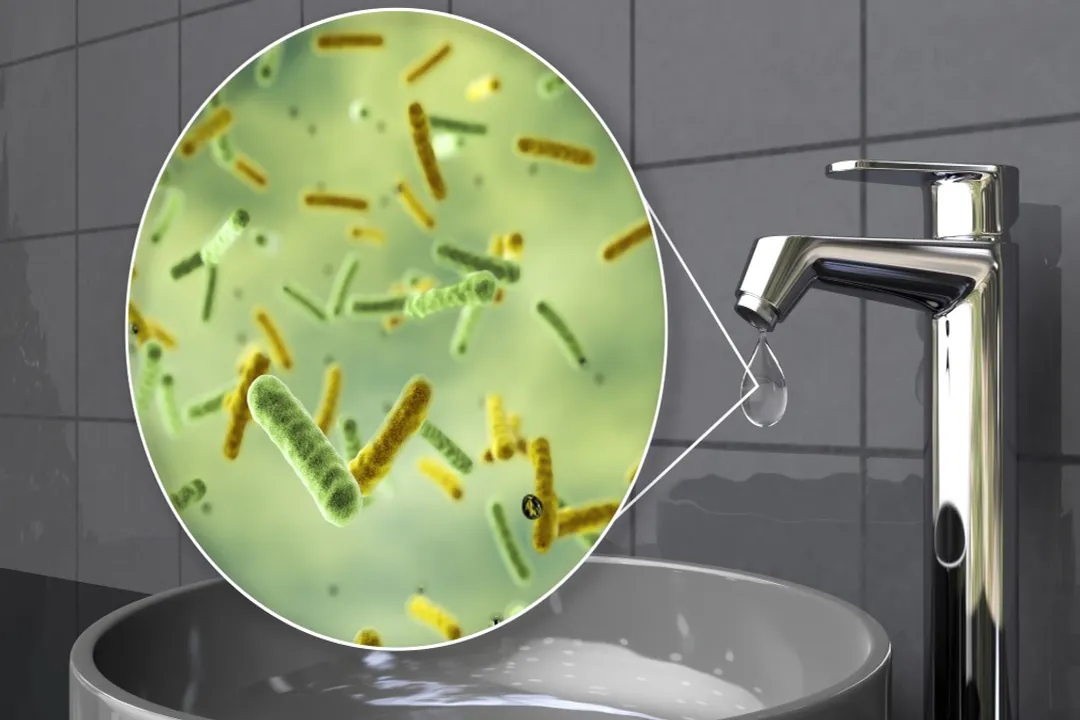
The most effective way to ensure that suspect water becomes safe for consumption hinges on applying sufficient heat for a determined period. When local officials issue a boil water advisory because of potential microbiological contamination—often due to low pressure, pipe breaks, or equipment failure—the primary tool for the public is boiling. [5][6][8] Boiling purifies water by destroying disease-causing agents like bacteria, viruses, and protozoans through heat. [6] However, the exact duration required is not universal; it depends on the location, the type of contaminant feared, and even the use for which the water is intended. [2][7]
# Rolling Boil

The first step in making water safe is achieving the correct state of agitation. Health agencies consistently specify that the water must reach a full rolling boil. [2][5][6][8] This phrase is more than just descriptive; it is a standard for communication intended to guarantee that the water has reached an effective pasteurization temperature. [7] A simple simmer or the appearance of small bubbles, sometimes called "fish-eye" bubbles, is explicitly insufficient because this visual cue does not confirm that all the water in the container has reached the critical temperature. [3] To properly time the disinfection, you should start the countdown only when you see steady streams of bubbles popping from the bottom of the pot. [6] When boiling on a stovetop, using manageable pot sizes and avoiding overfilling helps ensure the entire volume of water heats evenly. [2]
# Standard Time
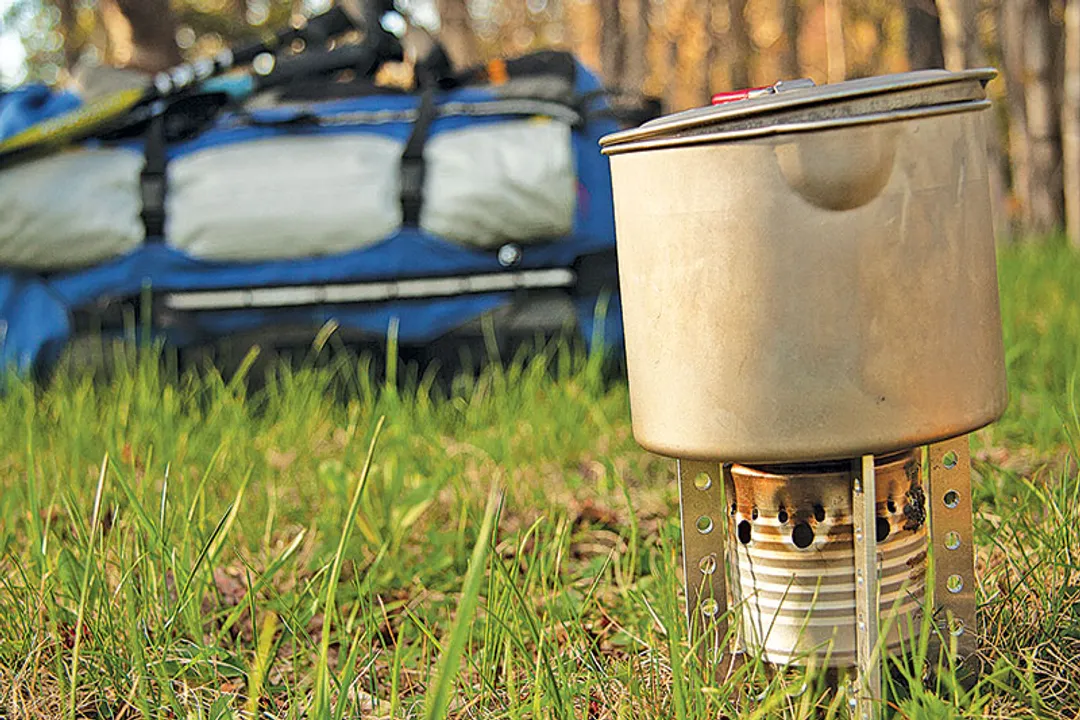
For water sources at or near sea level, the time recommendation is remarkably brief, provided the boil is vigorous. Most official guidance, including that from the Centers for Disease Control and Prevention (CDC), states that bringing the water to a rolling boil for a minimum of one full minute is the safest and most effective disinfection method for killing pathogens. [2][5][6] Some experts note that water temperatures above can kill virtually all common backcountry pathogens like Giardia and Cryptosporidia within 30 minutes, and at , they are dead in just a few minutes. [3] This suggests that the standard one-minute rolling boil provides a substantial safety margin well beyond what might be considered minimal pasteurization temperature. [7] For ultimate peace of mind, some seasoned outdoor practitioners suggest committing to that extra 60 seconds after the boil begins, viewing the small extra fuel cost as negligible compared to the benefit of certainty. [3]
# Altitude Effect
The time required for boiling water is directly tied to atmospheric pressure, meaning that a higher elevation demands a longer boiling duration. As elevation increases, the atmospheric pressure drops, causing water to boil at a lower temperature than the standard () at sea level. [3][4] For example, water boils at approximately on Mount Marcy in New York, which is over a mile high. [7] Because the lower temperature is less effective at rapidly inactivating all pathogens, the required contact time must increase. [3] The generally accepted standard is to extend the boil time to three minutes once a rolling boil is achieved for any location above 6,500 feet (or 2,000 meters). [3][4][5] Interestingly, one state authority in Utah suggests a minimum of five minutes of rolling boil, which suggests local guidelines can differ based on historical data or specific risk assessment within their jurisdiction. [1] When traveling to high-altitude regions, noting the local guideline—whether it is three minutes or five—is a crucial detail for ensuring complete pathogen deactivation. [1][3]
# Contaminant Type
While boiling is the public’s most reliable tool against biological threats, it is completely ineffective and potentially harmful when dealing with chemical contamination. A boil water advisory is typically issued for germs, but if the water source is contaminated with harmful chemicals, solvents, or toxins (such as those from an industrial spill or flood runoff containing fuel), boiling is strongly discouraged. [5][7] Boiling water containing these substances will not make it safe; instead, the process can actually concentrate the chemicals as the water evaporates or cause them to volatilize into the air, potentially increasing exposure risk through inhalation. [7] In such scenarios, officials advise immediately switching to commercially bottled water for all purposes, including drinking, cooking, and hygiene, until the water source is cleared of chemical hazards. [5]
# Hygiene Uses
The strictness of the required boil time often lessens when the water is not intended for ingestion, but precautions remain essential. For tasks like washing hands or doing laundry, using untreated tap water is generally deemed acceptable, though thorough scrubbing with soap is still necessary for handwashing. [2][6][8] However, any water that might accidentally be swallowed requires adherence to the full boil guidelines, including water used for brushing teeth. [2][8] Similarly, when preparing food, washing raw fruits and vegetables requires water that has been boiled for the specified duration or using bottled water; reheating food prepared with untreated water is advised as a secondary safety measure if you are unsure it was properly handled. [5][8] For dishwashing, while hot, soapy washing is the first step, rinsing with cooled, previously boiled water or using a dishwasher with a sanitizing cycle is recommended to address any lingering bacteria. [2][6] Infants and young children pose a higher risk during bathing because they might ingest water accidentally; sponge bathing is often recommended for them during an advisory period. [2][5]
# Cooling Factor
The time commitment does not end when the burner turns off. After achieving the necessary rolling boil for one to five minutes, the water must be allowed to cool before it can be safely used for drinking, cooking, or even washing infant formula bottles. [8] This cooling period is a critical, often overlooked step in the overall process. It is not uncommon for water to take 30 minutes or more to cool down sufficiently to a palatable or safe temperature for small children. [8] If you are preparing water during an emergency advisory, planning ahead by making a large batch of boiled water and setting it aside to cool is a necessary action to prevent the temptation of using it while it is still scalding hot, thus risking burns or scalds. [8] This means that while the actual disinfection time might be as short as 60 seconds, the total time elapsed before the water can serve its purpose is significantly longer.
# Toxin Remnant
Even when the time and temperature guidelines are followed perfectly for pathogen removal, there is a nuance that adds another layer to water safety, particularly in survival or highly contaminated scenarios. Boiling serves as a form of pasteurization, which kills or inactivates most microorganisms by damaging their essential life processes. [7] However, some sources caution that not all dangers are eliminated. Certain bacteria can leave behind toxic metabolic waste products—essentially, toxins—that can remain in the water even after the heat has destroyed the organisms themselves. [4] While government health agencies focus on the immediate threat of living pathogens and often state the one-minute boil is sufficient, this distinction between killing the germ and removing the toxin is important for readers assessing the overall quality of the water source. [4][7] For drinking water advisories, the primary concern is microbiological, making boiling the preferred treatment, but in situations involving extreme contamination, such as raw sewage, alternate, unboiled sources might be necessary if filtration is inadequate to handle the high particulate matter that can shield pathogens from the heat. [7]
For areas under a precautionary advisory, the risk is low, and the one-minute boil is generally accepted as sufficient to eliminate the immediate danger of illness, such as diarrhea or cramps, associated with typical waterborne bacteria. [2][8] When water quality is restored, residents are advised to flush their home pipes by running cold water for several minutes and discarding the first few batches of ice from refrigerator dispensers, ensuring any contaminated water left sitting in the plumbing is fully cleared. [6]
Related Questions
#Citations
How Long Should You Boil Water To Make It Safe To Drink?
How long do you have to boil water to make it safe? - Reddit
Boil Water FAQs – Drinking Water - Virginia Department of Health
Boil Water Response-Information for the Public Health Professional
Drinking Water Advisories: An Overview - CDC
FAQs • How does boiling water make it safe to drink? - City of Cocoa
Boil Water Order: Frequently Asked Questions (Utah DDW)
How to Boil or Disinfect Water - State of Michigan
Frequently Asked Questions About Boil Water Notices