How do you make sugar water?
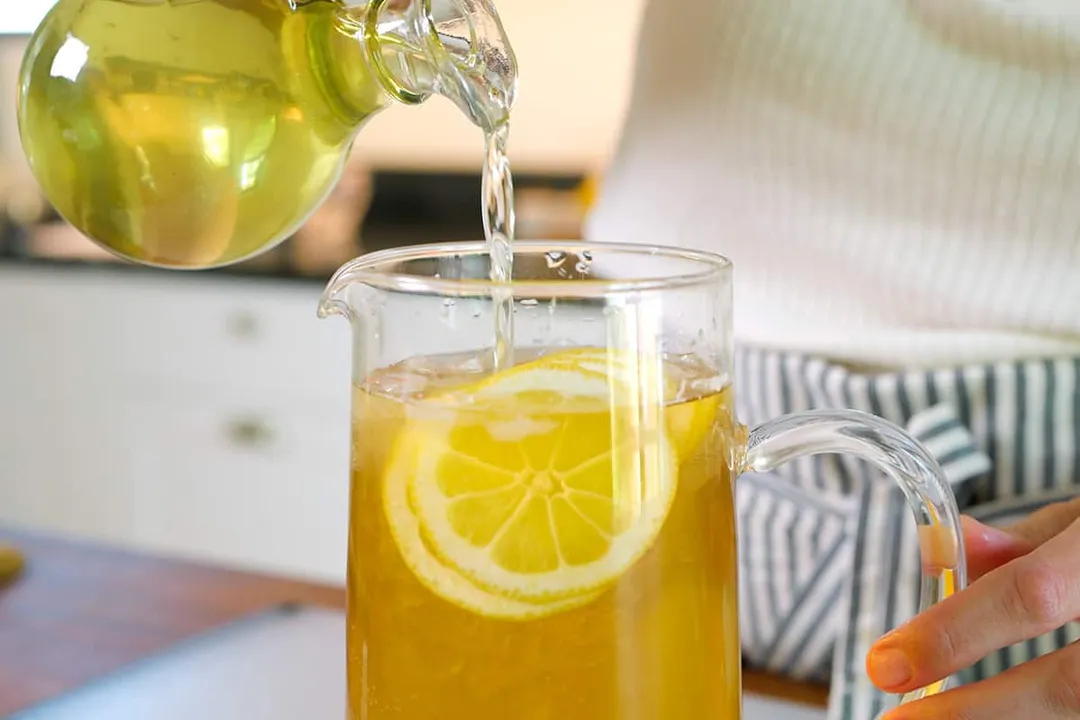
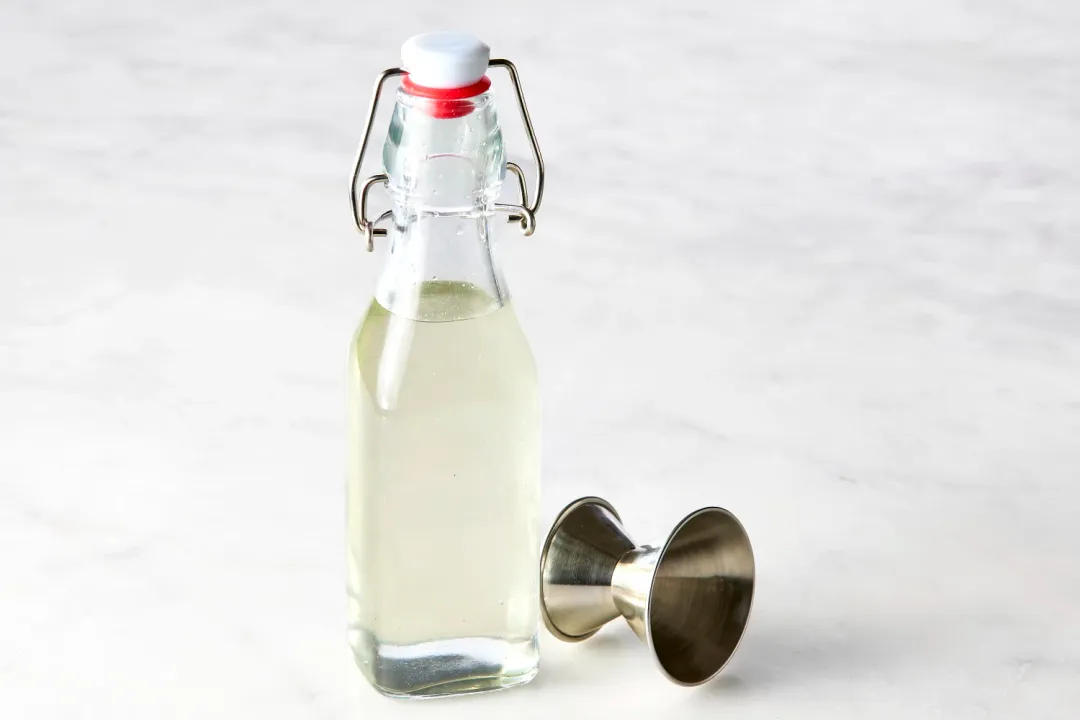
Making sugar water might sound like the simplest thing in the culinary world—just mix sugar and water, right? While that’s technically true for a basic solution, the difference between a gritty, inconsistent mix and a perfectly smooth, clear liquid suitable for professional cocktails or delicate baking often comes down to technique and ratio. Sugar water, often referred to as simple syrup when prepared for drinks or baking, is essential for sweetening beverages without leaving undissolved sugar granules at the bottom of the glass. [1][7] Getting the balance right ensures a consistent sweetness throughout whatever you are preparing. [3]
# Basic Ratios
The foundation of any good sugar water solution lies in the ratio of the two ingredients: sugar and water. [4] The most common and versatile preparation is the 1:1 simple syrup, which consists of equal parts granulated sugar and water by volume. [1][3][7] This mixture is excellent for general sweetening, such as adding to iced tea or coffee, where a moderate sweetness level is desired, and it dissolves easily. [2][7]
However, for applications demanding a higher concentration of sweetness, or for colder drinks where dilution from ice is a factor, a richer syrup is often preferred. This is known as rich simple syrup, which uses a 2:1 ratio—two parts sugar to one part water. [1][3][4] This creates a thicker, more viscous liquid that is intensely sweet, making it a favorite in bar settings. [2][7]
When you are scaling your batch, keep in mind how the ratio affects the final yield. If you start with one cup of water and one cup of sugar (1:1), your final liquid volume will be slightly less than two cups because the sugar crystals take up space when dissolved. [1] For example, using one cup of water and two cups of sugar (2:1) results in a heavier, denser syrup because the sugar molecules are packed more closely together in the available water volume. [10] This density difference is noticeable when pouring and mixing, and it dictates how much you need to use to achieve the same level of sweetness as the 1:1 version.
# Preparation Methods
While you can simply stir sugar into room temperature water and wait, this often results in a layer of undissolved sugar at the bottom, especially with larger batches or when using the richer 2:1 ratio. [3][6] Heat is the great accelerator for dissolution.
# Cold Dissolution
For very small quantities, such as sweetening a single glass of lemonade or making a quick, tiny boost of sweetness, stirring cold water and sugar together will eventually work. [3] You must stir vigorously and continuously for several minutes until the solution is perfectly clear. [3] This method is fast for a single serving but impractical for making a usable batch to store, as the sugar tends to re-crystallize upon standing. [1]
# Heating Ingredients
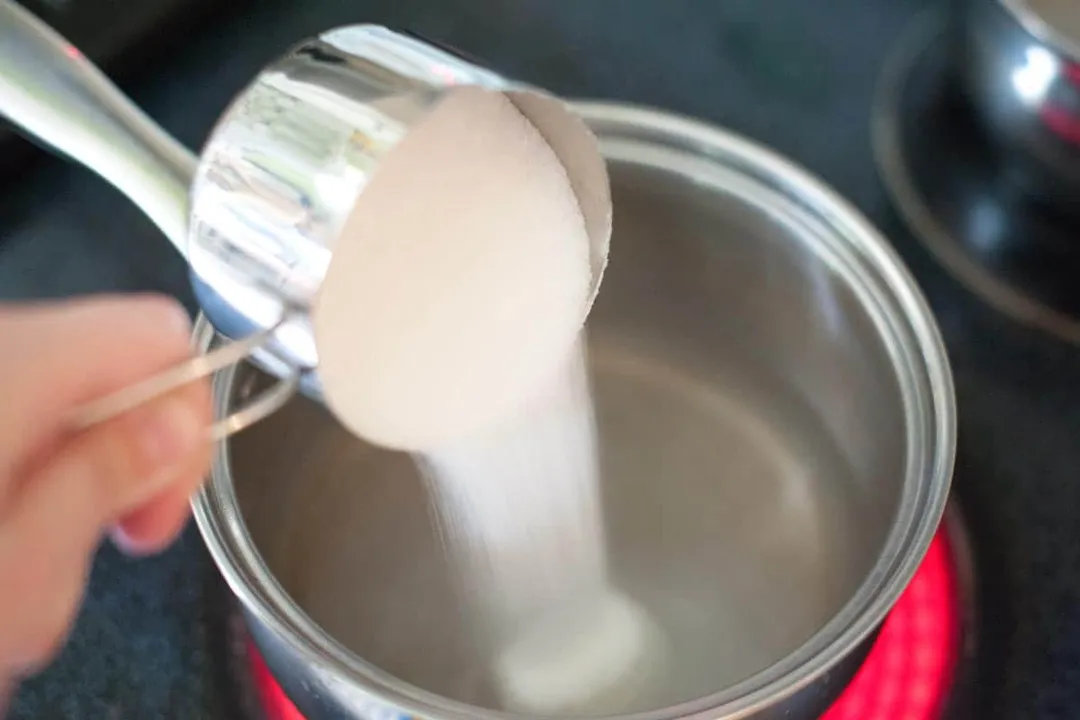
The most reliable method involves gentle heating. [4][7] Begin by combining your chosen amounts of sugar and water in a saucepan. [1][4] The typical starting point is one cup of sugar and one cup of water for the basic 1:1 syrup, or two cups of sugar to one cup of water for the rich version. [1][7]
Place the saucepan over medium heat. [4] You need to stir the mixture consistently as it heats up. [2][9] The goal is not necessarily to bring the mixture to a rolling boil, but rather to heat it just enough so that all the sugar crystals disappear. [1][4] For the 1:1 ratio, this usually happens quickly, often before the liquid even reaches a simmer. [7] Once the liquid is completely clear and no grains are visible at the bottom or sides of the pan, remove it from the heat immediately. [1][2]
If you are making the 2:1 rich syrup, you may need to let it simmer briefly after the sugar dissolves to allow some of the water to evaporate. This evaporation concentrates the syrup, ensuring it remains thick even after cooling. [1][10] However, boiling too long will lead to excessive water loss, resulting in a syrup that is perhaps too thick and may crystallize faster once it starts cooling. [4] A gentle simmer for a minute or two after dissolution is usually sufficient for the rich version.
# Ingredient Variations
While standard white granulated sugar is the go-to ingredient for a neutral-flavored syrup, you can substitute it to change the flavor profile of your sugar water. [1][9]
# Sweetener Choice
- Granulated Sugar: This is the standard choice for clear, neutral syrups used in cocktails or for moistening cakes, as it dissolves cleanly and has no overpowering flavor. [1][7]
- Brown Sugar: Using brown sugar (light or dark) will result in a caramel-toned syrup with a molasses flavor. [1] This is fantastic for adding depth to fall cocktails or drizzling over pancakes, but it will discolor anything you add it to, so it’s not ideal for light-colored drinks or clear glazes. [1]
- Turbinado or Demerara: These raw sugars provide a slight, pleasant toffee note. Because they contain trace impurities, they may not dissolve quite as clearly as white sugar, but they impart a lovely, subtle flavor. [1][9]
# Flavor Infusions
Sugar water is an excellent base for infusions, turning simple syrup into something special. [7] You can infuse flavor while you heat the mixture or while it cools. A very straightforward way to add flavor is by adding aromatics to the hot syrup just as you remove it from the heat, allowing the mixture to steep as it cools down. [7]
For example:
- Citrus: Add strips of lemon or orange zest (avoiding the white pith) for a bright note. [1]
- Herbs: Toss in a few sprigs of mint, rosemary, or thyme for a garden-fresh taste. [7]
- Spice: A cinnamon stick or a few crushed cardamom pods can create a warm syrup perfect for seasonal drinks. [2]
After steeping for 30 minutes to an hour (or longer for very subtle flavors), always strain the solids out before bottling the syrup. This keeps the final product clean and prevents bits from floating around in your finished drink. [1]
# Storage and Shelf Life
Once your sugar water or simple syrup has been prepared, it needs to be cooled completely before storage. [4] Pour the syrup into a clean, airtight container. [2] Glass jars or bottles are generally preferred over plastic for long-term storage, though plastic squeeze bottles are convenient for bar use. [1]
Store the container in the refrigerator. [4] The shelf life varies significantly based on the ratio used:
| Syrup Type | Sugar to Water Ratio | Typical Refrigerated Shelf Life | Notes |
|---|---|---|---|
| Basic Syrup | 1:1 | About 3 to 4 weeks [1][4] | Requires watching for cloudiness or off-smell. |
| Rich Syrup | 2:1 | Up to 6 months or longer [1][4] | The higher sugar content acts as a preservative. |
If you notice the syrup becoming cloudy, developing mold, or smelling sour, discard it immediately. [4] If you used an infusion, like fresh ginger or herbs, the shelf life might be shorter, perhaps closer to two weeks, as the organic material can introduce bacteria faster. [1]
# Specific Use Cases
The preparation technique subtly shifts depending on the intended use of the sugar water.
# Cocktails and Mixed Drinks
For cocktails, the goal is total, rapid integration and consistency. [6] Professional bartenders almost exclusively rely on simple syrup, usually the 1:1 version unless a specific recipe calls for a richer texture. [1][2] Since cocktails are often served cold, using room-temperature or cool syrup ensures you don't melt the ice too quickly and over-dilute the drink upon mixing. [6] If you make a large batch of 1:1 syrup and store it in the fridge, it will become quite viscous. Remember that cold syrup is thicker, so your measurement might need to be slightly adjusted, or you might need to let it sit on the counter for five minutes before pouring. [1]
# Baking and Cakes
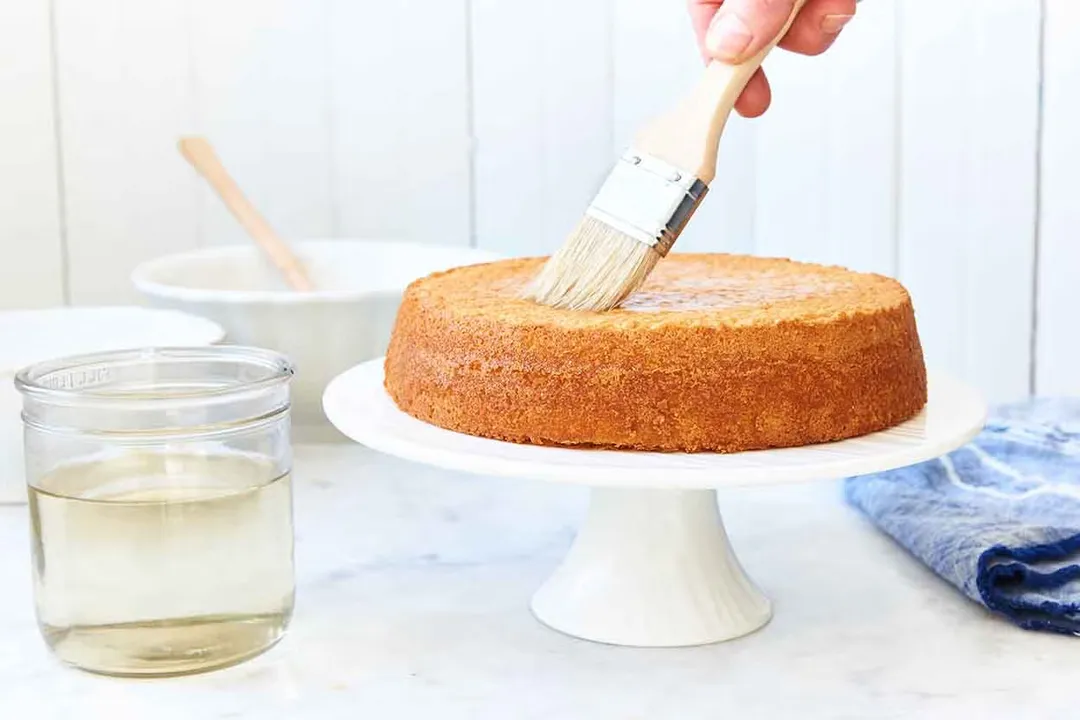
In baking, sugar water is often referred to as a simple syrup glaze or soak. [7] This is particularly useful for moistening drier cakes, like sponge or genoise, or adding a touch of sweetness to the exterior of baked goods. [7][9] When making a syrup intended to soak into a cake, you might prefer a very thin 1:1 ratio, or even slightly more water than sugar, to ensure it penetrates the crumb easily without making the exterior sticky. [7] For a stronger, flavored soak, infuse the hot syrup with vanilla bean or citrus zest, strain well, and brush it onto the cooled cake layers generously. [7]
# Feeding Honey Bees
An entirely different, yet common, application for sugar water is feeding honey bees, particularly in the early spring or late fall when natural nectar sources are scarce. [10] For beekeeping, the standard ratio is often a 1:1 mix, similar to basic simple syrup, applied warm. [10] However, some beekeepers argue for a richer 2:1 syrup when trying to simulate winter stores or encourage colony building, as the bees expend less energy evaporating the excess water. [10] When using it for bees, never use honey in the mix, as introducing honey can spread bee diseases like foulbrood. [10] Only use plain granulated white sugar and clean water. [10]
# Avoiding Common Pitfalls
The main obstacle when making sugar water is achieving a perfectly clear solution that stays dissolved. [1]
# The Crystallization Problem
Sugar molecules, especially at high concentrations, prefer to bond back together into crystals rather than remaining suspended in water. This is crystallization, and it can ruin a smooth syrup. [4] It often happens as the syrup cools or if it is stored improperly. [1]
To minimize this risk, especially with the rich 2:1 syrup:
- Use a clean vessel: Any stray sugar crystals clinging to the side of the mixing bowl or spoon can act as a "seed" for the entire batch to crystallize around. [1] Wipe down the sides of the pan with a wet pastry brush while heating to wash any stray grains back into the solution. [1]
- Don't overheat: Once clear, remove the syrup from the heat immediately. Prolonged boiling reduces the water content too much, making the solution supersaturated and unstable as it cools. [4]
- Consider an acid (Editor's Note): Although many standard recipes skip this, adding a tiny pinch—perhaps 1/8 teaspoon—of cream of tartar or a few drops of lemon juice per batch can significantly inhibit crystallization, even in the 2:1 ratio. [2] The acid slightly changes the pH, making it harder for the sucrose molecules to link up into lattices. This is a common trick in candy-making that translates perfectly to rich simple syrups.
# Water Measurement Precision
When making the 2:1 syrup, it's tempting to just use a measuring cup for both ingredients. However, because sugar takes up physical space, using two measured cups of sugar with one measured cup of water yields a syrup that is denser than a true 2:1 mass ratio. For applications where precise viscosity matters, like high-end cocktail making, weighing the ingredients is far more accurate than measuring by volume. [10] A 2:1 mass ratio (e.g., 200 grams of sugar to 100 grams of water) will always produce a more consistent, predictable syrup than volume measures, though volume is acceptable for general home use. [1] Getting the ratio right ensures that your sweetness levels remain constant from batch to batch, which is a key tenet of reliable recipe replication. [6]
In essence, preparing sugar water is less about brute force mixing and more about understanding the physical chemistry involved. Whether you need a thin, neutral liquid for soaking cake layers or a thick, stable syrup for a bar, controlling the heat, sticking to the right ratio, and ensuring a clean dissolution process are the keys to success. [7]
#Videos
HOMEMADE THICK SUGAR SYRUP - YouTube
Related Questions
#Citations
Homemade Simple Syrup Recipe - Inspired Taste
Simple Syrup Recipe (Easiest Ever) - The Kitchn
How to Make Sugar Water (with Pictures) - wikiHow
Simple Syrup Recipe - Allrecipes
What is the recipe for sugar water used on cakes before decorating?
How to simple syrup for beginners? : r/cocktails - Reddit
5 Minute Simple Syrup Recipe (For Cakes, Cocktails, Drinks)
HOMEMADE THICK SUGAR SYRUP - YouTube
Simple Syrup Recipe | King Arthur Baking
Sugar Syrup Recipe - The Bee Supply