What is the cheapest meal to make on a budget?
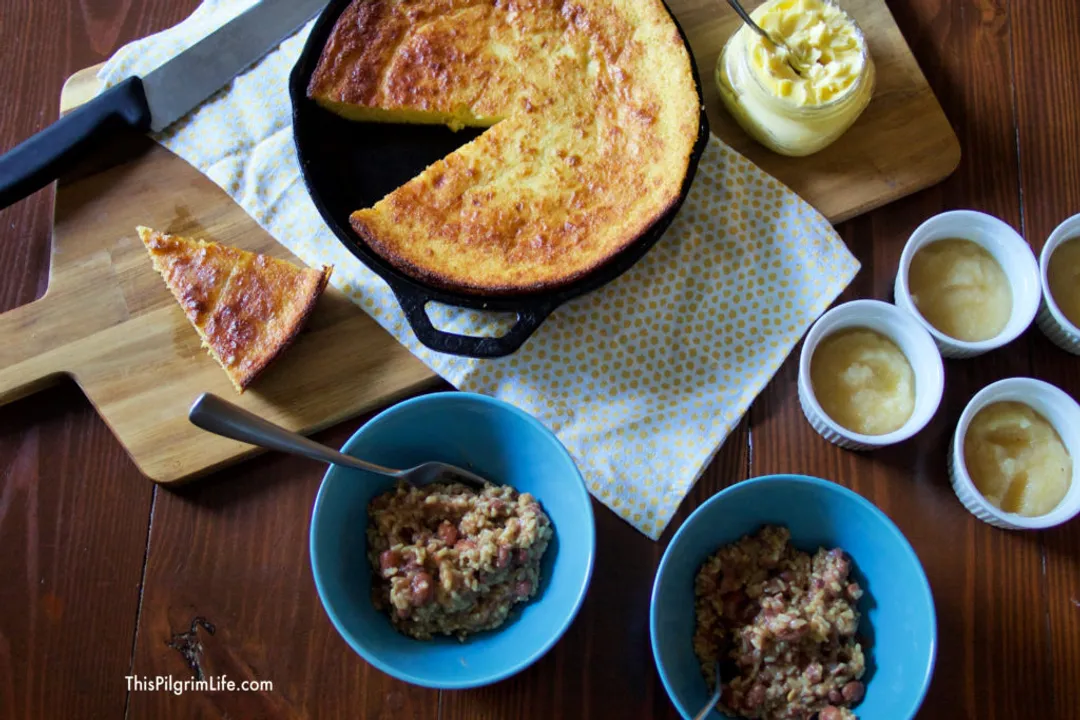
The search for the absolute cheapest meal often leads down a rabbit hole of single-ingredient suggestions, but a truly budget-conscious answer requires looking at meals built from the lowest cost-per-serving building blocks available in any pantry. When communities dedicated to frugal eating compare notes, a few core staples consistently rise to the top, forming the foundation of sustenance for pennies per person. [1][2] It quickly becomes clear that the true cheapest meal isn't a single recipe, but a method centered on maximizing nutrition from dry goods.
# Core Staples
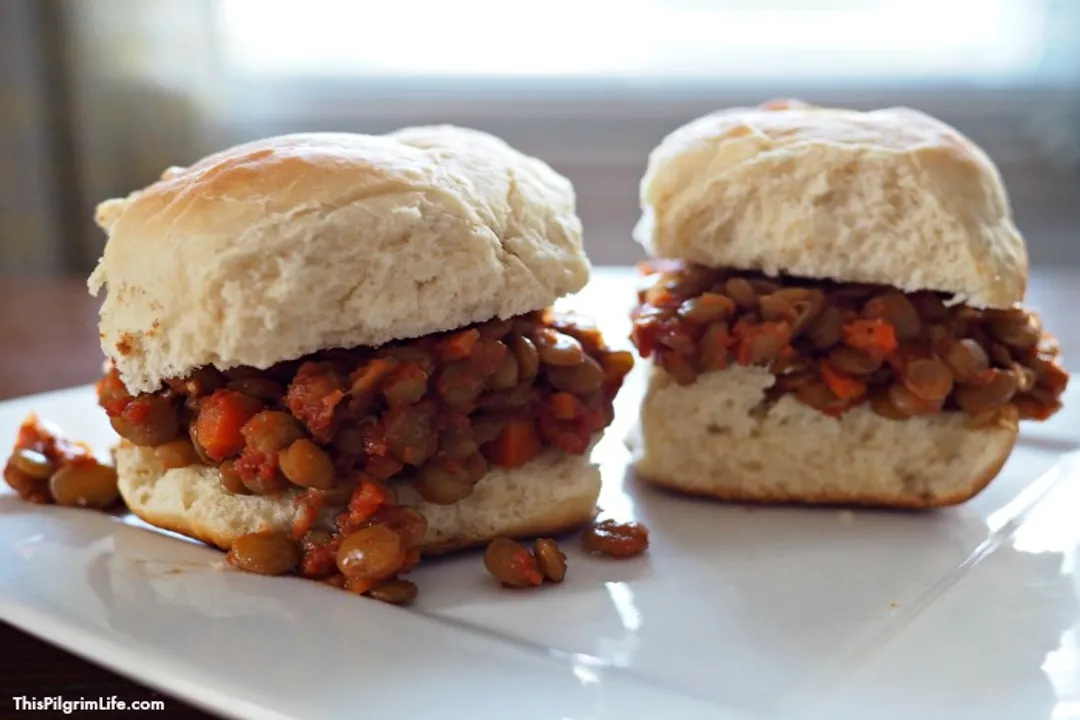
The cheapest meals are almost universally built around ingredients that require minimal processing and are purchased in their driest form. This dramatically reduces the price point compared to pre-cooked or canned alternatives. [8]
# Legumes and Grains
If one ingredient must claim the title of the cheapest base, it is often a pairing: dried beans or lentils paired with rice. [1][7] These items offer incredible nutritional density—protein, fiber, and complex carbohydrates—for an almost unbelievably low monetary outlay when bought in bulk bags rather than smaller packages. [3]
For instance, dried lentils are frequently highlighted. They require no pre-soaking, slashing preparation time, making them a quick, cheap weeknight dinner option when cooked down into a soup or dal. [1][9] Similarly, dried black beans, while requiring soaking and longer cooking, can stretch incredibly far. One user suggested that a large pot of seasoned black beans can feed a family for days on a minimal investment, often costing less than a dollar for the entire batch before factoring in spices. [7]
Rice, particularly long-grain white rice or brown rice if a slightly higher nutritional profile is acceptable for a negligible price increase, is the perfect counterpoint to beans and lentils. When cooked correctly, the volume of food produced from one cup of dry rice is substantial, making the cost per serving negligible—sometimes estimated at less than ten cents per serving when purchased in larger quantities. [2]
# The Versatility of Eggs
Eggs stand out as a non-grain, non-legume champion of cheap eating. They are a complete protein source, and when purchased by the flat or case, the price per egg can be surprisingly low. [5][6] For breakfast, lunch, or a quick dinner—often referred to as "breakfast for dinner"—eggs provide an immediate solution to hunger. Simple preparations like scrambled eggs, fried eggs over toast, or incorporating them into a basic fried rice are fast and require few other expensive components. [3][4] Some suggestions revolve around dishes like huevos rancheros or simple egg-and-cheese sandwiches, where the egg does most of the heavy lifting nutritionally and texturally. [1]
# Potatoes and Onions
Potatoes and onions are frequently cited as the backbone of low-cost meals, especially when looking to feed multiple people affordably. Potatoes are incredibly versatile, filling, and cheap when bought in five- or ten-pound bags. [8] A simple baked potato, dressed minimally with salt, pepper, and perhaps a knob of butter or a splash of vinegar if available, becomes a substantial meal base. [4] Mashed potatoes or a simple potato soup, which can be thickened further with milk powder or a small amount of flour, are classic ways to bulk up a meal without adding significant cost. [6] Onions and garlic, though bought less frequently than rice or beans, are the essential flavor anchors that can transform plain staples into something satisfying. [5]
# Crafting the Cheapest Meals
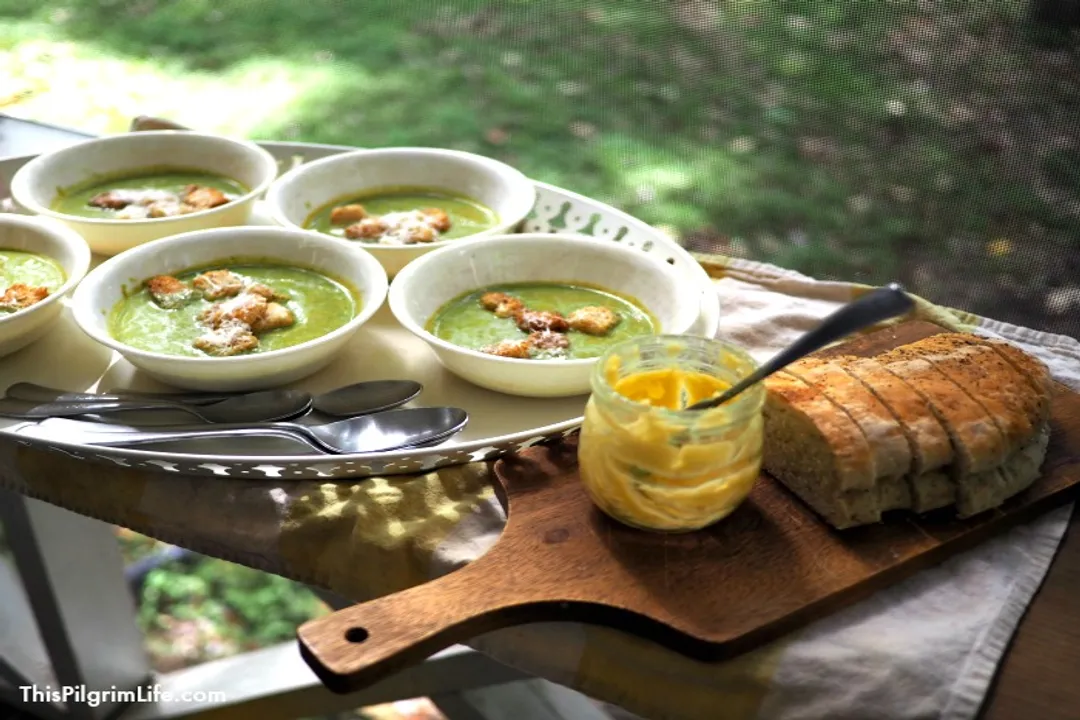
Moving from raw ingredients to actual meals requires combining these staples in ways that maximize flavor without introducing costly extras.
# Beans and Rice Variations
The simple combination of beans and rice is a global standard for budget eating, but staying motivated requires variety.
- Seasoned Rice and Beans: The key here is building flavor cheaply. Instead of using expensive broths, cooks often rely on dried spices like cumin, chili powder, onion powder, and garlic powder. [9] If budget allows for a small amount of tomato paste or a single bouillon cube, this can be added to the cooking liquid for the beans to create a richer sauce, which is then spooned over the rice. [2]
- Lentil Soups and Stews: Lentils cook down beautifully, naturally thickening any liquid. A very basic lentil soup requires little more than dried lentils, water, salt, pepper, a chopped onion, and perhaps a carrot if one is on sale. [1][8] This results in a high-volume, nutrient-dense meal that reheats well, which is a significant advantage for single cooks or small households looking to minimize waste. [3]
- Simple Bean Dips/Spreads: Refried beans don't have to come from a can. Cooked beans can be mashed with a fork or blended with a little cooking liquid, salt, and pepper to create a spread for toast or tortillas, offering a hearty alternative to peanut butter if that item is currently overpriced. [7]
# Pasta as a Bulk Filler
Pasta is another staple that expands dramatically when cooked, making it excellent for stretching ingredients. While meat sauces can be costly, pasta shines in its simplest forms. [5]
- Cacio e Pepe Style: This classic Roman dish translates perfectly to the extreme budget. It traditionally requires only pasta, black pepper, and Pecorino Romano cheese. On a tighter budget, a similar effect can be achieved by reserving a small amount of the starchy pasta water, mixing it vigorously with a tablespoon of flour (to mimic the starchiness) and salt/pepper, and coating the cooked noodles. [1] The starch is what creates the creamy emulsion, not necessarily the expensive cheese. [5]
- Garlic Oil Pasta (Aglio e Olio): If you have basic cooking oil, garlic, and dried red pepper flakes, you have a full meal base. Sautéing the garlic slowly in the oil until fragrant (not burned) and tossing it with spaghetti provides a surprisingly satisfying meal that relies almost entirely on pantry staples. [4]
# Integrated Cost Analysis
To truly understand where the savings lie, it helps to compare common budget purchases based on cost per edible serving, assuming standard US supermarket pricing in bulk where possible.
| Ingredient Category | Cheapest Format | Estimated Cost Per Serving (Relative) | Primary Benefit |
|---|---|---|---|
| Legumes | Dried Beans/Lentils | Very Low (1x) | Protein and Fiber |
| Grains | Bulk Rice | Lowest (0.5x) | Calorie Density/Base |
| Vegetable Protein | Eggs (by the dozen) | Low (2x) | Complete Protein/Speed |
| Root Vegetable | Potatoes (bulk bag) | Low (1.5x) | Volume/Satiety |
The efficiency of pairing the lowest tier (Rice) with the next tier up (Dried Beans/Lentils) is the mathematically cheapest path to a balanced meal. [7] While canned beans are convenient, the cost of the can and the water content mean they are often 2 to 3 times the cost per serving compared to their dried counterparts. [3]

# Minimizing Waste and Shopping Smart
The cheapest meal isn't just about the initial price tag; it's about what you don't throw away and how efficiently you shop. This involves a shift in mindset from recipe-following to ingredient-management.
# The Freezer as a Friend
When budget shopping yields an exceptional sale on items that do spoil, like large packs of discounted chicken thighs (if supplementing the staples) or even just bulk vegetables like onions or carrots, the freezer becomes your greatest tool. [6] If you find yourself with a surplus of fresh bread nearing its end, slicing it thinly and freezing it creates instant croutons for soup or bread crumbs, preventing waste that effectively cancels out the initial savings. [8] Planning meals around batch cooking—making a huge pot of lentil soup or chili that can be frozen in single-serving portions—ensures that every cooked calorie is eventually consumed, which is a key tenet of staying under budget. [9]
# Flavor Anchors Over Ingredient Volume
One area where budget cooking often fails is in flavor fatigue. People get tired of plain rice and beans quickly. The key insight here is investing a small, infrequent portion of the budget into flavor anchors that last a long time. Think about items like dried herbs (oregano, basil), potent spices (cumin, turmeric), and vinegar (white or apple cider). [5] A quart of vinegar might seem like an odd purchase, but a splash of vinegar in plain water while cooking beans or in the final dressing for a potato salad adds necessary acidity and brightness, making the meager ingredients taste intentional rather than simply cheap. [4] This small upfront cost prevents the need to buy expensive, pre-made sauces or condiments later on.
# Stretching Protein Portions
When incorporating animal protein, even sparingly, the focus must be on extending its volume. If a recipe calls for ground meat, stretching it with cooked, finely mashed beans or oats is a proven technique circulated in frugal cooking circles. [1][6] For example, in a chili or taco filling, replacing half the meat with cooked lentils or black beans maintains texture and bulk while significantly cutting the cost of that meal, as meat is almost always the most expensive component. [2] This approach respects the goal of making the cheapest meal while still delivering a satisfying texture and flavor profile. [8]
# Budget Cooking Checklists
To ensure success when aiming for the lowest possible cost, a simple checklist can prevent impulsive, budget-busting purchases.
# The Five-Ingredient Meal Test
Before declaring a meal "budget-friendly," verify that it passes a strict ingredient review. Does the core of the meal rely on five or fewer shelf-stable, low-cost ingredients?
- Base Grain/Starch (Rice, Pasta, Potato) [4]
- Protein Source (Dried Beans, Lentils, Eggs) [7]
- Aromatics (Onion, Garlic) [5]
- Fat (Oil or Butter/Margarine) [3]
- Flavor Enhancer (Salt, Vinegar, or Cheap Spice Blend) [8]
If the meal requires multiple fresh vegetables or expensive pre-packaged sauces to taste good, it likely fails the "cheapest meal" test and should be reserved for days when the budget allows a slight increase in spending. [2]
# Utilizing Water Volume
A less-discussed aspect of cheap cooking is understanding how water affects both cooking time and final yield. When making soups or stews from dried legumes, using the exact right amount of water is crucial. Too little, and you burn the food, wasting the ingredients. Too much, and you dilute the flavor, forcing you to compensate later with more spices or salt, which can be costly or unhealthy. [9] For pasta, overcooking slightly and using a generous amount of the starchy cooking water is the secret weapon for creating creamy coatings without needing cheese or cream, as demonstrated in several simple pasta techniques shared online. [1] The water itself becomes an ingredient that thickens and binds the dish. [5]
# Local Sourcing Insight
While general advice points to bulk bins, the absolute cheapest component might change depending on local agricultural cycles or specific store sales. For example, if you live in an area where root vegetables like carrots, parsnips, or sweet potatoes are grown locally, the price difference between a five-pound bag of potatoes and a five-pound bag of sweet potatoes might be negligible during peak harvest season. [6] In that specific scenario, temporarily substituting sweet potatoes for white potatoes in soups or mashes might actually lower your cost-per-serving for that week, even though potatoes are the generally accepted budget standard. [8] This opportunistic purchasing, knowing which staple is currently undervalued at your local market, is where true expertise in budget eating comes into play, moving beyond generic advice to tailored savings. [9]
Ultimately, identifying the cheapest meal involves embracing humility in flavor complexity while maximizing staple density. It’s the foundation of rice and beans seasoned simply, the satisfying density of a lentil stew, or the fast protein hit of an egg on toast. The consistency across all frugal cooking discussions is that the cheaper the item is before you start cooking, the cheaper the final plate will be. [1][7]
#Videos
39 Meals For $20 | Quick & EASY Cheap Meal Ideas | Julia Pacheco
Cheap & Delicious Fall Dinners Under $10 | Julia Pacheco - YouTube
Related Questions
#Citations
i need some of the cheapest meals you guys can give me, as many ...
Budget meal ideas under $15 - Facebook
39 Meals For $20 | Quick & EASY Cheap Meal Ideas | Julia Pacheco
Cheap Family Meals Under $10 - Julia Pacheco
My 20-Ingredient Grocery List Makes 15 (!) Cheap & Easy Dinners ...
25 Budget-Friendly Meals People Swear By - BuzzFeed
What is the cheapest home meal you can make with a dollar budget?
75+ Budget-Friendly, Frugal Meal Ideas - This Pilgrim Life