What is the secret to making a good omelette?
The perfect omelette is often cited as the true litmus test for a cook’s proficiency, a seemingly simple assemblage of eggs that cruelly exposes any lack of attention to detail or timing. Achieving that flawless, delicate result—whether it’s the smooth, pale French cylinder or the hearty, half-moon American fold—is less about a single secret ingredient and more about mastering a series of micro-decisions made in rapid succession on the stovetop. The first key decision is recognizing the style you aim for, as the techniques diverge significantly: the classic French version demands a creamy, barely-set interior with absolutely no browning, while the American style embraces a slightly golden crust and a fluffier texture. Understanding this difference in desired outcome dictates everything that follows, from how vigorously you beat the eggs to the heat level you apply.
# Egg Preparation
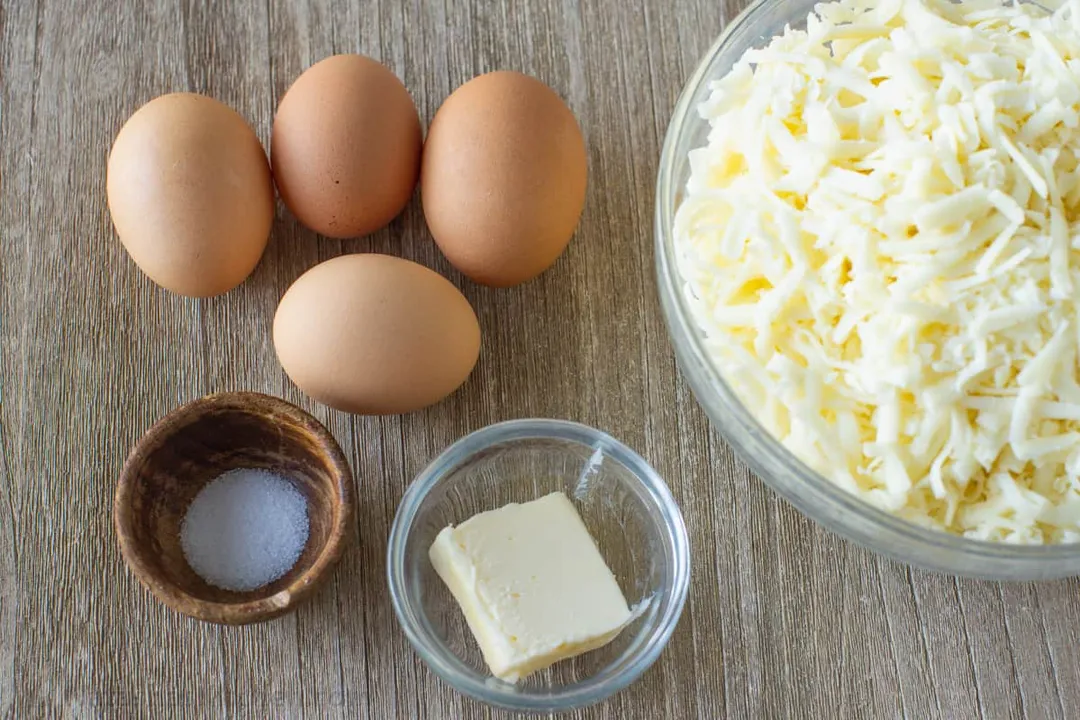
For any omelette, the foundational step starts with the eggs themselves. While there is room for personal preference regarding flavor, many cooks find that sticking to a standard serving size of two or three large eggs keeps the preparation manageable, particularly for home cooking where one giant omelette often results in an uneven cook or a disastrous flip.
# Beating Consistency
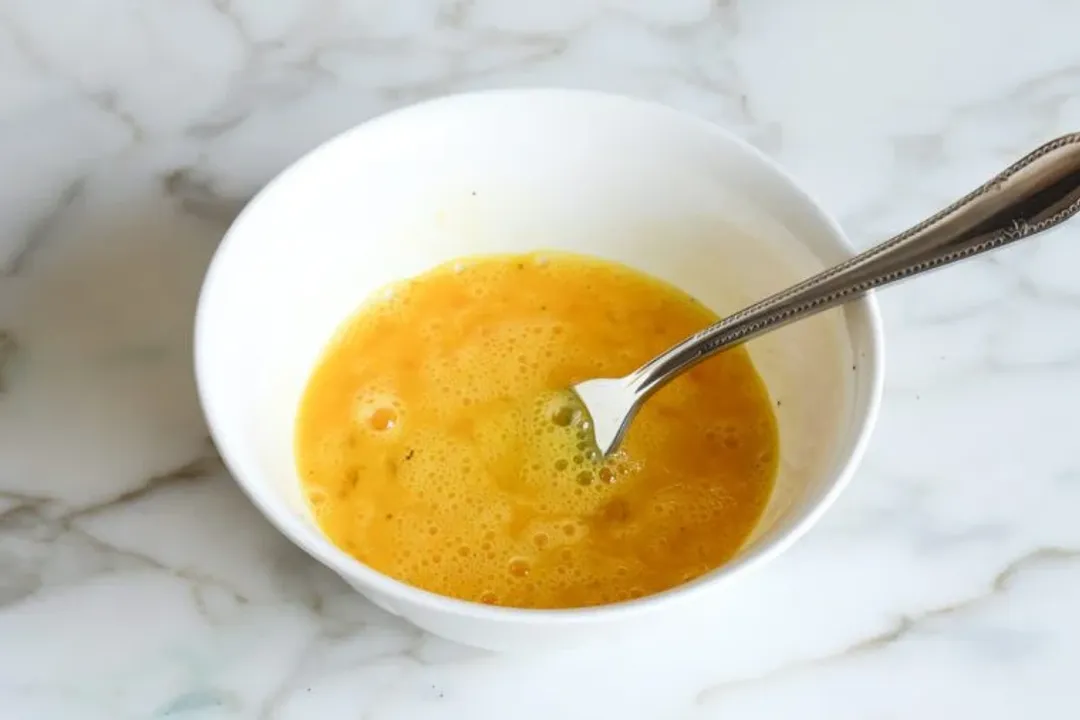
The method of incorporating air into the eggs generates some debate among experts. Some advocate for a vigorous beating using a fork or whisk until the mixture becomes noticeably foamy or frothy, believing the resulting air bubbles contribute to a lighter, puffier rise. Conversely, others caution against over-aeration, suggesting that too many bubbles can cause the egg mass to cook unevenly or more slowly. A middle ground, favored by some for achieving tenderness, is to barely blend the eggs until the white and yolk are just homogeneous, avoiding any visible streaks.
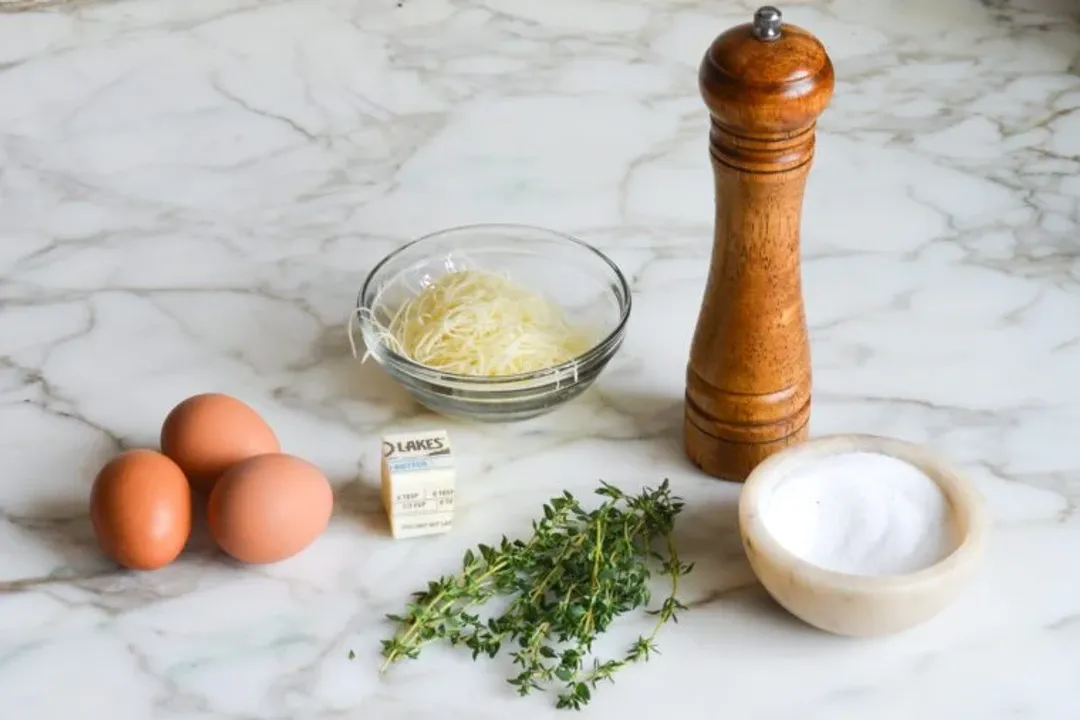
A technique supported across several styles involves seasoning early. Adding a pinch of salt to the raw eggs before whisking is said to help the proteins bind less tightly, leading to a softer, more tender final texture. Adding pepper at this stage is sometimes discouraged, as it can pool unattractively at the bottom of the cooked egg before folding.
# The Liquid Element
The inclusion of an added liquid is another point of contention, heavily dependent on whether a French or American style is desired. For those chasing maximum fluffiness, adding a small amount of water—one teaspoon per egg is a common recommendation—is advised. This liquid turns to steam during cooking, creating the tiny bubbles that lighten the texture. However, one source noted that this water can dilute the rich, intense egg flavor, leading some chefs to forgo it entirely in favor of eggs beaten vigorously with nothing added. Dairy, such as milk or cream, is sometimes used, but traditionalists, especially those aiming for authentic French preparation, often suggest omitting all dairy from the egg base.
# Pan Science
The equipment wielded is almost as crucial as the technique. For the home cook seeking consistent, non-stick results, a high-quality nonstick skillet is overwhelmingly recommended. The pan must have gently sloped sides to aid in sliding the finished product out cleanly. An 8-inch pan is frequently cited as ideal for a single, two-to-three-egg omelette, as a larger pan spreads the eggs too thinly, leading to dryness.
The condition of the pan matters immensely. While some professionals recommend dedicating a pan solely to eggs and never washing it with soap to maintain the coating, home cooks must still ensure the surface is unmarred by metal utensils, which can scratch the finish and cause sticking.
The choice of cooking fat is critical, with butter being the classic and flavor-forward choice. Butter serves a dual purpose: it imparts a rich, sometimes nutty flavor, and it acts as a visual thermometer. When butter melts, it will initially bubble and crackle; the perfect moment to introduce the eggs for a pale French omelette is just as this bubbling subsides. If the butter begins to brown, you have likely surpassed the ideal temperature for a no-color omelette and are moving toward a more rustic, browned style. For cooks using nonstick surfaces who worry about whole butter browning too quickly, clarified butter or even oil can be used for utility, though they sacrifice some classic flavor.
# Heat Control
Managing the heat is arguably the single most important factor separating a tender omelette from a rubbery one. The goal, particularly for the French style, is to cook the egg quickly enough to set but slowly enough to prevent browning.
For the French style, the pan should be set to medium-low heat, just enough to melt the butter without aggressive sizzling. For an American diner-style omelette, where some light golden color is acceptable, the heat can be slightly higher, or the pan can be preheated more aggressively before the butter is added. An interesting technique involves preheating the empty nonstick pan over medium heat for about two minutes before adding butter; this slight expansion of the metal makes the surface temporarily slicker, reducing initial sticking potential.
If you are making the French style, the key is constant, gentle manipulation once the eggs hit the heat, ensuring the eggs never sit long enough in one spot to develop color.
# Developing Curds
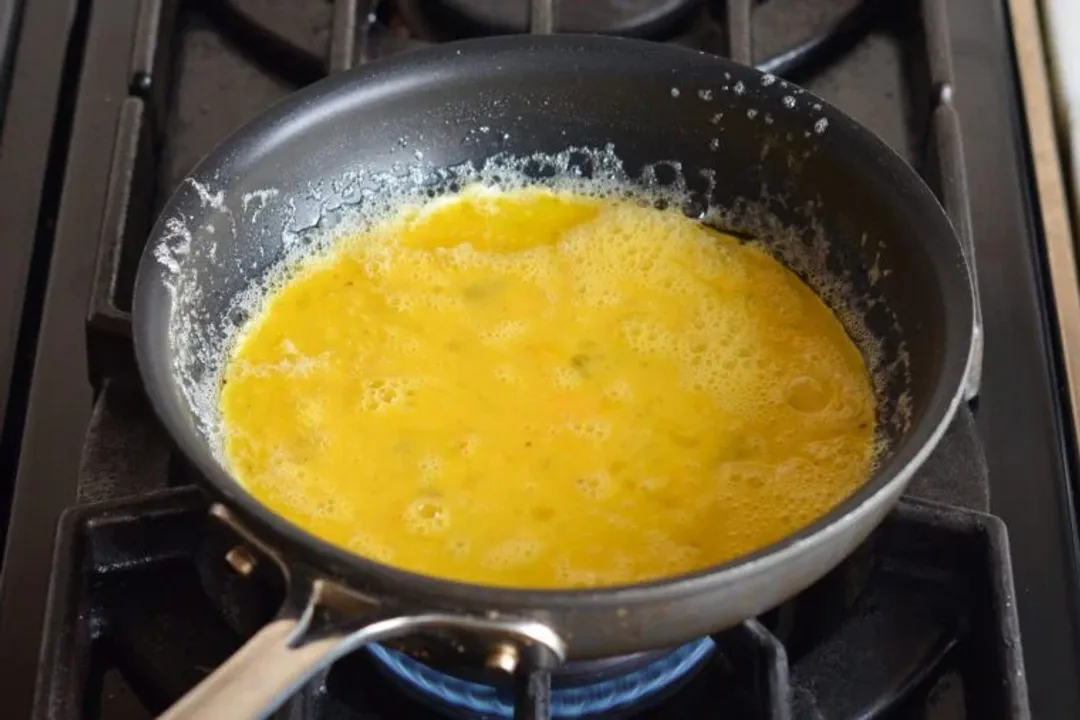
Once the eggs are in the buttered pan, the technique diverges based on style:
# French Agitation
The signature of the French preparation involves creating very fine, creamy curds. This is achieved by constantly stirring the eggs with a spatula or wooden spoon while simultaneously shaking the pan. The goal of the agitation is twofold: to keep the egg moving so it doesn't brown, and to ensure all the liquid egg comes into contact with the hot surface to form small, soft curds. This process is similar to making soft scrambled eggs, but one must maintain the structure enough that it eventually forms a cohesive sheet.
# American Setting
For a heartier, American-style omelette, the method focuses on setting the bottom layer while keeping the top wet. After pouring in the eggs, let them sit until the edges begin to coagulate. Then, using a flexible, heat-resistant spatula, gently pull the cooked edges toward the center, allowing the remaining liquid egg to flow underneath and fill the gaps. Continue this until the bottom is set, but the top surface remains visibly wet and creamy.
It is worth noting that some cooks have reported success adding a small amount of dry pancake mix to the eggs for diner-style omelettes; this reportedly adds a springy texture and sturdiness that makes the mixture easier to handle than pure egg.

# Filling Strategy
Whether you aim for elegant or hearty, the rules regarding fillings are rigid: preparation and restraint are essential.
# Pre-cooking is Non-Negotiable
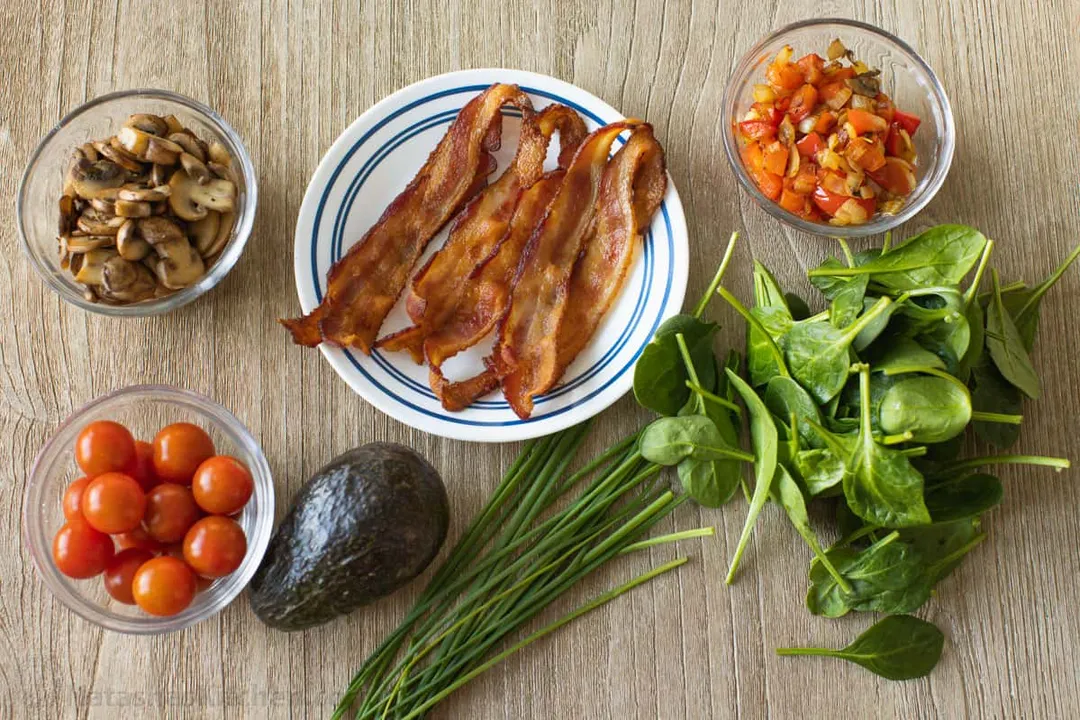
Because the entire cooking process for an omelette happens in mere minutes, raw fillings—like un-sautéed onions or mushrooms—will remain crunchy or release moisture, which ruins the delicate egg structure. All vegetables, meats, and starches must be fully cooked, or at least warm or at room temperature, before they ever approach the egg mixture. Raw vegetables not only stay undercooked but their weeping moisture can cause the egg base to become runny, leading to a structural failure upon folding.
# Moderation in Volume
The temptation to load the omelette with every available ingredient must be resisted. Overstuffing is the leading cause of the omelette breaking apart during the final fold. A good guideline suggests that for a standard two-egg base, aim for no more than about a third of a cup of fillings total.
For cheese selection, speed of melting matters. Softer, younger cheeses like mozzarella, Monterey Jack, or young cheddar will achieve that desirable ooey-gooey texture quickly. Drier, aged cheeses like Parmesan or aged Gruyère may require more time on the heat than the eggs can withstand, resulting in an under-melted filling inside an overcooked egg blanket. If using a firmer cheese, one successful tactic is to lightly warm the shredded cheese separately before adding it to the nearly set eggs.
# The Critical Fold
Knowing precisely when to stop cooking is perhaps the most nerve-wracking part of the process. You must stop before it looks completely done.
If you wait until the top is fully dry, the bottom layer will inevitably be tough and possibly browned. For both styles, the moment of truth is when the eggs are about 75% set, with just a slight sheen or wetness remaining on the surface. Residual heat will finish the cooking once the omelette is folded.
For an American-style omelette, fillings are often sprinkled over one half, and the empty half is folded over to create a half-moon. For the more challenging French roll, the egg is formed into a log shape, often by rolling one edge inward a third of the way, then rolling the other edge over it to create a neat, slightly ovoid cylinder.
# Refinement Touches
The final presentation requires a steady hand, especially with the tender French style. The motion involves using the spatula to push the edge of the omelette toward the center while simultaneously tilting the pan so the mass slides toward the lip. The plate is then brought up to meet the pan, inverting the egg so it lands seam-side down. Even if the shape isn't perfect, the community offers reassurance: if it collapses, you can always claim you intended to make a loaded scramble.
To ensure a professional sheen, a final, almost ceremonial step remains. Immediately after plating, a small pat of butter can be run over the hot surface of the omelette to gloss it and add a final layer of rich flavor. This final touch, combined with using fresh, high-quality eggs and treating the nonstick pan with respect, transforms a simple breakfast into a display of genuine cooking expertise. When considering overall ingredient ratios, remember that for a two-egg omelette, the egg is the star, and fillings should only ever be a supporting cast, never the main attraction that weighs down the structure. Mastering this simple combination of heat, fat, timing, and restraint means you've unlocked a foundational kitchen skill that serves well for any breakfast, lunch, or dinner craving.
#Videos
Jamie Oliver on making the perfect omelette - Jamie's Ministry of Food
The Best French Omelet You'll Ever Make (Restaurant-Quality) -
Related Questions
#Citations
What are your tips and tricks for a great omelette? : r/Cooking - Reddit
8 Tips for Making the Perfect Omelet - Just Cook by ButcherBox
Perfect Omelette (with Video) - Natasha's Kitchen
Jamie Oliver on making the perfect omelette - Jamie's Ministry of Food
How to Make An Omelette - Once Upon a Chef
Five Tips for Amazing Omelets - Land O' Frost
How to Make an Omelet (Perfect Step-by-Step Recipe) | The Kitchn
13 Tips For Making The Absolute Best Omelets - Tasting Table